Silver Bullet Pest Control logoSilver Bullet Pest Control
Termite Mud Tubes Β· Inspection, Treatment & Repair Β· North Jersey

Termite Mud Tubes in NJ: What They Are, How to Check Them, What to Do Next

A thin brown line of dirt running up the foundation wall, along a basement sill or behind the water heater? That is very often a termite mud tube, and it is the most common sign of subterranean termites we find in North Jersey homes. Here is how to read what you found, how to test whether it is active, and what a proper inspection, treatment and repair look like.

4.9 stars on Google β€’ NJ License 90568B β€’ 15+ years β€’ Based in Garfield β€’ We repair termite damage ourselves β€’ Hablamos espaΓ±ol

Text a photo of the tube (with a coin or pen next to it for size) to 973-510-2585 and we'll tell you what it looks like.

What are termite mud tubes?

Termite mud tubes are pencil-width tunnels made of soil, wood bits and saliva that subterranean termites build to travel between the ground and the wood in your house without drying out. If you find them on a foundation, sill plate, pipe or basement wall in New Jersey, assume termites until a licensed inspector says otherwise: break a small section, check it again in a few days, and call for an inspection. Silver Bullet Pest Control inspects, treats and repairs termite damage ourselves. Call or text 973-510-2585.

What termite mud tubes are and why termites build them

The termites that damage New Jersey homes are eastern subterranean termites. They live in the soil, and their workers are soft, pale insects that dry out and die quickly in open air. To get from the colony in the ground to the wood in your house, they build covered roadways out of soil, chewed wood and saliva. Those roadways are mud tubes.

A tube keeps the inside dark and damp, protects the workers from ants and other predators, and lets them cross things they can't eat through, like a concrete foundation, a block wall or a metal pipe. That is why you usually see tubes where wood is not touching soil: the termites are bridging the gap.

  • Size: most are about the width of a pencil, roughly a quarter inch to half an inch, sometimes wider where several run together.
  • Color: it matches the local soil, usually brown, tan or gray.
  • Texture: slightly lumpy and gritty, like dried mud smeared along the wall.
  • Inside: a hollow channel. In an active tube you may see small cream-colored workers moving when you open it.

One tube rarely means one small problem. A colony can hold many thousands of termites and forage across a wide area of soil, and it often reaches a house in more than one place. The tube you found is the part you can see.

The four kinds of termite tubes

Not every tube looks the same. The shape tells an inspector what the termites are doing:

πŸ›£οΈ

Working tubes

The most common kind. They run from the soil up the foundation to the wood and are used every day. Usually flat, steady and well-built, and often several side by side.

πŸ”Ž

Exploratory tubes

Thinner, branching tubes that rise from the soil and stop without reaching wood. Termites build them while searching for food. They are often abandoned, but they show termites are probing the house.

⬇️

Drop tubes

Tubes that hang down from wood above, such as a floor joist, toward the soil. They can look like thin stalactites in a crawl space or basement and mean termites are already in the wood.

🏰

Swarm tubes

Wider, short structures termites build so winged swarmers can leave the colony, usually in spring. Seeing these, or piles of wings, means a mature colony nearby.

Any of these is worth an inspection. Seeing winged insects or loose wings inside? Read termite wings in the house and flying ants vs. termite swarmers.

How to check whether a termite mud tube is active

You can do a simple test before the inspector arrives. It doesn't harm anything and it gives us useful information:

1

Photograph it first

Take a photo of the whole tube with a coin or pen next to it, plus a wider shot showing where it is. Text both to 973-510-2585.

2

Open a small section

With a screwdriver or putty knife, break open about an inch or two in the middle of the tube. Look inside for small, pale, soft-bodied insects. Don't scrape off the whole tube.

3

Wait a few days

Leave the opening alone. Active termites usually patch a broken tube with fresh, darker, moist mud within a few days to a week or two.

4

Read the result

Repaired = active termites. Not repaired = the tube may be old, or the termites may simply have moved to another route. Either way, the house still needs an inspection.

An empty, crumbly tube is not good news on its own. Termites abandon routes all the time, and an old tube still tells you a colony found the house at some point.

Where to look for mud tubes in a North Jersey home

Most of the homes we inspect are older two-family houses, capes and colonials with poured or block foundations and finished or half-finished basements. These are the spots to check with a flashlight:

Cracks and joints along a concrete foundation wall
Basement

Foundation walls and sill plates

  • Tubes climbing the inside of the foundation wall
  • Tubes along the top of the wall where the wooden sill plate sits
  • Tubes coming out of cracks in the floor slab

The sill plate, the wood board that sits on top of the foundation, is where termites most often reach the house. Look along its full length, especially behind stored boxes, the oil tank, the water heater and the boiler.

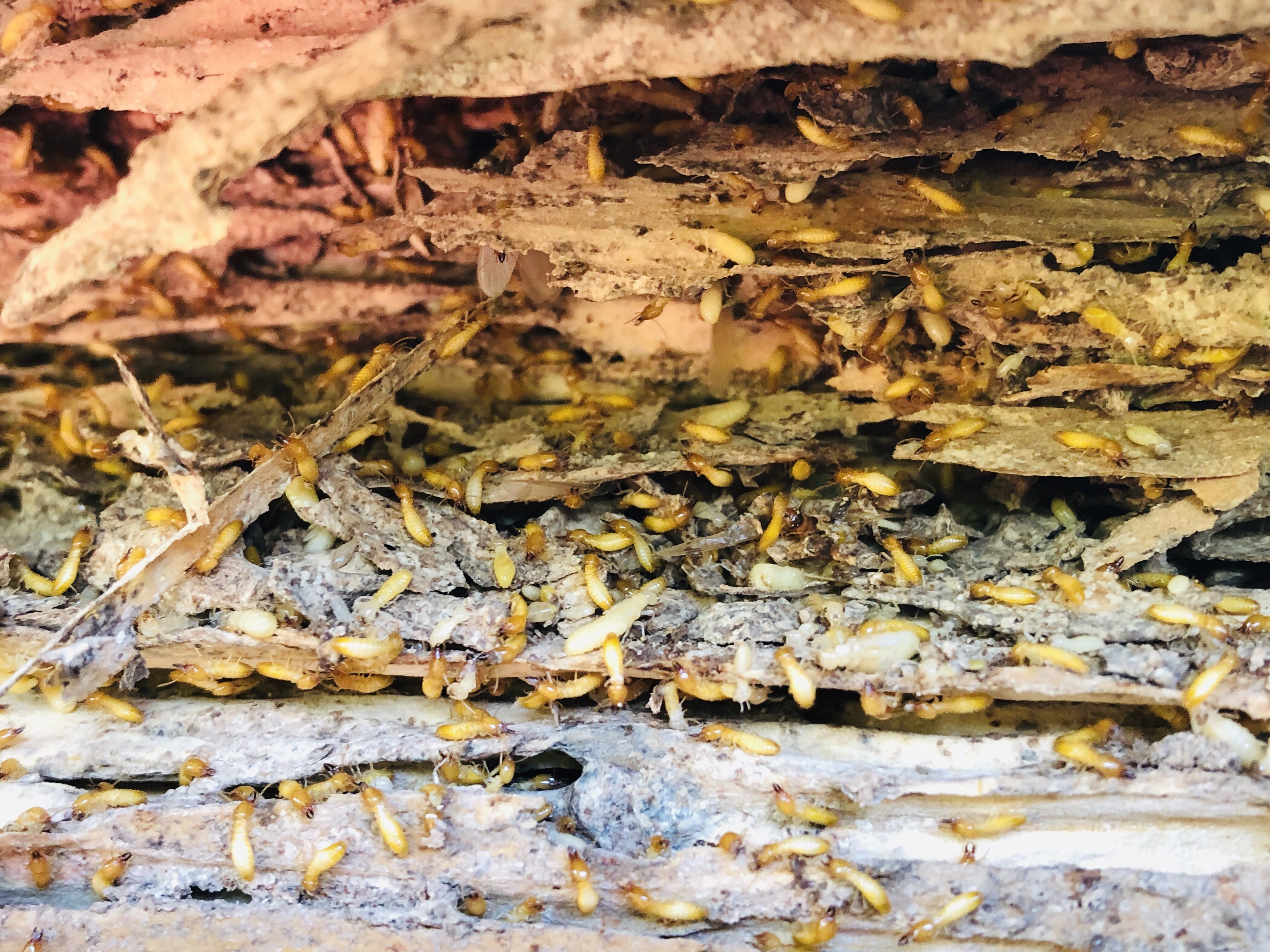
Subterranean termite workers in wood
Outside

Outside walls, porches and steps

  • Tubes on the outside of the foundation behind shrubs
  • Tubes at the base of porch posts, stairs and decks
  • Damp, soft wood near downspouts

Check the foundation outside, especially under mulch beds, behind bushes and where porches, steps, stoops and decks meet the house. Wood touching soil and wet spots by leaky gutters attract termites.

Exposed wood framing inside a house
Inside

Garages, crawl spaces and inside walls

  • Tubes along garage walls and slab edges
  • Drop tubes hanging from joists in a crawl space
  • Bubbling paint or soft spots on baseboards and door frames

Termites can tunnel up through slab cracks and expansion joints, around plumbing that comes through the floor, and inside hollow block walls, so a tube can show up in the middle of a finished room.

Is it a termite tube or something else?

A few things get mistaken for termite tubes. Here is how to tell them apart:

What you seeTermite mud tubeLook-alike
Thin dirt line on a wallHollow inside, connects to soil or wood, rebuilt when brokenDried mud splash or water stain: solid, no channel, never rebuilt
Small mud tubes in a rowGritty brown soil, runs up from the groundMud dauber wasp nests: smoother, tube-shaped cells, often on ceilings, eaves and garage rafters
Dirt trail in a basementEven width, sealed on all sidesEfflorescence: white, powdery mineral deposit, not dirt
Sawdust-like pilesSubterranean termites don't push out sawdustCarpenter ants leave coarse shavings with insect parts; drywood termites leave tiny pellets
Ant trails along the foundationNo visible insects on the surfaceAnts walk in the open; see carpenter ants vs. termites

Still not sure? A photo with something for scale usually settles it.

Mistakes that make a termite problem worse

🧹

Scraping every tube off

Removing all the tubes before an inspection hides where the termites are coming in. Break one small section to test, then leave the rest.

🧴

Spraying the tube with bug spray

Store sprays kill the few termites you can see and nothing else. The colony is in the soil and simply builds a new route.

⏳

Waiting to see if it gets worse

Termite damage happens out of sight. A tube on the foundation can mean the sill or joists above are already being eaten.

🧱

Covering it with paint or caulk

Sealing over a tube doesn't stop termites; they go around it. It also makes the next inspection harder.

Wondering what really works? See does termite spray work and Sentricon vs. liquid treatment for an honest comparison.

Termite inspection and treatment after you find mud tubes

1

Full inspection

A licensed technician checks the foundation inside and out, the sill plates, basement, garage, crawl spaces, porches and any wood near soil. We probe wood for hidden damage and map every tube and entry point.

2

A clear report

We show you what we found, how far the termites have gone, what conditions are helping them (moisture, wood-to-soil contact, mulch against the house) and what we recommend. Selling or buying? We also provide VA / NPMA-33 wood-destroying insect reports.

3

Treatment

We treat the soil where termites are getting into the house and the areas around the foundation so foraging termites are stopped. We'll explain the method, the areas treated and any precautions before we start.

4

Repair and follow-up

Once treatment is done, our own crew can repair damaged wood. We also tell you what to fix around the house, like leaks, grading and wood touching soil, so termites have fewer reasons to come back.

Questions about cost? Termite treatment cost in NJ explains what changes the price. Quotes are free.

Termite damage repair: we fix what the termites ate

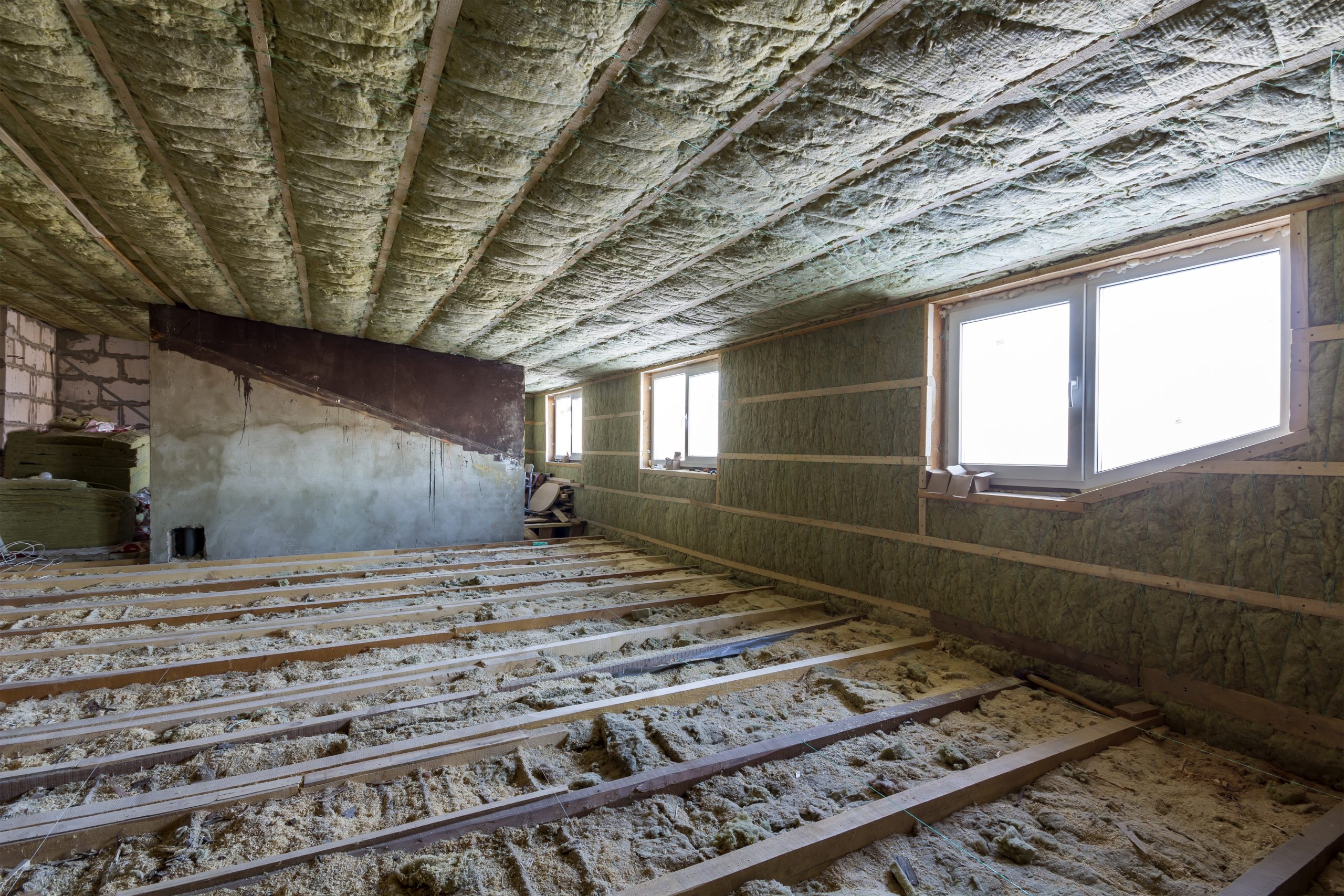
Mud tubes on a foundation often lead straight to damaged wood. When we pull back insulation or probe the sill plate, we sometimes find wood that looks fine on the surface but is hollow inside, with layers of soil packed into the galleries.

Most companies treat the termites and leave you to find a contractor. We repair termite damage ourselves after treatment, including:

  • Sill plates β€” the wood board on top of the foundation, the most common damage spot.
  • Floor joists β€” sistering or replacing damaged sections.
  • Beams and girders in basements and crawl spaces.
  • Framing β€” studs, door frames and other structural wood.

Treating first and repairing second matters: new wood put in while termites are still active can be eaten too. You get one company that knows exactly where the termites were. Learn more on our termite damage repair page.

Get a Free Quote for Termite Inspection and Treatment

Tell us where you found the mud tubes and send a photo if you can. We'll explain what we see and set up an inspection.

Why homeowners call us about mud tubes

  • Mud tubes on the foundation or sill plate
  • A tube that was rebuilt after you broke it
  • Soft or hollow wood near the tubes
  • Swarmers or wings in the basement
  • Buying or selling a home and need a report
πŸ“ž Call 973-510-2585

Request Service

πŸ”’ Your info stays private Β· Hablamos espaΓ±ol.

What's bugging you? - Step 1 of 3

Termite Mud Tube Questions

Do mud tubes always mean termites?

Almost always. In New Jersey, pencil-width hollow tubes of soil running up a foundation or onto wood are made by subterranean termites. A few look-alikes exist, like mud dauber nests and water stains, but a hollow tube that gets rebuilt is termites.

How quickly do termites rebuild a broken mud tube?

Active termites often patch a broken tube within a few days to about two weeks. Fresh repairs look darker and damp. If nothing happens, the tube may be old or the termites may be using another route, so an inspection is still the right next step.

Should I remove termite mud tubes?

Not before an inspection. Breaking a small section to test is fine, but scraping off every tube hides where termites are entering and doesn't stop them, because the colony lives in the soil. After treatment, old tubes can be removed so new activity is easy to spot.

Are old, dry mud tubes something to worry about?

Yes. A dry, crumbling tube shows termites reached the house at some point, and they may still be active elsewhere. It's also worth checking whether the house was treated before and whether that treatment is still working.

Can termites build mud tubes inside walls?

Yes. Termites can build tubes inside hollow block foundations, behind finished basement walls and inside wall cavities, which is why damage is often found during renovations. Bubbling paint, soft baseboards and tight-fitting doors can be clues.

What time of year do you see termite mud tubes?

Tubes can show up any time, because termites stay active below ground and inside heated homes year-round. Many people notice them in spring, around swarm season, or during basement cleanups. Read are termites active in winter.

Do you repair the damage after treatment?

Yes. After treatment our own crew repairs termite-damaged sill plates, joists, beams and framing, so you don't have to find a separate contractor.

Do you offer termite warranties or free inspections?

We give free quotes and explain what's included before any work starts. Ask us about follow-up visits for your home so you know exactly what you're getting.

What areas do you serve?

We're based in Garfield and serve Bergen, Passaic, Essex and Hudson counties. We also serve Morris and Union counties; those visits are scheduled ahead.

ΒΏHablan espaΓ±ol?

SΓ­. Hablamos espaΓ±ol. Mande una foto de los tubos de lodo al 973-510-2585 y le decimos quΓ© vemos.

Termite inspection and treatment near you

Based in Garfield, we inspect and treat termites across Bergen, Passaic, Essex and Hudson counties.

Our service area

Union County

973-510-2585
  • Berkeley Heights
  • Clark
  • Cranford
  • Elizabeth
  • Fanwood
  • Garwood
  • Hillside
  • Kenilworth
  • Linden
  • Mountainside
  • New Providence
  • Plainfield
  • Rahway
  • Roselle
  • Roselle Park
  • Scotch Plains
  • Springfield
  • Summit
  • Union
  • Westfield

Morris County

973-510-2585
  • Boonton
  • Butler
  • Cedar Knolls
  • Chatham
  • Denville
  • Dover
  • East Hanover
  • Florham Park
  • Hanover
  • Kinnelon
  • Lincoln Park
  • Madison
  • Mendham
  • Montville
  • Morris Plains
  • Morristown
  • Mountain Lakes
  • Parsippany
  • Pequannock
  • Randolph
  • Riverdale
  • Rockaway
  • Roxbury
  • Whippany

Updated November 2026 by the Silver Bullet Pest Control team, Garfield, NJ β€’ NJ License 90568B

Scroll to Top