Silver Bullet Pest Control logoSilver Bullet Pest Control
Spider & Spider Cricket Control Β· North Jersey

Spider Control for New Jersey Homes

Cobwebs in every corner, big wolf spiders in the basement, or spider crickets jumping at you by the washing machine? Silver Bullet Pest Control treats spiders and the insects they feed on, seals the gaps they use to get in, and clears out spider crickets in basements across Bergen, Passaic, Essex and Hudson counties.

Featured on Telemundo 47 β€’ EPA Pesticide Safety Certified β€’ 4.9 Stars on Google β€’ NJ License 90568B

Text us a photo of the spider β€” most are harmless, and we'll tell you which one you have.

How do I get rid of spiders in my New Jersey home?

To get rid of spiders for good, you have to remove what draws them in β€” the insects they eat, the gaps they crawl through and the clutter and webs they live in β€” and then treat the spots where they hide, inside and around the outside of the house. Almost all spiders in North Jersey homes are harmless house spiders, cellar spiders and wolf spiders, but a heavy spider problem usually means there's a bigger insect problem, often in a damp basement. Silver Bullet Pest Control is a licensed exterminator for spider and spider cricket control in Bergen, Passaic, Essex and Hudson counties. Call or text 973-510-2585.

Where spiders live in a North Jersey house

Spiders go where the bugs are and where nobody bothers them. These are the three spots we treat the most:

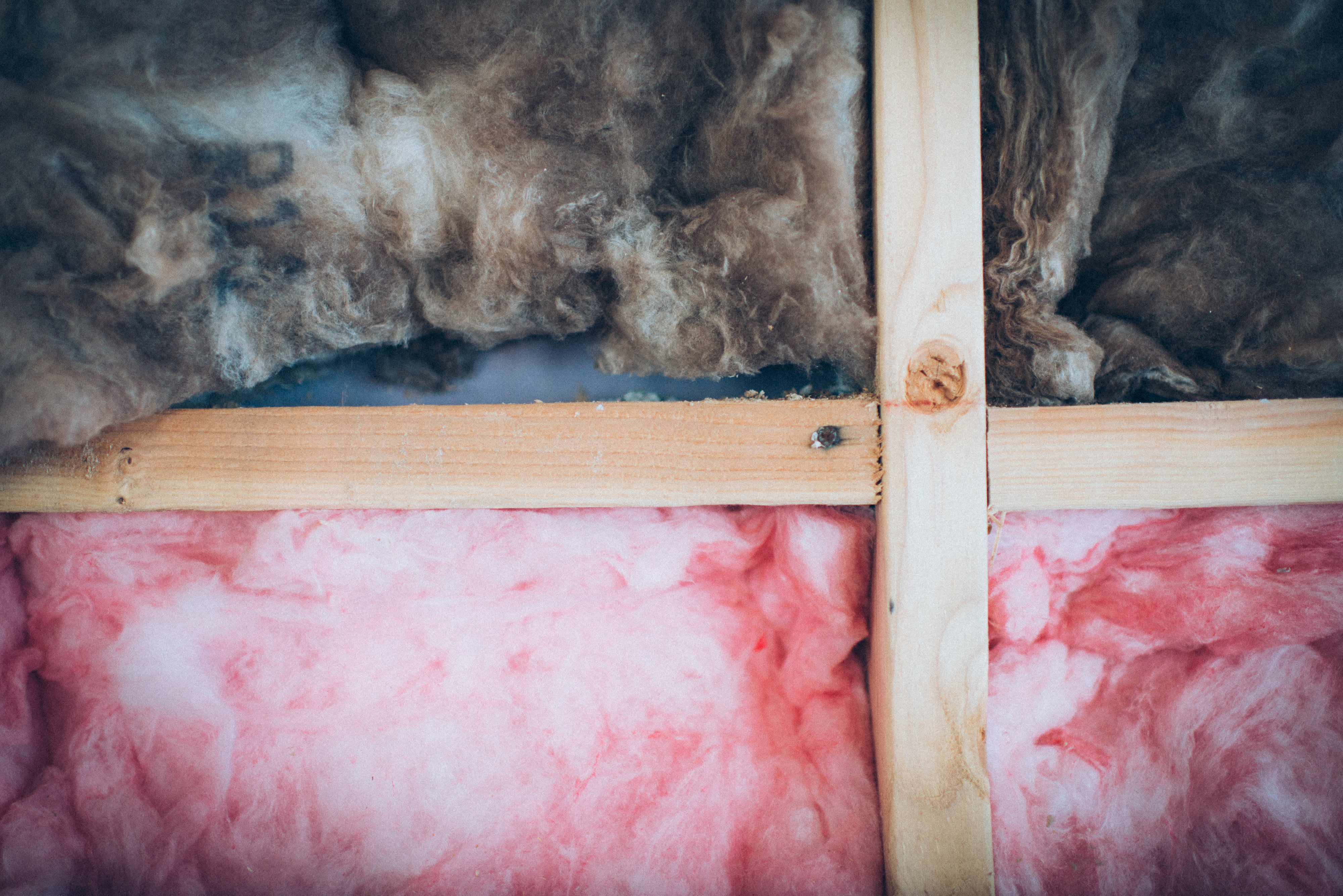
Damaged insulation and framing inside a home
Basements

Basements & Crawl Spaces

  • Messy cobwebs on joists and in window wells
  • Long-legged cellar spiders on the ceiling
  • Wolf spiders running across the floor at night

Basements are dark, quiet and often damp, which brings in the small insects spiders eat. A basement full of webs is usually a basement with a moisture problem and a steady supply of prey.

Cracks in a foundation
Entry points

Foundation Cracks & Gaps

  • Spiders along the bottom of walls and baseboards
  • Webs at the corners of basement windows
  • More spiders in fall as nights get cool

Wolf spiders and other hunters walk in from the yard through cracks, gaps under doors and loose window screens. Sealing those openings is one of the best long-term fixes.

Gaps around a gas line
Utility gaps

Pipes, Vents & Lines

  • Spiders and webs around dryer vents and hose bibs
  • Activity behind washers, boilers and water heaters
  • Spider crickets in the same damp corners

The gaps around gas lines, cable lines and pipes are open doors for spiders, spider crickets and mice. We treat and seal these spots during the visit.

Common spiders in New Jersey homes

Here are the spiders we find most often indoors in North Jersey, and what each one means:

SpiderWhat it looks likeWhere you'll see itShould you worry?
Common house spiderSmall, brownish with a round abdomenTangled cobwebs in corners, closets, garages and windowsNo β€” a nuisance, not a danger
Cellar spider ("daddy long-legs" spider)Tiny body, very long thin legsCeilings and corners of basements, crawl spaces and shedsNo β€” harmless, but leaves a lot of webs
Wolf spiderLarge, hairy, brown-gray, fast; no webRunning across basement and garage floors, often in fallRarely β€” can bite if handled, like a bee sting
Jumping spiderSmall, compact, big front eyes, jumpsWindowsills, walls and decks in sunny spotsNo β€” shy and harmless
Yellow sac spiderSmall, pale yellow-beigeCeiling corners and wall-ceiling joints, in small silk sacsBites are possible but usually mild
Orb weaverRound web in a wheel shapeOutside β€” porch lights, shrubs, eavesNo β€” they stay outside

Spiders are hard to ID from a description. Text a clear photo to 973-510-2585 and we'll tell you what it is and whether it needs treatment.

Why you have so many spiders

Spiders don't come in for crumbs. They come in to hunt. If you're seeing a lot of them, something is feeding them. The usual reasons in North Jersey homes:

  • Other insects. Gnats, flies, ants, silverfish and spider crickets are all spider food. More bugs means more spiders.
  • Damp basements. Moisture brings in the small insects spiders eat. A dehumidifier often cuts spider activity on its own.
  • Outdoor lights. Porch and garage lights draw moths and flies at night, and spiders build webs right next to them.
  • Clutter. Boxes, stacked clothes and storage bins on the floor give spiders quiet places to hide and lay egg sacs.
  • Fall weather. As nights cool down in September and October, wolf spiders and males of several species wander in looking for mates and shelter.

That's why we treat spiders as part of a bigger picture. Knocking down webs helps for a week. Cutting off the food, the moisture and the way in keeps them down for good.

Are there dangerous spiders in New Jersey?

Very few, and you're unlikely to meet one inside a house. Here's the honest picture:

  • Black widows do live in New Jersey, but they're uncommon. They're shiny black with a red hourglass under the belly and prefer quiet outdoor spots β€” woodpiles, sheds, under stones, meter boxes and outdoor furniture. They aren't aggressive and bite mostly when pressed against skin.
  • Brown recluse spiders are not established in New Jersey. Once in a while one shows up in a box or furniture shipped from the South or Midwest, but they don't live here in the wild. Many spiders, and many skin problems, get mistaken for recluse bites.

Think you were bitten? Wash the area and watch it. If you have strong pain, spreading redness, cramps or feel sick, call your doctor or go to urgent care β€” and bring the spider in a jar if you can. We're pest control, not doctors.

For most families, spiders are a nuisance rather than a danger. But nobody wants them in the kids' room or in a tenant's apartment β€” see spiders in an apartment.

Spider crickets (camel crickets) in the basement

πŸ¦—

What they are

Humpbacked, tan-brown crickets with very long legs and antennae. They don't chirp, don't bite and aren't spiders β€” they just look like one and jump at you.

πŸ’§

Why they're there

Spider crickets need moisture. Damp basements, crawl spaces, laundry rooms, sump pits and window wells are where they gather, sometimes by the dozens.

πŸ•·οΈ

Why it matters

They chew on fabric, cardboard and stored items, and they're food for spiders β€” a basement full of spider crickets is usually full of spiders too.

πŸ›‘οΈ

Our coverage

Spider cricket service from Silver Bullet comes with 90 days of coverage with unlimited service calls in that time.

More detail: camel crickets, cave crickets and spider crickets.

How our spider treatment works

1

Inspect inside & out

We look at the basement, garage, windows, eaves and foundation to see which spiders you have, where they're nesting and what they're eating.

2

Treat the hiding spots

We treat cracks, corners, wall-floor joints, window wells and the outside perimeter β€” the places spiders actually live, not just the middle of the floor.

3

Remove webs & egg sacs

We knock down webs and egg sacs around the eaves, windows and entry points so the next generation doesn't hatch there.

4

Seal & advise

We point out or seal gaps, and tell you what to change β€” lighting, moisture, clutter β€” to keep spiders from building back up.

Regular service comes with a 100% satisfaction guarantee. Spiders tend to follow other insects, so many homeowners cover them with a residential pest control plan.

What you can do between visits

  • Run a dehumidifier in the basement, and fix leaks, sweating pipes and wet window wells.
  • Vacuum webs and egg sacs regularly, then empty the vacuum outside.
  • Store things in sealed plastic bins instead of cardboard, and keep them off the floor.
  • Switch outdoor bulbs to yellow or warm LED, which draw fewer night-flying insects.
  • Trim shrubs and vines back from the siding, and keep firewood and leaf piles away from the house.
  • Fix screens and door sweeps, and caulk small gaps around windows and utility lines.
  • Wear gloves when moving firewood, stones or items stored in the shed β€” that's where you're most likely to meet a black widow.

Sticky traps along basement walls are a cheap way to see which spiders and crickets you have and where they travel. Bring a trap or a photo to your appointment.

Get a Spider Control Quote

Tell us where you're seeing spiders or spider crickets and how long it's been going on β€” we'll get back to you quickly.

Why people call us about spiders

  • Webs everywhere in the basement or garage
  • Large wolf spiders inside in the fall
  • Spider crickets jumping in the laundry room
  • Worried a spider might be a black widow
  • Tenants complaining about spiders in an apartment
πŸ“ž Call 973-510-2585

Request Service

πŸ”’ Your info stays private Β· Hablamos espaΓ±ol.

What's bugging you? - Step 1 of 3

Spider Control FAQ

Why do I have so many spiders in my house?

Usually because there's plenty for them to eat. Lots of spiders points to other insects, a damp basement or easy ways in from outside.

What are the most common spiders in New Jersey homes?

Common house spiders, cellar spiders, wolf spiders, jumping spiders and yellow sac spiders. Nearly all of them are harmless to people.

Are there brown recluse spiders in New Jersey?

No established populations. An occasional one can arrive in boxes or furniture shipped from other states, but they don't live here in the wild.

Are black widows found in New Jersey?

Yes, but they're uncommon. They stay in quiet outdoor spots like woodpiles, sheds and under stones, so wear gloves when you work in those areas.

Are wolf spiders dangerous?

No. They look scary, but they're not aggressive and only bite if handled; most bites feel like a bee sting.

What are spider crickets?

Spider crickets, also called camel crickets, are humpbacked jumping crickets with long legs that live in damp basements. They don't bite but can chew stored fabric and cardboard.

Do you guarantee spider cricket treatment?

Spider cricket service comes with 90 days of coverage with unlimited service calls in that time.

Does spraying for spiders work?

Spraying alone gives short relief. Lasting control comes from treating where spiders hide, removing webs and egg sacs, cutting moisture and sealing the gaps they use.

When are spiders worst in New Jersey?

Late summer and fall. As nights cool, wolf spiders and wandering males come indoors looking for shelter and mates.

Is spider treatment safe for pets?

Yes. Treatments go into cracks, corners and the outside perimeter, and we tell you how long to keep pets away from treated areas before we leave.

Are you a licensed exterminator?

Yes. Silver Bullet Pest Control holds NJ Pesticide License 90568B and is based in Garfield.

ΒΏTienen servicio contra araΓ±as y grillos?

SΓ­. Hablamos espaΓ±ol. Llame o mande texto al 973-510-2585 para eliminar araΓ±as y grillos del sΓ³tano.

Spider control near you

Based in Garfield, we treat spiders and spider crickets in these towns and across North Jersey.

Our service area

Union County

973-510-2585
  • Berkeley Heights
  • Clark
  • Cranford
  • Elizabeth
  • Fanwood
  • Garwood
  • Hillside
  • Kenilworth
  • Linden
  • Mountainside
  • New Providence
  • Plainfield
  • Rahway
  • Roselle
  • Roselle Park
  • Scotch Plains
  • Springfield
  • Summit
  • Union
  • Westfield

Morris County

973-510-2585
  • Boonton
  • Butler
  • Cedar Knolls
  • Chatham
  • Denville
  • Dover
  • East Hanover
  • Florham Park
  • Hanover
  • Kinnelon
  • Lincoln Park
  • Madison
  • Mendham
  • Montville
  • Morris Plains
  • Morristown
  • Mountain Lakes
  • Parsippany
  • Pequannock
  • Randolph
  • Riverdale
  • Rockaway
  • Roxbury
  • Whippany

Updated October 2026 by the Silver Bullet Pest Control team, Garfield, NJ β€’ NJ License 90568B

Scroll to Top