Silver Bullet Pest Control logoSilver Bullet Pest Control
Spiders Β· Indoor & Outdoor Spray Guide Β· North Jersey

Spider Spray for Indoor and Outdoor Use: What Actually Works

Webs in every corner of the basement, spiders on the porch light every night, a big hairy one running across the living room floor? Here's an honest look at spider spray indoors and outdoors β€” where it helps, where it's wasted, and why the bugs spiders eat are usually the real problem.

4.9 stars on Google β€’ NJ License 90568B β€’ 15+ years β€’ Based in Garfield β€’ Hablamos espaΓ±ol

Not sure what spider you found? Text a clear photo to 973-510-2585 and we'll tell you what it is.

Does spider spray work indoors and outdoors?

Spider spray works best outdoors, as a band around the foundation, windows, doors and eaves, where it stops spiders before they get in; indoors it should only be a light crack-and-crevice touch-up, because most spiders aren't killed by walking over dried residue. The longest-lasting results come from removing webs and egg sacs, sealing gaps, and cutting down the insects that spiders come to hunt. If spiders keep coming back, a licensed technician can find the cause. Call or text 973-510-2585.

Indoor vs. outdoor spider spray: where each one belongs

Think of spider control as three layers. Spray is only one of them.

Silver Bullet Pest Control service van
Layer 1 Β· Outside

Outdoor perimeter band

  • Foundation and the first few feet of soil or mulch
  • Window frames, door frames, vents and soffits
  • Under decks, porches and stair landings

Outdoors is where spider spray earns its keep. A band along the foundation and around openings catches spiders and the insects they follow before they get inside. Sun and rain wear it down, so it isn't a one-time fix.

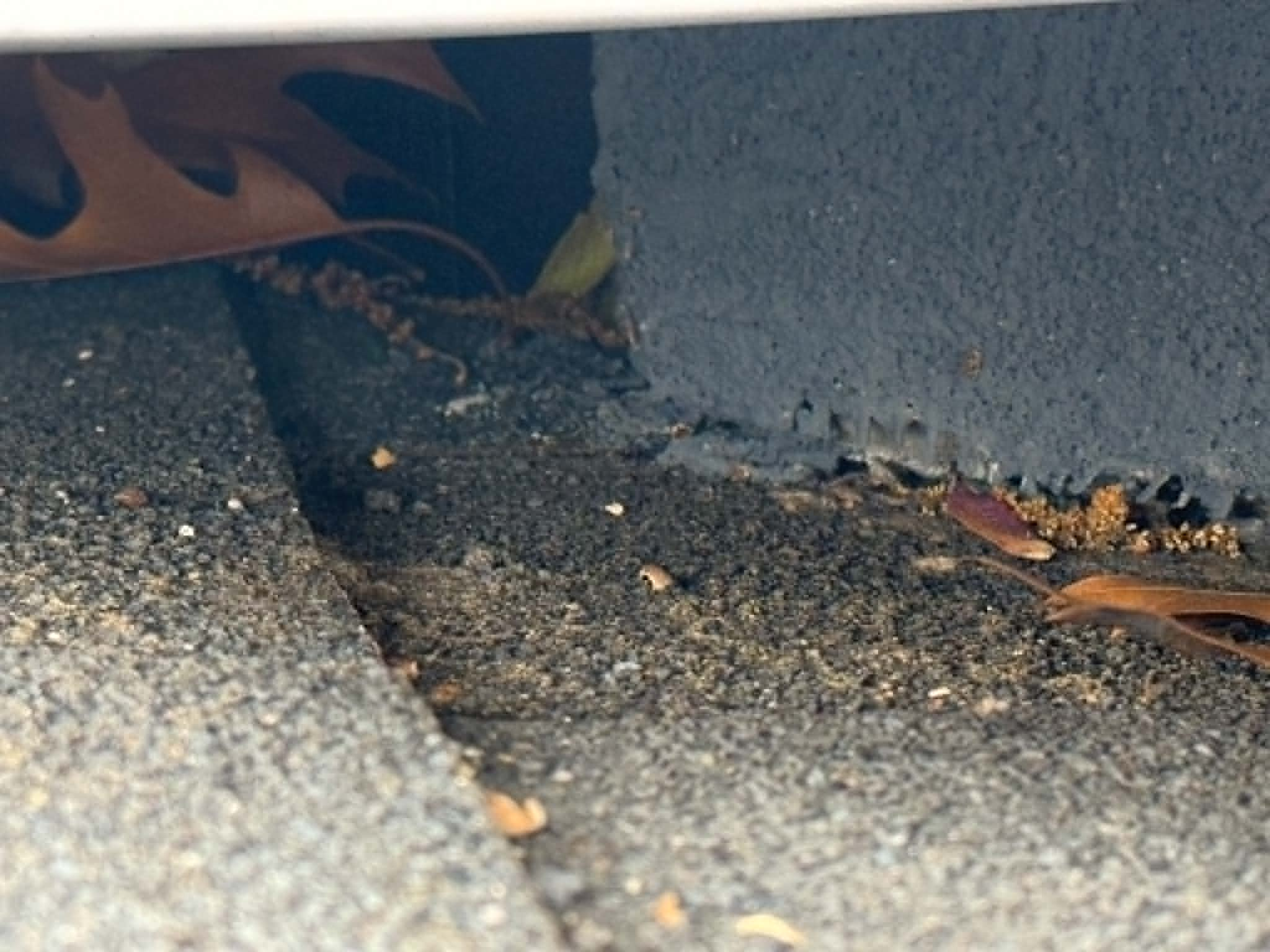
Cracks and gaps along a wall where pests can get in
Layer 2 Β· Inside

Crack-and-crevice touch-ups

  • Baseboard gaps and corners of the basement
  • Behind the washer, dryer and water heater
  • Around pipes, sump pits and window wells

Inside, spray should be targeted, not misted across floors and furniture. A spider has to touch fresh product for it to matter much, so broad indoor spraying wastes product and adds exposure for no real gain.

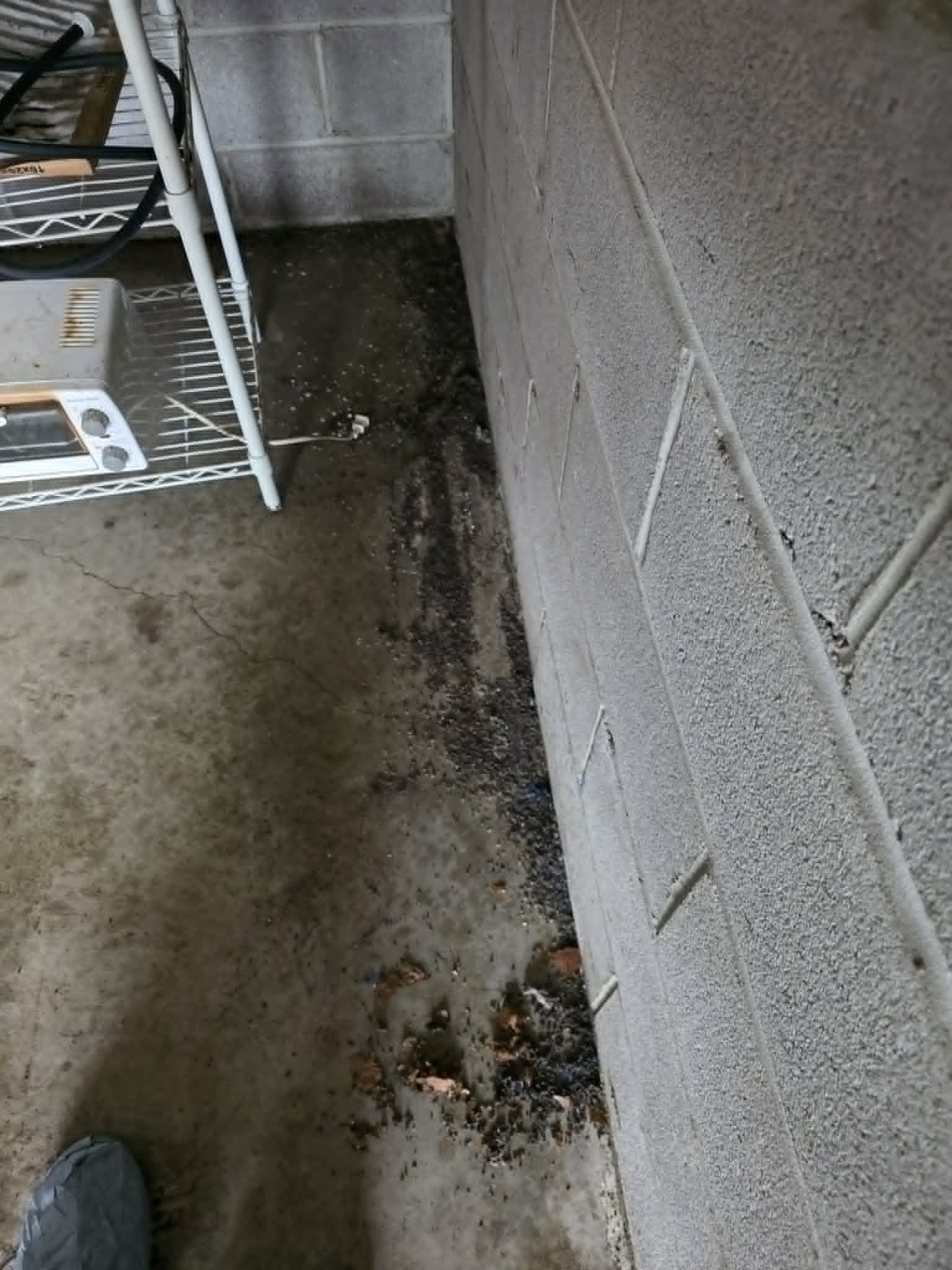
Cluttered garage corner with stored items
Layer 3 Β· No spray

Webs, egg sacs and clutter

  • Vacuum webs and egg sacs and empty the bag outside
  • Clear boxes off basement and garage floors
  • Move firewood and leaf piles away from the walls

This is the layer most people skip. One egg sac can hold dozens to hundreds of spiderlings, and spray rarely gets through the silk. Vacuuming removes the spider, the web and the next generation in one pass.

Spider spray inside vs. outside: side-by-side

Outdoor sprayIndoor spray
Main jobStop spiders and their food before they get inSpot-treat hiding places spiders already use
Where it goesFoundation, eaves, doors, windows, vents, deck undersidesCracks, gaps, corners, behind appliances β€” never open surfaces
How long it lastsBreaks down with sun and rain; needs repeating through the seasonLasts longer out of sunlight, but spiders often avoid treated spots
Biggest mistakeSpraying once in July and expecting a whole seasonFogging or spraying the whole room
Works best withTrimming plants back, turning off or switching porch lights, sealing gapsVacuuming webs and egg sacs, dehumidifying the basement
When to call a proSpiders return within weeks; heavy webbing on the whole houseSpiders in bedrooms, a black widow, or lots of other bugs inside

The short version: spray outside to keep them out, vacuum inside to remove them, and fix what's feeding them. Our spider control page covers the full service.

Why store-bought spider spray often disappoints

Most homeowners who call us about spiders have already gone through a can or two of spray. It isn't that the product does nothing. It's that spiders are a hard target for a few simple reasons:

  • Spiders don't groom like insects. Ants and roaches clean their legs and pick up residue that way. Spiders walk on the tips of their legs and often stay up in their webs, so they get far less contact with a treated surface.
  • Contact kills are short-lived. Many sprays kill the spider you hit but leave little behind. The next spider walks in through the same gap tomorrow.
  • Egg sacs are protected. Silk sheds liquid. If the egg sac stays, the problem comes back in a few weeks.
  • The food is still there. Spiders go where insects are. Porch lights draw moths and gnats; damp basements draw camel crickets, silverfish and centipedes. As long as the bugs keep coming, so do the spiders.
  • Foggers don't reach hiding spots. Bug bombs coat open surfaces and miss the cracks where spiders actually live. They also carry real fire and exposure risks if used wrong.

None of this means spray is useless. It means spray is a supporting tool, not the whole plan.

Spiders you're likely to find in a New Jersey home

πŸ•ΈοΈ

House spiders

Small, brownish spiders that build messy webs in corners, windows and basements. Harmless to people; they're the reason most webs come back.

🦡

Cellar spiders

Long, thin legs and a tiny body β€” often called daddy longlegs. They cluster in basements, crawl spaces and garages, especially where it's damp.

🐺

Wolf spiders

Large, hairy, fast and usually brown or gray. They hunt on the ground and wander in during late summer and fall. Startling, but not aggressive.

⚠️

Black widows

Shiny black with a red hourglass-type mark underneath. Found in sheds, woodpiles, stone walls and under outdoor furniture. Don't handle β€” call us.

Brown recluse spiders are not native to New Jersey and are rarely found here. If you think you have one, keep it in a sealed jar or take a photo and check our spider, flea and fly questions or text us.

How to use spider spray the right way (DIY)

1

Read the whole label first

The label tells you where the product can legally go β€” indoors, outdoors or both β€” and how long to keep kids and pets away. A product labeled for outdoor use only should never be used inside.

2

Vacuum before you spray

Take down webs and egg sacs in corners, window frames, basement joists and the garage. Empty the vacuum outdoors right away.

3

Treat outside first

Apply a band along the foundation and around doors, windows, vents and the underside of decks. Skip windy days and don't spray right before rain.

4

Spot-treat inside only where needed

Cracks, baseboard gaps and corners behind appliances. Keep it off counters, bedding, toys, pet bowls and anywhere people sit or sleep.

5

Cut off the food and the way in

Switch porch lights to warmer, less insect-attracting bulbs or turn them off, run a dehumidifier in the basement, and caulk gaps around pipes and windows.

Is spider spray safe for kids and pets?

Any pesticide can be safe or unsafe depending on how it's used. The label is the law: it lists where the product may be applied, how much, and when people and animals can return. Most problems we see come from too much product in the wrong place β€” floors where babies crawl, beds, pet areas, or a fogger set off in a small room.

  • Keep kids and pets out of treated areas until the product has dried, or longer if the label says so.
  • Never mix products or pour them into unlabeled bottles.
  • Cats and fish need extra care. Cover fish tanks and ask before treating rooms where pets spend time.
  • Bites are uncommon. Most spiders in New Jersey homes can't easily bite through human skin, and they'd rather run. A black widow bite is different β€” get medical advice right away.

When we treat, we tell you before we start exactly where we're applying product and how long to wait. For homes with pets, see our pet-safe pest control approach.

What a professional spider treatment adds

A professional visit isn't just a stronger spray. It's a plan built around why spiders are in your house:

  • Identification. Wolf spiders in the basement, cellar spiders in a damp crawl space and black widows in the shed all need different attention.
  • Finding the food source. Heavy spider activity usually means another pest β€” crickets, flies, silverfish or ants. Treating that pest is often what finally stops the spiders.
  • Exterior treatment done right. Foundation, eaves, window and door frames, vents and decks, with products and methods chosen for the season and the surface.
  • Web and egg sac removal where we can safely reach, plus targeted indoor treatment only where it's needed.
  • Sealing advice. Gaps around pipes, cables, garage doors and window wells β€” the same openings mice and insects use.

Spiders come back every season, so many homeowners pair the first visit with monthly or quarterly pest control. Regular service comes with a 100% satisfaction guarantee. Same-day appointments are often available.

Found a black widow, or spiders in a child's room? Call or text 973-510-2585 for a free quote.

Get a Free Quote for Spider Control

Tell us where you're seeing spiders and webs, and send a photo if you can. We'll explain what's drawing them and how we'd treat it.

Why homeowners call us about spiders

  • Webs back within days of cleaning
  • Spiders on the porch and around every light
  • Big wolf spiders in the basement
  • A black widow in the shed or woodpile
  • Store sprays haven't made a difference
πŸ“ž Call 973-510-2585

Request Service

πŸ”’ Your info stays private Β· Hablamos espaΓ±ol.

What's bugging you? - Step 1 of 3

Spider Spray Questions

Is it better to spray for spiders inside or outside?

Outside, in most cases. A treatment band around the foundation, doors, windows and eaves stops spiders and their prey before they get in. Indoors, limit spray to cracks and corners and rely on vacuuming webs and egg sacs to remove the spiders already there.

How long does outdoor spider spray last?

It depends on the product, the surface and the weather. Sunlight and rain break most outdoor treatments down over a few weeks, which is why spiders often return mid-season. Repeating the treatment on a schedule works better than one heavy application in summer.

Why do spiders keep coming back after I spray?

Usually because the food and the entry points are still there. Spiders follow insects to lights, damp basements and cluttered garages. Spraying kills some spiders, but new ones move in through the same gaps until you cut down the insects, seal openings and remove egg sacs.

Can I use outdoor spider spray inside my house?

No. Only use a product indoors if its label says it's allowed indoors. Outdoor-only products can leave residues that aren't meant for living spaces. The label is the law, and following it is the single most important safety step with any spider spray.

Does spider spray kill egg sacs?

Usually not. Spider silk sheds liquids, so spray tends to run off the sac and the spiderlings hatch anyway. The reliable fix is to vacuum egg sacs off walls, ceilings and joists and empty the vacuum outside right away.

Are the spiders in my New Jersey basement dangerous?

Almost never. Most basement spiders here are house spiders, cellar spiders and wolf spiders, which are harmless to people. The one to respect is the black widow, found mostly in sheds, woodpiles and outdoor furniture. Don't handle it; take a photo and call a professional.

Are bug bombs good for spiders?

Not really. Foggers coat open surfaces and miss the cracks, corners and wall voids where spiders live and lay eggs. They also leave residue on everything in the room and can be a fire hazard if used near a pilot light. Targeted treatment works better.

When is spider season in New Jersey?

Spiders are active outdoors from spring through fall. Many people notice the most in late summer and early fall, when spiders are full-grown, webs are biggest and wolf spiders wander indoors as nights cool. That's a good time to treat the outside of the house.

Do you treat for spiders?

Yes, we handle spider problems as part of our home pest service, starting with identifying the spider and the insects drawing it in. Silver Bullet Pest Control is based in Garfield and holds NJ License 90568B. Call or text 973-510-2585 for a free quote.

How much does professional spider control cost?

It depends on the size of the home, how much of the outside needs treatment, whether another pest is feeding the spiders, and whether you want a one-time visit or recurring service. We give a free quote after hearing what you're seeing β€” a photo helps.

ΒΏHablan espaΓ±ol?

SΓ­, hablamos espaΓ±ol. Mande una foto de la araΓ±a al 973-510-2585 y le decimos quΓ© es y cΓ³mo tratarla.

Spider control across North Jersey

From our base in Garfield we serve homes in Bergen, Passaic, Essex and Hudson counties.

Our service area

Union County

973-510-2585
  • Berkeley Heights
  • Clark
  • Cranford
  • Elizabeth
  • Fanwood
  • Garwood
  • Hillside
  • Kenilworth
  • Linden
  • Mountainside
  • New Providence
  • Plainfield
  • Rahway
  • Roselle
  • Roselle Park
  • Scotch Plains
  • Springfield
  • Summit
  • Union
  • Westfield

Morris County

973-510-2585
  • Boonton
  • Butler
  • Cedar Knolls
  • Chatham
  • Denville
  • Dover
  • East Hanover
  • Florham Park
  • Hanover
  • Kinnelon
  • Lincoln Park
  • Madison
  • Mendham
  • Montville
  • Morris Plains
  • Morristown
  • Mountain Lakes
  • Parsippany
  • Pequannock
  • Randolph
  • Riverdale
  • Rockaway
  • Roxbury
  • Whippany

Updated November 2026 by the Silver Bullet Pest Control team, Garfield, NJ β€’ NJ License 90568B

Scroll to Top