
 Silver Bullet Pest Control
Pet-Safe and Kid-Safe Pest Control in North Jersey
Need an exterminator but worried about the dog, the cat or the toddler? This guide from Silver Bullet Pest Control explains how licensed technicians keep pets and kids away from pest control products, what to do on service day, and what to ask any company before they treat your home in Bergen, Passaic or Essex County.
Featured on Telemundo 47 • EPA Pesticide Safety Certified • 5-Star Google Rated • NJ License 90568B
Tell us about your pets and kids when you book — we plan the treatment around them.
- ✓ Same-day appointments often available
- ✓ Licensed & insured in NJ
- ✓ Homes & businesses
- ✓ English & Español
Is pest control safe for dogs and kids?
Professional pest control can be done with very low risk to dogs, cats and kids when the products are used by the label, placed where they can't reach them, and everyone stays off treated areas until they're dry — but no honest company can promise any pesticide is 100% safe. The risk comes down to how and where a product is used: baits locked in tamper-resistant stations, gel placed deep in cracks and spot treatments behind appliances keep exposure low, while broad spraying of floors and open bait left out raise it. Silver Bullet Pest Control is a licensed North Jersey company (NJ License 90568B) that plans every treatment around the pets and kids in the house. Call or text 973-510-2585.
Is pest control safe for dogs? The honest answer
Every pest control product — including organic and “natural” ones — is designed to affect living things. So the honest answer to “is pest control safe for my dog?” is: it can be very low risk when it's done right, and a careful company works hard to make it that way. Be skeptical of anyone who promises a treatment is 100% safe, non-toxic or harmless. That's a sales line, not a fact.
What actually protects pets and kids is how a product is used, not just what it is:
- Placement. Putting product where pests travel — inside wall voids, behind appliances, inside locked stations — instead of on open floors and surfaces pets and kids touch.
- Amount. Using the smallest amount that works, exactly as the label says.
- Timing. Keeping people and animals away until sprays are dry.
- Communication. A technician who asks about your pets before starting and tells you exactly what was used and where.
Pests carry their own risks, too. Mice and rats contaminate food and surfaces, cockroaches trigger allergies and asthma, and fleas and ticks bite pets and people. Leaving an infestation alone isn't automatically the safe choice.
How professionals keep products away from pets and kids
Most indoor pest control today relies on targeted baits and treatments rather than spraying whole rooms. Three common examples:

Tamper-Resistant Stations and Traps
- Bait or traps locked inside a sturdy plastic or metal box
- Openings sized for mice or rats, not paws or hands
- Placed behind appliances, in garages, attics and basements
Rodent stations are built so a curious dog or toddler can't open them or reach the bait. In homes with pets we often lean on traps in enclosed stations and on sealing entry points so fewer rodents get in at all.
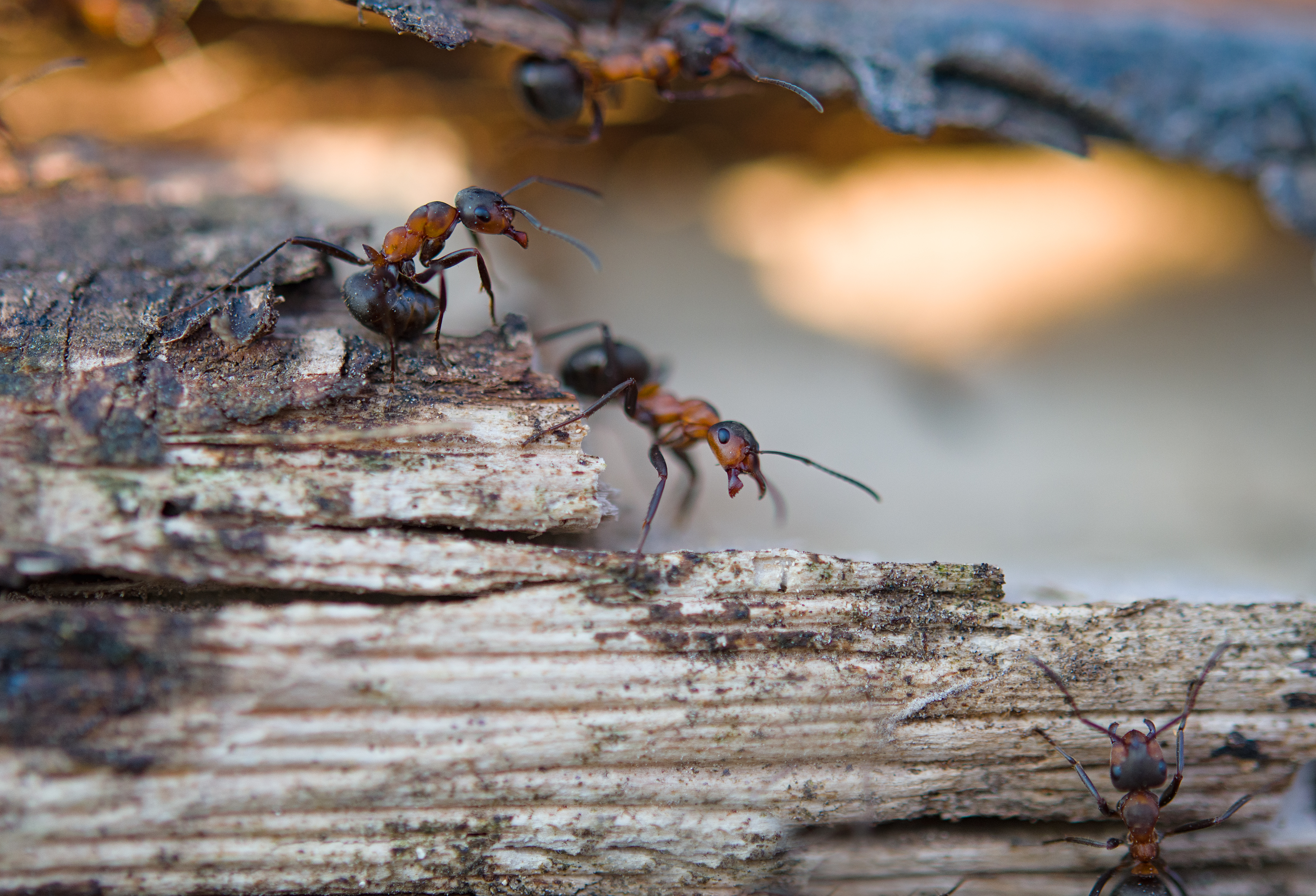
Gel Baits and Enclosed Ant Stations
- Tiny dots of gel placed in cracks along ant trails
- Enclosed bait stations instead of loose granules
- Worker ants carry the bait back to the colony
Ant baits work best in small amounts right on the trail, often in cracks and behind outlets where pets can't lick them. Outside, we treat the foundation and ant nests and keep pets inside until it dries.
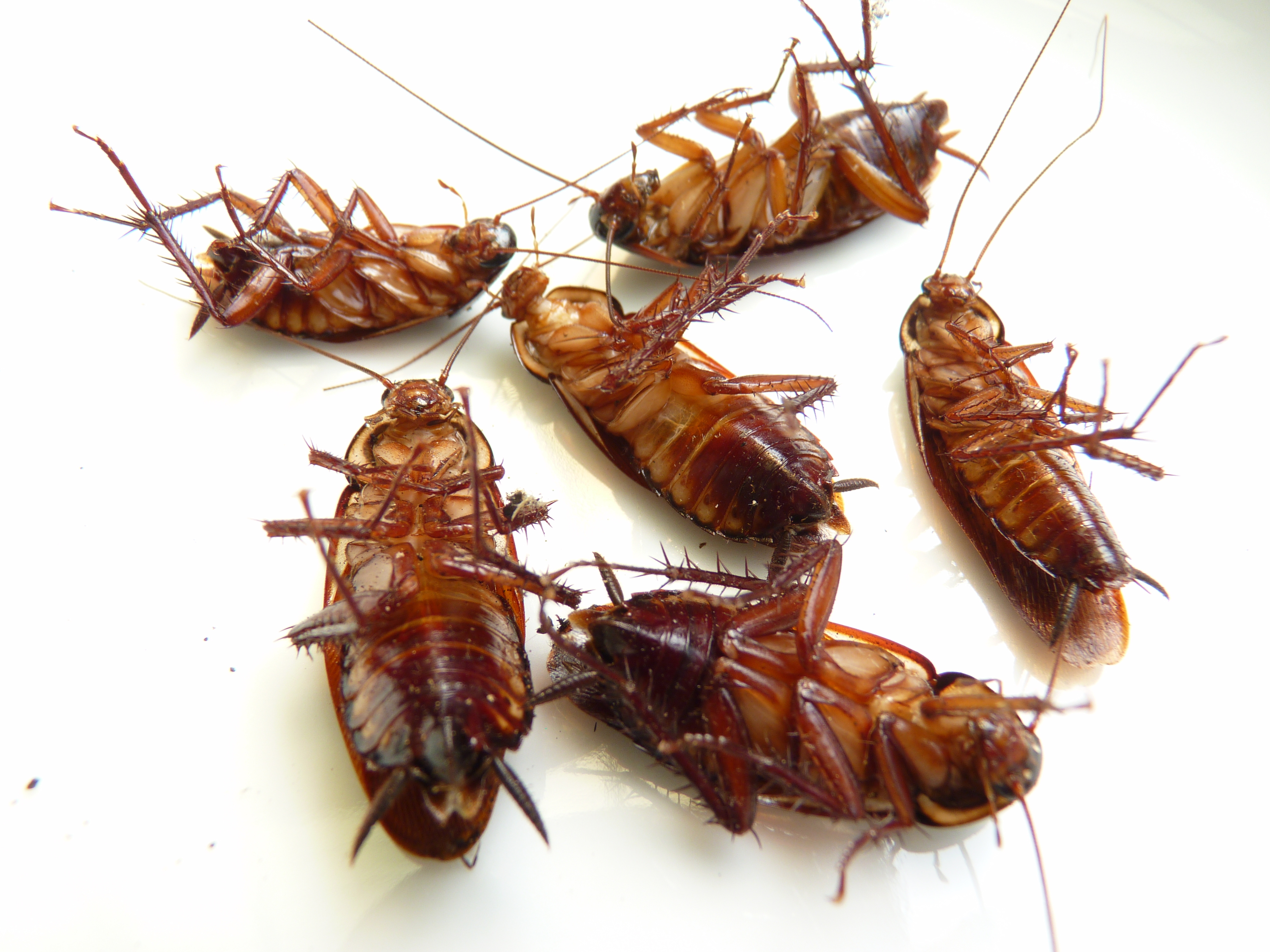
Crack-and-Crevice Treatment
- Gel bait and dust placed in cracks, hinges and voids
- Behind the fridge, stove, dishwasher and under the sink
- Growth regulators that stop roaches from breeding
Cockroaches hide in tight spaces, so that's where the product goes — not across counters and floors. It keeps treatments out of reach and works better than spraying.
Service-day checklist for families with pets and kids
Tell us when you book
Let us know about every pet — dogs, cats, birds, fish, reptiles, rabbits — plus babies, toddlers, anyone pregnant and anyone with asthma or allergies. We plan the treatment around them.
Before we arrive
Pick up pet bowls, toys, chew bones, litter boxes and kids' toys from the floor. Put pets in a closed room, a crate or outside away from the work area.
During the treatment
Keep pets and kids out of the rooms or yard areas being treated. Ask the technician what they're using, where, and how long to stay out.
After we leave
Keep everyone off treated surfaces until they're fully dry — your technician will tell you how long based on the product and weather. Don't move bait stations, and call us if a pet gets into anything.
Extra precautions by type of pet
Different animals need different care. Here's what we recommend:
| Pet | Main concern | What to do |
|---|---|---|
| Dogs | Lick floors, eat things they find, dig in treated soil | Crate or confine during treatment; keep off treated areas until dry; never leave loose bait where they can reach |
| Cats | Groom treated residue off their fur; walk on counters and shelves | Keep them in a closed room until surfaces dry; tell us about high perches and window sills |
| Birds | Very sensitive to anything in the air | Move cages to another room or out of the house, and keep them away from treated rooms until we say it's clear |
| Fish | Sprays and dusts in the water | Cover tanks and turn off air pumps during treatment; keep the cover on until the room is aired out |
| Reptiles, rabbits and small pets | Enclosures on the floor; sensitive to products | Move enclosures away from treatment areas and cover them; tell the technician where they are |
Dog and cat flea products are a separate topic — always ask your vet. Never put a dog flea product on a cat.
Which pests need extra care around pets?
Mice and rats
Rodent bait is the biggest worry for pet owners. It should only ever be in locked, tamper-resistant stations — never loose in a basement or garage. Sealing gaps is the long-term fix: see rodent proofing.
Ants
Outdoor ant granules and store-bought bait traps are easy for dogs to find. Gel placed in cracks and enclosed stations are a better fit in pet homes.
Mosquitoes and ticks
Yard treatments go on shrubs and lawn edges where dogs sniff and roll. Keep pets inside until it dries, or ask about our organic yard treatment.
Wasps and hornets
Dogs often find ground nests by stepping on them. Leave nests to a professional and keep pets away while we work and until the area is clear.
Questions to ask any pest control company
Whoever you hire, a good company will answer these without hesitation:
- Are you licensed in New Jersey? Ask for the license number. Ours is 90568B.
- What product will you use, and can I see the label? You're entitled to know what's going into your home. Ask for the label or Safety Data Sheet if you want details for your vet or doctor.
- Where exactly will you apply it? Cracks, voids and stations are lower exposure than open floors and baseboards.
- How long do pets and kids need to stay off treated areas? The answer should be specific to the product and the area.
- Will you use bait stations, and are they tamper-resistant? Especially important for rodent work.
- Is there a non-chemical or lower-impact option? Sealing entry points, traps, vacuuming, and botanical yard products can sometimes replace or reduce pesticide use.
- What should I do if my pet gets into something? They should tell you what was used so your vet can act quickly.
If you think a pet ate bait or got into a product, call your vet or an animal poison control hotline right away and have the product name ready. For a child, call Poison Control or 911.
“Pet-safe ant killer” and other DIY products
A lot of people search for a pet-safe ant killer or a pet-safe roach spray before they call anyone. A few honest points:
- “Natural” doesn't mean harmless. Common DIY ant baits made with borax or boric acid, and some essential oils, can make pets sick if they eat enough or lick it off their fur.
- Enclosed bait stations are better than loose bait. If you use store products, choose closed stations and put them where pets can't reach — behind appliances, inside cabinets with child locks.
- Foggers and “bug bombs” are a poor choice in pet homes. They coat every surface in the room and rarely reach the pests hiding in walls.
- Read the whole label, including the parts about pets, children and how long to stay out.
- Don't mix products. Several DIY treatments on top of each other raise exposure and can scatter pests like ants and roaches into new areas.
If DIY isn't working after a couple of weeks, a professional treatment is often both more effective and lower exposure, because the product goes exactly where the pests live.
Related pest help for pet owners
Get a Pet-Friendly Pest Control Quote
Tell us what pests you're seeing and who lives in the house — dogs, cats, birds, fish, kids — and we'll plan the treatment around them.
Why pet owners and parents call us
- Mice in the house and a dog who eats everything
- Ants in the kitchen with a toddler crawling on the floor
- Fleas on the cat and bites around the ankles
- Ticks in the yard where the kids play
- Want to know exactly what's being used before treatment
Request Service
🔒 Your info stays private · Hablamos español.
Pet-Safe Pest Control FAQ
Is pest control safe for dogs?
It can be very low risk when products are used by the label, placed where dogs can't reach them, and dogs stay off treated areas until dry. No honest company can promise any pesticide is 100% safe.
How long should pets stay away after pest control?
Until treated surfaces are completely dry, and longer for some products. Your technician should give you a specific time for your treatment.
Is pest control safe for babies and toddlers?
Keep young children out of treated areas until they're dry, and pick up toys and pacifiers beforehand. Targeted baits in cracks and locked stations keep products out of reach.
What is the safest pest control for homes with pets?
Targeted methods: tamper-resistant bait stations, gel baits in cracks, crack-and-crevice treatment, traps and sealing entry points. They put product where pests live instead of where pets walk.
Is there a pet-safe ant killer?
No ant killer is completely harmless to pets, but enclosed bait stations placed out of reach and gel in cracks are much lower risk than loose granules or sprays.
Are rodent bait stations safe around dogs?
Tamper-resistant stations are designed so dogs and children can't reach the bait, and they should be secured in place. In pet homes we often use traps inside stations and focus on sealing entry points.
Is organic pest control safer for pets?
Botanical products break down quickly and are a lower-impact option, but they're still pest control products. Pets should still stay off treated areas until they're dry.
What should I do if my dog eats bait or gets into a treatment?
Call your vet or an animal poison control hotline right away and have the product name ready. Ask your pest control company exactly what was used.
Should I tell the exterminator about my pets?
Yes — every pet, including birds, fish and reptiles. Birds and fish are especially sensitive and need extra steps.
Do you offer pet-safe pest control near me in North Jersey?
Yes. We're based in Garfield and serve Bergen, Passaic and Essex counties, and we plan every treatment around the pets and kids in the house.
¿Es seguro el control de plagas para mascotas y niños?
Con productos bien colocados y siguiendo la etiqueta, el riesgo es muy bajo, pero nadie puede prometer un 100% de seguridad. Hablamos español — llame al 973-510-2585.
Pet-friendly pest control near you
Based in Garfield, we serve families in these towns and across Bergen, Passaic and Essex counties.
Updated October 2026 by the Silver Bullet Pest Control team, Garfield, NJ • NJ License 90568B