
 Silver Bullet Pest Control
How to Keep Mice Out of Your Garage (and Out of Your House)
Droppings on the shelf, chewed bags of grass seed, a nest in the lawn mower? The garage is the easiest way into most North Jersey homes for mice. Here's how they get in, what draws them, and the steps that actually keep them out, plus when it's time to call a professional.
4.9 stars on Google • NJ License 90568B • 15+ years • Based in Garfield • Hablamos español
Found droppings and not sure if it's mice or rats? Text a photo to 973-510-2585.
- ✓ Same-day appointments often available
- ✓ Licensed & insured in NJ
- ✓ Homes & businesses
- ✓ English & Español
How do I keep mice out of my garage?
To keep mice out of your garage, seal the gaps they use to get in, especially the bottom and sides of the garage door, cracks where the wall meets the slab, and holes around pipes and wires, and remove what draws them, like birdseed, pet food, grass seed and cardboard boxes. Mice fit through gaps about the size of a dime, so a worn door seal alone is enough to let them in. Traps help with mice already inside, but sealing is what stops new ones.
Why mice love garages
A garage gives mice the three things they look for, often all in one corner:
A way in
- Worn rubber seal at the bottom of the door
- Daylight at the door's side tracks
- Gaps where the slab meets the wall
Garage doors move, settle and get bumped, and the rubber seal wears out long before most people notice. Many attached garages also have a door into the house that isn't sealed as tightly as an exterior door, so the garage becomes the first step indoors.

Something to eat
- Birdseed and grass seed in paper bags
- Pet food and kibble
- Recycling with food residue
A single bag of birdseed feeds a family of mice for weeks. Garages are where most homes store the exact foods mice like best, usually in thin bags they can chew through in minutes.
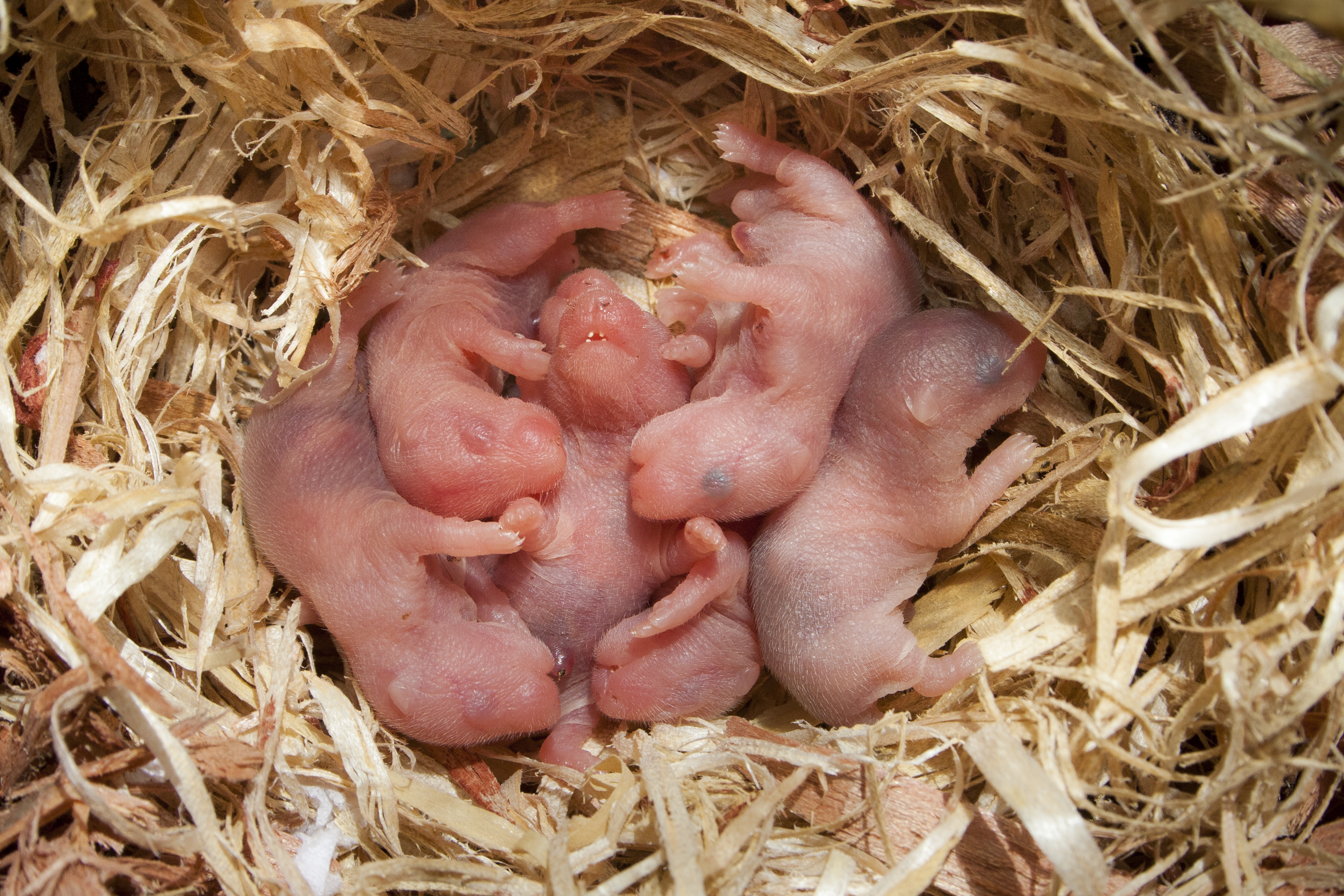
Somewhere to nest
- Cardboard boxes against the walls
- Stacked tires, tarps and old furniture
- Insulation in walls or the ceiling
Clutter along the walls gives mice cover to move around and soft material to shred for nests. A quiet, rarely disturbed corner can hold a nest for months before anyone sees it.
Where mice get into a garage, and how to fix each spot
| Entry point | What to look for | Good fix |
|---|---|---|
| Bottom of the garage door | Light under the closed door, cracked or flattened rubber | Replace the bottom seal; add a threshold seal if the slab is uneven |
| Sides and top of the door | Daylight along the tracks or header | Weatherstripping or brush seals along the jambs and top |
| Wall-to-slab joint | Gaps or crumbling where the wall meets the floor | Seal with a durable sealant or patching material; add metal where gnawing is likely |
| Pipes, wires and vents | Holes around a hose bib, dryer vent, gas or electric line | Pack with copper or stainless mesh, then seal; screen vents properly |
| Door into the house | Light around the edges, no sweep on the bottom | Door sweep and weatherstripping; treat it like an exterior door |
| Side or back door | Worn sweep, gaps at the frame | New sweep and frame seals |
| Ceiling and attic access | Droppings on shelves, gaps around the attic hatch | Seal the hatch; check where the garage roof meets the house |
Mice can squeeze through openings about the size of a dime. If a pencil fits in a gap, assume a young mouse can too. For homes where the problem goes beyond the garage, see our mice and rat service.
How to keep mice out of your garage, step by step
Do the daylight test
On a sunny day, close the garage door, turn off the lights and look for any light coming in around the door, tracks, side door, pipes and the wall-to-floor line. Mark every spot.
Replace worn door seals
Swap the bottom rubber seal and add weatherstripping or brush seals along the sides and top. This one fix stops a lot of garage mice.
Seal small holes with metal first
Pack holes around pipes and wires with copper or stainless steel mesh, then seal over it. Plain foam and caulk alone get chewed through.
Seal the door into the house
Add a sweep and weatherstripping so a mouse in the garage can't walk into the kitchen or basement.
Clear the walls
Get boxes, tarps and stacked items off the floor and away from the walls, ideally onto metal shelving, so you can see and clean along the edges.
Trap what's already inside
Set snap traps along the walls, set perpendicular to the wall with the trigger end toward it, where droppings are. Check them daily and keep them away from kids and pets.
Sealing comes first. Trapping without sealing just makes room for the next mouse.
Storage changes that make your garage less inviting
Seal the food
Birdseed, grass seed, pet food and charcoal-briquette bags all go into hard plastic or metal bins with tight lids.
Lose the cardboard
Cardboard is both food and nesting material. Switch to plastic bins and break down boxes for recycling.
Rinse the recycling
Cans and containers with food residue attract mice. Rinse them, and keep trash in lidded cans.
Lift it up
Shelving that keeps items off the floor removes hiding places and makes droppings easy to spot.
A clean, uncluttered garage won't stop mice that can still get in, but it gives them far less reason to stay.
Mice in your car: why the garage matters
A mouse in the garage often ends up in the car. Engine compartments are warm after a drive, sheltered and full of soft material, and mice and rats are known to chew vehicle wiring and build nests in air filter boxes and cabin air intakes. A car that sits for days or weeks at a time, like a second car or a classic stored for winter, is at the most risk.
Signs a mouse has been in your car:
- Droppings or shredded material under the hood, on top of the engine or in the air filter housing
- A musty smell from the vents when you turn on the fan
- Chewed wire insulation, or dashboard warning lights that come on for no clear reason
- Acorns, seeds or pet food stashed in the engine bay or trunk
To protect the car: keep the hood area free of nesting material, don't store food in the car or near it, drive stored cars when you can, and focus on sealing the garage itself. If you find chewed wires, have a mechanic check the car before driving it.
Do mouse repellents work in a garage?
| Method | Does it work? | The catch |
|---|---|---|
| Peppermint oil | Not reliably | Strong smell fades within days; mice get used to it |
| Dryer sheets or Irish Spring soap | Not reliably | No lasting effect once mice find food and shelter; see does Irish Spring keep mice away |
| Ultrasonic plug-ins | Short term at best | Sound doesn't pass through boxes or walls; mice adapt |
| Poison bait loose in the garage | Kills mice but risky | Danger to pets and kids; mice can die in walls and smell |
| Snap traps placed right | Yes, for mice already inside | Need to be checked and moved to where activity is |
| Sealing entry points | Yes, the real fix | Takes time to find every gap |
Repellents are tempting because they're easy. Sealing is harder, but it's the only thing that keeps working.
Cleaning up mouse droppings in the garage safely
Mouse droppings and urine can carry germs, so don't sweep or vacuum them up dry. That can stir particles into the air. Instead:
- Air out the garage by opening the door for a while before you start.
- Wear rubber or disposable gloves.
- Spray the droppings and nesting material with a disinfectant or a bleach-and-water mix until wet, and let it soak for several minutes.
- Wipe up with paper towels and put everything in a sealed plastic bag in the outdoor trash.
- Disinfect the area and any items mice touched, then wash your hands well.
Heavy contamination, such as large amounts of droppings or nesting in insulation, is a bigger job. We handle cleanup and insulation removal and replacement in attics; ask us if your garage ceiling or walls need the same.
Seeing large droppings, about the size of a raisin or bigger? That's more likely rats than mice. Call or text 973-510-2585, since rats need a different plan.
When to call a professional for garage mice
They keep coming back
You've trapped and sealed and still find fresh droppings every week. There's a gap you haven't found yet.
They're in the house too
Droppings in the kitchen, basement or attic mean the garage is just one of the ways in.
It might be rats
Bigger droppings, burrows along the foundation or gnawed holes in the door or wall.
Damage is showing
Chewed wiring in the car or garage, or nests in wall insulation.
We find how mice are getting in, seal the gaps, trap the ones inside and follow up. Mouse service includes 90 days of coverage with unlimited free service calls in that time. See rodent proofing and exclusion.
Get a Free Quote to Mouse-Proof Your Garage
Tell us what you're finding and where, and send a photo of the droppings if you can. We'll tell you what you're dealing with and how we'd seal it.
Why homeowners call us about garage mice
- Droppings on garage shelves or the floor
- Chewed seed, pet food or recycling bags
- A nest in the mower, grill or car
- Mice getting from the garage into the house
- Trapping for weeks with no end in sight
Request Service
🔒 Your info stays private · Hablamos español.
Garage Mouse Questions
How are mice getting into my garage?
Most often under or beside the garage door, where the rubber seal is worn or the slab is uneven. Other common ways in are gaps where the wall meets the floor, holes around pipes and wires, and a side door with no sweep. Do a daylight test with the door closed to find them.
What smell keeps mice out of a garage?
No smell keeps mice out for long. Peppermint oil, dryer sheets and soap have a short effect at best, and mice ignore them once they find food and shelter. Sealing entry points and removing food sources is what actually keeps them out.
Will a new garage door seal keep mice out?
It's often the single biggest fix, because the bottom seal is the most common way in. It won't help if mice are also using gaps at the sides, the wall-to-slab joint or around pipes, so check those too and seal them with mesh and sealant.
Can mice get from the garage into my house?
Yes. In an attached garage, mice often travel through gaps around the door into the house, along pipes and wires, or up into the walls and attic. Seal the door into the house as carefully as an exterior door, with a sweep and weatherstripping.
Is it bad to have mice in the garage?
Yes. They contaminate stored items with droppings and urine, chew wiring in cars and equipment, ruin stored seed and pet food, and often move into the house next. A few mice also become many quickly, so it's best to act early.
How do I get rid of mice in my garage fast?
Set snap traps along the walls where you see droppings and check them daily, while sealing the gaps they're using at the same time. Remove food sources like seed and pet food. If you're still finding fresh droppings after a couple of weeks, call a professional to find the entry you missed.
Do mice live in garages in winter?
Yes. Mice come indoors in fall as nights get cold, and a garage gives them shelter and often food all winter. That's why fall is the best time to replace door seals and clear clutter before they move in.
Should I use poison in my garage?
We don't recommend loose poison in a garage. Pets and children can get to it, and poisoned mice often die inside walls where they smell. Traps placed where kids and pets can't reach and sealing entry points are safer and more effective for most homes.
How do I know if it's mice or rats in my garage?
Mouse droppings are small and pointed, like grains of rice. Rat droppings are much larger, about the size of a raisin or bigger, with blunt ends. Rats also leave burrows along the foundation and larger gnaw holes. Text us a photo next to a coin if you're not sure.
Do you mouse-proof garages?
Yes. We inspect the garage and the rest of the house, seal entry points, set traps for the mice already inside and follow up. Mouse service includes 90 days of coverage with unlimited free service calls. We're based in Garfield and serve Bergen, Passaic, Essex and Hudson counties.
¿Cómo evito que entren ratones al garaje?
Selle los espacios en la puerta del garaje, entre la pared y el piso y alrededor de tubos y cables, y guarde comida y semillas en recipientes cerrados. Para ayuda, llame o mande texto al 973-510-2585.
Mouse control near you
Rodent pages for some of the North Jersey towns we serve from Garfield:
Our service area
Bergen County
973-510-2585- Allendale
- Bergenfield
- Bogota
- Carlstadt
- Cliffside Park
- Closter
- Cresskill
- Demarest
- Dumont
- East Rutherford
- Edgewater
- Elmwood Park
- Emerson
- Englewood
- Englewood Cliffs
- Fair Lawn
- Fairview
- Fort Lee
- Franklin Lakes
- Garfield
- Glen Rock
- Hackensack
- Harrington Park
- Hasbrouck Heights
- Haworth
- Hillsdale
- Ho-Ho-Kus
- Leonia
- Little Ferry
- Lodi
- Lyndhurst
- Mahwah
- Maywood
- Midland Park
- Montvale
- Moonachie
- New Milford
- North Arlington
- Northvale
- Norwood
- Oakland
- Old Tappan
- Oradell
- Palisades Park
- Paramus
- Park Ridge
- Ramsey
- Ridgefield
- Ridgefield Park
- Ridgewood
- River Edge
- River Vale
- Rochelle Park
- Rutherford
- Saddle Brook
- Saddle River
- South Hackensack
- Teaneck
- Tenafly
- Teterboro
- Upper Saddle River
- Waldwick
- Wallington
- Washington Township
- Westwood
- Woodcliff Lake
- Wood-Ridge
- Wyckoff
Passaic County
973-510-2585- Bloomingdale
- Clifton
- Haledon
- Hawthorne
- Little Falls
- North Haledon
- Passaic
- Paterson
- Pompton Lakes
- Prospect Park
- Ringwood
- Totowa
- Wanaque
- Wayne
- West Milford
- Woodland Park
Essex County
973-510-2585- Belleville
- Bloomfield
- Caldwell
- Cedar Grove
- East Orange
- Essex Fells
- Fairfield
- Glen Ridge
- Irvington
- Livingston
- Maplewood
- Millburn
- Montclair
- Newark
- North Caldwell
- Nutley
- Orange
- Roseland
- Short Hills
- South Orange
- Verona
- West Caldwell
- West Orange
Hudson County
973-510-2585Union County
973-510-2585- Berkeley Heights
- Clark
- Cranford
- Elizabeth
- Fanwood
- Garwood
- Hillside
- Kenilworth
- Linden
- Mountainside
- New Providence
- Plainfield
- Rahway
- Roselle
- Roselle Park
- Scotch Plains
- Springfield
- Summit
- Union
- Westfield
Morris County
973-510-2585- Boonton
- Butler
- Cedar Knolls
- Chatham
- Denville
- Dover
- East Hanover
- Florham Park
- Hanover
- Kinnelon
- Lincoln Park
- Madison
- Mendham
- Montville
- Morris Plains
- Morristown
- Mountain Lakes
- Parsippany
- Pequannock
- Randolph
- Riverdale
- Rockaway
- Roxbury
- Whippany
Updated November 2026 by the Silver Bullet Pest Control team, Garfield, NJ • NJ License 90568B