Silver Bullet Pest Control logoSilver Bullet Pest Control
Mice in the Attic Β· North Jersey Homes

Mice in the Attic: Signs, Risks and How to Get Rid of Them

Light scratching over the bedroom ceiling at night, droppings on the attic floor, or flattened tunnels in the insulation? Those are classic signs of mice in the attic. Silver Bullet Pest Control finds how they're getting up there, removes them, seals the gaps and, when it's needed, cleans up or replaces the soiled insulation.

4.9 stars on Google β€’ NJ License 90568B β€’ 15+ years β€’ Based in Garfield β€’ Hablamos espaΓ±ol

Text a photo of what you found in the attic to 973-510-2585 β€” we'll tell you if it's mice, rats or squirrels.

How do you get rid of mice in the attic?

To get rid of mice in the attic, you have to remove the mice already living there and seal the gaps they use to climb up β€” usually through wall voids from the basement, utility lines, soffits and roof vents. Traps alone rarely end it, because new mice keep finding the same route. Silver Bullet Pest Control inspects the whole house, traps the mice, seals entry points with chew-proof materials, and can clean or replace insulation that's full of droppings. Mouse service includes 90 days of coverage with unlimited free service calls. Call or text 973-510-2585.

Signs of mice in the attic

Most people hear them before they see anything. Here's what to look for when you go up with a flashlight:

Mouse droppings compared with larger rat droppings
Droppings

Droppings on boards and insulation

  • Small, dark, pointed β€” about the size of a grain of rice
  • Piled along the eaves, near the hatch and along rafters
  • Fresh ones are soft and shiny; old ones are dry and crumbly

Lots of droppings in one spot usually means a nest is close by. Wet them first before cleaning β€” never sweep or vacuum them dry.

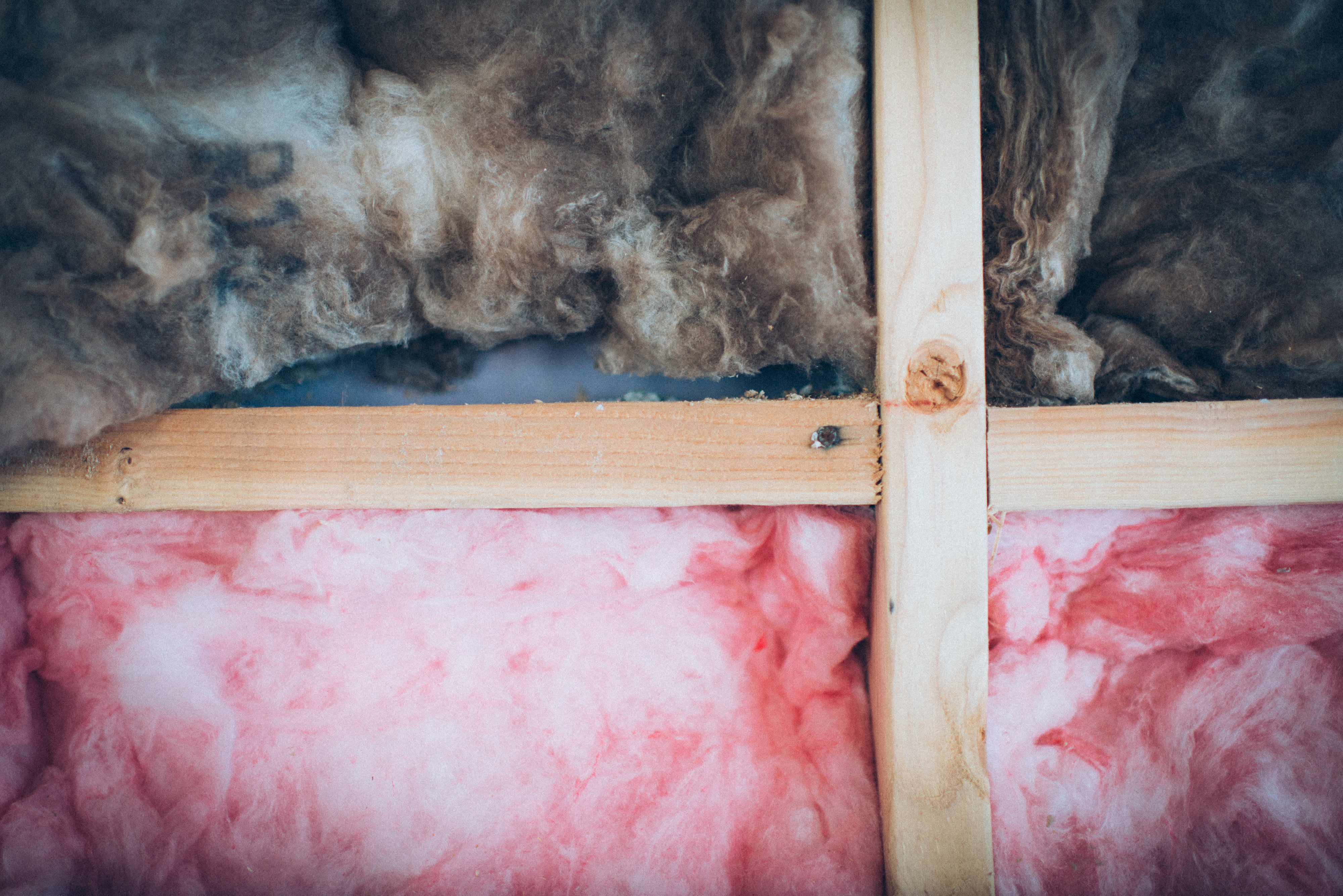
Attic insulation disturbed by rodents
Insulation

Tunnels and nests in the insulation

  • Flattened paths or tunnels across fiberglass or blown-in insulation
  • Shredded paper, fabric or insulation balled into a nest
  • A musty, sharp urine smell when the hatch opens

Mice love insulation because it's warm and easy to tunnel through. Badly soiled insulation often has to come out.

Rodent entry point with droppings near a gap
Entry points

Chew marks and gaps

  • Gnawed wood, wire coating or boxes stored in the attic
  • Dark grease rub marks along beams and openings
  • Gaps around pipes, wires, vents and the roofline

A mouse needs only a gap about the width of a pencil. Finding these openings is the most important part of the job.

Is it mice in the attic β€” or rats, squirrels or raccoons?

The sound and the timing tell you a lot before anyone climbs up:

ClueMiceRatsSquirrelsRaccoons
SoundLight, quick scratching and skitteringHeavier scratching, gnawing, thumpsRunning, rolling, scratchingHeavy walking, thumping, chattering
WhenNight, often right after dark and before dawnNightEarly morning and late afternoonNight
DroppingsRice-sized, pointedBigger, blunt, raisin-sized or largerLarger, rounded, often scatteredLarge, piled in one latrine spot
Way inTiny gaps, inside walls from belowGaps about the size of a quarter, roofline, wall voidsChewed holes at soffits, vents, roof edgesTorn vents, soffits, roof openings
Who handles itRodent control + sealingRodent control + sealingWildlife exclusionWildlife removal

Noises in the daytime usually point to squirrels, not mice. See our guide to attic noises from squirrels, rats and raccoons and signs of squirrels in the attic.

How mice get into the attic

People are often surprised that mice end up in the attic at all. Mice are excellent climbers, and the attic is usually the end of a route that started somewhere much lower:

  • Up through the walls. In many homes the wall cavities run from the basement or crawl space to the attic. Mice come in at the foundation, a garage door or a pipe gap, then climb straight up inside the wall.
  • Along pipes, wires and chimneys. Plumbing stacks, electrical runs and gaps around the chimney act like ladders.
  • At the roofline. Gaps where the soffit meets the fascia, loose gable or ridge vents, and openings where siding meets the roof. Mice climb brick, siding and downspouts easily.
  • From an attached garage. The wall or ceiling between the garage and the house is a common highway.

North Jersey has a lot of older homes β€” Cape Cods with knee-wall attics, two-families with shared walls, and houses with stone or block foundations that have settled over the years. Those homes have more gaps, and mice find them every fall when the nights turn cold. Our page on why mice love New Jersey homes goes into more detail.

Don't just block the hole you found. If mice are still inside, sealing one gap can trap them in the walls, where they die and smell, or push them down into the living space. Removal and sealing need to happen together.

Why mice in the attic are more than a noise problem

πŸ”Œ

Chewed wiring

Mice gnaw constantly to keep their teeth worn down. Chewed wire coating in an attic is a real concern.

🧱

Ruined insulation

Tunneling, nesting and urine flatten insulation and soak it. Wet, packed insulation doesn't keep the house warm.

🦠

Droppings and urine

Waste builds up over months and leaves a smell. Cleanup needs care β€” wet it down, wear gloves, no dry sweeping.

🏠

They spread down

An attic colony doesn't stay in the attic. Mice travel the walls into kitchens, bedrooms and closets.

Mice breed fast, so a few in October can be a much bigger problem by spring.

How we get rid of mice in the attic

1

Inspect the whole house

Attic, roofline, walls, basement, garage, utility lines and the outside foundation. We find the nests, the runways and every way in β€” not just the attic.

2

Remove the mice

Traps set along the routes mice actually travel in the attic and walls, placed where kids and pets can't reach them.

3

Seal the entry points

Gaps at the foundation, pipes, wires, vents, soffits and roofline closed with materials mice can't chew through.

4

Follow up and clean up

We come back to check activity. Mouse service includes 90 days of coverage with unlimited free service calls. If the insulation is soiled, we can clean it up or replace it.

More about our sealing work: entry point sealing and mouse and rat extermination.

Does attic insulation need to be replaced after mice?

Not always. If there are only a few droppings in one corner, careful spot cleanup may be enough. Replacement makes sense when:

  • Droppings and nesting material are spread across large areas.
  • The insulation is flattened, tunneled through or stained with urine.
  • There's a lasting odor in the attic or the rooms below.
  • Mice (or other animals) have lived up there for a long time.

We do this work ourselves: removal of the soiled insulation, HEPA cleanup and odor control, and new insulation once the attic is clean and the entry points are sealed. Doing it in that order matters β€” new insulation in an attic that isn't sealed just becomes a new nest. See attic insulation removal and replacement.

If you clean a small area yourself: open the attic to air it out first, wear gloves and a mask, spray droppings and nests with a disinfectant until wet, let it sit, then wipe up with paper towels and bag everything. Don't sweep or vacuum dry droppings β€” that puts dust in the air.

DIY vs. professional: what works for attic mice

MethodDoes it work in the attic?The catch
Snap trapsYes, for a few miceMust be set along runways and checked often β€” hard in a cramped or hot attic
Poison baitKills mice, but riskyMice often die inside walls or insulation and smell for weeks; loose bait is dangerous for kids and pets
Ultrasonic plug-insNot reallySound doesn't pass through insulation, and mice get used to it
Peppermint oil, dryer sheets, soapNoShort-lived smells don't move a nest
Steel wool in one holePartlyHelps for a while, but rusts, and there are usually many more gaps
Professional removal + exclusionYesCosts more up front, but it deals with the reason mice keep coming back

Trapping yourself? Our tips on the best mouse trap bait help. If you're still hearing them after a couple of weeks, the problem is the way in.

What affects the cost of attic mouse removal

We give a free quote after we've seen the house, because the price depends on what's really going on. The main things that change it:

  • How many ways in. A tight house with two or three gaps is a smaller job than an older home with gaps along the whole foundation and roofline.
  • Size and type of home. A single-family ranch versus a two-family or a house with several attic sections and knee walls.
  • How long they've been there. A few weeks of activity versus months of nests and droppings.
  • Insulation. Whether spot cleanup is enough or the attic needs insulation removal, HEPA cleanup and new insulation.
  • Access. A walk-up attic is easier than a small hatch over a closet or a low roof pitch.

Call or text 973-510-2585 with what you're hearing and a photo, and we'll explain the options.

Get a Free Quote for Mice in the Attic

Tell us what you're hearing, when, and what you've found up there. Send a photo if you can β€” we'll give you a free quote and explain the plan.

Why people call us about attic mice

  • Scratching over the ceiling at night
  • Droppings or nests in the insulation
  • Mice showing up in closets and kitchens too
  • Traps catch a few, but they keep coming
  • A smell in the attic or upstairs rooms
πŸ“ž Call 973-510-2585

Request Service

πŸ”’ Your info stays private Β· Hablamos espaΓ±ol.

What's bugging you? - Step 1 of 3

Mice in the Attic: Common Questions

How do I know if I have mice in my attic?

The most common signs are light scratching or skittering overhead at night, small pointed droppings on the attic floor or insulation, tunnels or nests in the insulation, and a musty urine smell. Text us a photo of the droppings next to a coin and we'll tell you what it is.

Will mice in the attic go away on their own?

No. An attic gives mice warmth, shelter and nesting material, so once they settle in they stay and breed. Even if the noise fades, they're usually still there or have moved into the walls. Removing them and sealing the entry points is the only lasting fix.

How do mice get into the attic?

Most climb up inside the walls from the basement, garage or crawl space, or follow pipes, wires and the chimney. Others get in at the roofline through soffit gaps and loose vents. A mouse can squeeze through a gap about the width of a pencil.

How long does it take to get rid of mice in the attic?

Most homes see a big drop in activity within the first week or two once traps are set and the gaps are sealed. Older homes with many entry points can take longer. Mouse service includes 90 days of coverage with unlimited free service calls, so we keep coming back until it's under control.

Is it mice or squirrels in my attic?

Timing is the best clue. Mice are active at night and sound light and quick. Squirrels are busy in the early morning and late afternoon and sound heavier, like running or rolling. Squirrel droppings are larger and rounder than mouse droppings.

Are mice in the attic dangerous?

They can be. Mice chew wiring, ruin insulation and leave droppings and urine that build up over time. The droppings need careful cleanup: wet them with disinfectant first and never sweep or vacuum them dry. They also tend to spread into the rest of the house.

Do I need to replace attic insulation after mice?

Only if it's badly soiled. A few droppings can be cleaned up, but insulation that is tunneled, flattened, stained with urine or smells usually needs to come out. We remove it, do HEPA cleanup and odor control, and install new insulation after the attic is sealed.

Should I use poison for mice in the attic?

We don't recommend it inside the house. Poisoned mice often die inside walls or deep in insulation, where they can't be reached and cause a strong smell for weeks. Loose bait is also a risk for kids and pets. Traps plus sealing is the safer approach indoors.

Can I just seal the holes myself?

You can seal gaps you find, but only after the mice inside are gone, or you may trap them in the walls. Most homes also have more openings than people find on their own. A professional inspection covers the foundation, utility lines and roofline together.

Do you handle mice in the attic in my town?

We're based in Garfield and serve Bergen, Passaic, Essex and Hudson counties, with same-day visits often available. Call or text 973-510-2585 to check your town. NJ License 90568B, 4.9 stars on Google.

ΒΏTienen servicio para ratones en el Γ‘tico?

SΓ­. Sacamos los ratones, sellamos las entradas y limpiamos o cambiamos el aislamiento si hace falta. Hablamos espaΓ±ol β€” llame o mande texto al 973-510-2585.
Attic mouse removal across North Jersey

From our base in Garfield we serve homes throughout Bergen, Passaic, Essex and Hudson counties.

Our service area

Union County

973-510-2585
  • Berkeley Heights
  • Clark
  • Cranford
  • Elizabeth
  • Fanwood
  • Garwood
  • Hillside
  • Kenilworth
  • Linden
  • Mountainside
  • New Providence
  • Plainfield
  • Rahway
  • Roselle
  • Roselle Park
  • Scotch Plains
  • Springfield
  • Summit
  • Union
  • Westfield

Morris County

973-510-2585
  • Boonton
  • Butler
  • Cedar Knolls
  • Chatham
  • Denville
  • Dover
  • East Hanover
  • Florham Park
  • Hanover
  • Kinnelon
  • Lincoln Park
  • Madison
  • Mendham
  • Montville
  • Morris Plains
  • Morristown
  • Mountain Lakes
  • Parsippany
  • Pequannock
  • Randolph
  • Riverdale
  • Rockaway
  • Roxbury
  • Whippany

Updated November 2026 by the Silver Bullet Pest Control team, Garfield, NJ β€’ NJ License 90568B

Scroll to Top