
 Silver Bullet Pest Control
Mice & Rats in New Jersey: Your Questions Answered
Scratching in the ceiling, droppings under the sink, a rat running along the fence? This is our plain-English guide to mice and rats in New Jersey homes and businesses: how to tell them apart, why they come in, what actually gets rid of them, what affects the cost, and when it's time to call a licensed exterminator.
4.9 stars on Google • NJ License 90568B • 15+ years • Based in Garfield • Hablamos español
Not sure what you've got? Text a photo of the droppings next to a coin to 973-510-2585.
- ✓ Same-day appointments often available
- ✓ Licensed & insured in NJ
- ✓ Homes & businesses
- ✓ English & Español
How do you get rid of mice and rats in New Jersey for good?
To get rid of mice and rats in New Jersey for good, you have to do two things: remove the rodents that are already inside, and seal the gaps they use to get in. Trapping alone usually fails because new mice keep arriving through the same openings, especially from October through March. Silver Bullet Pest Control does both, and mouse service includes 90 days of coverage with unlimited free service calls. NJ License 90568B. Call or text 973-510-2585.
Is it mice or rats? How to tell the difference
In North Jersey the two you'll meet are the house mouse and the Norway rat. They need different plans, so this is the first question to answer:
| Clue | House mouse | Norway rat |
|---|---|---|
| Size | Small and slim, about the length of your palm without the tail | Heavy-bodied, much bigger, with a thick scaly tail |
| Droppings | Rice-sized, pointed ends, scattered | Raisin-sized or bigger, blunt ends, often in groups |
| Where you hear them | Walls, ceilings, kitchen cabinets, attic | Basement, garage, crawl space, lower walls |
| Outdoor signs | Usually none | Burrows by the foundation, under decks, sheds and along fences |
| Gap they fit through | About the width of a pencil | About the width of a quarter |
| Behavior | Curious, travels a short range | Cautious, avoids new objects at first |
Still unsure? Text a clear photo of the droppings next to a coin to 973-510-2585 and we'll tell you.
What are the signs of mice or rats in the house?
Most people notice one of these first. Each one tells us something different about where the rodents are and how they get in:

Droppings
- Under the sink and behind the stove
- Along basement walls and in drawers
- Fresh ones are dark and soft
Droppings show where rodents travel and roughly how many there are. A few by the stove is a different job from droppings in every cabinet. Read our guide on whether one mouse means more.
Scratching in walls and ceilings
- Light scratching at night = usually mice
- Heavy thumping or rolling = rats or squirrels
- Noise near the roofline in daytime = often squirrels
Noises overhead aren't always mice. The timing and sound help sort it out. Our page on attic noises compares mice, rats, squirrels and raccoons.

Burrows, chewing and grease marks
- Holes along the foundation or under the deck
- Chewed bags of bird seed, pet food or grass seed
- Dark rub marks along walls and pipes
Rats usually live outside and come in to feed. Burrows near the house, chewed garage items or car wires mean the job starts outdoors. See our rat exterminator page.
Why do mice come in every fall in New Jersey?
Mice are with us all year, but most calls start when nights turn cold. Here is how rodent season usually goes in North Jersey:
- September to November: the big push. As temperatures drop, mice move from yards, gardens and fields toward warm buildings and slip in through gaps at the garage door, utility lines and foundation.
- December to March: mice that got in are now nesting and breeding inside walls, attics and basements. This is when noise in the ceiling peaks.
- Spring: outdoor food comes back, but indoor populations that weren't dealt with keep going. Spring is a good time to seal before the next fall.
- Summer: rats are most active outside — burrowing under decks and sheds, feeding on bird seed, fallen fruit, garbage and pet food. Heavy storms can flood burrows and push them toward houses.
Older North Jersey housing makes it easier for them: two-families with shared walls, stone and block foundations, detached garages, and decades of pipes and wires run through the outside walls. Our entry point sealing page shows the most common gaps.
Are mouse and rat droppings dangerous? How to clean up safely
Yes, they can be. Rodents contaminate food and surfaces with droppings and urine, and they can carry germs that make people sick. Clean up carefully, especially around kids and anyone with asthma.
Don't sweep or vacuum dry droppings. That puts dust in the air. Air out the area first, wear gloves, spray the droppings and nesting material with a disinfectant or a bleach-and-water mix, let it soak for a few minutes, then wipe it up with paper towels and throw it out in a sealed bag. Wash your hands afterward.
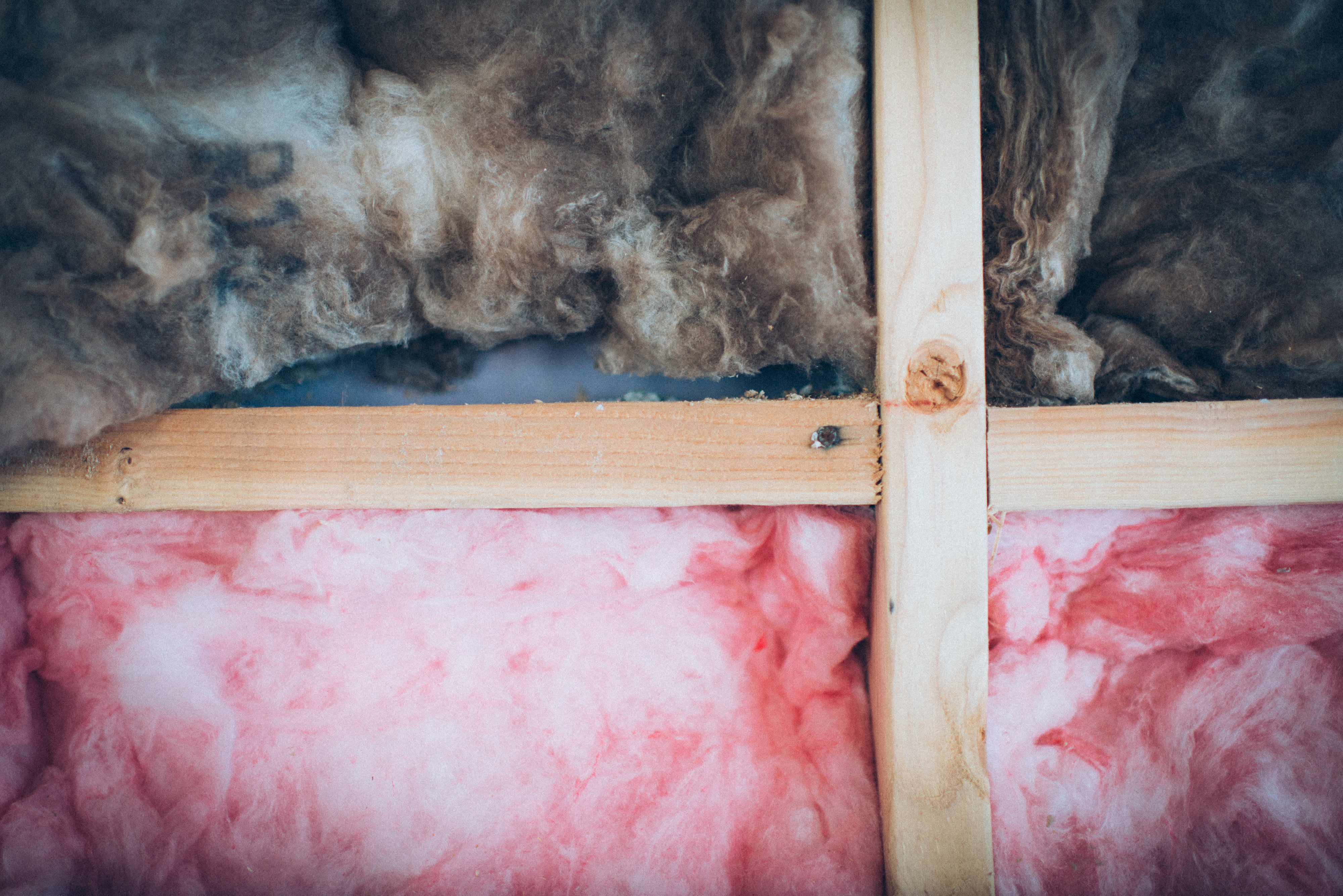
For heavy contamination — an attic full of droppings, soiled insulation, or a dead rodent smell in a wall — we do odor control and HEPA cleanup, and can remove and replace attic insulation. See damage repair and cleanup.
Can I get rid of mice myself? What works and what doesn't
Plenty of people try DIY first. Here's an honest look at the usual options:
| Method | Does it work? | The catch |
|---|---|---|
| Snap traps | Yes, for a mouse or two | Must be set flat against the wall where mice actually run, and checked daily |
| Glue boards | Sometimes | Inhumane, messy, and often catch pets or the wrong animal |
| Store-bought poison | Kills some | Rodents can die inside walls and smell for weeks; loose bait is a hazard for kids, pets and wildlife |
| Ultrasonic plug-ins | Not reliably | Rodents get used to the sound quickly, and it doesn't pass through walls or furniture |
| Peppermint, dryer sheets, Irish Spring | No | Smells don't stop a mouse looking for warmth and food |
| Steel wool in holes | Short term | Rusts and gets pushed out; fine as a stopgap, not a fix |
| Sealing gaps properly | Yes, the real fix | Finding every gap takes time, a ladder and the right materials |
Curious about the home remedies? We tested the question in does Irish Spring keep mice away and covered bait in the best mouse trap bait. If you've trapped for two or three weeks and still hear them, the problem is the way in, not the trap.
What does professional rodent control include?
Full inspection
Basement, garage, kitchen, attic, utility lines, foundation, roofline, deck and trash area. We look for droppings, rub marks, nests and every gap a mouse or rat can use.
Removal
Traps inside, placed where kids and pets can't reach them. Locked, tamper-resistant stations outside where they make sense. We tell you what goes where and why.
Sealing the entry points
Gaps around pipes, wires, vents, garage doors and foundation cracks are closed with materials rodents can't chew. This is what keeps them out next winter. More on rodent proofing and exclusion.
Follow-up
We come back to check activity and adjust. Mouse service includes 90 days of coverage with unlimited free service calls in that time.
For buildings that want ongoing protection, ask about our monthly and quarterly service. Regular service comes with a 100% satisfaction guarantee.
How much does mouse or rat control cost in NJ?
We don't post one flat price, because two rodent jobs are rarely the same size. Quotes are free and based on what we find. These are the things that change the price:
| What we look at | Usually a smaller job | Usually a bigger job |
|---|---|---|
| Which rodent | A few mice | Rats, or mice and rats together |
| How long it's been going on | Just noticed this week | Months of droppings, nests in insulation |
| Size and type of building | Single-family house | Two-family, apartment building, restaurant or warehouse |
| Entry points | A couple of small gaps | Many gaps, damaged vents, foundation and roofline openings |
| Outside conditions | Clean yard, closed trash | Burrows, wood piles, bird feeders, open dumpsters |
| Cleanup needed | None | Droppings in the attic, soiled insulation, odor |
Call or text 973-510-2585 with what you're seeing, where, and a photo if you can. Same-day visits are often available.
Renters, landlords and businesses
Renting? In a two-family or apartment building, mice move through shared walls, pipe chases and the basement, so one unit treated alone rarely solves it. Tell your landlord or super in writing, with photos and dates. Who pays depends on the building and the lease; rules can differ by town and building type, so check with your local code enforcement office or the NJ Department of Community Affairs. Our landlord and tenant guide explains the basics.
Own the building? Treating the whole building — basement, trash area and the units around the problem — costs less over time than chasing mice unit by unit. See our apartment building programs.
Run a restaurant, deli, store or warehouse? Rodents follow deliveries, food and dumpsters, and a health inspection is no time to find droppings. We schedule around your hours and keep a written record of every visit. Start with commercial pest control or restaurant pest control.
More answers about mice and rats
Get a Free Mouse or Rat Quote
Tell us what you're hearing or finding, where in the building, and how long it's been going on. Send a photo if you can. We'll give you a free quote and explain the plan.
Why New Jersey homes and businesses call us
- Scratching in the walls or ceiling at night
- Droppings in the kitchen, basement or garage
- Rats burrowing under the deck or shed
- Mice coming from the unit next door
- A restaurant or store with an inspection coming up
Request Service
🔒 Your info stays private · Hablamos español.
Mice & Rat Questions We Hear Most in New Jersey
How do I know if I have mice or rats?
Look at the droppings. Mouse droppings are small and pointed, about the size of a grain of rice; rat droppings are much bigger with blunt ends. Rats also leave burrows outside near the foundation, deck or shed, while mice usually leave no outdoor signs. If you're still unsure, text a photo next to a coin to 973-510-2585 and we'll identify it.
If I see one mouse, are there more?
Usually, yes. Mice breed quickly and travel in the same paths, so by the time you see one in the open there are often others in the walls or cabinets. One sighting doesn't always mean a big infestation, but it does mean there is a way in that needs to be found and sealed before more arrive.
How long does it take to get rid of mice?
Most homes see a big drop in activity within the first one to two weeks once traps are placed correctly and entry points are sealed. Larger problems, rats, or multi-family buildings can take longer. Our mouse service includes 90 days of coverage with unlimited free service calls, so we keep coming back until it's under control.
Why do I hear mice in the ceiling at night?
Mice are most active after dark, and they travel along the top of walls, through ceiling spaces and across attic insulation. Light, quick scratching at night usually means mice. Heavier noise at dawn and dusk near the roofline is more often squirrels, which need a different fix, so tell us when you hear it.
Is rodent control safe for kids and pets?
Yes, when it's done right. Inside the home we use traps placed where children and pets can't reach them, and outside we use locked, tamper-resistant stations only where they make sense. We'll explain what we place and where. The biggest safety problem we see is loose store-bought poison left out by homeowners.
Do I need to clean up after mice?
Yes. Droppings and nesting material should be cleaned up carefully: air out the area, wear gloves, wet everything with disinfectant first, then wipe it up and bag it. Don't sweep or vacuum dry droppings. For attics or crawl spaces with heavy contamination, we do HEPA cleanup, odor control and insulation replacement.
How much does an exterminator charge for mice in NJ?
It depends on the size of the problem, the type of building, how many entry points need sealing and whether cleanup is needed, so we give a free quote after seeing the property instead of a one-size price. Mouse service includes 90 days of coverage with unlimited free service calls. Call or text 973-510-2585 for a quote.
Will mice leave on their own?
Rarely. Once mice find warmth, food and water inside, they nest and breed there. They may go quiet for a while, but they usually come back the same way they came in. The only lasting fix is removing the ones inside and sealing the openings.
Do you handle rats in restaurants and warehouses?
Yes. We service restaurants, delis, stores, warehouses and apartment buildings, scheduled around your hours, with traps and monitors inside, locked stations outside, door and dock seals checked, and a written record of every visit. That record helps when a health inspector or auditor asks what you're doing about rodents.
What areas do you cover?
We're based in Garfield and serve Bergen, Passaic, Essex and Hudson counties. We also serve parts of Morris and Union counties, with visits scheduled ahead. Same-day visits are often available closer to Garfield, in towns like Clifton, Passaic, Lodi, Elmwood Park, Saddle Brook and Hackensack.
¿Hablan español?
Sí, hablamos español. Llame o mande un texto con una foto al 973-510-2585 y le explicamos el plan para sacar los ratones o las ratas de su casa o negocio.
Rat and mouse control across North Jersey
From our base in Garfield we cover these towns and many more in Bergen, Passaic, Essex and Hudson counties.
Updated November 2026 by the Silver Bullet Pest Control team, Garfield, NJ • NJ License 90568B