
 Silver Bullet Pest Control
Apartment Building & Apartment Complex Pest Control in NJ
In an apartment building, one unit's mice, roaches or bed bugs quickly become the whole building's problem. Silver Bullet Pest Control works with owners, supers and managers of apartment buildings, garden complexes and mixed-use buildings across Bergen, Passaic, Essex and Hudson counties. We treat the building as one system — basement, trash room, pipe chases, common areas and units — so the problem stops moving from door to door.
Featured on Telemundo 47 • EPA Pesticide Safety Certified • 4.9 Stars on Google • NJ License 90568B
Tell us how many units, the address and what tenants are reporting — we'll set up a walk-through.
- ✓ Same-day appointments often available
- ✓ Licensed & insured in NJ
- ✓ Homes & businesses
- ✓ English & Español
How do you get rid of pests in an apartment building?
You get rid of pests in an apartment building by treating the whole building, not just the unit that complained: inspect the basement, trash areas, pipe chases and common halls, treat and seal the paths pests use between units, check the units next to, above and below the problem, and keep visiting on a schedule until activity stops. Silver Bullet Pest Control sets up building programs like this across North Jersey (NJ License 90568B). Call or text 973-510-2585 to schedule a walk-through.
Why apartment buildings keep getting pests
Single-family homes get pests too, but multi-unit buildings have three problems a house doesn't:
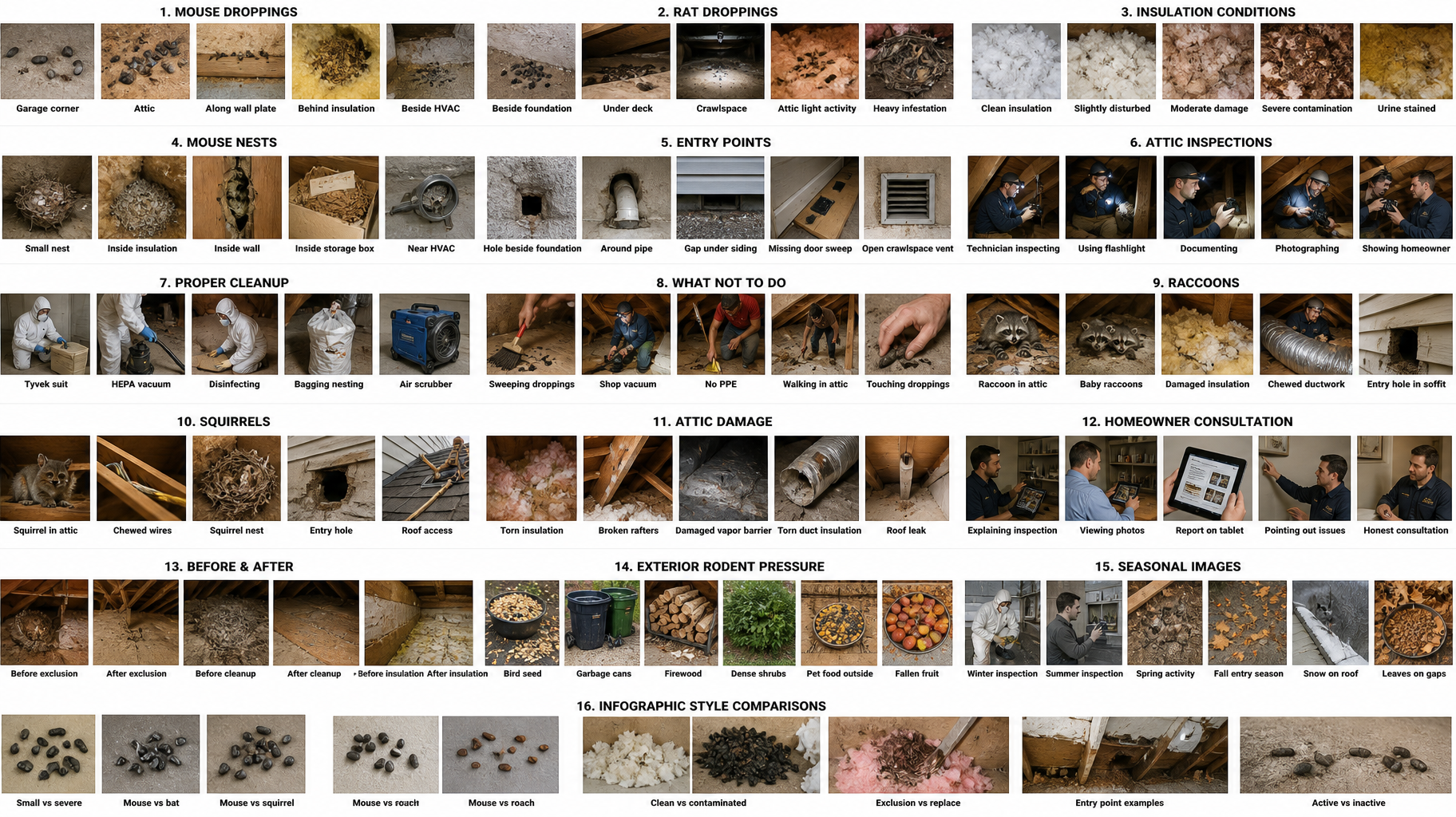
Pests Travel Unit to Unit
- Mice running inside walls and ceilings
- Roaches showing up in the apartment next door after a treatment
- The same complaint coming back from the same stack
Units share walls, floors, pipe chases and electrical runs. Treat one kitchen and the roaches or mice simply move next door — then come back. The fix is treating the connected units and sealing the gaps around pipes and wires.
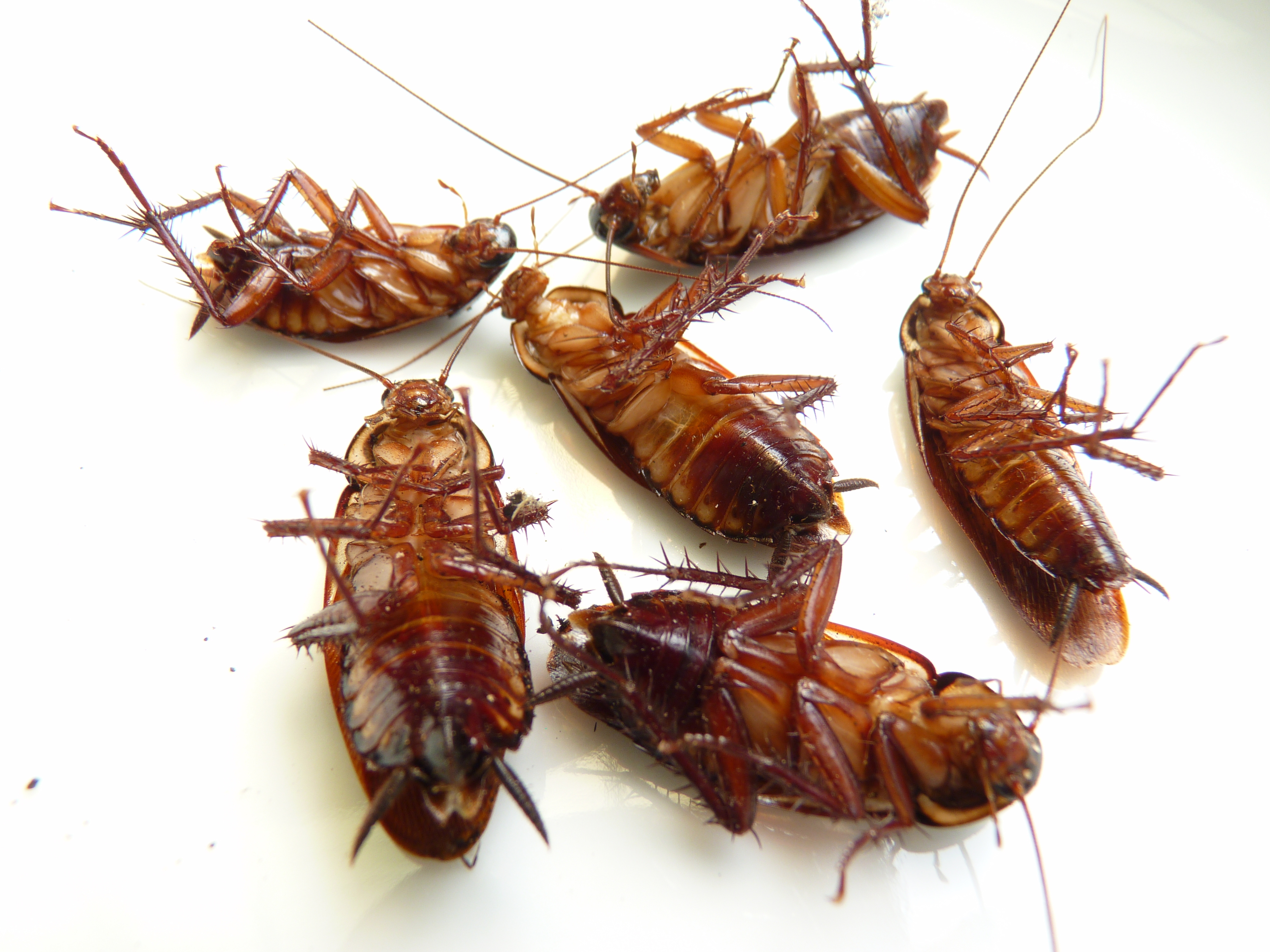
Lots of Food, Water & Trash
- Roaches in kitchens and bathrooms
- Grease build-up behind stoves
- Overflowing trash rooms or compactor chutes
Dozens of kitchens, a shared trash room and a dumpster area give German roaches and mice a steady food supply. Building-wide roach work focuses on kitchens, bathrooms, trash rooms and the chutes between floors.
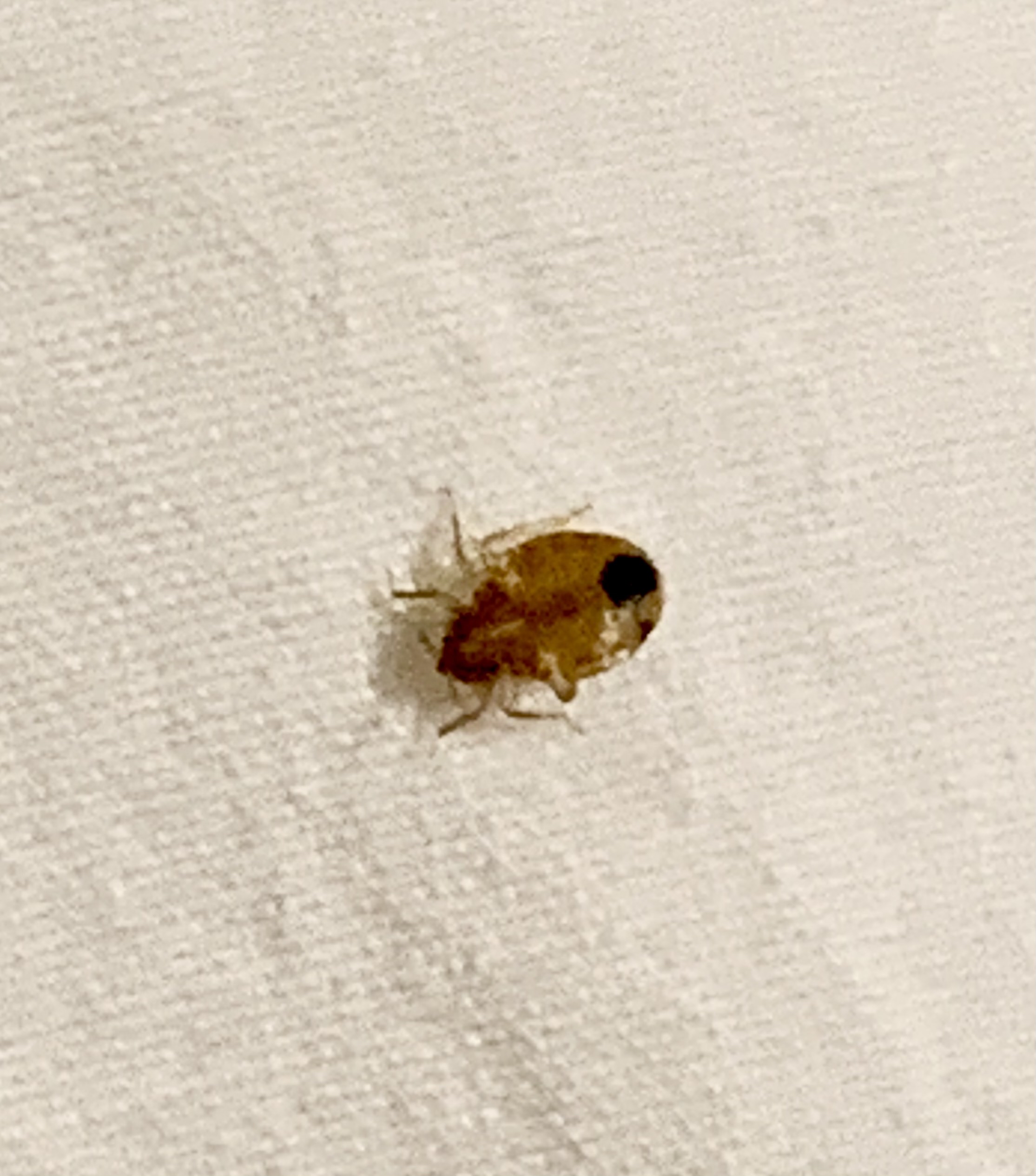
Pests Arrive With People
- Bed bug reports after a new tenant moves in
- Used furniture left in hallways
- Several complaints in units on the same floor
Every move-in brings boxes and furniture, and bed bugs ride along. Because tenants come and go, a building needs a plan for quick inspection of the reported unit and the units around it.
Which pests show up where in a building
Pests in apartment buildings tend to stick to the same areas. Here's what we check first:
| Area of the building | Pests we see most | What we look for |
|---|---|---|
| Basement & boiler room | Mice, rats, spider crickets, roaches | Gaps around pipes and utility lines, clutter, damp corners, droppings |
| Trash room, compactor & dumpsters | Rats, mice, roaches, flies | Spilled garbage, broken lids, burrows near the pad, gaps under doors |
| Kitchens & bathrooms | German roaches, mice, drain flies | Behind stoves and fridges, under sinks, gaps around plumbing |
| Bedrooms & living rooms | Bed bugs, mice | Mattress seams, bed frames, couches, outlets, baseboards |
| Halls, laundry & storage | Mice, roaches, spiders | Baseboards, closets, storage cages, dryer vents |
| Roof line, attic & outside walls | Squirrels, raccoons, birds, stinging insects | Gaps at soffits and vents, nests by entrances and on balconies |
Older North Jersey apartment buildings — brick walk-ups, buildings with stores below, converted two- and three-family houses — often have open pipe chases and old foundations that let mice and roaches move freely. Newer garden complexes have more outdoor problems: rats around dumpster pads, stinging insects on balconies and wildlife on long roof lines.
How a whole-building pest program works
Walk-through of the building
A licensed technician inspects the basement, trash areas, common halls, laundry, outside and a sample of units, and notes how pests are getting in and moving around.
Written plan and free quote
You get a plan for your building: which areas get treated, how often we visit, how unit complaints are handled and what we need from tenants.
Treat, seal and monitor
We treat the problem units and their neighbors, seal gaps around pipes and wires, and place rodent stations in the basement, trash areas and outside.
Scheduled visits and reports
We come back on schedule, check stations and problem units, and tell you what we found — so you have a record if a tenant or inspector asks.
Unit turnovers, vacant units and move-outs
The best time to stop a pest problem is between tenants. An empty unit is easy to inspect and treat: no furniture to move, no one to work around, and every cabinet and closet is open.
- Move-out check. We look for roach activity, mouse droppings and signs of bed bugs before you paint and clean.
- Seal before you rent. Gaps under sinks, around radiator pipes and behind stoves get sealed while the unit is empty.
- Bed bug checks on turnover. If the last tenant reported bed bugs, the empty unit and the units around it are checked before the next person moves in.
- Vacant units stay on the plan. A unit that sits empty for months can quietly fill up with mice from the units around it.
Tell us your turnover schedule and we'll fit visits around your painters and cleaners.
Working with tenants — in English and Spanish
Prep sheets
Clear instructions for tenants before a visit: what to empty, what to bag, where pets go. We can explain them in English or Spanish.
Access to units
We work with your super or manager on notice and keys so visits happen on schedule and missed units get caught on the next pass.
Hablamos español
Many tenants in our area speak Spanish. Our team can talk with them directly about what they're seeing and what to do.
Follow-up
After treatment we tell you which units need another visit and where tenants need to help — cleaning, decluttering or reporting sooner.
Owner, manager or tenant: who handles pest control?
In New Jersey, who is responsible for pest control in a rental depends on the type of building, the lease and your town's housing code. In multi-unit buildings, owners are generally expected to keep common areas and the building itself free of pests, and a problem that spreads between units usually can't be solved by one tenant alone.
Rules can change and differ by building type and town, so check with your town's code enforcement office or the New Jersey Department of Community Affairs for the requirements that apply to your building. We don't give legal advice, but we can document what we find and what we did, which owners and managers find useful when questions come up.
For more on rentals, see our landlord-tenant pest control page.
Buildings we work with
Apartment buildings
Mid-rise and walk-up buildings with shared basements, trash rooms and halls.
Garden complexes
Several low buildings with outdoor dumpster pads, long roof lines and grounds.
Mixed-use buildings
Apartments over stores or restaurants — where pests from the business move upstairs.
Two- and three-family houses
Small rentals where the owner often lives in one unit and needs the others protected.
Related pages
Get a Free Quote for Your Building
Tell us the address, how many units and what tenants are reporting. We'll set up a walk-through and give you a written plan and a free quote.
Why owners and managers call us
- Roach complaints from several units on the same line
- Mice in the basement, walls and ceilings
- A bed bug report that needs fast inspection of nearby units
- Rats around the trash area or dumpsters
- Setting up scheduled service before problems start
Request Service
🔒 Your info stays private · Hablamos español.
Apartment Building Pest Control FAQ
Do you treat whole apartment buildings or just single units?
Both. For problems that move between units — roaches, mice, bed bugs — we treat the reported unit, the units around it and the common areas, because treating one unit alone usually doesn't last.
How often should an apartment building get pest control?
Most buildings do best with scheduled visits, often monthly or every other month, plus calls for new tenant complaints. We recommend a schedule after the walk-through, based on the building's size and what we find.
What pests are most common in North Jersey apartment buildings?
German roaches, mice and bed bugs inside, and rats around trash areas outside. Older buildings also get squirrels and birds at the roof line, and stinging insects on balconies in summer.
How do you handle bed bugs in an apartment building?
We inspect the reported unit first, then the units next to, above and below it, treat where we find activity and come back to check. Tenant prep and quick reporting make a big difference.
Can you treat units when tenants aren't home?
Often yes, if the building gives us access and tenants have been notified. We work out keys, notice and scheduling with your super or manager.
Do you help with unit turnovers?
Yes. Vacant units are the easiest time to inspect, treat and seal, so we can check units between tenants and fit visits around your painters and cleaners.
Who pays for pest control in an apartment building in NJ?
It depends on the building, the lease and your town's housing code. In multi-unit buildings owners usually handle common areas and building-wide problems; check with your town's code enforcement or the NJ Department of Community Affairs for the rules that apply.
Do you give reports after each visit?
Yes. We tell you what we found, what we treated and which units need follow-up, so you have a record for owners, tenants or inspectors.
Is your work guaranteed?
Regular service comes with our 100% satisfaction guarantee. Roach treatment carries a 90-day warranty, and mouse service includes 90 days of coverage with unlimited free service calls in that time.
¿Pueden hablar con los inquilinos en español?
Sí. Hablamos español y podemos explicarles a los inquilinos cómo prepararse para el servicio. Llame o mande texto al 973-510-2585.
Apartment building pest control across North Jersey
Based in Garfield, we serve apartment buildings and complexes in these towns and across Bergen, Passaic, Essex and Hudson counties.
Updated November 2026 by the Silver Bullet Pest Control team, Garfield, NJ • NJ License 90568B