
 Silver Bullet Pest Control
Who Pays for Pest Control in a New Jersey Rental: Landlord or Tenant?
Roaches in the kitchen, mice in the walls or bed bugs in the apartment — whose job is it to fix? This plain-English guide explains how responsibility for pest control generally works in New Jersey rentals, what tenants and landlords should each do, and where to turn if you disagree. Silver Bullet Pest Control works with tenants, landlords and property managers across North Jersey.
Featured on Telemundo 47 • EPA Pesticide Safety Certified • 5-Star Google Rated • NJ License 90568B
Property manager? Ask us about treating units, common areas and whole buildings.
- ✓ Same-day appointments often available
- ✓ Licensed & insured in NJ
- ✓ Homes & businesses
- ✓ English & Español
Is the landlord responsible for pest control in New Jersey?
In most New Jersey apartment buildings, yes — owners of multi-unit buildings are generally required under the state housing code to keep the building and its units free of insects and rodents, and to have infestations treated. In single-family rentals, who pays depends more on the lease and your town's rules, and a tenant can sometimes be held responsible if their own actions caused the problem. Tenants should report pests promptly and cooperate with preparation. Rules can change and vary by building type and town, so check with your town's code enforcement office or the New Jersey Department of Community Affairs, and talk to a lawyer about disputes. This page is general information, not legal advice.
The general rule: who is responsible for pest control in a NJ rental?
New Jersey has a state housing code for buildings with several apartments, and many towns have their own property maintenance codes on top of it. In general terms, those rules expect the owner of a multi-unit building to keep the building — the units and the shared spaces — free of rodents and insects, and to get infestations treated.
That makes sense when you think about how pests move. Roaches, mice and bed bugs travel through shared walls, pipe chases, hallways and basements. One tenant can't fix a building-wide problem from inside one apartment.
Tenants have responsibilities too. In general, a tenant is expected to keep the unit reasonably clean, report pests promptly, give access for inspections and treatment, and follow the preparation instructions. If a tenant refuses to prepare or keeps causing the problem, responsibility can shift.
Important: this is general information, not legal advice. Rules change, they differ by type of building and by town, and your lease matters. For your exact situation, check with your town's code enforcement office or the New Jersey Department of Community Affairs, and talk to a lawyer about any dispute.
How it usually works by type of rental
The type of building makes a big difference. This table shows the general picture — your lease and local rules can change it.
| Type of rental | Who usually handles pest control | Things that can change it |
|---|---|---|
| Apartment building (several units) | Generally the owner or property manager, under state housing rules | Clear evidence a tenant caused the problem or blocked treatment |
| Two-family or three-family house | Often the owner, especially for shared walls, basements and building-wide problems | Whether the owner lives there, local codes, the lease |
| Single-family house rental | Depends much more on the lease and your town's rules | Lease terms, how long the tenant has lived there, the cause of the problem |
| Condo unit rented out | Usually the unit owner, sometimes with the association for common areas | Association rules, the lease, where the problem started |
| Common areas (halls, basements, trash rooms) | The owner, manager or association | Rarely a tenant's responsibility |
If you're not sure how your building is classified, your town's code enforcement or housing office can usually tell you.
Responsibility often depends on the pest, too
Some pests clearly come from the building. Others can be carried in. Here are the three we see most in North Jersey rentals:
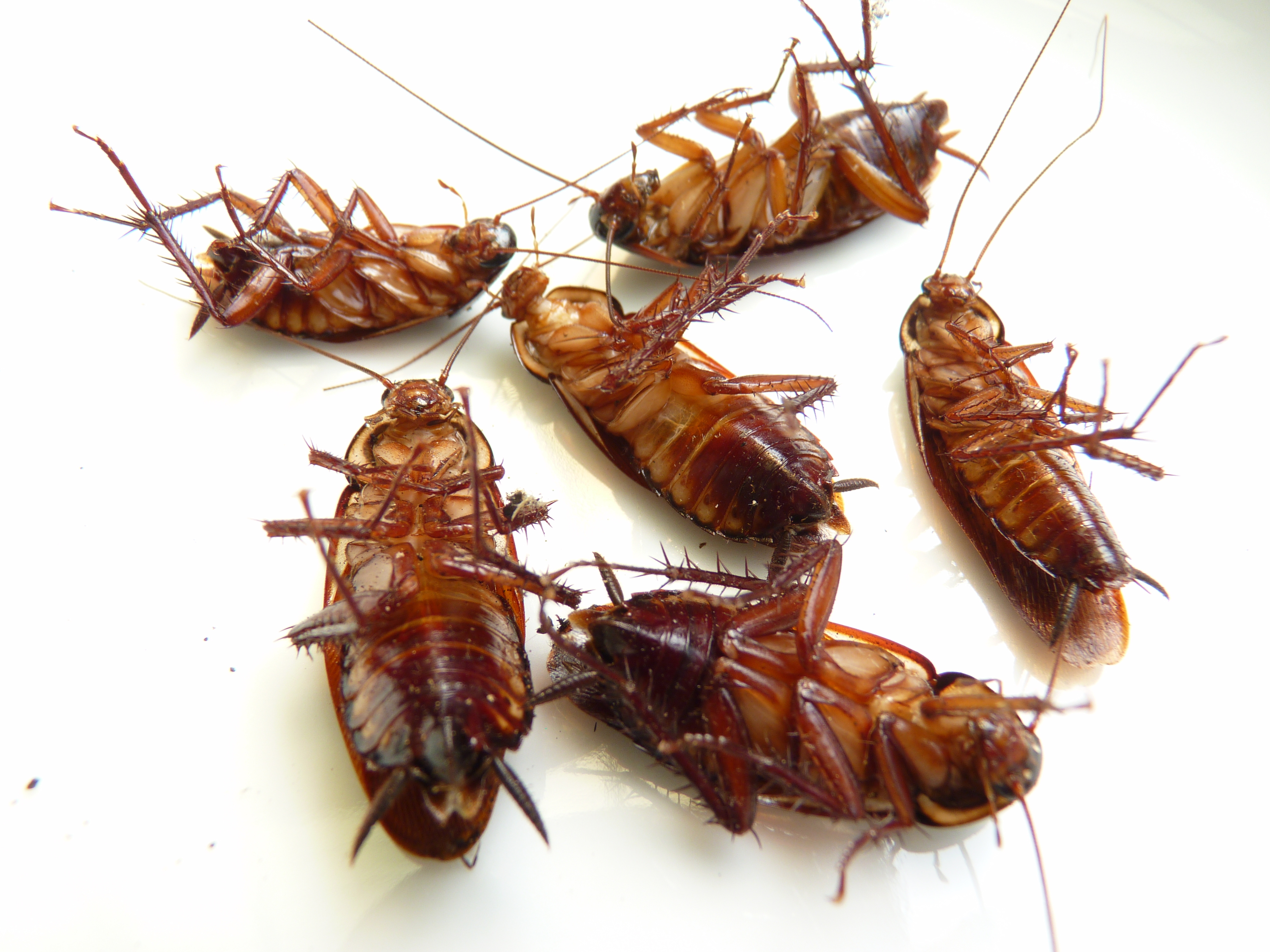
Cockroaches
- Common in multi-family buildings
- Travel between units through pipes and walls
- Usually need several units treated at once
German roaches spread through a building fast. Treating one kitchen while the units around it stay infested rarely works for long — building-wide treatment is usually the fix.

Mice & Rats
- Get in through gaps in the foundation and walls
- Nest in shared walls, basements and ceilings
- Need sealing, not just traps
Rodent problems almost always come from the structure — holes, gaps and openings the building owner controls. Trapping without sealing just waits for the next ones.
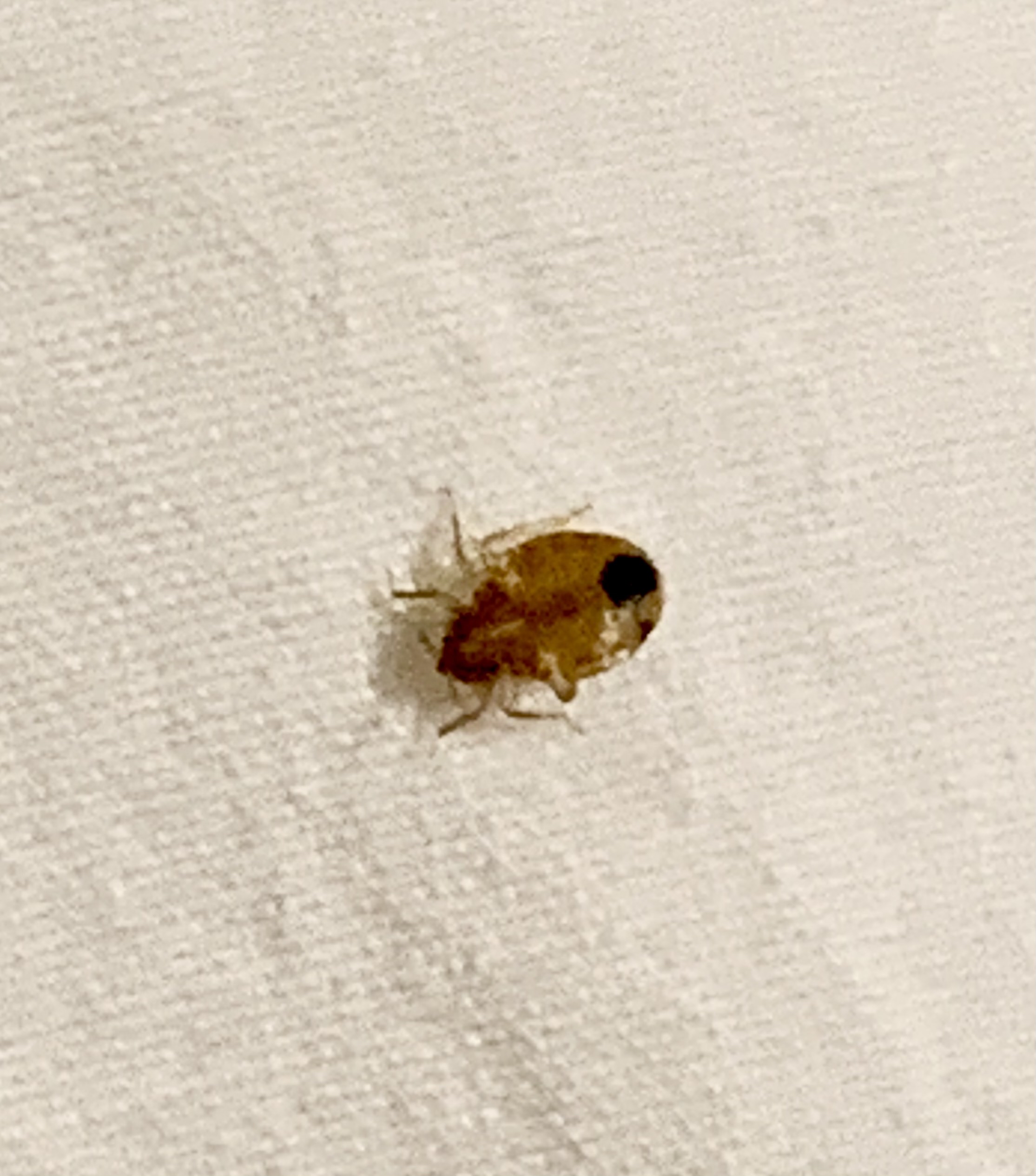
Bed Bugs
- Can be carried in on luggage, furniture or clothes
- Spread to neighboring units through walls and outlets
- Need tenant prep for treatment to work
Bed bugs are where the "who pays" question gets the hardest, because they can come from a tenant's travel or from the unit next door. More below.
Bed bugs in an apartment: who pays?
This is the question we get asked most. In a building with several units, the owner is generally expected to deal with bed bugs as part of keeping the building free of insects — especially since bed bugs move between units, and it's often impossible to prove where they started.
Things that can affect who pays:
- Where the bed bugs are. One unit, or several? If the units around it also have activity, the problem belongs to the building.
- How long the tenant has lived there. Bed bugs found soon after move-in may point to a problem that was already there.
- Cooperation. A tenant who doesn't prepare the unit or doesn't allow access can make treatment fail — and that can change who pays for repeat visits.
- The lease and local rules. Especially for single-family homes and smaller buildings.
Practical advice for both sides: treat fast, treat the units around the problem, and keep good records. Arguing for weeks while bed bugs spread is the most expensive outcome for everyone. Our bed bug service covers inspection, treatment and follow-up.
For tenants: what to do when you find pests
Report it in writing
Text, email or letter to your landlord or property manager, with the date. Say what you're seeing and where. Keep a copy.
Take photos
Photos of the bugs, droppings, bites or damage, with dates. If you can, save a bug in a sealed bag or tape it to a card.
Give access and prepare
Let the pest control company in and follow the prep sheet. Treatment often fails when prep isn't done.
Follow up if it continues
If pests are still there after a reasonable time, report again in writing. If nothing happens, contact your town's code enforcement office.
Don't stop paying rent or hire your own exterminator and deduct the cost without legal advice first — get advice from a lawyer or a tenant help organization before taking those steps.
For landlords: how to handle a pest complaint
Respond quickly
Pests spread. A fast inspection in one unit is cheaper than treating a whole floor a month later.
Inspect around the unit
Check the units next to, above and below the complaint, plus basements, trash areas and shared walls.
Keep records
Save tenant reports, the dates you responded, inspection results, prep notices and treatment visits.
Fix the building
Seal gaps, pipe openings and holes, repair leaks and keep trash areas clean so the problem doesn't keep coming back.
Use a licensed pest control company and ask for a written record of what was found and treated. Silver Bullet Pest Control is licensed in New Jersey (License 90568B).
When landlord and tenant don't agree
Most pest problems get solved by talking and by getting a professional in quickly. When that doesn't happen, here's where people usually turn:
- Your town's code enforcement or housing office. They can inspect and tell you what local code requires. Many pest complaints start here.
- The New Jersey Department of Community Affairs. The state agency that oversees housing standards for many multi-unit buildings.
- A lawyer or a tenant or landlord help organization. For lease questions, rent, costs and anything that could end up in court.
A pest control company can't decide who is legally responsible. What we can do is inspect, explain what we found — which units are affected and how bad it is — and treat it. That information often helps both sides settle the question faster.
Pest control for NJ landlords and property managers
Silver Bullet Pest Control works with owners of two-family homes, apartment buildings and mixed-use properties across Bergen, Passaic, Essex and Hudson counties.
Unit treatments
Roaches, mice, bed bugs and ants in individual apartments, with clear prep instructions for your tenants.
Whole-building programs
Regular service for hallways, basements, trash rooms and units, so problems are caught early.
Between tenants
Inspection and treatment of empty units before the next tenant moves in.
Rodent proofing
Finding and sealing the gaps rodents use to get into the building.
Call 973-510-2585 or text 973-510-2585. See also commercial pest control for mixed-use and business properties.
Related pest control help
Get Pest Control for Your Rental
Tenant, landlord or property manager — tell us the address, the number of units and what you're seeing. We'll get back to you quickly.
Why landlords and tenants call us
- Roaches spreading between apartments
- Bed bugs reported by a tenant
- Mice in a two-family or multi-family house
- An empty unit to treat before a new tenant
- Ongoing service for a building
Request Service
🔒 Your info stays private · Hablamos español.
Landlord & Tenant Pest Control FAQ
Is the landlord responsible for pest control in NJ?
In most multi-unit buildings, generally yes — owners are expected to keep the building free of insects and rodents under state housing rules. In single-family rentals it depends more on the lease and local rules.
Who pays for bed bugs in an apartment in New Jersey?
In buildings with several units, the owner usually handles bed bug treatment, since bed bugs move between units. Tenant cooperation, the lease and where the problem started can affect who pays in some cases.
What are my rights as a tenant if my apartment has pests?
Generally, you can expect the owner of a multi-unit building to treat infestations, and you can contact your town's code enforcement if they don't. Check with the NJ Department of Community Affairs or a lawyer for your specific situation.
Can a tenant be responsible for pest control?
Yes, sometimes — for example in some single-family rentals, if the lease says so, or if the tenant caused the problem or refused to prepare for treatment.
How should I tell my landlord about pests?
In writing, with the date, what you saw and where, and photos if you can. Keep a copy of everything you send.
Can I withhold rent because of pests?
Don't do it without legal advice first. Talk to a lawyer or a tenant help organization before you stop paying rent or deduct anything.
Do tenants have to prepare for treatment?
Generally yes. Treatment for bed bugs and roaches often fails without prep, and refusing to prepare or allow access can make a tenant responsible for repeat visits.
Who do I call if my landlord won't treat pests?
Start with your town's code enforcement or housing office. For many multi-unit buildings, the NJ Department of Community Affairs also oversees housing standards.
Do you work with landlords and property managers?
Yes. We treat individual units, empty units between tenants and whole buildings across Bergen, Passaic, Essex and Hudson counties.
¿Quién paga el control de plagas en un apartamento en NJ?
En edificios de varios apartamentos, normalmente el dueño, pero depende del contrato y de las reglas del pueblo. Hablamos español — llame al 973-510-2585.
Pest control for rentals near you
Based in Garfield, we serve tenants, landlords and property managers in these towns and across North Jersey.
Updated October 2026 by the Silver Bullet Pest Control team, Garfield, NJ • NJ License 90568B