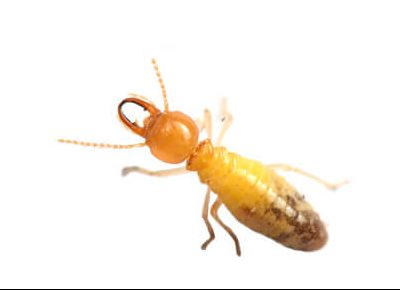
Termite Inspection & Treatment in New Jersey | Silver Bullet Pest Control
Licensed, local termite experts serving homeowners, buyers, sellers, and real estate agents across New Jersey.
Professional Termite Inspection in NJ
When you need a termite inspection, work with a certified local expert. Silver Bullet Pest Control holds NJDEP License #90568B and provides comprehensive WDI (NPMA-33) inspections accepted by VA, FHA, and conventional mortgage lenders — the report most home buyers, sellers, and agents need before closing. Our inspections cover termites plus other wood-destroying insects, including carpenter ants, powderpost beetles, and carpenter bees.
Comprehensive Termite Control Services
We eliminate active termite colonies and protect your home or business from future damage with targeted treatment plans and long-term prevention.
Termite Control
Treatment plans tailored to your structure, soil conditions, and activity level.
Termite Extermination
Licensed technicians locate and remove active colonies quickly and safely.
Termite Treatment
Liquid barrier and bait-station systems for thorough, lasting elimination.
Termite Inspection
Detailed visual and moisture-meter assessments to find activity, damage, and entry points.
Termite Prevention
Moisture correction, wood-to-soil contact removal, and exclusion work to stop re-infestation.
WDI Reports (NPMA-33)
Bank-approved wood-destroying insect reports for real estate closings.
5 Signs of a Termite Infestation
Termite damage often stays hidden until it's extensive, so knowing the early warning signs matters. Watch for mud tubes (pencil-width tunnels) running along your foundation or crawl space walls — subterranean termites build these to travel between soil and wood while staying protected from open air. Inside, tap on baseboards and window trim; wood that sounds hollow or feels soft under light pressure is a red flag. Discarded, translucent wings near windowsills and doors mean a swarm recently occurred nearby. Small pinpoint holes in drywall paired with a fine, sand-like frass (droppings) usually point to drywood termites. Finally, doors and windows that suddenly stick can mean termites have released moisture into the wood as they feed, causing it to warp. If you notice any of these, schedule an inspection before the colony spreads further.
What Do Termites Eat?
Termites feed on cellulose, the fibrous material found in wood, paper, and plant matter. In a home, that means structural framing, subfloors, wall studs, cardboard boxes, wallpaper paste, and even books and insulation with paper backing can all be food sources. Moisture is just as important to them as food — subterranean termites need consistent contact with damp soil to survive, which is why leaking pipes, clogged gutters, and poor drainage around a foundation are such strong predictors of infestation. Reducing excess moisture and eliminating direct wood-to-soil contact around your property removes two of the biggest draws for a colony.
When Is Termite Season in New Jersey?
In New Jersey, subterranean termite swarming season typically runs from early spring through early summer, peaking on warm, humid days after rain — this is when winged reproductives ("swarmers") leave an established colony to start new ones. However, termite activity itself doesn't fully stop in cooler months; colonies remain active underground and inside heated structures year-round, just at a slower pace. That's why an inspection makes sense any time of year, not only during swarm season, especially before buying or selling a home.
Do Plants Repel Termites?
Some plants, like vetiver grass, mint, marigolds, and catnip, are sometimes marketed as natural termite deterrents because of compounds in their oils that show mild repellency in lab settings. In practice, though, no plant has been shown to reliably protect a structure from an established or nearby termite colony. Relying on landscaping alone as termite prevention can create a false sense of security while a colony builds undetected. Moisture control, physical barriers, and professional monitoring remain the only proven defenses.
Types of Termites Found in New Jersey
Subterranean Termites
The most common termite species in NJ homes. They live in soil and build mud tubes to travel to wood sources above ground, and typically cause the most structural damage of the three types.
Drywood Termites
Less common in NJ but still found, especially in furniture and structural trim. Unlike subterranean termites, they don't need soil contact and can live entirely within dry wood.
Dampwood Termites
Prefer high-moisture wood, so they're most often found around leaks, poorly ventilated crawl spaces, and basements with drainage issues.
Termite Prevention Tips
- Fix moisture issues promptly — gutters, roof leaks, and crawl space ventilation.
- Keep firewood, mulch, and lumber stacked away from the foundation.
- Seal gaps around utility line entry points and sill plates.
- Maintain a gap between soil/mulch and any wood siding or framing.
- Schedule a professional inspection annually, even without visible signs.
Termite Service Areas in New Jersey
We provide termite inspection and treatment throughout New Jersey, including:
- Garfield, NJ
- Saddle Brook, NJ
- Berlin, NJ
- Paterson, NJ
- Clifton, NJ
- Passaic, NJ
- Wayne, NJ
- Hackensack, NJ
Don't see your town listed? Call or text us — we cover most of the state.
Why Choose Silver Bullet Pest Control
- NJDEP Licensed (#90568B)
- NPMA-33 reports accepted by VA, FHA & conventional lenders
- Same-day or next-day appointments in many areas
- Family- and pet-conscious treatment options
- Serving homeowners, buyers, sellers & real estate agents
- Local, NJ-based technicians
Frequently Asked Questions
How fast can you start termite service in New Jersey?
Same-day or next-day service in many cases. Call or text to check availability in your area.
Is termite treatment safe for families and pets?
Yes. We follow all label directions and offer low-impact treatment options when appropriate for your home.
Do you provide NPMA-33 reports for real estate closings?
Yes — our NPMA-33/WDI reports are accepted by VA, FHA, and conventional lenders.
How much does a termite inspection cost in NJ?
Pricing depends on the size of the property and reason for inspection (routine check vs. real estate closing). Call or text us for a free, no-obligation quote.
How often should I get my home inspected for termites?
An annual inspection is a good baseline for most NJ homes, with additional checks recommended before buying or selling a property or after noticing any warning signs.
What's the difference between subterranean and drywood termites?
Subterranean termites need soil contact and build mud tubes to reach wood; drywood termites live entirely inside dry wood without needing soil contact. Subterranean termites are far more common in NJ.