Silver Bullet Pest Control logoSilver Bullet Pest Control
Stink Bug Control · North Jersey

Stink Bug Control for New Jersey Homes

Stink bugs crawling on the siding in September, then showing up on your windows and lamps all winter? They're spending the cold months inside your walls and attic. Silver Bullet Pest Control seals the gaps they use and treats the outside of the house at the right time, for homes across Bergen, Passaic and Essex counties.

Featured on Telemundo 47 • EPA Pesticide Safety Certified • 5-Star Google Rated • NJ License 90568B

Text us a photo of the bug and where you're seeing them — we'll tell you what's going on.

  • ✓ Same-day appointments often available
  • ✓ Licensed & insured in NJ
  • ✓ Homes & businesses
  • ✓ English & Español

How do I get rid of stink bugs in my house?

The best way to get rid of stink bugs in a New Jersey house is to keep them from getting in: seal the gaps around windows, siding, vents and utility lines before September, and have the sunny outside walls treated in late summer and early fall when they gather there. Stink bugs that are already inside are spending the winter in your walls and attic; remove the ones you see with a vacuum or a cup of soapy water instead of crushing them, which releases the smell. They don't bite, breed indoors or damage the house, but they can show up by the dozens. Silver Bullet Pest Control seals and treats homes across North Jersey — call 973-510-2585.

What is a brown marmorated stink bug?

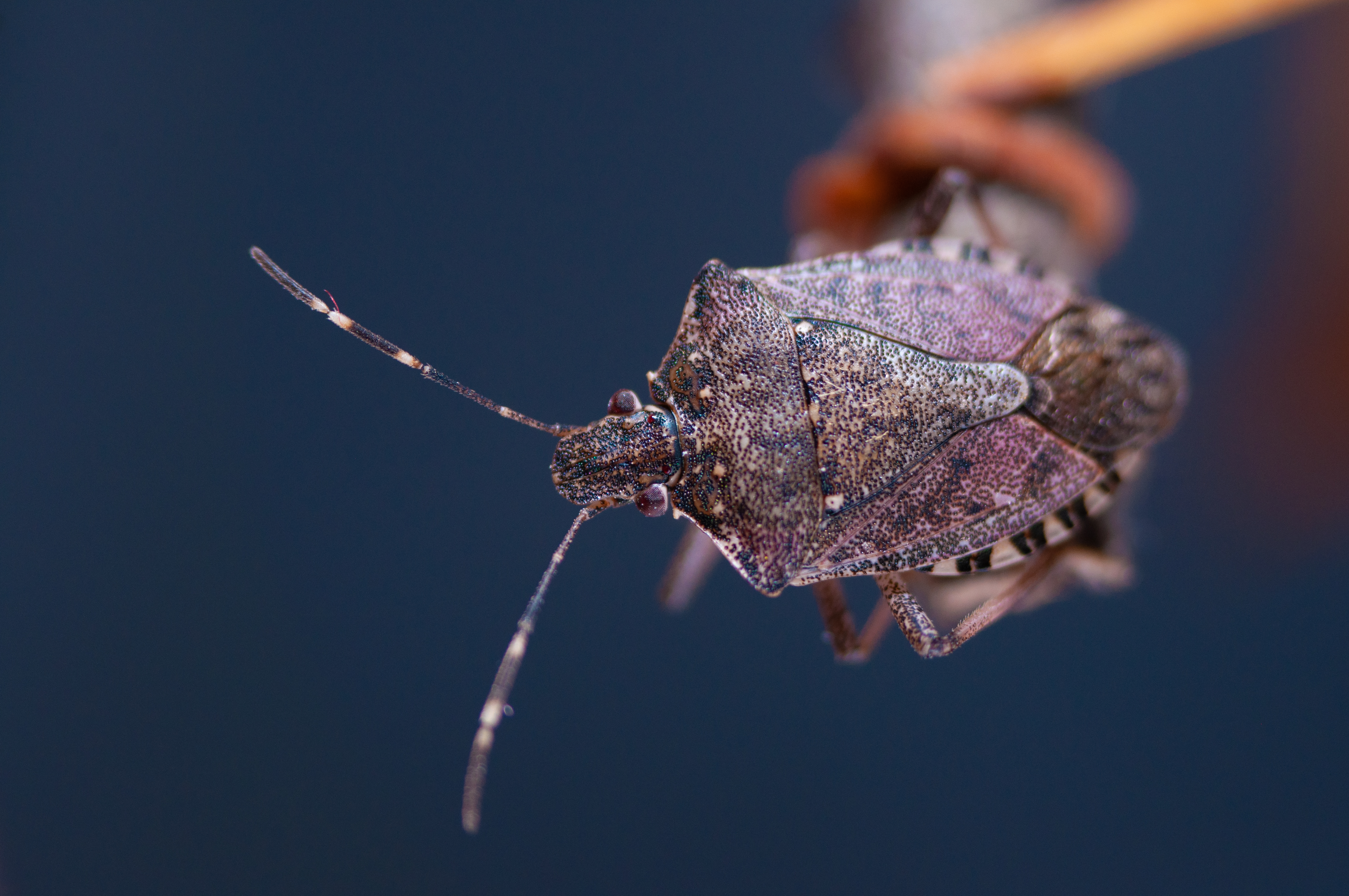
The stink bug most New Jersey homeowners see is the brown marmorated stink bug. It isn't native — it came from Asia and was first found in the U.S. in eastern Pennsylvania in the late 1990s, then spread across the Northeast. Today it's one of the most common fall pests in North Jersey.

  • Shape: a flat shield, a little over half an inch long.
  • Color: mottled brown and gray ("marmorated" means marbled).
  • Tell-tale marks: light bands on the antennae and alternating light and dark marks along the edge of the body.
  • Behavior: slow, clumsy fliers that buzz loudly and often bump into lights.

They feed on fruit, vegetables and garden plants in summer, which is why farmers and gardeners don't like them. In the house, they're a nuisance pest: they don't bite, don't sting, don't spread disease to people and don't eat wood, food or fabric. The problem is numbers and the smell they give off when crushed or disturbed.

Where stink bugs get into your house

Stink bugs don't chew their way in. They squeeze through openings that are already there.

Brown marmorated stink bug close-up
Outside walls

Gathering on Sunny Siding

  • Dozens of bugs on south- and west-facing walls
  • Bugs clustered around window frames and door trim
  • Most noticeable on warm afternoons in September and October

In early fall stink bugs look for a warm place to spend the winter. They land on the sunniest walls first, then crawl into any crack they can find.

Cracks in a concrete foundation wall
Gaps

Cracks, Trim and Utility Lines

  • Gaps where siding meets trim or the foundation
  • Openings around pipes, wires, cable and AC lines
  • Torn window screens and worn weatherstripping

An opening as thin as a credit card is enough. Window air conditioners, loose screens and old caulk around windows are some of the most common ways in.

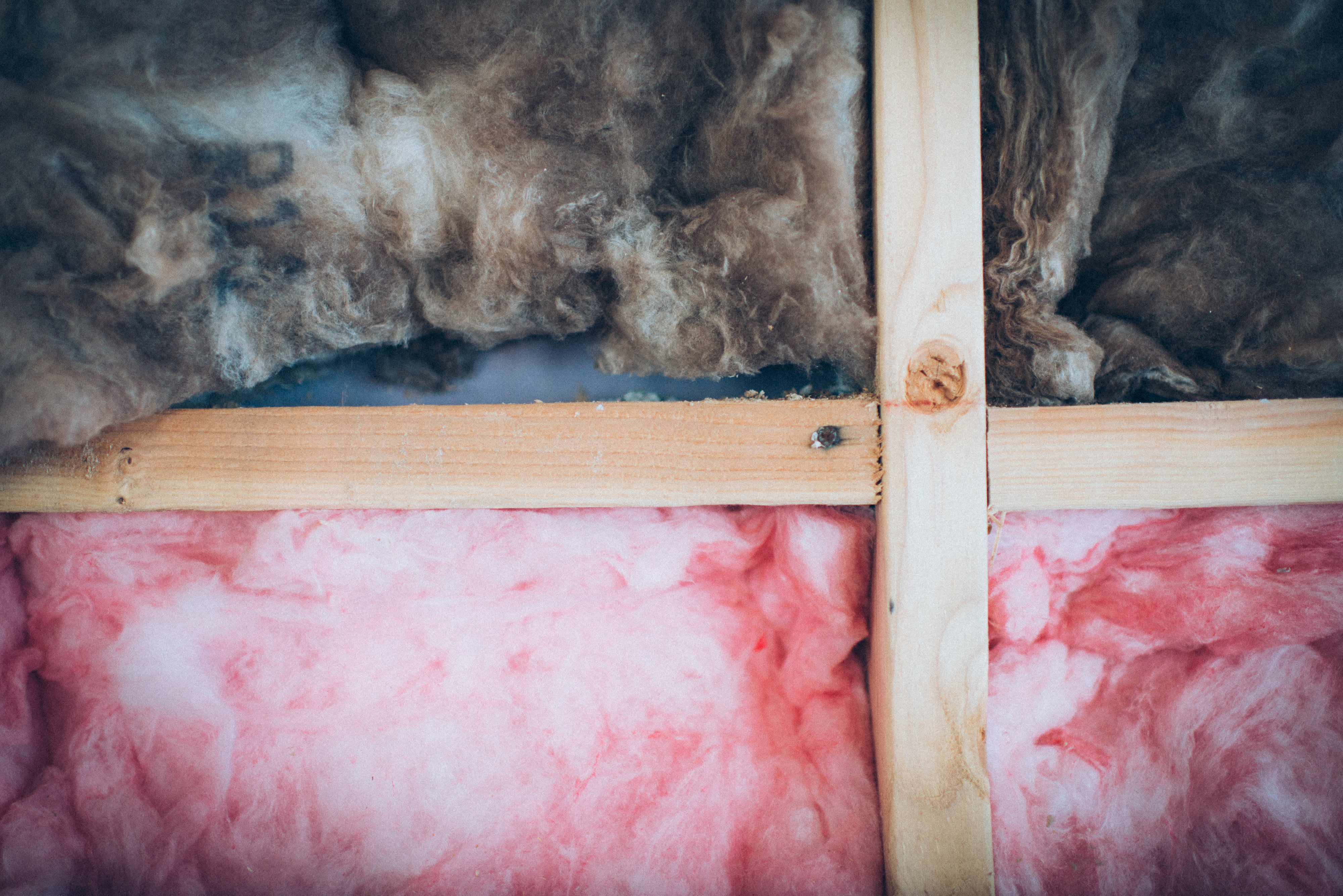
Attic insulation and framing inside a home
Attic & walls

Soffits, Vents and the Attic

  • Bugs on attic floors and insulation
  • Bugs coming out of light fixtures and ceiling fans
  • Gaps around soffits, ridge vents and gable vents

Once in, stink bugs settle into wall voids and attics where it's sheltered. Many stay there quietly until a warm day wakes them up.

A stink bug's year in North Jersey

🌱

Spring

Overwintering bugs wake up as days warm and try to get back outside. This is when people see them on windows and walls inside, often from March into May.

☀️

Summer

Outdoors feeding on fruit trees, vegetables and ornamental plants, and laying eggs. You rarely see them inside.

🍂

Late summer & fall

The big push. From roughly September into October, they gather on warm walls and squeeze into gaps to spend the winter. This is the time to seal and treat.

❄️

Winter

Mostly inactive inside walls and attics. On sunny days or when the heat comes on, some wander out into rooms, toward windows and lights.

Stink bugs already inside? What to do

If you're seeing stink bugs in the house in late fall or winter, they got in weeks ago and are living in your walls and attic. Here's how to handle it without making it worse:

  • Don't crush them. Squashing a stink bug releases the odor they're named for, and it can stain walls and fabric.
  • Use a vacuum the right way. A vacuum works, but the smell can stay in it. Use a shop vac or an older vacuum you keep just for bugs, or slip a knee-high stocking into the hose and secure it with a rubber band so the bugs stay in the stocking. Tie it off and throw it out.
  • Soapy water. Knock them into a cup or jar of water with a few drops of dish soap.
  • Don't spray inside walls. Killing hundreds of bugs in a wall void can leave dead insects that attract other pests, like carpet beetles. Inside the house, removal is better than spraying.
  • Close the gaps you can find around inside window trim, outlets on outside walls and light fixtures, so fewer wander into the living space.

The real fix for next year happens outside, before September.

Sealing your house against stink bugs, step by step

1

Walk the sunny sides first

Start with the south- and west-facing walls, where stink bugs gather. Look closely at window frames, door trim and where siding meets other materials.

2

Caulk cracks and gaps

Seal gaps around window and door frames, fascia, trim and siding joints with a good exterior caulk.

3

Close utility openings

Fill gaps around pipes, cables, dryer vents and AC lines with sealant or foam backed by mesh.

4

Screen the vents

Make sure attic, soffit and gable vents have intact screening. Repair torn window and door screens.

5

Fix doors and window units

Replace worn weatherstripping and door sweeps, and take out window air conditioners in fall or seal tightly around them.

6

Finish by late summer

Do it before stink bugs start moving in September. Sealing in November keeps out next year's bugs, but the ones already inside stay until spring.

Why the timing of stink bug treatment matters

An exterior treatment works best when it's on the walls right before and during the fall push — late summer into early fall. Applied then, it hits stink bugs where they land and gather, before they find the gaps. Applied in December, it does almost nothing, because the bugs are already behind the siding.

Our approach for homes with a stink bug history:

  • Inspection of the outside to find where bugs gather and the gaps they're using.
  • Exclusion — sealing the openings that matter most, especially on the sunny sides, rooflines and vents.
  • Exterior treatment of the siding, eaves, window and door frames and other landing spots, timed for late summer and early fall.
  • Advice for inside — how to remove the ones that still show up without spreading the smell.

Stink bugs often come in at the same time as boxelder bugs, ladybugs, clover mites and cluster flies, so one fall service can cover several of these pests. See also why there are so many ladybugs and bugs in October.

Best time to call: August or early September, before the bugs start moving in. If they're already inside, call anyway — we'll set up sealing and a plan for next fall.

Stink bug remedies: what works and what doesn't

MethodDoes it work?Why
Sealing gaps before fallYes — the best long-term fixBugs can't get in if the openings are closed
Exterior treatment in late summer/early fallYes, with good timingHits bugs where they land before they get inside
Vacuum with a stocking or bug-only vacYes, for bugs already insideRemoves them without crushing; keeps the smell contained
Soapy waterYes, for a few at a timeBugs can't escape and drown quickly
Crushing themNoReleases the smell and can stain
Bug bombs or spraying inside wallsNoDoesn't reach most of them and leaves dead bugs in the walls
Store-bought light trapsCatch someMay catch a few wanderers but don't stop the ones in the walls
Essential oils and dryer sheetsNot provenDon't close gaps and don't stop a fall invasion

If you'd rather not get on a ladder to seal soffits and rooflines, that's where we help. Call 973-510-2585 or text 973-510-2585.

Get a Stink Bug Control Quote

Tell us where you're seeing stink bugs and how many. We'll get back to you quickly with a plan.

Why people call us about stink bugs

  • Dozens of bugs on the siding every fall
  • Stink bugs in the attic or coming out of light fixtures
  • Bugs on the windows all winter and spring
  • Gaps they can't reach on rooflines and soffits
  • They want to stop next year's invasion now
📞 Call 973-510-2585

Request Service

🔒 Your info stays private · Hablamos español.

What's bugging you? - Step 1 of 3

Stink Bug Control FAQ

Why are there stink bugs in my house?

They came in through gaps in late summer and fall to spend the winter in your walls and attic. On warm days and when the heat comes on, some wander into your rooms.

Are stink bugs harmful?

No. They don't bite, sting, spread disease to people or damage your house. They're a nuisance because of their numbers and the smell they release when crushed.

Do stink bugs lay eggs in the house?

No, not normally. They spend the winter inside resting and go back outside in spring to feed and lay eggs on plants.

What's the best way to get rid of stink bugs inside?

Vacuum them with a shop vac or a stocking in the hose, or drop them into soapy water. Don't crush them.

When should I get stink bug treatment?

In late summer to early fall, before and during the time they gather on outside walls — usually August through early October in New Jersey.

Why do I see stink bugs in winter?

They're living in your walls and attic. Warm, sunny days and indoor heat wake some of them up, and they head toward light.

Will spraying inside get rid of stink bugs?

Not really. Most of them are inside wall voids where spray doesn't reach, and dead bugs left in walls can attract other pests.

How do I keep stink bugs out next year?

Seal gaps around windows, doors, siding, vents and utility lines before September, repair screens, and have the sunny outside walls treated in early fall.

Why do they smell?

Stink bugs release a defensive odor from glands on their body when they're crushed, disturbed or threatened.

Do you treat stink bugs in Bergen and Passaic County?

Yes. We're based in Garfield and help homeowners across Bergen, Passaic and Essex counties with stink bug sealing and exterior treatment.

¿Cómo saco las chinches apestosas de mi casa?

No las aplaste; aspírelas o échelas en agua con jabón, y selle las grietas antes de septiembre. Llame o mande texto al 973-510-2585.

Stink bug control near you

Based in Garfield, we help homeowners in these towns and across Bergen, Passaic and Essex counties.

Updated October 2026 by the Silver Bullet Pest Control team, Garfield, NJ • NJ License 90568B

Scroll to Top