Silver Bullet Pest Control logoSilver Bullet Pest Control
Wildlife Β· Damage Repair & Sealing Β· North Jersey

Wildlife Damage Repair in NJ: Sealing Entry Points, Attic Cleanup & New Insulation

The squirrels or raccoons are out β€” now there's a chewed soffit, a torn roof vent and an attic full of ruined insulation. Silver Bullet Pest Control fixes what wildlife leaves behind in North Jersey homes: we seal every entry point, clean and deodorize the attic, remove and replace damaged insulation, and repair chewed soffits, fascia and trim ourselves. If something needs another trade, like wiring or the roof itself, we tell you straight.

4.9 stars on Google β€’ NJ License 90568B β€’ Licensed by NJ Fish and Wildlife for wildlife work β€’ 15+ years β€’ Hablamos espaΓ±ol

Text photos of the damage to 973-510-2585 β€” we'll tell you what it looks like and what it needs.

What is wildlife damage repair?

Wildlife damage repair is fixing the openings and mess animals leave in a house β€” sealing chewed and torn entry points at the roofline, cleaning up droppings and urine in the attic, and replacing soiled or crushed insulation β€” so the home is closed up and the animals can't come back. It should happen after the animals are out, never before. Silver Bullet Pest Control does the sealing, chewed soffit and fascia repair, HEPA attic cleanup, odor control and insulation replacement ourselves; call or text 973-510-2585 for a free quote.

Common wildlife damage in North Jersey homes

Each animal leaves its own kind of damage. Knowing which one helps you know what the repair involves:

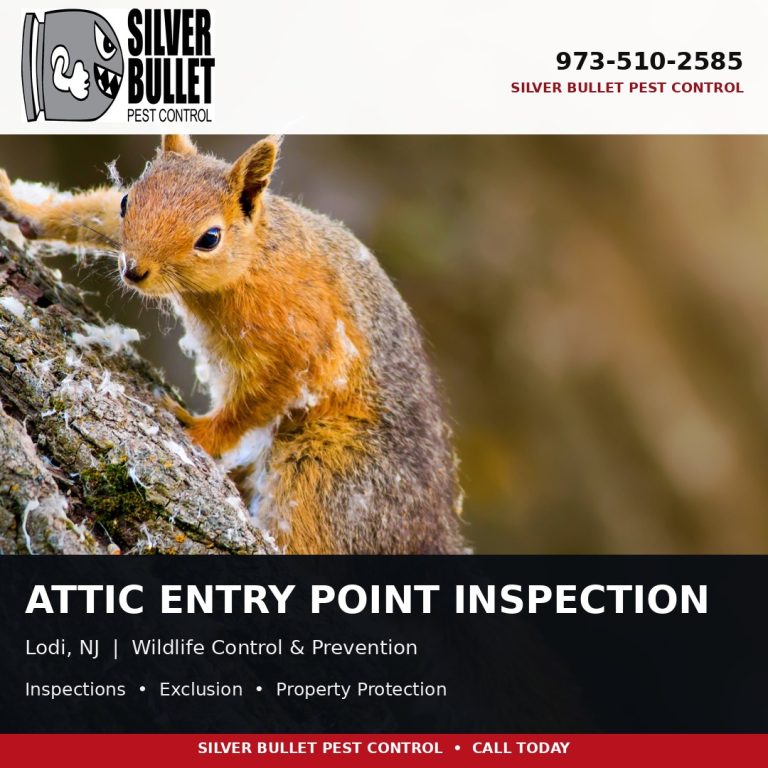
Squirrel entry hole at a roofline found during an inspection
Squirrels

Chewed soffits, fascia and vents

  • Round, chewed holes at the roof edge or soffit corner
  • Gnawed plastic or aluminum vents
  • Chewed wires and nesting material in the attic

Squirrels chew to get in and keep chewing once inside. Their front teeth never stop growing, so wood, vents and even wiring take a beating. Gaps where the roof meets the gutter line are a favorite spot.

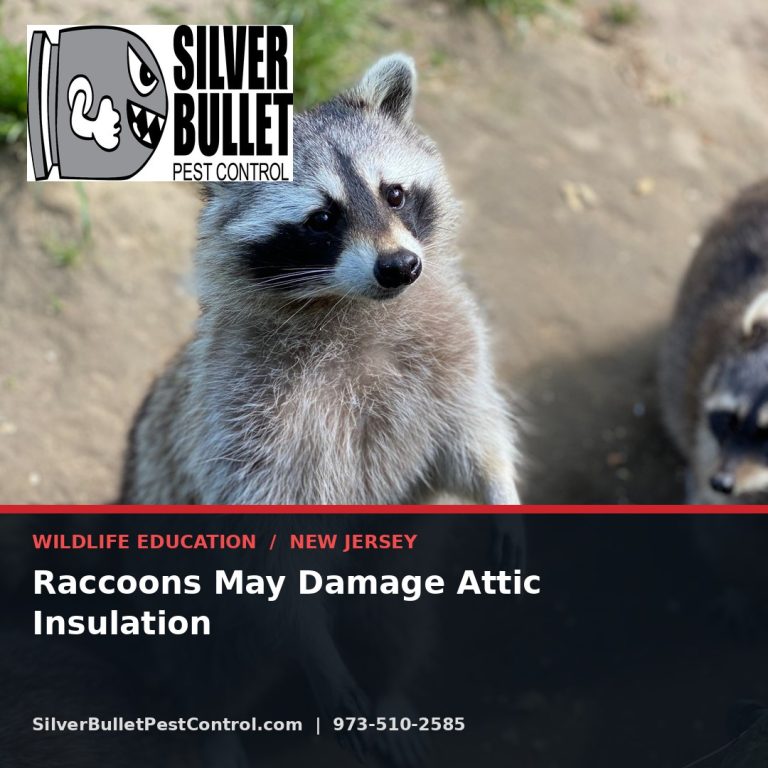
Educational image showing attic insulation damaged by raccoons
Raccoons

Torn vents, soiled insulation

  • Roof vents or soffit panels ripped off
  • Crushed and soiled insulation
  • Latrines, stained ceilings and torn duct wrap

Raccoons are strong enough to pull open a roof vent or lift shingles at a weak spot. Inside, the biggest damage is usually to the insulation, from their weight and their droppings.

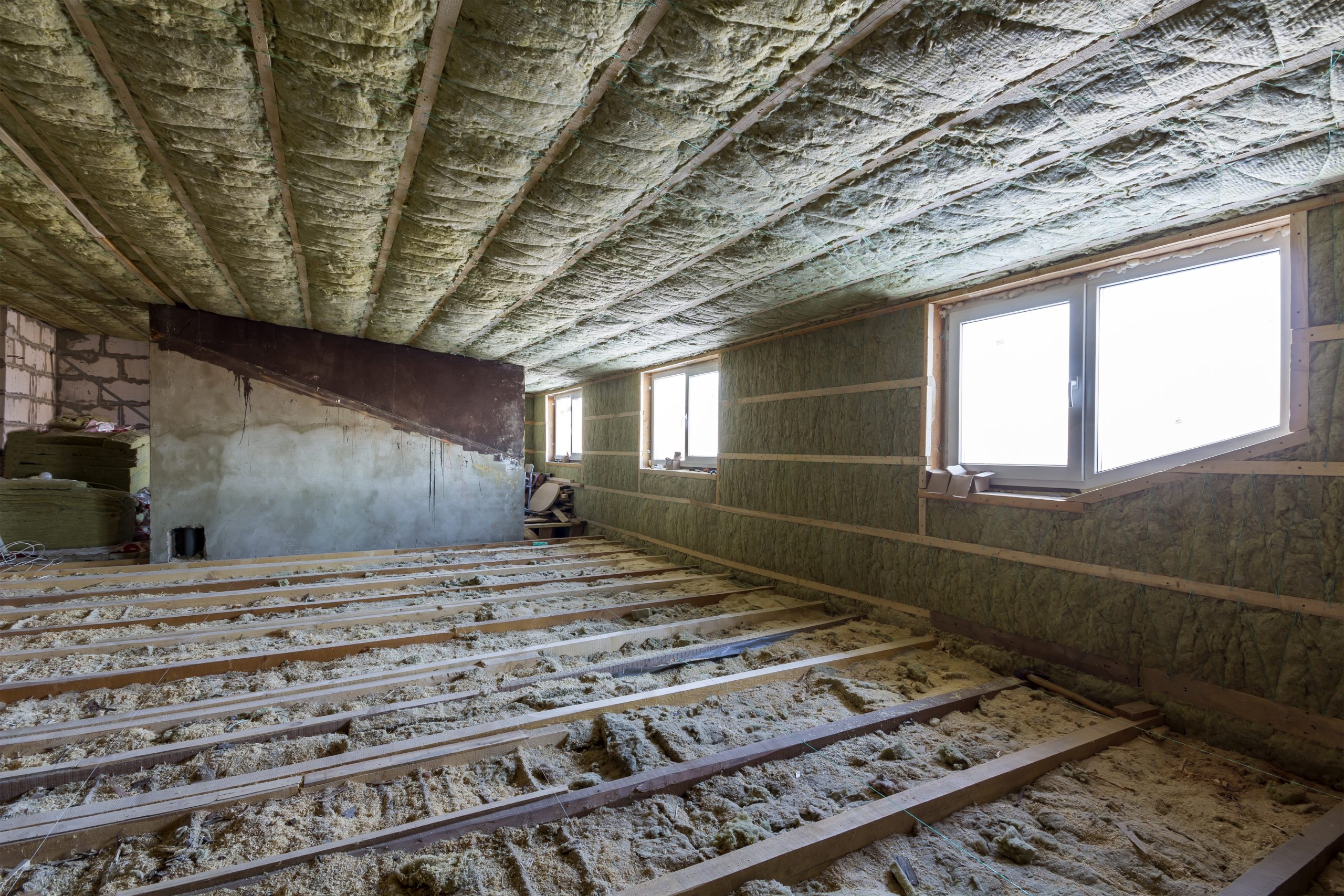
Wooden attic framing under a roof
Bats, birds & mice

Droppings and small gaps

  • Bat guano piled under roof peaks
  • Bird nests in vents
  • Mouse droppings and tunnels in insulation

These animals don't tear the house open β€” they use gaps that are already there. The damage is mostly droppings, urine and odor in the attic and walls, which still needs cleanup.

What we repair, and what needs another trade

We'd rather tell you up front than surprise you later. Here's how wildlife damage usually breaks down:

DamageWhat it needsWho handles it
Entry holes at soffits, fascia, roof vents, gable vents, chimneysSealing with materials animals can't chew throughWe do this
Droppings, urine and nesting in the atticBagged removal, HEPA vacuuming, surface treatmentWe do this
Lingering animal odorOdor control after the source is removedWe do this
Soiled or crushed attic insulationRemoval and new insulationWe do this
Chewed soffit boards, fascia or trimRepair or replace the woodWe do this
Chewed electrical wiringInspection and repair by a licensed electricianElectrician
Torn or crushed ductworkRepair or replacement by an HVAC contractorHVAC contractor
Damaged shingles, roof boards or flashingRoof repairRoofer
Stained or sagging drywall ceilingsDrywall repairContractor

If you see chewed wires in an attic, tell us and have an electrician look at them β€” damaged wiring is a fire risk. We'll show you where we found it.

The right order: remove, seal, clean, then repair

The most common mistake we see is fixing the damage while the animal is still inside. A homeowner patches the hole in the soffit, and the squirrel or raccoon either chews a new hole right next to it or gets trapped and dies in the wall. That turns one repair into three.

  1. Get the animals out. Squirrels and raccoons usually leave through one-way doors; bats only during the dates New Jersey allows. In spring, we check for babies first. We're licensed by the NJ Division of Fish and Wildlife for wildlife work.
  2. Seal every entry point β€” not just the obvious hole, but the other gaps the animal could use next.
  3. Clean up the attic: droppings, nesting material and soiled insulation out; HEPA vacuuming; odor treatment.
  4. Replace the insulation and handle any wood, wiring or roof repairs, with other trades where needed.

Doing it in that order means each repair only happens once. Our wildlife control page covers the removal side for each animal.

Sealing wildlife entry points

This is the part that keeps the problem from coming back. On every job we check and close:

🏠

Roofline gaps

Soffit corners, the gap where the roof meets the fascia, loose drip edge and the joints where two rooflines meet.

🌬️

Vents

Roof vents, ridge vent ends, gable vents and bathroom or kitchen exhaust vents get covered with sturdy screening so air still moves.

🧱

Chimneys

Open flues and gaps around the chimney where it meets the roof. See chimney animal proofing.

πŸ”©

Lower gaps

Gaps around pipes, wires, dryer vents and the foundation, where mice and rats get in.

We use materials animals can't chew through, sized to the opening and the animal. Details: animal entry point sealing.

Attic cleanup and insulation replacement after wildlife

The attic is where most wildlife damage really is, even when the outside looks fine. Months of droppings and urine soak into the insulation, animals flatten it with their tunnels and nests, and the smell comes down through ceiling fixtures and the attic hatch.

We do this work ourselves:

  • HEPA cleanup β€” droppings, nesting material and debris bagged and removed, then the area HEPA-vacuumed so the fine dust doesn't end up in your house.
  • Odor control β€” surfaces treated once the source is out, which is the only way the smell actually goes away.
  • Insulation removal β€” soiled or crushed insulation taken out, from a single corner up to the whole attic floor.
  • New insulation β€” installed where the old was removed, so the house holds heat again.

Raccoon and bat droppings in particular can carry disease, so this is not a job for a shop vac and a dust mask. More: attic insulation removal and replacement and bat guano health risks.

Chewed soffits, fascia and trim

Squirrels in particular can do real damage to wood: a chewed soffit corner, a hole through the fascia, gnawed trim around a gable vent. Sometimes the damage is small enough that sealing over it with sturdy metal covers the opening and stops the animal for good. Other times the wood is soft, rotted or chewed through and needs to be replaced before anything can be sealed properly.

We look at the wood on the visit and tell you which one you have. Either way, we repair the chewed soffit, fascia or trim ourselves after the animal is out, so one company handles removal, sealing and repair. If the damage goes into the roof itself, we'll tell you that you need a roofer. We also install chimney caps and buried mesh barriers under decks, porches and sheds so animals can't move back in β€” see chimney animal-proofing. Squirrel damage specifically: squirrel damage to soffit and fascia.

One more thing to know: chewed wood that has been wet for a while can also attract carpenter ants and termites. If we see signs of either, we'll point it out β€” and for termite damage, we repair sill plates, joists, beams and framing ourselves after treatment. See termite damage repair.

What affects the cost of wildlife damage repair

We give a free quote after seeing the house. The price depends on:

FactorSmaller jobBigger job
Number of entry pointsOne holeSeveral openings around the roofline
Height and accessSingle-story roof edgeSteep roof, three-story house, hard-to-reach gables
Attic contaminationA small area of droppingsLatrines or droppings across the attic
InsulationSpot removalFull removal and new insulation
Wood damageSound wood, just needs sealingChewed-through or rotted wood
AnimalsAlready outStill inside, or babies in spring

Homeowners insurance sometimes covers wildlife damage β€” it depends on the policy, so check with your insurer. We can give you photos and a written description. Pricing background: wildlife removal cost.

Get a Free Wildlife Damage Repair Quote

Tell us which animal it was, how long it was there, and send photos of the damage if you can. We'll give you a free quote for sealing, wood repair, cleanup and insulation, and tell you honestly about anything else.

Why homeowners call us after wildlife

  • A chewed hole in the soffit or fascia
  • A roof vent ripped open by a raccoon
  • Insulation ruined by droppings and urine
  • A smell in the house that won't go away
  • Animals that keep coming back after a patch
πŸ“ž Call 973-510-2585

Request Service

πŸ”’ Your info stays private Β· Hablamos espaΓ±ol.

What's bugging you? - Step 1 of 3

Wildlife Damage Repair Questions

Should I repair wildlife damage before or after the animal is removed?

After. Repairing a hole while the animal is still inside either traps it, which can mean a dead animal in the wall, or it simply chews a new hole next to the patch. Get the animals out first, then seal every entry point, clean the attic and do the repairs, so each fix only has to happen once.

Do you repair chewed soffits and fascia?

Yes. We repair chewed soffits, fascia and trim ourselves after the animal is out. Often a chewed opening can be closed with sturdy metal and sealed so the animal can't get back in. When the wood is chewed through or rotted, we replace that section first, then seal it. If the damage goes into the roof itself, we'll tell you that part needs a roofer.

Does wildlife damage mean I need new insulation?

Often, yes. Insulation soaked with droppings and urine can't be cleaned, and crushed insulation doesn't keep the house warm. Sometimes only a corner needs to come out, sometimes the whole attic floor. We remove the damaged insulation and install new insulation ourselves.

Is it safe to clean up animal droppings in the attic myself?

It's not a good idea for raccoon or bat droppings, or for large amounts of any droppings. They can carry germs and parasites, and sweeping or vacuuming them with a regular vacuum spreads fine dust. We use protective gear, bagged removal and HEPA vacuums for attic cleanup.

Can squirrels chew through electrical wires?

Yes, squirrels and rats can chew through electrical wiring in attics and walls, which can be a fire risk. If we find chewed wires during an inspection, we'll show you and recommend having a licensed electrician check and repair them. We don't do electrical work ourselves.

How do you stop animals from getting back in?

We seal every entry point, not just the one the animal used, using materials animals can't chew through. That includes roofline gaps, vents, chimneys and lower gaps around pipes and the foundation. Vent covers are designed so air still flows. Sealing everything at once is what stops the next animal.

Does homeowners insurance cover wildlife damage?

It depends on your policy. Some policies cover part of the damage animals cause, others exclude certain animals like rodents. Call your insurance company and ask before work starts. We can provide photos and a written description of the damage and repairs to support a claim.

How long does wildlife damage repair take?

Most sealing jobs take a day or less. Attic cleanup and insulation replacement can add another day depending on the size of the attic and how much has to come out. If the animals are still inside, removal comes first and can take several days with one-way doors.

What does it mean if I smell something in the attic after the animals are gone?

A lingering smell usually means soiled insulation or soaked wood is still there, or an animal died in the attic or a wall. Odor sprays won't fix it. The source has to be removed and the area treated. We handle wildlife odor control and HEPA cleanup ourselves.

ΒΏReparan los daΓ±os que dejan las ardillas y los mapaches?

SΓ­. Sellamos las entradas, limpiamos el Γ‘tico con equipo HEPA, controlamos el olor y cambiamos el aislamiento daΓ±ado. Para madera mordida, lo revisamos y le decimos quΓ© podemos reparar. Hablamos espaΓ±ol. Llame o mande texto al 973-510-2585.

Wildlife damage repair across North Jersey

Based in Garfield, serving Bergen, Passaic, Essex and Hudson counties.

Our service area

Union County

973-510-2585
  • Berkeley Heights
  • Clark
  • Cranford
  • Elizabeth
  • Fanwood
  • Garwood
  • Hillside
  • Kenilworth
  • Linden
  • Mountainside
  • New Providence
  • Plainfield
  • Rahway
  • Roselle
  • Roselle Park
  • Scotch Plains
  • Springfield
  • Summit
  • Union
  • Westfield

Morris County

973-510-2585
  • Boonton
  • Butler
  • Cedar Knolls
  • Chatham
  • Denville
  • Dover
  • East Hanover
  • Florham Park
  • Hanover
  • Kinnelon
  • Lincoln Park
  • Madison
  • Mendham
  • Montville
  • Morris Plains
  • Morristown
  • Mountain Lakes
  • Parsippany
  • Pequannock
  • Randolph
  • Riverdale
  • Rockaway
  • Roxbury
  • Whippany

Updated November 2026 by the Silver Bullet Pest Control team, Garfield, NJ β€’ NJ License 90568B

Scroll to Top