Silver Bullet Pest Control logoSilver Bullet Pest Control
Wildlife Β· Chimneys Β· North Jersey

Chimney Animal Proofing in NJ: Caps That Keep Raccoons, Birds and Bats Out

Scratching behind the fireplace, chirping in the flue, or a smell when the damper opens? An open chimney is one of the easiest ways for animals to get into a house. Silver Bullet Pest Control removes raccoons, birds and bats from chimneys the right way β€” following the rules on timing β€” and then caps and seals the chimney so it doesn't happen again.

4.9 stars on Google β€’ NJ License 90568B β€’ Licensed by NJ Fish & Wildlife for wildlife work β€’ 15+ years β€’ Based in Garfield β€’ Hablamos espaΓ±ol

Don't light a fire to smoke an animal out. Call or text 973-510-2585 and tell us what you hear.

What is chimney animal proofing in NJ?

Chimney animal proofing in NJ means installing a sturdy chimney cap with mesh sides and sealing gaps around the chimney so raccoons, squirrels, birds and bats can't get into the flue or the attic next to it. If an animal is already inside, it has to be removed first β€” and for bats and some birds, the timing is set by the season. Silver Bullet Pest Control handles the removal, the cap and the sealing. Call or text 973-510-2585.

Which animals get into chimneys in New Jersey?

A handful of animals account for almost every chimney call we get. The sounds and timing help tell them apart:

AnimalWhat you'll noticeWhenWhat to do
RaccoonsHeavy scratching, growling, chirping kits on the smoke shelfMostly spring (mothers with kits)Close the damper, keep the fireplace shut, call us
Chimney swiftsLoud chattering from the flue, especially at feeding timeLate spring and summerLeave the nest; cap the chimney after they migrate
Other birds (starlings, pigeons)Fluttering, nesting debris falling to the damperSpring and summerBird removal, then cap
BatsScratching or squeaks at dusk, bats flying out at sunsetWarm months; some all yearFollow NJ bat exclusion dates
SquirrelsScratching, a squirrel stuck on the damper or in the fireboxAny timeCall us; don't open the fireplace doors

Most of these problems end with the same fix: a proper chimney cap.

Signs an animal is living in your chimney

Roof and chimney area checked during a wildlife inspection
Sounds

Noise in the fireplace wall

  • Scratching or thumping above the damper
  • Chirping or chattering in the flue
  • Noise at dusk and dawn

Sound carries down a flue, so animals in a chimney can seem very close. Note the time of day and the type of sound β€” it tells us a lot before we arrive.

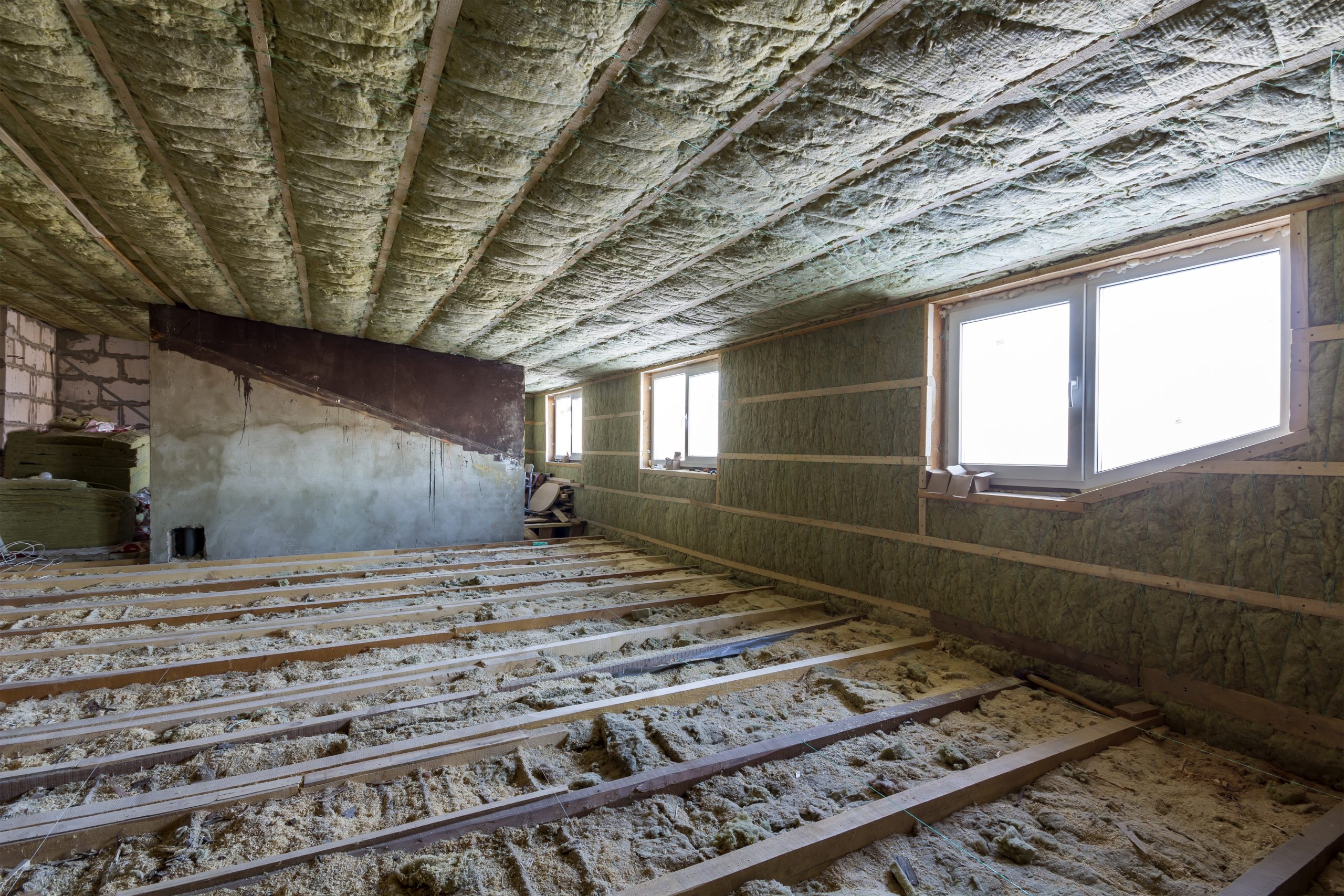
Attic framing next to where a chimney passes through
Inside

Smells and debris

  • Musky or ammonia smell when the damper opens
  • Twigs, feathers or droppings in the firebox
  • Flies or insects around the fireplace

Nesting material and droppings collect on the smoke shelf. A strong smell can also mean an animal died in the flue.

Exterior wildlife exclusion work on a home
Outside

An open or damaged chimney top

  • No cap at all
  • A rusted, bent or loose cap
  • Gaps where the chimney meets the roof

An uncapped flue is an open door. Gaps in the flashing or crown can also let animals get from the chimney into the attic.

Chimney caps: how they keep animals out

A chimney cap is a metal top with a hood and mesh sides that fits over the flue. Smoke and gases escape through the mesh, but animals, birds and debris can't get in. For most homes, it's the single most effective piece of animal proofing you can add.

We install chimney caps ourselves. What we look at before choosing one:

  • The flue size and shape. A cap that doesn't fit leaves gaps a squirrel or bat can use.
  • What the chimney vents. A wood fireplace and a flue that vents a gas or oil furnace or water heater may need different caps. If an appliance vents through the chimney, have your heating contractor or a chimney sweep confirm the cap is right for it.
  • Multiple flues. Some chimneys have more than one flue; each one needs to be covered.
  • The crown and flashing. Gaps where the chimney meets the roof can let animals into the attic even with a cap on top. We seal those too.

A cap also helps keep rain and leaves out of the flue. If you have an existing cap that's rusted through or loose, we replace it.

Raccoons in the chimney

Raccoons climb brick easily, and an uncapped chimney gives a mother a dark, dry place to raise kits on the smoke shelf just above the damper. Most chimney raccoons we find in spring are mothers with young.

  • Don't light a fire. Smoke can kill kits that can't climb out, and you may end up with a dead animal stuck in the flue.
  • Keep the damper and fireplace doors closed. A frightened raccoon can come down into the house.
  • Don't cap the chimney yet. Capping with the family inside traps them.

We remove the mother and kits, then cap the chimney. We're licensed by the NJ Division of Fish and Wildlife for wildlife work. Full details are on our raccoon in the chimney page, and our raccoon proofing page covers the rest of the house.

Bats in the chimney: NJ timing rules

Bats can roost in chimneys and in the gaps around them. Because young bats can't fly for part of the summer, New Jersey sets dates for when bat exclusion can be done:

  • April 1 – April 30: exclusion allowed.
  • May 1 – July 31: exclusion not allowed β€” pups are in the roost.
  • August 1 – October 15: exclusion allowed.
  • October 16 – March 31: exclusion only after an acoustic survey shows no bats are present.

That means a chimney with bats may not be capped the same week you call. We can inspect, do an acoustic bat survey ourselves when needed, and schedule the exclusion and cap for the right window.

Bat in the house? If a bat was found in a room with a sleeping person or a child, don't let it go. Keep it contained and call your local health department about rabies testing.

More: licensed bat exclusion in NJ and the bat exclusion season.

Birds in the chimney

The loud chattering many people hear from the fireplace in summer is often chimney swifts. They are small birds that nest inside chimneys and leave for the winter. Chimney swifts are a protected migratory species, so an active nest has to be left alone until the birds have gone for the season. The good news: they're only there for part of the year. Once they've left, a cap keeps them from returning next spring.

Starlings and pigeons can also nest in chimneys and on chimney ledges. Those nests can block the flue and drop debris onto the damper. We remove them and cap the chimney, and for roof ledges and flat areas around the chimney we can add bird netting or other bird exclusion.

See bird nest removal and pigeon removal and exclusion.

How chimney animal proofing works

1

Inspect the chimney and roof

We check the flue from the top where it's safe, the crown, the flashing and the attic beside the chimney, and identify the animal.

2

Remove the animal the right way

Raccoons and squirrels are removed; bats and protected birds are handled on the legal schedule.

3

Install the chimney cap

A cap sized to your flue, with mesh sides, goes on each flue.

4

Seal the gaps around it

Openings at the crown, flashing and nearby roofline are sealed so animals can't get into the attic.

5

Clean up and repair

Nesting debris and odor are cleaned up, and any damaged trim near the chimney is repaired.

Get a Free Chimney Proofing Quote

Tell us what you're hearing in the chimney and when. We'll inspect the chimney and roofline, explain any timing rules, and give you a free quote for the removal and cap.

Why homeowners call us about chimneys

  • Scratching or chirping behind the fireplace
  • No chimney cap, or a rusted one
  • A raccoon den on the smoke shelf
  • Bats flying out of the chimney at dusk
  • A bad smell when the damper opens
πŸ“ž Call 973-510-2585

Request Service

πŸ”’ Your info stays private Β· Hablamos espaΓ±ol.

What's bugging you? - Step 1 of 3

Chimney Animal Proofing Questions

Does a chimney cap keep animals out?

Yes. A properly sized cap with mesh sides is the most reliable way to keep raccoons, squirrels, birds and bats out of a chimney. It also helps keep rain and debris out of the flue.

How do I get a raccoon out of my chimney?

Don't light a fire or open the fireplace. Close the damper and doors and call a licensed wildlife company. The mother and any kits need to be removed before the chimney is capped, or they'll be trapped inside.

Can I smoke an animal out of the chimney?

No. Smoke can kill babies that can't climb out, and a dead animal in the flue creates odor and a blockage. It can also drive a frightened animal down into the house.

When can bats be removed from a chimney in NJ?

Bat exclusion in NJ is allowed April 1–30 and August 1–October 15. It's not allowed May 1–July 31 while pups are in the roost, and from October 16 to March 31 only after an acoustic survey shows no bats.

What are the birds chattering in my chimney?

In summer it's often chimney swifts, a protected migratory bird that nests inside chimneys. An active nest has to be left alone until they leave for the season; then a cap keeps them out next year.

Can animals get from the chimney into the attic?

Yes. Gaps at the chimney crown, flashing or where the chimney passes through the roof can let squirrels, bats and raccoons into the attic. That's why we seal around the chimney, not just the top.

Do you install chimney caps yourselves?

Yes. We install chimney caps ourselves, sized to your flue. If the chimney vents a furnace or water heater, we recommend your heating contractor or a chimney sweep confirm the cap suits that appliance.

Is there an animal stuck in my fireplace?

If you hear scratching right behind the fireplace doors or on the damper, an animal may have fallen down the flue. Keep the doors shut so it can't get into the room, and call us.

What if an animal died in the chimney?

A strong, lasting smell from the fireplace can mean an animal died in the flue. Call or text us so we can check what is going on; we do odor control and can cap the chimney so it doesn't happen again.

What areas do you serve?

We're based in Garfield and serve Bergen, Passaic, Essex and Hudson counties. We also serve towns in Morris and Union counties; those visits are scheduled ahead.

ΒΏInstalan tapas de chimenea?

SΓ­. Instalamos tapas de chimenea y sacamos mapaches, pΓ‘jaros y murciΓ©lagos de la chimenea siguiendo las reglas de temporada. Hablamos espaΓ±ol: 973-510-2585.

Chimney animal proofing across North Jersey

From our base in Garfield we cap and seal chimneys throughout Bergen, Passaic, Essex and Hudson counties.

Our service area

Union County

973-510-2585
  • Berkeley Heights
  • Clark
  • Cranford
  • Elizabeth
  • Fanwood
  • Garwood
  • Hillside
  • Kenilworth
  • Linden
  • Mountainside
  • New Providence
  • Plainfield
  • Rahway
  • Roselle
  • Roselle Park
  • Scotch Plains
  • Springfield
  • Summit
  • Union
  • Westfield

Morris County

973-510-2585
  • Boonton
  • Butler
  • Cedar Knolls
  • Chatham
  • Denville
  • Dover
  • East Hanover
  • Florham Park
  • Hanover
  • Kinnelon
  • Lincoln Park
  • Madison
  • Mendham
  • Montville
  • Morris Plains
  • Morristown
  • Mountain Lakes
  • Parsippany
  • Pequannock
  • Randolph
  • Riverdale
  • Rockaway
  • Roxbury
  • Whippany

Updated November 2026 by the Silver Bullet Pest Control team, Garfield, NJ β€’ NJ License 90568B

Scroll to Top