Silver Bullet Pest Control logoSilver Bullet Pest Control
Homeowner Guide Β· Wildlife Prevention Β· NJ

How to Prevent Wildlife in Your Attic: A Homeowner's Guide for NJ

Squirrels, raccoons, bats and mice all want the same thing: a dry, quiet attic. The good news is that most attic invasions are preventable. This guide walks you through what to check, what to fix, what doesn't work, and the signs that it's time to call a professional.

4.9 stars on Google β€’ NJ License 90568B β€’ Licensed by NJ Fish & Wildlife for wildlife work β€’ 15+ years β€’ Based in Garfield β€’ Hablamos espaΓ±ol

Found a hole but not sure if anything is inside? Don't seal it yet β€” text a photo to 973-510-2585.

How do you prevent wildlife in your attic?

To prevent wildlife in your attic, close every opening on the roofline β€” roof corners, soffits, gable and ridge vents, plumbing vents, gaps behind gutters and the chimney β€” with materials animals can't chew or pull off, trim branches back from the roof, and remove food sources like open trash and bird seed. Check the roofline at least twice a year, and never seal an opening until you're sure nothing is living inside. If animals are already in, a licensed wildlife company should remove them before the house is sealed.

Rodent Proofing & Exclusion – Quoted Separately
Rodent-proofing and exclusion services are quoted separately from pest control treatments and protection plans. Every property has unique entry points, structural conditions, and sealing requirements. Every home is built differently, so we use the materials each one needs, such as steel mesh, hardware cloth, sheet metal, concrete and sealant, on an as-needed basis. Following an inspection, we provide a customized estimate based on the specific work needed to help prevent rodents from entering your property.

Why wildlife ends up in North Jersey attics

An attic is warm in winter, dry in the rain and almost never visited by people. For a squirrel, raccoon or bat looking for a place to raise young, it beats any tree cavity.

North Jersey makes it easy for them. Many towns have older homes with wood soffits and fascia, mature trees that hang over the roof, and houses close together, so animals can travel along branches, wires and fences from one roof to the next. Additions, dormers and porches create extra roof corners where gaps open up over time.

Animals usually don't get in through a perfect, solid roof. They use a weak spot: a corner where the wood has softened, a vent cover that's cracked, a gap behind the gutter, a chimney without a cap. Prevention is about finding those weak spots before an animal does.

Not sure what's making noise up there right now? See attic noises: squirrels, rats or raccoons.

Attic wildlife prevention checklist

Walk around the house with binoculars, or go into the attic on a sunny day and look for daylight. These are the spots that matter most:

Spot to checkWhat to look forTypical fix
Roof corners and returnsSoft or rotted wood, gaps, chew marksRepair the wood and reinforce with metal
Soffits and fasciaSagging panels, holes, loose boardsReplace damaged sections and secure
Gable and ridge ventsTorn or rusted screens, bent louversHeavy-gauge vent guards
Plumbing and exhaust ventsGaps around pipes, missing capsVent covers and collars
Behind guttersGap between gutter and roof deckSeal the gap behind the gutter line
ChimneyNo cap, rusted cap, gaps at the crownChimney cap and sealing
Solar panelsNesting debris, squirrels or pigeons underneathSolar panel critter guards
Inside the atticDaylight, droppings, nests, flattened insulationFind the entry from inside, then fix it outside

If you find droppings, nests or fresh chew marks, stop and read signs of squirrels in the attic or signs of bats in the attic before sealing anything.

Three outside fixes that prevent most attic problems

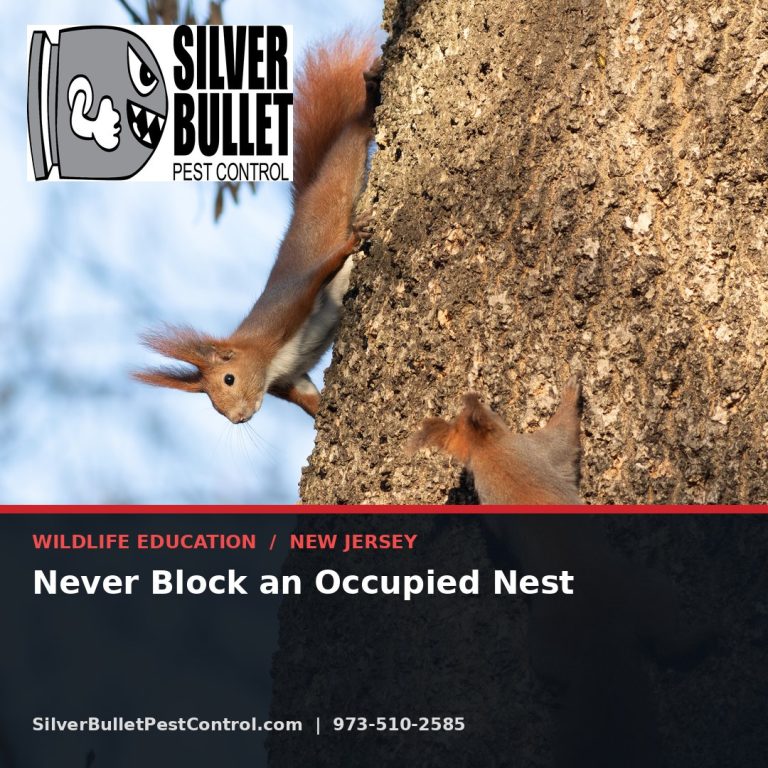
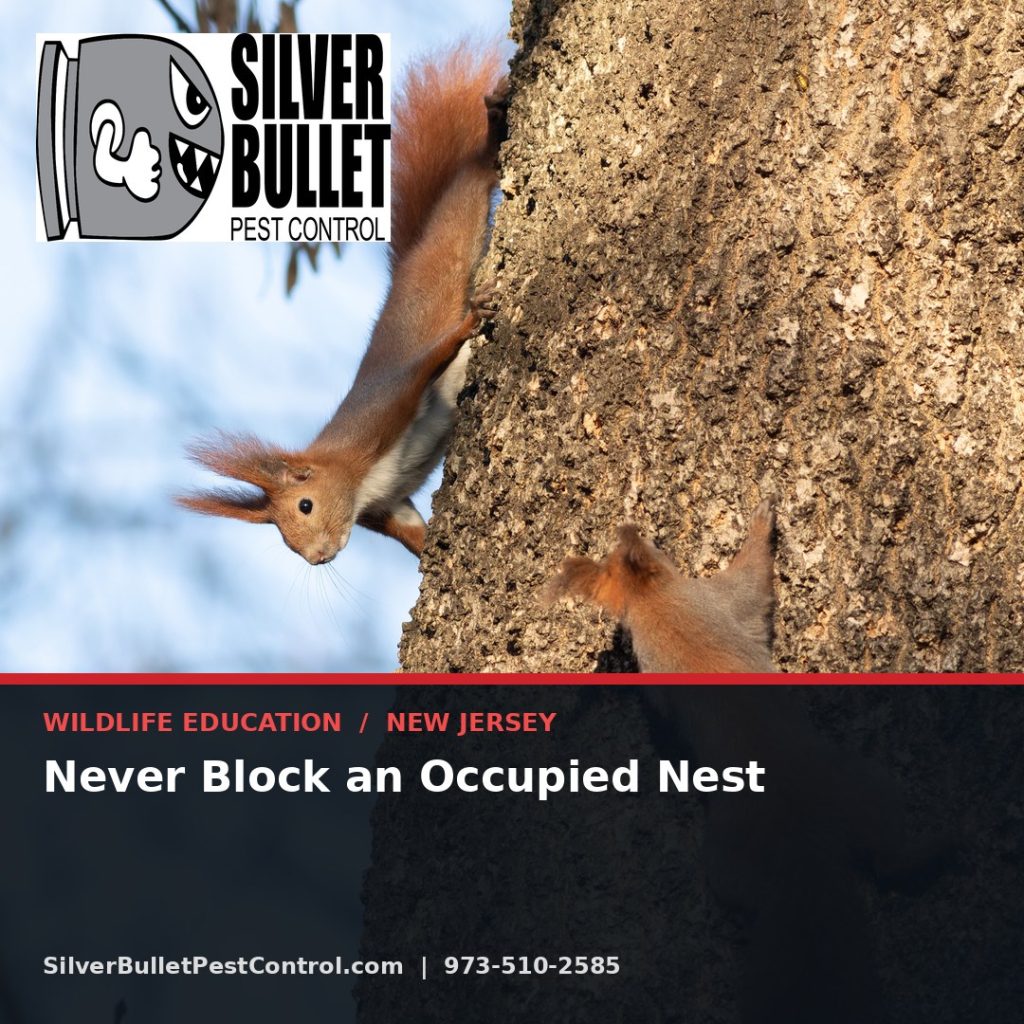
Educational image about not blocking an occupied nest
Trees

Cut the roof highways

  • Branches touching or hanging over the roof
  • Trees within jumping distance of the roof
  • Wires running from poles to the house

Squirrels and raccoons use branches as bridges. Trimming branches back from the roof helps a lot, though flying squirrels can glide farther. Never touch utility lines β€” call the utility company.

Gap at a roofline that animals could use
Roofline

Close roof-edge gaps

  • Gaps at corners and dormers
  • Loose drip edge or flashing
  • Openings behind gutters

These are the gaps animals test first. Materials matter: foam and thin screen get chewed or pulled out, so use metal, heavy mesh or solid wood repairs.

Exclusion work on a home's exterior
Vents and chimney

Guard vents, cap the chimney

  • Plastic or rusted vent covers
  • Gable vents with thin screens
  • An open chimney flue

Raccoons pull thin covers off and squirrels chew through them. Heavy-gauge vent guards and a chimney cap close two of the most common openings.

When wildlife tries to get into NJ attics: a seasonal calendar

Timing your prevention work around the animals' calendar makes it safer and more effective:

SeasonWhat's happeningWhat you should do
Late winterGray squirrels look for nest sites for their first litterCheck the roofline; watch for squirrels going in and out
SpringSquirrel and raccoon babies are in dens; bats returnDon't seal openings yourself β€” have them checked for young
SummerBat pups in roosts; second squirrel litters begin late summerLeave bat entries alone May 1 – July 31 (NJ rule)
FallAnimals look for warm winter shelter; mice move indoorsBest time for many repairs and sealing, after checking for animals
WinterFlying squirrels group up in attics; raccoons denListen for night noise; check for daylight in the attic

New Jersey bat exclusion is allowed April 1–30 and August 1–October 15, not May 1–July 31, and October 16–March 31 only after an acoustic survey shows no bats. See bat exclusion season in NJ and baby squirrel and raccoon season.

Yard habits that make your home less attractive to wildlife

πŸ—‘οΈ

Secure trash

Use locking lids and keep cans in a garage or enclosure. Trash is the main reason raccoons visit a property.

🐦

Manage bird feeders

Spilled seed feeds squirrels, raccoons, mice and rats. Use trays and clean up underneath.

🐾

Bring pet food in

Bowls left outside overnight draw raccoons and skunks right to your door.

πŸͺ΅

Clear clutter near the house

Wood piles, dense shrubs and debris against the walls give rodents cover. Keep them away from the foundation.

More practical ideas: squirrel and raccoon prevention tips and how to keep mice out of your house.

What doesn't keep wildlife out of the attic

A lot of products and tricks promise to keep animals away. Most don't work for long, and some make things worse:

  • Ultrasonic devices, lights and radios. Animals get used to them, especially a mother with young that has nowhere else to go.
  • Mothballs. They're a pesticide made for closed containers, and using them in an attic or outdoors goes against the label. The fumes are unpleasant for people, and animals often ignore them.
  • Spray repellents. Smell- and taste-based repellents may move an animal for a short time but wear off with weather and time.
  • Expanding foam or steel wool alone. Squirrels and rats chew through foam, and plain steel wool rusts and falls apart. Use stainless steel mesh, metal or solid repairs.
  • Trapping one animal. If the opening stays, another animal moves in. Relocating wildlife also has legal rules in NJ.

The biggest mistake: sealing a hole while an animal or its babies are still inside. Trapped animals chew new holes, sometimes into living space, or die in the walls.

See home remedies for squirrels and raccoons for a closer look.

When to call a professional β€” and how a visit helps

1

You hear animals inside

Noise in the attic or walls means something is already in. It needs to come out before anything is sealed.

2

You find droppings or nests

Droppings and nests in insulation mean cleanup is needed, and some droppings carry health risks. Don't sweep or vacuum them.

3

The roof is high or steep

Roofline work at height is dangerous. A wildlife company has the equipment to do it safely.

4

You've sealed before and they came back

That usually means a missed opening or the wrong material. A full inspection finds the rest.

5

You want it done once, properly

Silver Bullet Pest Control inspects the whole roofline, removes animals, seals every opening and repairs soffits and fascia ourselves.

Our animal proofing and exclusion service covers the whole house, from the chimney to the foundation. Call or text 973-510-2585 for a free quote.

Get a Free Roofline Inspection Quote

Prefer to have a pro check? We'll inspect your roofline and attic, show you every weak spot and give you a free quote to seal them.

Why homeowners call us for prevention

  • They had animals before and don't want them back
  • Older roof with soft soffits or fascia
  • Trees hanging over the roof
  • New solar panels or roof work planned
  • Selling or buying a home
πŸ“ž Call 973-510-2585

Request Service

πŸ”’ Your info stays private Β· Hablamos espaΓ±ol.

What's bugging you? - Step 1 of 3

Preventing Wildlife in the Attic: Questions

How do animals get into attics?

Most animals use weak spots on the roofline: softened roof corners, damaged soffits or fascia, thin vent covers, gaps behind gutters and uncapped chimneys. Squirrels and raccoons can widen small gaps, and bats and flying squirrels use very small openings.

What is the best way to keep animals out of the attic?

Seal every roofline opening with durable materials like metal, heavy mesh and solid wood repairs, put guards on vents, cap the chimney and trim branches back from the roof. Combine that with secure trash and no outdoor food sources.

Can I seal the holes myself?

You can seal small, low gaps if you're certain nothing is inside and you use materials animals can't chew. For roofline work at height, openings that may have animals inside, or bats, a licensed professional is the safer choice.

How do I know if an animal is still inside before sealing?

Listen for noise at different times of day, look for fresh droppings, and loosely stuff a hole with paper to see if it's pushed out. If you're unsure β€” especially in spring when babies are present β€” have it inspected first.

What time of year should I animal-proof my attic?

Late summer and fall are good times for many homes, after most babies have left and before animals look for winter shelter. Avoid sealing on your own in spring, and leave bat openings alone from May 1 to July 31.

Do mothballs keep squirrels out of the attic?

No, and using them that way goes against the product label. Mothballs are made for closed containers, the fumes are unpleasant for people, and squirrels often ignore them.

Will trimming trees keep squirrels off my roof?

It helps, because branches are the main path onto the roof. But squirrels also climb walls, gutters and wires, and flying squirrels glide, so trimming should be combined with sealing the roofline.

How often should I check my roofline?

At least twice a year, in spring and fall, and after big storms. Look for new gaps, chewed spots, damaged vents and animals going in and out.

Does attic insulation affect wildlife?

Animals nest in insulation and soil it with droppings and urine. If animals have been in your attic, the insulation often needs to be removed and replaced after cleanup, which we do ourselves.

Who can help prevent wildlife in my attic in North Jersey?

Silver Bullet Pest Control, based in Garfield, inspects, removes animals, seals homes and repairs roofline damage in Bergen, Passaic, Essex and Hudson counties. We also serve Morris and Union counties with visits scheduled ahead.

ΒΏCΓ³mo evito que entren animales al Γ‘tico?

Selle todas las aberturas del techo con materiales resistentes, ponga protectores en las ventilaciones, tape la chimenea y corte las ramas cerca del techo. Si ya hay animales adentro, llΓ‘menos al 973-510-2585. Hablamos espaΓ±ol.

Is rodent proofing included in the price?

Rodent-proofing and exclusion services are quoted separately from pest control treatments and protection plans. Every property has unique entry points, structural conditions, and sealing requirements. Every home is built differently, so we use the materials each one needs, such as steel mesh, hardware cloth, sheet metal, concrete and sealant, on an as-needed basis. Following an inspection, we provide a customized estimate based on the specific work needed to help prevent rodents from entering your property.

Attic wildlife prevention across North Jersey

From our base in Garfield we inspect and seal homes against wildlife throughout Bergen, Passaic, Essex and Hudson counties.

Our service area

Union County

973-510-2585
  • Berkeley Heights
  • Clark
  • Cranford
  • Elizabeth
  • Fanwood
  • Garwood
  • Hillside
  • Kenilworth
  • Linden
  • Mountainside
  • New Providence
  • Plainfield
  • Rahway
  • Roselle
  • Roselle Park
  • Scotch Plains
  • Springfield
  • Summit
  • Union
  • Westfield

Morris County

973-510-2585
  • Boonton
  • Butler
  • Cedar Knolls
  • Chatham
  • Denville
  • Dover
  • East Hanover
  • Florham Park
  • Hanover
  • Kinnelon
  • Lincoln Park
  • Madison
  • Mendham
  • Montville
  • Morris Plains
  • Morristown
  • Mountain Lakes
  • Parsippany
  • Pequannock
  • Randolph
  • Riverdale
  • Rockaway
  • Roxbury
  • Whippany

Updated November 2026 by the Silver Bullet Pest Control team, Garfield, NJ β€’ NJ License 90568B

Scroll to Top