Silver Bullet Pest Control logoSilver Bullet Pest Control
Termite Damage Repair Β· North Jersey

Termite Damage Repair in NJ: Sill Plates, Joists, Beams & Framing

A screwdriver that sinks into the sill plate, a sagging floor over the basement, or termite damage found during a renovation or home inspection? Silver Bullet Pest Control treats the termites first and then our own crew repairs the damaged wood: sill plates, floor joists, beams and framing. One company, one plan, no finger-pointing between an exterminator and a contractor.

4.9 stars on Google β€’ NJ License 90568B β€’ 15+ years β€’ Based in Garfield β€’ Hablamos espaΓ±ol

Text photos of the damaged wood to 973-510-2585. We'll tell you if it looks like termites, rot or carpenter ants.

How is termite damage repaired in NJ?

Termite damage repair in NJ starts with treating the active termites, then opening up and probing the wood to find where the damage ends, and finally reinforcing or replacing what's weak: sistering new lumber alongside damaged joists, replacing sections of sill plate, and reinforcing beams and framing. Silver Bullet Pest Control does both the termite treatment and the structural wood repair with our own crew across Bergen, Passaic, Essex and Hudson counties. Call or text 973-510-2585 for a free quote.

Why the termites have to be treated before the repair

It's tempting to call a carpenter, replace the bad wood and move on. The problem is that eastern subterranean termites, the species that causes nearly all termite damage in North Jersey, live in the soil, not in the wood. Replacing a joist doesn't touch the colony. If it's still active, the workers simply move into the new lumber, often behind new drywall where nobody sees them for years.

That's why we do it in this order:

  1. Inspect to find every active area and the route termites use to get into the house.
  2. Treat the termites, usually a soil treatment along the foundation plus the active areas.
  3. Repair the damaged wood once the activity is under control, so new framing goes into a house that's protected.

Because the same company does both, you aren't stuck between a contractor who says "it's a pest problem" and an exterminator who says "it's a carpentry problem."

What termite damage we repair

Our crew handles the structural wood termites usually attack in North Jersey homes:

Cracks in a concrete foundation wall
Most common

Sill plates

  • The wood that sits right on top of the foundation
  • First wood termites reach from the soil
  • Soft, crumbly or hollow when probed

Damaged sill sections are cut out and replaced with new lumber, with the house supported while the work is done. Sill damage is the most common termite repair we see in older homes with block or stone foundations.

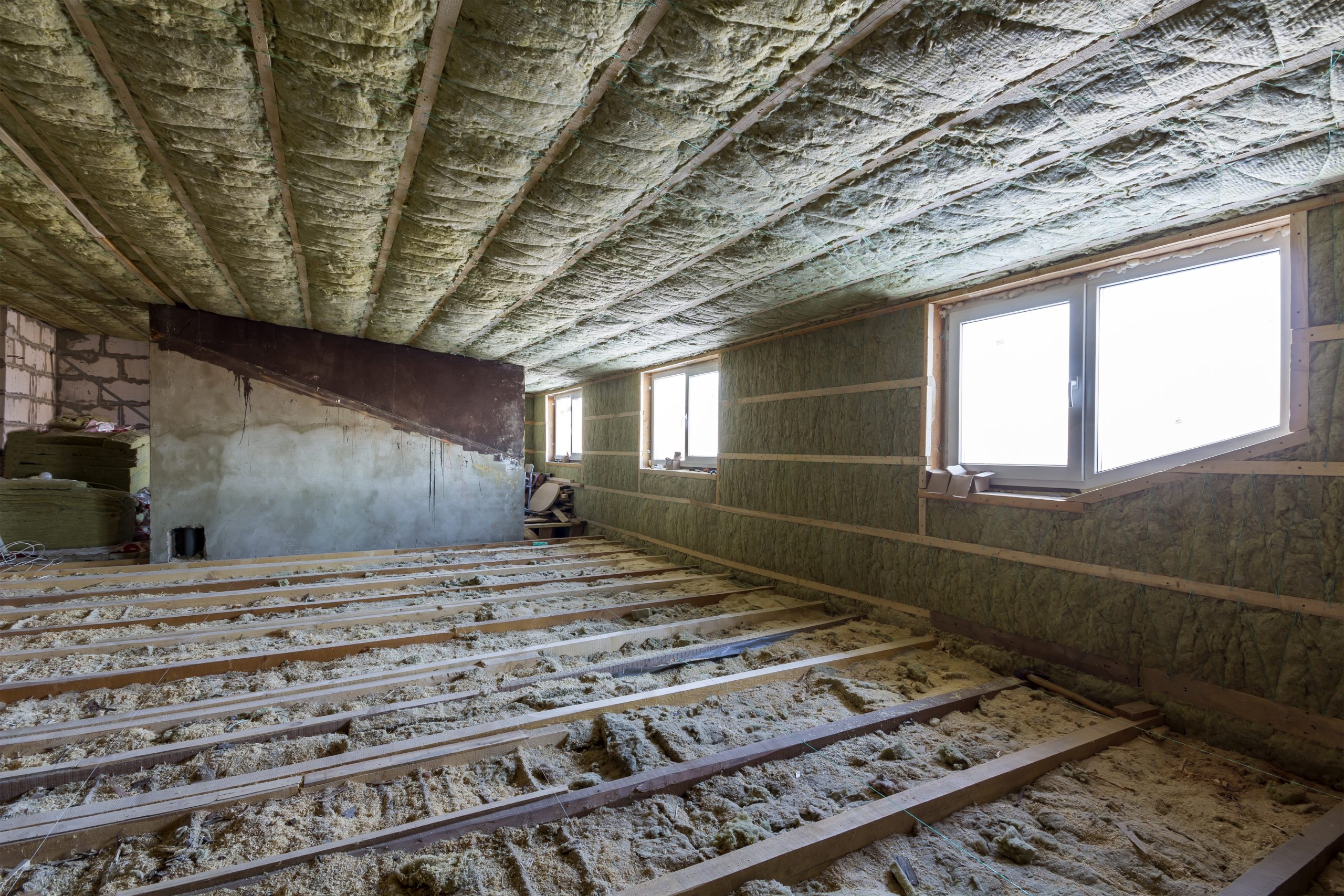
Exposed wood framing in a house under construction
Floors

Floor joists and rim joists

  • Bouncy, sagging or sloping floors
  • Joist ends eaten where they sit on the sill
  • Damage hidden above basement ceilings

Damaged joists are usually sistered: new full-length lumber is fastened alongside the old joist so it carries the load again. Badly damaged sections may be replaced.

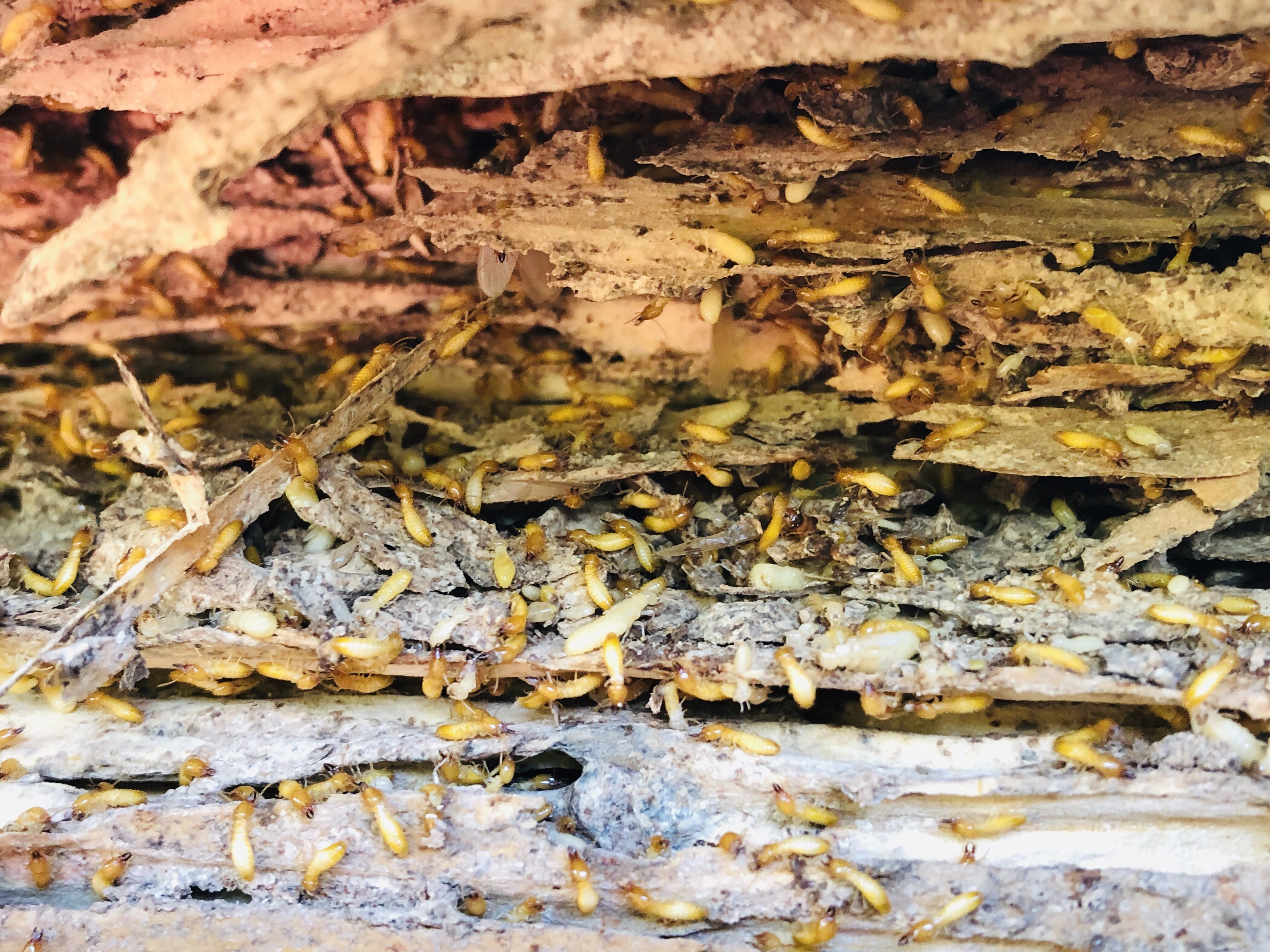
Termite workers in damaged wood
Structure

Beams, posts and framing

  • Main beams and support posts in the basement
  • Wall studs, door and window framing
  • Porch and addition framing near the soil

Beams and posts are reinforced or replaced depending on how far the damage goes, and damaged wall framing is repaired where we open it up. We explain each step and what it involves before we start.

How bad is it? Judging termite damage

Termites eat wood from the inside out and leave the surface intact, so damage almost always looks smaller from the outside than it is. To find where it really ends, we probe the wood with a tool, tap for hollow spots, check both ends of joists where they sit on the sill, and open finished walls or ceilings where the signs point.

What we findWhat it usually meansTypical fixSurface galleries, wood still firmLight damageTreat; often no structural repair neededProbe sinks in, wood crumbles in spotsModerate damage to part of a memberSister or reinforce the affected sectionHollow wood, packed with mudHeavy damage; wood isn't carrying loadReplace the section with the house supportedSagging floor, cracks in walls aboveSeveral members affectedA larger repair plan, joists, sill and beam together

Don't jump on a soft floor or remove a post to "see how bad it is." If a floor is sagging or a beam looks crushed, stay off it and call.

Our termite damage repair process

1

Inspection and treatment plan

We confirm it's termites, find active areas and the entry route, and treat the colony's way into the house.

2

Open up and map the damage

We expose and probe the affected wood and show you exactly what's damaged, with photos if you want them.

3

Support and repair

We support the structure where needed, then sister, reinforce or replace sill plates, joists, beams and framing.

4

Close up and advise

We close up the work area and point out moisture and wood-to-soil problems that invite termites back.

Some larger structural repairs may need a building permit from your town. We'll talk through the scope with you; check with your local building department if you're unsure what applies to your house.

Termite damage or something else?

Not every piece of soft wood is termites. The fix is different for each:

CauseWhat the wood looks likeWhat it needs
Subterranean termitesGalleries along the grain, packed with dirt; mud tubes nearbyTermite treatment, then wood repair
Carpenter antsSmooth, clean galleries; piles of sawdust-like shavingsAnt treatment, fix moisture, repair the wood
Wood rot (fungus)Soft, cracked into cubes or stringy, often discolored; no insectsFix the leak, replace the rotted wood
Water damageStained, swollen or warped wood near leaksFix the water source; repair as needed

Plenty of damage is a mix: a leak softens the wood and termites move in. See termite damage vs. water damage and carpenter ant damage.

Termite damage found during a home sale

A lot of termite damage in New Jersey is discovered during a home inspection or a wood-destroying insect inspection before closing. When that happens, time is short and both sides want clear answers.

  • Sellers: we can inspect, treat and repair, and explain what we did in plain language for the buyer's side.
  • Buyers: we can look at what the inspector flagged and tell you whether the termites are active and what the repair involves.
  • Tell us the closing date, the lender, and who needs paperwork, as early as possible.

More: termite inspections for buyers and sellers and VA termite inspections in NJ. Ask us about the specific report form your lender requires.

What affects the cost of termite damage repair

Every repair is different, so we give a free quote after we see the damage. What changes it:

FactorWhy it matters
How far the damage goesA few feet of sill is a small job; damage running along a whole wall is not.
Which wood is damagedSill sections and joists are routine; main beams and load-bearing posts need more support work.
AccessAn open basement is easy to work in; finished ceilings, walls and crawl spaces have to be opened and closed.
Moisture problemsLeaks and drainage that caused or worsened the damage need fixing too.
Termite treatmentTreatment is quoted alongside the repair, since it has to be done first.

Most homeowners insurance policies don't cover termite damage, so catching it early is what keeps the bill down. Check your own policy to be sure.

Keeping termites from coming back after the repair

πŸ’§

Control the water

Gutters clean, downspouts carried away from the foundation, plumbing and basement leaks fixed, a dehumidifier in a damp basement.

πŸͺ΅

No wood touching soil

Deck posts, porch steps, fence boards and firewood off the ground and away from the house.

🌱

Watch the mulch line

Keep mulch and soil a few inches below the siding so termites can't sneak in unseen.

πŸ”¦

Re-inspect

A professional inspection every year or two, and a quick look at the basement walls each spring before swarm season.

Get a Free Termite Damage Repair Quote

Send photos of the damage and tell us where it is (basement, porch, floor, wall). We'll set up an inspection and give you a free quote for treatment and repair.

Why North Jersey calls us for termite damage

  • We treat the termites and repair the wood ourselves
  • Sill plates, joists, beams and framing
  • Honest answers: termites, rot or carpenter ants
  • Licensed, NJ License 90568B, 4.9 stars on Google
  • Hablamos espaΓ±ol
πŸ“ž Call 973-510-2585

Request Service

πŸ”’ Your info stays private Β· Hablamos espaΓ±ol.

What's bugging you? - Step 1 of 3

Termite Damage Repair Questions

Can termite damage be repaired?

Yes. Most termite damage to sill plates, joists, beams and framing can be repaired by reinforcing the damaged wood (sistering) or cutting out and replacing damaged sections. The termites have to be treated first so they don't attack the new wood.

Should I repair the damage or treat the termites first?

Treat first. Subterranean termites live in the soil, so new wood installed while the colony is still active just becomes their next meal. We treat, confirm the activity is under control, and then repair.

Is termite damage covered by homeowners insurance?

Usually not. Most policies treat termite damage as a maintenance issue and exclude it. Check your own policy, and if a covered event like a sudden collapse is involved, ask your insurer.

How do I know if the damage is old or active?

Active damage often has live termites, moist mud in the galleries or fresh mud tubes; old damage is dry and empty. It's hard to tell for sure without probing and inspecting, so leave the wood as it is and send us photos.

Is my house safe to live in with termite damage?

In most cases yes, because termite damage builds slowly and the house has other framing carrying the load. Sagging floors, cracking walls above, or a crushed-looking beam or post are warning signs. Stay off the area and call right away.

How long does termite damage repair take?

A small sill or joist repair can often be done in a day or two. Larger repairs involving several joists, a beam or a long run of sill take longer. We give you a timeline with the quote.

How much does termite damage repair cost in NJ?

It depends on how much wood is damaged, which members are involved, how hard the area is to reach, and whether moisture problems need fixing. We give a free quote after inspecting.

Do you repair carpenter ant damage too?

Yes. Once the carpenter ants and the moisture behind them are dealt with, damaged wood can be repaired the same way as termite damage.

What areas do you serve for termite repair?

We're based in Garfield and serve Bergen, Passaic, Essex and Hudson counties. We also serve some towns in Morris and Union counties, with visits scheduled ahead.

Are you licensed?

Yes. Silver Bullet Pest Control holds NJ License 90568B for pest control and has over 15 years of experience.

ΒΏReparan daΓ±os de termitas?

SΓ­. Primero tratamos las termitas y luego nuestro equipo repara la madera daΓ±ada: soleras, vigas y estructura. Hablamos espaΓ±ol. Llame o mande texto al 973-510-2585.

Termite damage repair in North Jersey

Based in Garfield, we repair termite damage across Bergen, Passaic, Essex and Hudson counties.

Our service area

Union County

973-510-2585
  • Berkeley Heights
  • Clark
  • Cranford
  • Elizabeth
  • Fanwood
  • Garwood
  • Hillside
  • Kenilworth
  • Linden
  • Mountainside
  • New Providence
  • Plainfield
  • Rahway
  • Roselle
  • Roselle Park
  • Scotch Plains
  • Springfield
  • Summit
  • Union
  • Westfield

Morris County

973-510-2585
  • Boonton
  • Butler
  • Cedar Knolls
  • Chatham
  • Denville
  • Dover
  • East Hanover
  • Florham Park
  • Hanover
  • Kinnelon
  • Lincoln Park
  • Madison
  • Mendham
  • Montville
  • Morris Plains
  • Morristown
  • Mountain Lakes
  • Parsippany
  • Pequannock
  • Randolph
  • Riverdale
  • Rockaway
  • Roxbury
  • Whippany

Updated November 2026 by the Silver Bullet Pest Control team, Garfield, NJ β€’ NJ License 90568B

Scroll to Top