
 Silver Bullet Pest Control
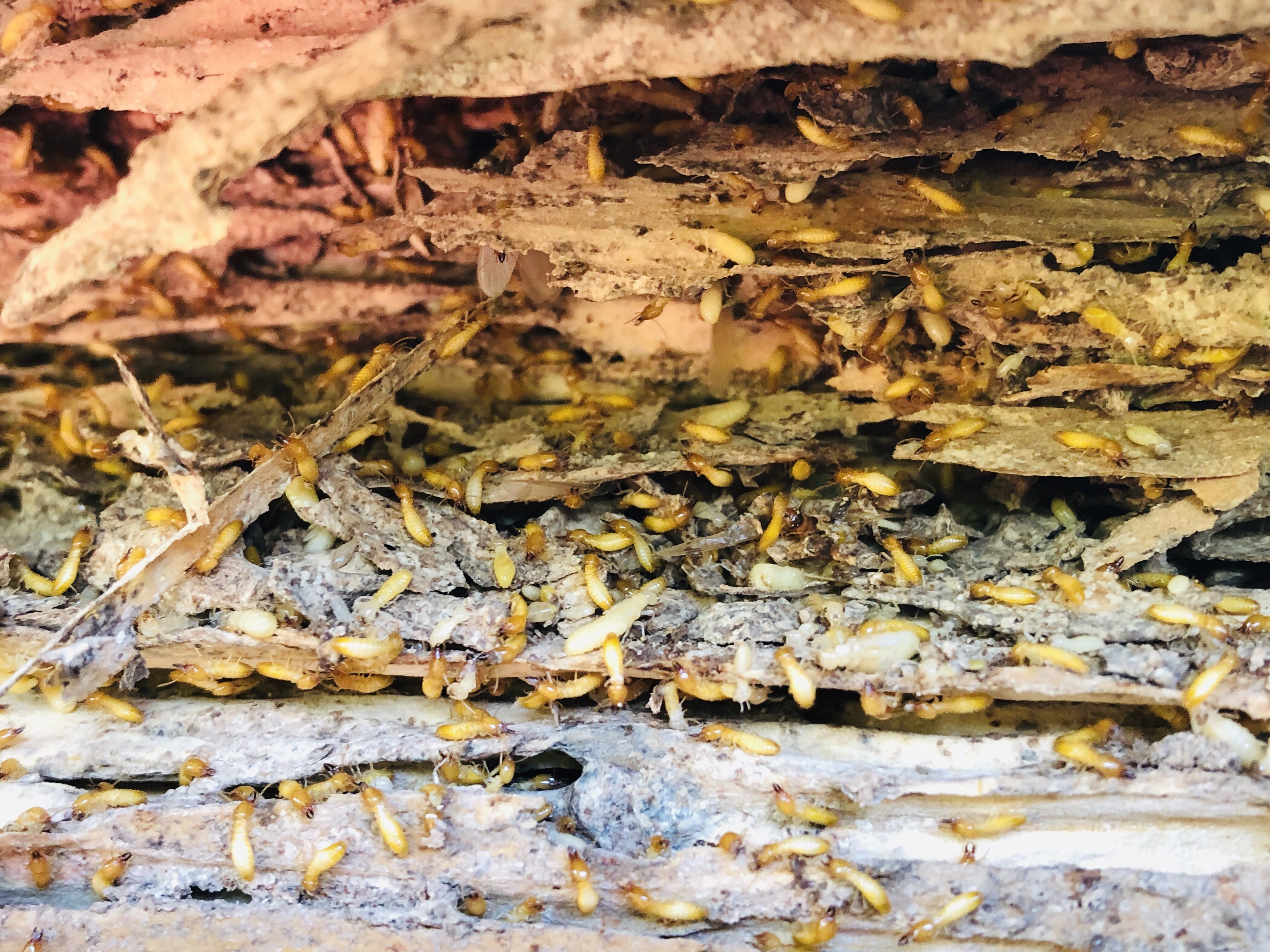
Are There Other Signs of Termite Activity Aside from Seeing Wood Damage?
You haven't found chewed wood — but something seems off. In New Jersey, the termites that attack homes are subterranean termites, and they stay hidden. These are the other signs that give them away long before you see damage, plus what to do when you find one.
4.9 stars on Google • NJ License 90568B • 15+ years • Based in Garfield • Hablamos español
Found mud tubes or wings? Text a photo to 973-510-2585 and we'll tell you what it is.
- ✓ Same-day appointments often available
- ✓ Licensed & insured in NJ
- ✓ Homes & businesses
- ✓ English & Español
What are the signs of termite activity besides wood damage?
The main signs of termite activity besides wood damage are mud tubes on the foundation or basement walls, swarms of winged insects indoors in spring, piles of shed wings on window sills, and bubbling or rippled paint, sagging drywall or doors and windows that suddenly stick. In New Jersey these signs almost always point to subterranean termites, which travel from the soil inside mud tubes. If you see any of them, leave the area undisturbed and have a licensed company inspect — call or text 973-510-2585 for a free quote.
Signs of termites at a glance
Here is every common sign of termite activity other than visible wood damage, where you'd usually find it and how strong a clue it is.
| Sign | Where you'd see it | How strong a clue |
|---|---|---|
| Mud tubes | Foundation, basement walls, piers, sill plate, slab cracks | Very strong — almost always termites |
| Winged swarmers indoors | Near windows, doors, basement lights, spring days | Very strong — a colony is close by |
| Piles of shed wings | Window sills, floors, spider webs, bathtubs | Strong — swarm already happened |
| Bubbling or rippled paint | Baseboards, door frames, walls near the floor | Medium — moisture can do this too |
| Pinholes in drywall | Walls and ceilings, sometimes with dirt in them | Medium to strong |
| Sticking doors or windows | Frames that suddenly bind | Weak alone — check with other signs |
| Hollow sound when tapped | Baseboards, trim, floor joists | Medium — needs a closer look |
| Soil in odd places | Dirt in cracks, around nails, behind trim | Strong — termites bring soil with them |
One weak sign on its own isn't cause for panic. Two or more, or any mud tube, is a reason to get an inspection.
Mud tubes: the clearest sign of termite activity
Subterranean termites dry out quickly in open air, so they build tunnels of soil, saliva and chewed wood to travel from the ground to the wood in your house. These mud tubes are usually about the width of a pencil and run up foundation walls, block, piers, pipes and chimney bases.
You'll most often find them:
- On the inside of basement foundation walls, especially behind stored boxes and shelving
- Along the sill plate where the house frame sits on the foundation
- Around plumbing and drains that pass through the slab
- On the outside of the foundation behind shrubs, steps, porches and stucco
- In garages, under stairs and in crawl spaces
How to tell if a tube is active: break off a small piece in the middle and check back in a few days. If it's been rebuilt, termites are using it. If it stays broken, it may be old — but old tubes still mean termites were there and could be feeding somewhere else.
Don't spray the tubes or tear them all down. That just makes it harder to see where termites are working. Leave them in place for the inspection.
Termite swarmers and discarded wings
Swarmers are the winged adults a mature colony sends out to start new colonies. In North Jersey they usually swarm on warm days in spring, often after rain.
Winged termites inside
- Dark brown to black, about 3/8 inch
- Four wings the same length
- Straight antennae, thick waist
- Drawn to windows and lights
Swarmers inside the house almost always come from a colony under or in the house, not from outdoors. They die quickly and don't bite or chew, but the colony that made them is still there.

Where they come out
- Slab and foundation cracks
- Gaps around pipes and drains
- Expansion joints in basements
- Baseboards and door frames
Swarmers often exit through tiny cracks in the basement floor or walls. Seeing them pour out of one spot tells an inspector where to look first.
Piles of shed wings
- Small, see-through wings
- All about the same size
- On sills, floors and in webs
- Often the only clue left
Swarmers lose their wings within hours. If you only find wings and no insects, a swarm already happened — sweep a few into a bag and keep them for the inspection.
Other signs of termites inside the house
Paint that bubbles
Termites carry moisture into the wood behind paint, so it can blister or look like water damage — often near baseboards and door frames.
Doors and windows that stick
Termite tunnels and the moisture they bring can make wood swell and frames bind. A clue only when it shows up with other signs.
Hollow or papery wood
Wood that sounds hollow or dents easily with a screwdriver can be eaten inside while the surface still looks fine.
Pinholes and dirt
Tiny holes in drywall or trim, sometimes plugged with soil, and dirt where there shouldn't be any.
Paint bubbles and swollen wood can also be plain water damage. Our guide to termite damage vs. water damage explains the difference.
Where to check for termite signs in a North Jersey home
Many homes across Bergen, Passaic, Essex and Hudson counties are older wood-frame houses and two-families on block or stone foundations, often with finished basements. That makes termites easy to miss. Spend ten minutes checking these spots twice a year:
- Basement walls and sill plate — move boxes away from the walls and look for mud tubes, especially in corners.
- Around the outside foundation — behind shrubs, under porches and steps, and where mulch or soil touches siding.
- Garage — where the wall framing meets the slab.
- Bathrooms and kitchen — around tubs, toilets and sinks where pipes go through the floor.
- Window sills — for wings in spring.
- Wood touching the ground — deck posts, fences, firewood piles and landscape timbers next to the house.
Finished basements hide the sill plate and walls behind drywall. If yours is finished, look for bubbling paint near the floor and soft baseboards — and consider a professional inspection, since we know how to check without tearing walls open.
Things that look like termite signs but aren't
| What you found | Could be termites if… | More likely something else if… |
|---|---|---|
| Winged insects | Thick waist, straight antennae, four equal wings | Pinched waist and longer front wings — likely carpenter ants |
| Sawdust piles | — | Coarse shavings under wood: carpenter ants or carpenter bees, not subterranean termites |
| Round holes in a deck or fascia | — | Perfect round holes about 1/2 inch wide: carpenter bees |
| Soft, stained wood | Mud or soil in the wood, layered tunnels | Dark, crumbly, smells musty: rot from a leak |
| Small brown pellets | — | Subterranean termites don't leave pellets; check with us before assuming |
Carpenter bee holes? See carpenter bee treatment.
Found a sign of termites? What to do next
Don't disturb it
Leave mud tubes in place and don't spray. Termites will move, and the trail goes cold.
Take photos and keep samples
Photograph the tubes or damage with something for scale, and seal a few swarmers or wings in a bag.
Call for an inspection
Call or text 973-510-2585. We confirm what it is and how far it goes, and give you a free quote.
Treat, then repair
Once termites are treated, we can repair damaged sill plates, joists, beams and framing ourselves.
Buying or selling a home? See termite inspections for buyers and sellers and VA termite inspections in NJ.
What a professional termite inspection adds
A homeowner can spot obvious mud tubes. A licensed inspector looks for the less obvious signs and decides how serious the problem is. On a visit we:
- Check the whole foundation inside and out, including the sill plate, crawl spaces, garage and attached porches
- Probe and sound wood to find hidden galleries and soft spots
- Look for moisture problems — leaks, gutters, grading — that make termites more likely
- Tell you whether the activity is current or old
- Explain treatment options in plain language, and whether any wood needs repair
Wondering which treatment fits? Read Sentricon vs. liquid termite treatment and does termite spray work, then ask us which fits your home.
More termite help
Get a Free Termite Quote
Tell us what you found — mud tubes, wings, bubbling paint — and send a photo. We'll tell you if it looks like termites and set up an inspection.
Why homeowners call us about termite signs
- Mud tubes on the basement wall
- Winged insects pouring out of a crack in spring
- Wings piled on a window sill
- Bubbling paint or soft baseboards
- A home sale or VA loan that needs an inspection
Request Service
🔒 Your info stays private · Hablamos español.
Questions About Termite Signs
What is the first sign of termites?
For most New Jersey homeowners, the first sign is either a swarm of winged insects indoors in spring or mud tubes on the foundation or basement wall. Wood damage usually comes later because subterranean termites eat wood from the inside and stay hidden. Spotting tubes or wings early can save a lot of repair work.
What do termite mud tubes look like?
Mud tubes are thin, brownish tunnels about the width of a pencil, made of soil and chewed wood. They run up foundation walls, piers, pipes and the sill plate, sometimes branching like roots. If you break a piece and it's rebuilt within days, termites are actively using it.
Do termite wings mean I have termites?
Usually, yes. Piles of small, equal-sized wings on window sills or floors mean a swarm happened, and indoor swarms almost always come from a colony in or under the house. Keep a few wings in a sealed bag and have the home inspected.
Can you have termites without seeing damage?
Yes, very often. Subterranean termites feed inside wood and behind walls, so the surface can look normal for a long time. That's why other signs — mud tubes, swarmers, wings, bubbling paint or soil in cracks — matter so much, along with regular inspections.
What time of year do termites swarm in New Jersey?
Subterranean termites in New Jersey usually swarm in spring, on warm days, often after rain. Indoor swarms can also happen earlier in heated basements. A swarm lasts a short time and the insects die quickly, but the colony that produced them is still active.
Is bubbling paint a sign of termites?
It can be. Termites bring moisture into wood, which can make paint blister or ripple, often near baseboards and door frames. But leaks and humidity cause the same thing, so look for other signs nearby, like soft wood, soil in cracks or mud tubes, and have it checked.
Do subterranean termites leave droppings or sawdust?
No. Subterranean termites, the kind found in New Jersey homes, use their waste and soil to build tubes and pack their tunnels, so they don't leave piles. Sawdust-like piles usually point to carpenter ants, and round holes with sawdust usually point to carpenter bees.
Should I spray the termites I see?
No. Spraying swarmers or mud tubes kills a few termites but leaves the colony untouched, and it can push them to feed in another part of the house. Leave everything in place, take photos and call for an inspection so the treatment reaches the colony.
How often should I check my house for termite signs?
Check the basement, foundation and window sills yourself at least twice a year, especially in spring. A professional inspection is worth doing if you see any sign, before buying or selling a home, or if your home has had termites before.
Will you fix termite damage after treatment?
Yes. After termites are treated, we repair damaged wood ourselves, including sill plates, joists, beams and framing. We show you what we found and quote the repair separately from the treatment.
¿Cuáles son las señales de termitas además del daño en la madera?
Tubos de barro en la base de la casa, termitas con alas dentro en primavera, alas tiradas en las ventanas y pintura con burbujas. Mándenos una foto al 973-510-2585. Hablamos español.
Termite inspections near you
From our base in Garfield we inspect and treat homes across Bergen, Passaic, Essex and Hudson counties.
Our service area
Bergen County
973-510-2585- Allendale
- Bergenfield
- Bogota
- Carlstadt
- Cliffside Park
- Closter
- Cresskill
- Demarest
- Dumont
- East Rutherford
- Edgewater
- Elmwood Park
- Emerson
- Englewood
- Englewood Cliffs
- Fair Lawn
- Fairview
- Fort Lee
- Franklin Lakes
- Garfield
- Glen Rock
- Hackensack
- Harrington Park
- Hasbrouck Heights
- Haworth
- Hillsdale
- Ho-Ho-Kus
- Leonia
- Little Ferry
- Lodi
- Lyndhurst
- Mahwah
- Maywood
- Midland Park
- Montvale
- Moonachie
- New Milford
- North Arlington
- Northvale
- Norwood
- Oakland
- Old Tappan
- Oradell
- Palisades Park
- Paramus
- Park Ridge
- Ramsey
- Ridgefield
- Ridgefield Park
- Ridgewood
- River Edge
- River Vale
- Rochelle Park
- Rutherford
- Saddle Brook
- Saddle River
- South Hackensack
- Teaneck
- Tenafly
- Teterboro
- Upper Saddle River
- Waldwick
- Wallington
- Washington Township
- Westwood
- Woodcliff Lake
- Wood-Ridge
- Wyckoff
Passaic County
973-510-2585- Bloomingdale
- Clifton
- Haledon
- Hawthorne
- Little Falls
- North Haledon
- Passaic
- Paterson
- Pompton Lakes
- Prospect Park
- Ringwood
- Totowa
- Wanaque
- Wayne
- West Milford
- Woodland Park
Essex County
973-510-2585- Belleville
- Bloomfield
- Caldwell
- Cedar Grove
- East Orange
- Essex Fells
- Fairfield
- Glen Ridge
- Irvington
- Livingston
- Maplewood
- Millburn
- Montclair
- Newark
- North Caldwell
- Nutley
- Orange
- Roseland
- Short Hills
- South Orange
- Verona
- West Caldwell
- West Orange
Hudson County
973-510-2585Union County
973-510-2585- Berkeley Heights
- Clark
- Cranford
- Elizabeth
- Fanwood
- Garwood
- Hillside
- Kenilworth
- Linden
- Mountainside
- New Providence
- Plainfield
- Rahway
- Roselle
- Roselle Park
- Scotch Plains
- Springfield
- Summit
- Union
- Westfield
Morris County
973-510-2585- Boonton
- Butler
- Cedar Knolls
- Chatham
- Denville
- Dover
- East Hanover
- Florham Park
- Hanover
- Kinnelon
- Lincoln Park
- Madison
- Mendham
- Montville
- Morris Plains
- Morristown
- Mountain Lakes
- Parsippany
- Pequannock
- Randolph
- Riverdale
- Rockaway
- Roxbury
- Whippany
Updated November 2026 by the Silver Bullet Pest Control team, Garfield, NJ • NJ License 90568B