Silver Bullet Pest Control logoSilver Bullet Pest Control
Termites Β· Hackensack Β· Bergen County

Termite Exterminator & Termite Inspection in Hackensack, NJ

Soft wood around a back door, dirt tubes on the basement wall of a two-family, or an inspection needed before a closing? Silver Bullet Pest Control inspects Hackensack homes and buildings for termites, tells you plainly what we find, and treats where the colony is getting in β€” before it becomes a carpentry bill.

4.9 stars on Google β€’ NJ License 90568B β€’ 15+ years β€’ About 15 minutes away in Garfield β€’ Hablamos espaΓ±ol

Found winged bugs or dirt tubes? Text a photo to 973-510-2585 and we'll tell you if it's termites.

  • βœ“ Same-day appointments often available
  • βœ“ Licensed & insured in NJ
  • βœ“ Homes & businesses
  • βœ“ English & EspaΓ±ol

Who does termite inspections and treatment in Hackensack, NJ?

Silver Bullet Pest Control inspects for and treats termites in Hackensack, NJ, from our base in Garfield about 15 minutes away. A licensed technician checks the foundation, basement, sill plates and wood inside and out, shows you the evidence, and recommends treatment β€” most often a soil treatment along the foundation plus the active areas. NJ License 90568B, 4.9 stars on Google. Call or text 973-510-2585.

Signs of termites in a Hackensack home

Termites stay hidden inside wood and soil. These are the three things most people actually find:

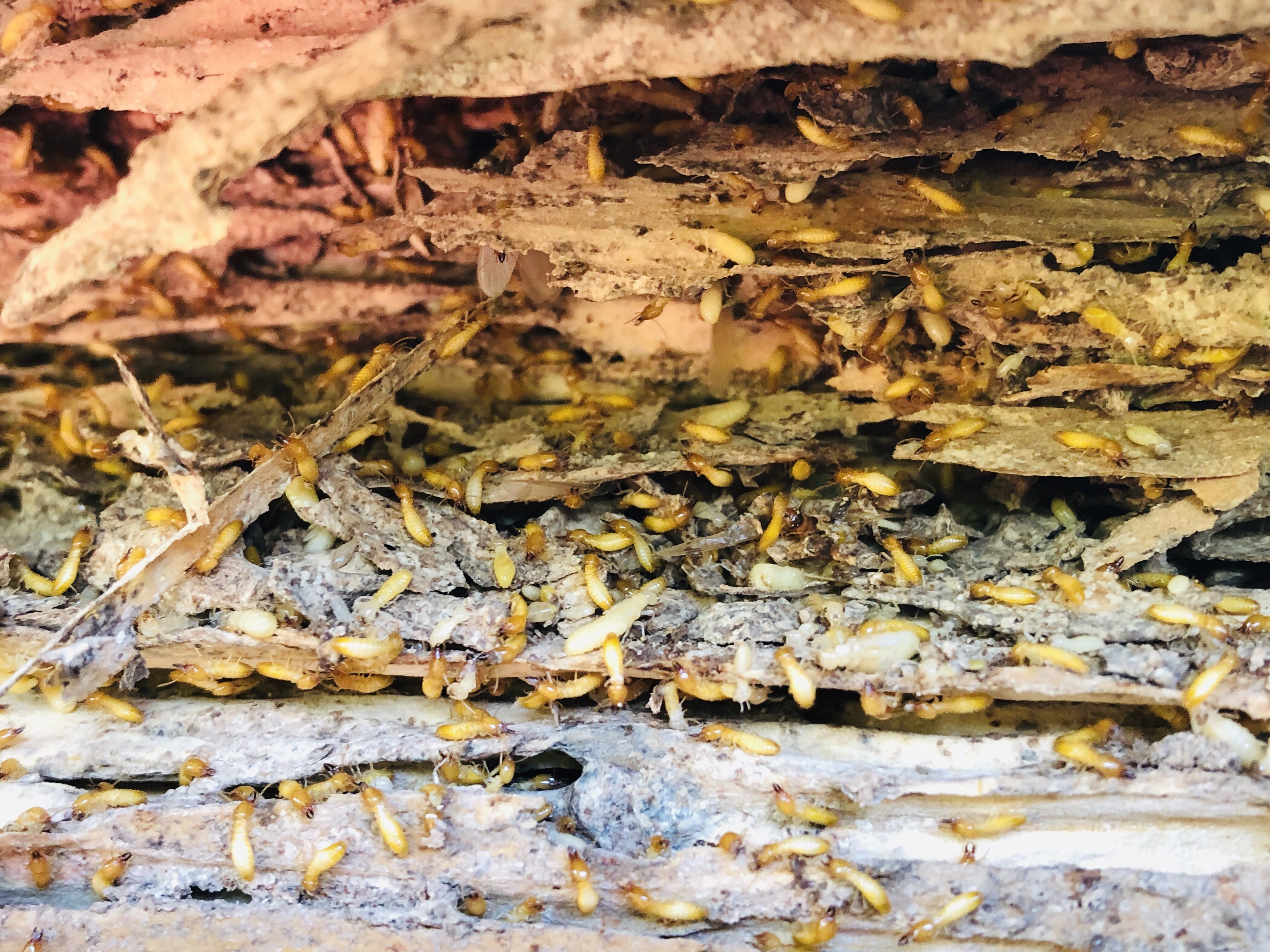
Subterranean termite workers inside damaged wood
Swarmers & workers

Winged termites or pale workers

  • Swarms of small winged insects indoors in spring
  • Piles of shed wings near windows and doors
  • Pale, soft-bodied workers in broken wood

A swarm inside the house in spring is the clearest sign there's an active colony close by. Workers are what you see if you break into damaged wood β€” they're pale, about the size of a grain of rice and avoid light.

Cracks in a concrete foundation wall
Mud tubes

Dirt tubes on the foundation

  • Pencil-width tubes on block or concrete
  • Tubes coming out of cracks or the slab
  • Often hidden behind stored boxes or paneling

Subterranean termites build tubes of soil to travel from the ground to the wood without drying out. Cracks in foundation walls and slabs give them a shortcut. Don't scrape the tubes off β€” send us a photo first.

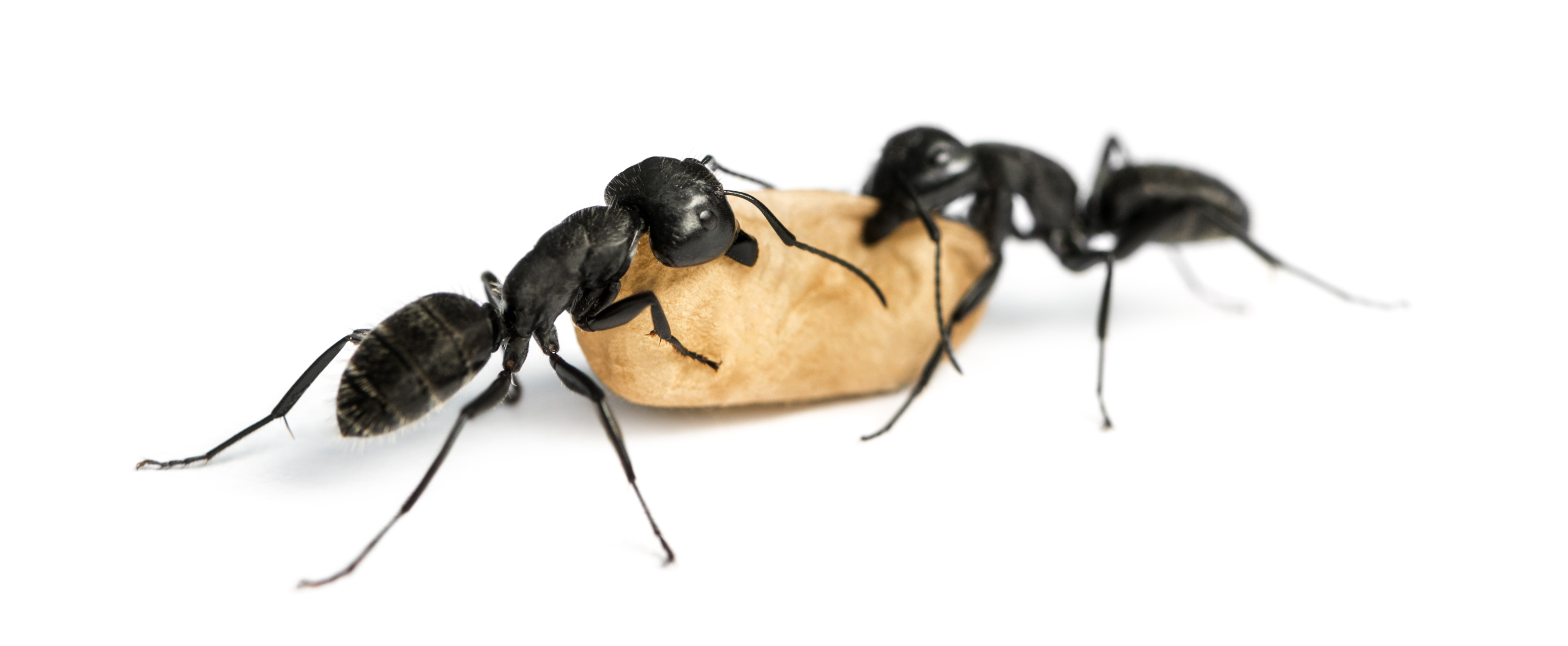
Two large carpenter ants on wood
Look-alike

Carpenter ants

  • Large black ants indoors
  • Small piles of sawdust-like shavings
  • Clean, smooth tunnels in wet wood

Carpenter ants damage wood too, but they don't eat it β€” they carve it out and push the shavings outside. Treatment is different, so we tell you which insect you have before recommending anything.

Termites, carpenter ants or wood rot?

What you seeTermitesCarpenter antsWood rot
DamageLayered, packed with soilSmooth, clean tunnelsSoft, crumbly or cracked in squares
DebrisMud tubes, no sawdustSawdust-like pilesNone, but often musty
InsectsPale workers; winged swarmers in springLarge dark ants, some with wingsNone
WhereSills, joists, trim near the groundWet wood: window frames, roof edges, decksAnywhere wood stays wet

All three love moisture. Fixing leaks and drainage helps no matter which one you have.

Why Hackensack homes get termites

New Jersey's termites are eastern subterranean termites. They live in the soil, need moisture, and come into buildings from the ground looking for wood to eat. A lot of Hackensack's housing gives them easy access.

  • Older homes. Many houses and two-families are decades old, with wood sill plates sitting on block or stone foundations that have cracked over the years.
  • Additions and porches. Enclosed porches, back additions and steps often sit on shallower footings, and the wood can be close to or touching the soil.
  • Moisture. Blocks near the Hackensack River and low spots that hold water after storms keep the ground damp. Clogged gutters and short downspouts make it worse.
  • Finished basements. Paneling, drywall and stored boxes hide the walls termites travel on, so infestations can go unnoticed for years.

Termites don't care about building size. Apartment buildings, offices and stores with wood framing, wood trim or wood in contact with soil can get them too.

Single-family, two-family or condo β€” what to know

🏠

Single-family house

You're in charge of the whole foundation. One inspection covers the house, porches, decks and garage.

🏘️

Two-family or multi-family

Termites don't stop at the property line between units. We inspect the full foundation and both units' basements or storage areas.

🏒

Condo or co-op

Foundations and common walls are usually the association's responsibility. Tell the board or manager β€” treatment often has to be planned for the whole building.

🏬

Business or rental property

Termite damage can affect leases and sales. We inspect, report in writing and work around tenants' hours.

Not sure who's responsible in your building? Check your lease or association documents, and see our landlord vs. tenant guide for the general rules.

What our termite inspection looks at

1

The outside

Foundation, sill line, porches, decks, steps, wood touching soil, mulch beds, gutters and downspouts.

2

Basement, garage and crawl spaces

Foundation walls, sill plates, joists, posts and the places where pipes and wires come through.

3

Inside rooms

Door and window frames, baseboards and trim along outside walls, especially on the ground floor.

4

What we found

We show you live activity, old damage or conditions that invite termites, and explain your options and a free quote.

How termite treatment works

The goal is to stop termites coming up from the soil and to kill the ones already working in the wood. For most Hackensack homes that means:

  • A soil treatment along the foundation, so termites traveling between the ground and the house pass through a treated zone.
  • Treating the active areas where we found tubes or live termites.
  • Fixing what invites them β€” we point out leaks, drainage, wood-to-soil contact and mulch against the siding.

Before we start, we tell you where we'll treat, what's involved, how long it takes and any precautions for kids and pets. If we find damaged wood, we'll show you, and after treatment our crew repairs it β€” sill plates, joists, beams and framing. See our termite damage repair page. More about soil treatment: liquid termite treatment.

Buying or selling a home in Hackensack

Many New Jersey home sales include a wood-destroying insect inspection, and VA loans require one. Deadlines are tight, so call as soon as you have a contract.

  1. Call or text us with the address, closing date, and who needs the report β€” buyer, seller, agent or lender.
  2. We inspect the property and look for termites, other wood-destroying insects and conditions that invite them.
  3. You get the report with what we found.
  4. If treatment is needed, we explain the treatment and the paperwork, so the closing can move forward.

More: VA termite inspections in NJ.

Termites through the year in North Jersey

SeasonWhat termites are doingWhat you should do
SpringSwarmers fly on warm days, often after rainWatch for winged insects and wings by windows and doors
SummerColonies are most active in the soilFix drainage, pull mulch back, keep wood off the ground
FallStill feeding while the soil is warmGood time for an inspection before finishing a basement
WinterSlower, but colonies under heated homes can stay activeCheck basement walls and the sill line with a flashlight

Call or text 973-510-2585 any time of year to set up a termite inspection.

Get a Free Termite Quote in Hackensack

Tell us what you found β€” swarmers, wings, mud tubes or soft wood β€” or your closing date if you're buying or selling.

Why Hackensack calls us for termites

  • Winged insects in the basement in spring
  • Mud tubes on a foundation wall
  • Soft wood at a sill, porch or door frame
  • An inspection for a home sale or VA loan
  • Want an honest answer β€” termites or not
πŸ“ž Call 973-510-2585

Request Service

πŸ”’ Your info stays private Β· Hablamos espaΓ±ol.

What's bugging you? - Step 1 of 3

Termite Questions from Hackensack

What do termites look like?

Workers are pale, soft and about the size of a grain of rice. Swarmers are dark with four long wings of equal length that fall off easily.

When do termites swarm in Hackensack?

Mostly in spring, on warm days, often after rain. Swarmers indoors usually mean the colony is close by.

I found mud tubes. Should I knock them down?

No. Leave them and text us a photo β€” we need to see the activity as it is.

Is it termites or carpenter ants?

Termite damage is packed with soil and has no sawdust. Carpenter ants leave clean tunnels and piles of shavings. Text us a photo and we'll tell you.

I live in a condo. Who handles termites?

Foundations and common walls are usually the association's responsibility. Tell your board or manager, and check your association documents.

Do you do inspections for home sales?

Yes. Tell us the closing date, the lender and who needs the report, and call as early as you can.

How long does treatment take?

Most homes are treated in one visit; larger buildings or finished basements can take longer. We tell you before we start.

Is the treatment safe for my family and pets?

We explain where and how we treat and any precautions before the work begins.

Do you repair termite damage too?

Yes. We treat the termites first, then our crew repairs the damaged wood β€” sill plates, joists, beams and framing β€” so one company handles both.

Are you licensed?

Yes. NJ License 90568B, with over 15 years of experience, based in Garfield about 15 minutes from Hackensack.

ΒΏHablan espaΓ±ol?

SΓ­. Hablamos espaΓ±ol. Llame o mande texto al 973-510-2585.

Termite control near Hackensack

From our base in Garfield we cover Hackensack and the towns around it.

Updated November 2026 by the Silver Bullet Pest Control team, Garfield, NJ β€’ NJ License 90568B

Scroll to Top