Silver Bullet Pest Control logoSilver Bullet Pest Control
Termite Guide Β· Termites or Rot?

Termite Damage vs. Water Damage: How to Tell the Difference

You pulled up a board, poked a sill plate, or opened a wall, and the wood is soft, crumbly or hollow. Was it termites, a leak, or both? The answer decides who you call, what it costs to fix, and whether it will keep getting worse. Here's how to read the wood yourself β€” and how we confirm it.

4.9 stars on Google β€’ NJ License 90568B β€’ 15+ years β€’ Based in Garfield β€’ Hablamos espaΓ±ol

Text a few close-up photos of the damaged wood to 973-510-2585 β€” include one of the surface and one broken open if you can.

How can you tell termite damage from water damage?

Termite damage is hollowed out from the inside along the grain, with layered tunnels packed with dried mud or soil, often next to pencil-width mud tubes, while the surface may look almost untouched; water damage (rot) softens, darkens and cracks the wood itself β€” often in a checkerboard or stringy pattern β€” with stains, a musty smell and a clear moisture source nearby. The two often show up together, because termites are drawn to damp wood. Silver Bullet Pest Control can inspect the wood, tell you which it is, treat termites and repair the termite-damaged wood ourselves. Call or text 973-510-2585. NJ License 90568B.

Termite damage vs. water damage at a glance

Look atTermite damageWater damage / rot
SurfaceOften looks fine; thin outer layer left intact, may bubble or blister like paintStained, darkened, swollen, cracked or peeling
Inside the woodTunnels running with the grain, layered like pages of a bookWood breaks into small cubes, or turns stringy and spongy
What's in the tunnelsDried mud, soil and droppings packed into the galleriesNo tunnels; just weak, crumbling wood
Nearby signsMud tubes on the foundation, discarded wings, live termitesA leak, drip, condensation, bad gutter or downspout
SmellUsually noneMusty, earthy or moldy
Tap or pressSounds hollow; screwdriver punches into empty spaceFeels soft and wet, or dry and crumbly
PatternFollows the wood grain, often starting near the soilSpreads out from where water hits, any direction
GrowthGetting worse as long as the colony feedsGetting worse as long as the wood stays wet

No single sign settles it. Look for two or three that point the same way β€” and when in doubt, have it inspected.

What termite damage looks like

The termites in North Jersey are eastern subterranean termites. They live in the soil, need moisture, and come up into the house through the foundation. They eat wood from the inside out, so the most important thing to know is that bad termite damage can look like nothing from the outside.

  • Layered, grain-following tunnels. Termites eat the softer layers of the wood and leave the harder growth rings, so broken-open wood looks like stacked sheets or a honeycomb running lengthwise.
  • Mud inside the wood. Subterranean termites line their tunnels with a mix of soil, saliva and droppings. Gritty, dried mud packed into the galleries is a strong termite sign β€” rot never leaves it.
  • Mud tubes. Pencil-width brown tubes up foundation walls, piers, pipes or the back of basement stairs are how termites travel from the soil to wood.
  • Swarmers and wings. In spring, winged termites may swarm indoors, leaving piles of identical wings near windows and doors.
  • Blistered paint or sagging trim. Paint that bubbles, baseboards that dent easily, or floors that feel spongy can mean the wood behind them has been hollowed out.
  • Where it shows up: sill plates on top of the foundation, rim joists, floor joists over the basement, door frames at ground level, porches and steps.

What water damage and wood rot look like

Wood that stays wet long enough gets attacked by decay fungi β€” that's "rot." It needs a steady source of water, so the damage is almost always close to one.

  • Brown rot makes wood dark and shrunken. It cracks into small cube-shaped pieces, like a checkerboard, and crumbles to powder when dry. People sometimes call this "dry rot," even though it started with water.
  • White rot makes wood pale, soft and stringy or spongy, and it can feel almost like wet cardboard.
  • Stains and swelling. Water marks, dark streaks, cupped or swollen boards, peeling paint and rusty nails around the damage.
  • Mold and smell. A musty odor, fuzzy growth on the surface, or fungus strands on nearby wood.
  • Where it shows up: under leaky windows and doors, below bathrooms and kitchens, around toilets and tubs, at the bottom of exterior trim, under roof leaks, and where gutters overflow onto the sill.

Rot doesn't leave tunnels, mud or wings. If wood is weak but there's no sign of any of those, water is the likely cause β€” find the leak first.

A 5-step check you can do with a flashlight and screwdriver

1

Look around the damage

Check the nearby foundation, pipes and posts for mud tubes, and the floor and windowsills for wings. Then look up and around for a leak, drip line or water stain.

2

Press with a screwdriver

Push into the wood next to the damage. Termite-damaged wood often gives way suddenly into empty space; rotted wood feels soft or crumbles evenly.

3

Look at the broken wood

Lengthwise tunnels with mud in them point to termites. Cube cracking or stringy, spongy fibers point to rot.

4

Feel for moisture

Wet or cool wood, a musty smell, or mold growth all point toward water β€” which can also be attracting termites.

5

Take photos, don't destroy it

Photograph what you see, then leave it alone. Breaking open more wood or spraying it makes it harder to confirm live termites.

Text the photos to 973-510-2585 and we'll tell you what it looks like and whether you need an inspection.

It might be something else that eats wood

Termites and rot aren't the only causes of damaged wood. Two others are common in North Jersey:

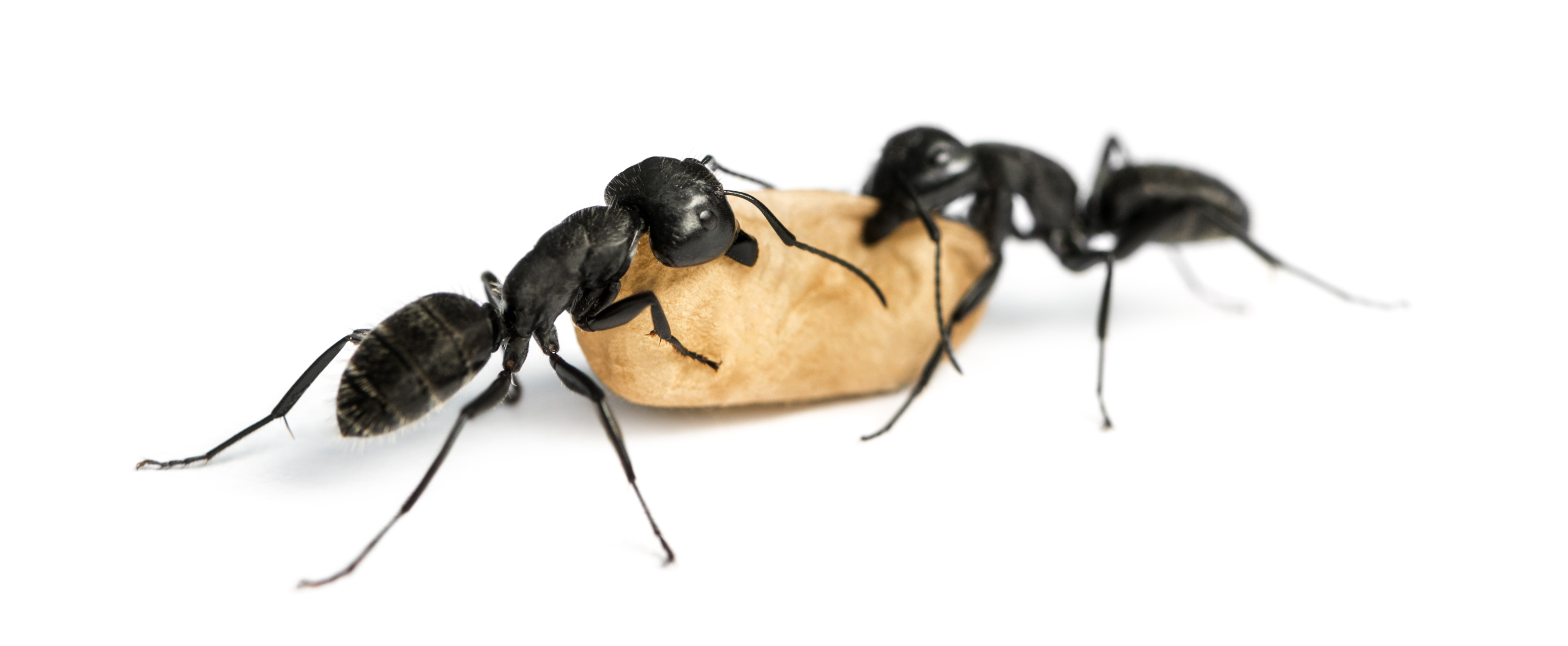
Two large black carpenter ants
Clean tunnels

Carpenter ants

  • Smooth, clean, sanded-looking galleries
  • Piles of shavings mixed with insect parts
  • Large black ants, often at night

Carpenter ants don't eat wood; they carve nests in wood already softened by water. Their tunnels are clean, with no mud. If you see them, there's usually a moisture problem nearby too.

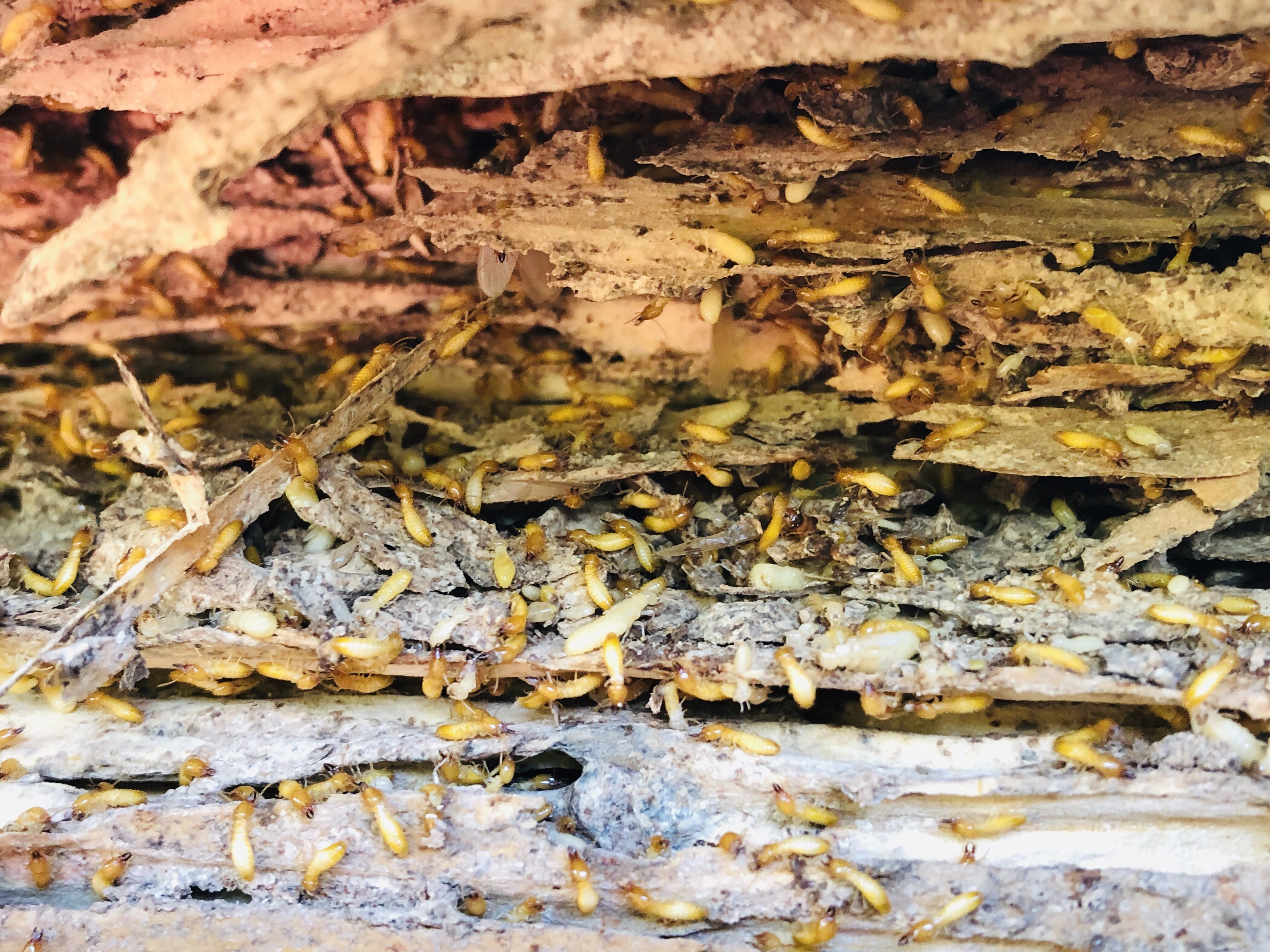
Termites in damaged wood
Mud-packed tunnels

Subterranean termites

  • Layered tunnels with dried mud
  • Mud tubes from the soil
  • Wings in spring

The most damaging wood pest in the area. Termite damage gets worse as long as the colony keeps feeding, so it needs treatment, not just a repair.

Cracks and gaps in a surface
Tiny holes

Wood-boring beetles

  • Small round exit holes in the surface
  • Fine, flour-like powder below them
  • Mostly in unfinished wood

Some beetles, often called powderpost beetles, tunnel through wood and leave pinhole-sized exit holes with fine dust. The damage and treatment are different from termites β€” ask us if you see this.

When it's termites and water damage together

Very often, the answer is "both." Subterranean termites need moisture, and damp wood is easier for them to chew. A leaky downspout dumping water at the foundation, a sweating pipe in the basement or a deck board sitting in wet soil can cause rot and invite termites into the same spot.

  • Fix the water, or the problem returns. Treating termites without fixing a leak leaves wood that keeps rotting and keeps attracting insects.
  • Treat the termites before repairs. Replacing wood while the colony is still active just gives them new wood to eat.
  • Check the whole area. Where there's one damaged sill, there are often more along the same wall.

When we inspect, we point out the moisture problems we see β€” gutters, downspouts, grading, leaks, wood touching soil β€” along with the termite activity, so you know everything that needs to be fixed.

Does homeowners insurance cover it?

This is one of the most common questions β€” and the honest answer is: it depends on your policy, so ask your agent. In general:

  • Termite damage is usually treated as a maintenance or insect issue and is commonly excluded from standard homeowners policies.
  • Sudden water damage, like a burst pipe, is more often covered than slow damage from a long-term leak, which is often excluded.
  • Rot from ongoing moisture is often treated like a maintenance problem as well.

Because the cause can matter for a claim, take photos before anything is removed, and keep any inspection findings in writing. If you're buying a home, a wood-destroying insect inspection before closing is the time to find this out β€” see VA and real estate termite inspections.

Getting it confirmed and fixed

πŸ”

Inspection

A licensed technician checks the damaged wood and everything around it β€” foundation, sill line, joists, posts, porches β€” and tells you whether it's termites, rot, ants or beetles.

🐜

Termite treatment

If termites are active, we treat them first, most often in the soil along the foundation plus the active areas. Options are explained in bait vs. liquid treatment.

πŸͺš

Termite damage repair

After treatment, our crew repairs termite-damaged wood ourselves β€” sill plates, joists, beams and framing β€” so one company handles both. See termite damage repair.

πŸ’§

Moisture fixes

We point out the water problems that caused or worsened it. For rot damage with no insects involved, ask us what we can repair, or have a contractor or plumber fix the source.

Free quote after the inspection; same-day appointments are often available. More: sill plate repair Β· how to get rid of termites in NJ.

Get a Free Quote on Damaged Wood

Tell us where the damage is, what it looks like inside, and whether you've seen mud tubes, wings or a leak. Photos help.

Why homeowners call us about damaged wood

  • Soft or hollow wood and not sure why
  • Mud tubes or wings near the damage
  • A sill plate or joist that needs repair
  • A home sale or inspection report that flagged it
  • Want one company to treat and repair
πŸ“ž Call 973-510-2585

Request Service

πŸ”’ Your info stays private Β· Hablamos espaΓ±ol.

What's bugging you? - Step 1 of 3

Termite Damage vs. Water Damage Questions

How do I know if wood damage is from termites?

Look for tunnels running with the grain that are packed with dried mud, mud tubes nearby, or termite wings. Rot has no tunnels or mud.

Can termite damage look like water damage?

Yes. Termites can make paint blister and wood sag the way moisture does, and termites often move into wet wood. Breaking off a small piece usually shows the difference.

What does termite-damaged wood sound like?

Hollow or papery when you tap it. A screwdriver often punches through a thin outer layer into empty tunnels.

Is dry rot the same as termite damage?

No. "Dry rot" is fungal decay that started with moisture; it cracks wood into small cubes. Termite damage is tunneled and filled with mud.

Can termites and water damage happen in the same spot?

Very often. Subterranean termites are drawn to damp wood, so a leak can cause rot and attract termites at the same time.

Should I replace the wood before treating for termites?

No. Treat the termites first, then repair. New wood next to an active colony just becomes their next meal.

Does homeowners insurance cover termite damage?

Usually not β€” most standard policies exclude it. Check with your agent about your own policy, especially for water damage.

How fast does termite damage get worse?

It keeps getting worse as long as the colony is feeding, though it usually takes a long time to become serious. That's why finding it early matters.

Do you repair termite damage?

Yes. After treatment, we repair termite-damaged sill plates, joists, beams and framing ourselves.

Can you tell from a photo?

Often we can tell you what it looks like from a clear close-up, but live termites and hidden damage need an in-person inspection to confirm.

ΒΏCΓ³mo sΓ© si es daΓ±o de termitas o de agua?

Las termitas dejan tΓΊneles con lodo seco; el agua pudre y mancha la madera. MΓ‘ndenos fotos al 973-510-2585 β€” hablamos espaΓ±ol.

Termite inspection and repair across North Jersey

From our base in Garfield we inspect, treat and repair termite damage in Bergen, Passaic, Essex and Hudson counties.

Our service area

Union County

973-510-2585
  • Berkeley Heights
  • Clark
  • Cranford
  • Elizabeth
  • Fanwood
  • Garwood
  • Hillside
  • Kenilworth
  • Linden
  • Mountainside
  • New Providence
  • Plainfield
  • Rahway
  • Roselle
  • Roselle Park
  • Scotch Plains
  • Springfield
  • Summit
  • Union
  • Westfield

Morris County

973-510-2585
  • Boonton
  • Butler
  • Cedar Knolls
  • Chatham
  • Denville
  • Dover
  • East Hanover
  • Florham Park
  • Hanover
  • Kinnelon
  • Lincoln Park
  • Madison
  • Mendham
  • Montville
  • Morris Plains
  • Morristown
  • Mountain Lakes
  • Parsippany
  • Pequannock
  • Randolph
  • Riverdale
  • Rockaway
  • Roxbury
  • Whippany

Updated November 2026 by the Silver Bullet Pest Control team, Garfield, NJ β€’ NJ License 90568B

Scroll to Top