

Seal cracks and gaps
- Cracks in block or concrete
- Gaps around pipes
- Open block cores
Cracks let termites travel up the wall out of sight. They can be closed during the repair while the wall is exposed.
 Silver Bullet Pest Control
A screwdriver sinks into the wood on top of your foundation, a contractor found soft sills during a basement job, or mud tubes are climbing the block wall? Silver Bullet Pest Control finds out whether termites are still active, treats them before any wood is replaced, maps exactly where the damage runs, and then our crew repairs the sill.
4.9 stars on Google • NJ License 90568B • 15+ years • Serving Hudson County • Hablamos español
Text photos of the sill and foundation wall to 973-510-2585 — we'll tell you what we see.
Have the termites inspected and treated before the sill plate is repaired or replaced, because new wood set on the same foundation will be attacked again if the colony is still active. Silver Bullet Pest Control (NJ License 90568B) inspects Secaucus homes, confirms whether termites are active, treats the soil along the foundation and the active areas, maps the damaged sections, and then repairs the sill plates and joists ourselves, so one company handles both. Free quotes. Call or text 973-510-2585.
The sill plate is the board that lies flat on top of the foundation wall. The floor joists rest on it, and the walls of the house sit above it. In older homes it's usually untreated lumber laid right on block or concrete.
For subterranean termites, it's the obvious first meal. They live in the soil, climb the foundation through cracks, hollow block cores or mud tubes on the wall, and the first wood they reach is the sill. Because they eat from the inside, a sill can look solid from the basement and still be hollow.
Why it matters: the sill carries the weight of the floor and walls above it. Light damage may be a small fix. Long runs of hollow sill can let joists settle, floors slope, and doors start sticking upstairs. That's a repair our crew handles — but only after the termites are stopped.
Secaucus sits in the middle of the Meadowlands, surrounded by marsh and the Hackensack River. Much of the town is low-lying, the ground stays damp, and some neighborhoods see standing water after heavy storms. Subterranean termites need moisture, and wet soil around a foundation suits them well.
Businesses and warehouses in the Harmon Meadow and Meadowlands areas are mostly steel and concrete, but offices, storage areas and wooden fixtures near the slab can still be affected. See commercial pest control.
Walk the basement with a flashlight and look where the wood meets the foundation, all the way around.
Press a screwdriver into the sill every few feet. Sound wood resists. If the tip sinks in or the wood crumbles, note the spot.
Pencil-width mud tubes on the wall, or dried mud packed into cracks in the sill, point to subterranean termites.
Piles of tiny wings on a basement sill or floor in spring mean a termite swarm came from inside.
Don't break open mud tubes or spray them. Take photos and text them to 973-510-2585 — fresh tubes show us where the colony is working.
Soft sills aren't always termites. The cause changes the fix:
| Clue | Subterranean termites | Carpenter ants | Water rot |
|---|---|---|---|
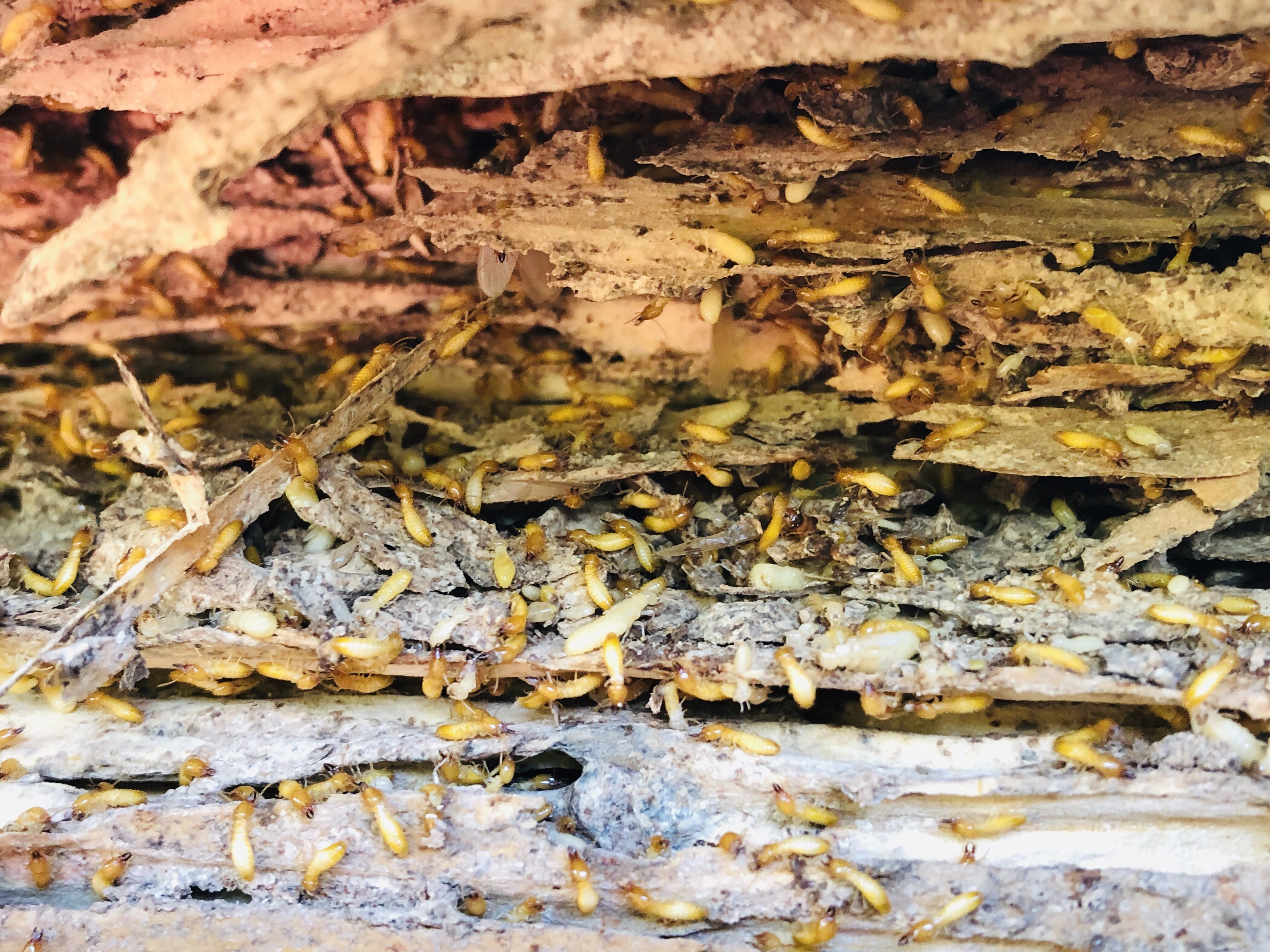
| Inside the wood | Layered galleries packed with soil-like material | Smooth, clean galleries | Soft, spongy or cracked into cubes |
| Outside the wood | Mud tubes on the foundation | Piles of sawdust-like shavings | Dark staining, mold, wet smell |
| Insects you see | Pale, soft workers; winged swarmers in spring | Large black ants | None, or insects drawn to damp wood |
| What to do | Termite treatment, then repair | Find and treat the nest, fix the moisture | Fix the water source, then repair |
Often it's more than one: rot softens the wood, and termites or carpenter ants move in. We'll tell you what we find.
Not just the spot you found — the full sill, joist ends, posts, stairs, door frames and the outside of the foundation.
We look for live termites, fresh mud and moist tubes to tell current activity from old damage.
Most often a soil treatment along the foundation plus treatment of the active areas, planned around slabs, porches and finished walls.
Photos and notes showing where the sill is damaged, so the repair covers all of the damaged wood.
Our crew sisters or replaces the damaged sill plate and joists once the termites are treated.
Once the new wood is in, we can look again and recommend ongoing checks.
We stop the termites first, then repair the wood ourselves, so you're not coordinating two companies.
Once the termites are treated, our crew repairs the damaged sill ourselves. Depending on how much wood is damaged, we may:
Replacement sills are commonly made from pressure-treated lumber, with a barrier between the wood and the masonry. We'll explain what fits your house.
Before the new wood goes in: make sure the termites have been treated and the area has been checked. Fresh lumber on an active colony just starts the damage over.
Cracks let termites travel up the wall out of sight. They can be closed during the repair while the wall is exposed.
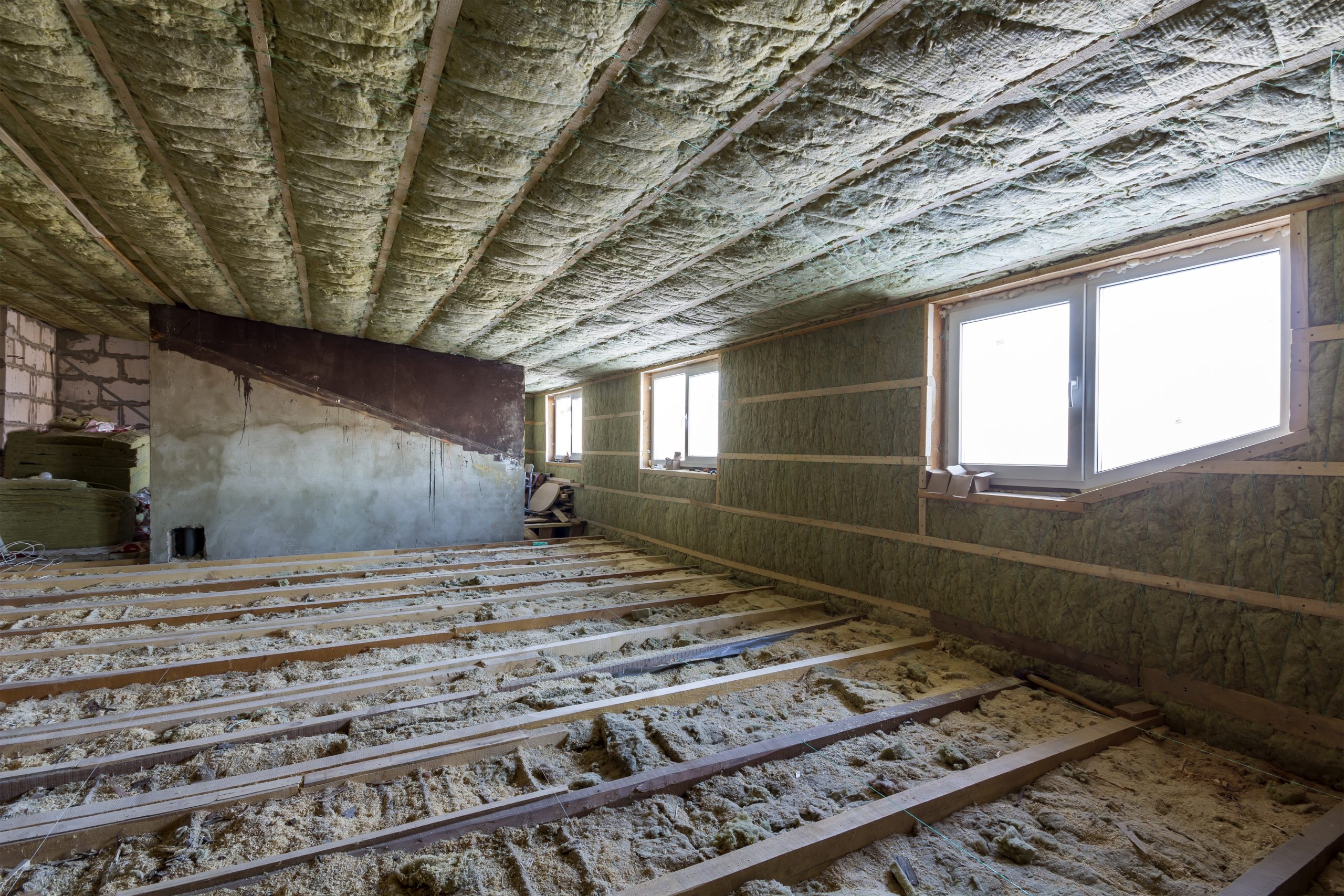
Wood touching soil gives termites a bridge into the house. Keep a gap between soil, mulch and any wood.
In a low-lying town like Secaucus, gutters, downspout extensions and a dehumidifier in the basement help keep the sill dry.
Quotes for the termite work are free. These are the main factors:
| Factor | Smaller job | Bigger job |
|---|---|---|
| Activity | Old damage, no live termites | Active termites in several areas |
| Foundation | Open, unfinished basement | Finished basement or slab additions |
| Outside | Soil reachable along the wall | Patios, porches and driveways against the house |
| Paperwork | Simple findings | Detailed map for a home sale |
Repair depends on how much sill needs replacing, and we quote it once the damage is mapped. Call or text 973-510-2585 for a free quote.
Send photos of the sill and the foundation wall and tell us how you found the damage. We'll explain what we see and the plan.
🔒 Your info stays private · Hablamos español.
It's the board that sits flat on top of the foundation wall, under the floor joists. It's often the first wood subterranean termites reach.
Yes. If the colony is still active, it can attack the new sill as soon as it's installed.
Yes. We treat the termites first, then our crew sisters or replaces the damaged sill plates and joists and repairs beams and framing. One company handles both.
Press a screwdriver into the wood every few feet; if it sinks in, look for mud tubes on the wall and soil-packed tunnels in the wood. Send us photos if you're unsure.
No. Water rot and carpenter ants can also soften sills, and often more than one cause is involved.
Termites need moisture, and the damp, low-lying ground around the Meadowlands keeps the soil near many foundations moist.
Yes. The sill supports the floor and walls above, so long runs of damage can let floors settle or slope.
Most homes are treated in a single visit, with a re-check later. Large or complicated foundations can take longer.
No. Leave them, take a photo and text it to 973-510-2585 — they show us where termites are active.
Yes. Silver Bullet Pest Control holds NJ License 90568B, has over 15 years of experience and 4.9 stars on Google.
Sí, hablamos español. Mande fotos de la madera dañada al 973-510-2585.
From our base in Garfield we serve Secaucus and towns across Hudson and Bergen counties.
Real photos from our recent jobs. We show only the street and town, never the customer's exact address.

Bee & wasp removal for a home on Summit Ave in Jersey City, NJ by Silver Bullet Pest Control.

Bird & pigeon control for a home on Chestnut St in Ridgefield, NJ by Silver Bullet Pest Control.

Bird & pigeon control for a home on Chestnut St in Ridgefield, NJ by Silver Bullet Pest Control.
Union City, NJWest New York, NJWeehawken, NJGuttenberg, NJRutherford, NJEast Rutherford, NJCarlstadt, NJLyndhurst, NJNorth Arlington, NJWood-Ridge, NJ
Updated November 2026 by the Silver Bullet Pest Control team, Garfield, NJ • NJ License 90568B