Silver Bullet Pest Control logoSilver Bullet Pest Control
Termites Β· West New York Β· Hudson County

Termite Exterminator & Termite Inspection in West New York, NJ

Winged insects in the basement of a two-family, mud tubes on a foundation wall, or soft wood under the back stairs? Silver Bullet Pest Control inspects West New York homes, multi-family buildings and storefronts for termites, shows you exactly what we find, and treats the building when termites are there. Hablamos espaΓ±ol.

4.9 stars on Google β€’ NJ License 90568B β€’ 15+ years β€’ Hudson County β€’ Hablamos espaΓ±ol

Text a photo of the insects or the damage to 973-510-2585 β€” en espaΓ±ol tambiΓ©n.

  • βœ“ Same-day appointments often available
  • βœ“ Licensed & insured in NJ
  • βœ“ Homes & businesses
  • βœ“ English & EspaΓ±ol

Who is a good termite exterminator in West New York, NJ?

Silver Bullet Pest Control is a licensed termite exterminator serving West New York and the rest of Hudson County. We inspect the basement, foundation and wood framing, show you whether termites are active, and treat the building β€” usually with a liquid treatment in the soil along the foundation and in the active areas. NJ License 90568B, over 15 years of experience, 4.9 stars on Google, and we speak Spanish. Call or text 973-510-2585.

Termites, carpenter ants or flying ants?

Three insects get mistaken for each other all the time. Knowing which one you have changes everything about the fix:

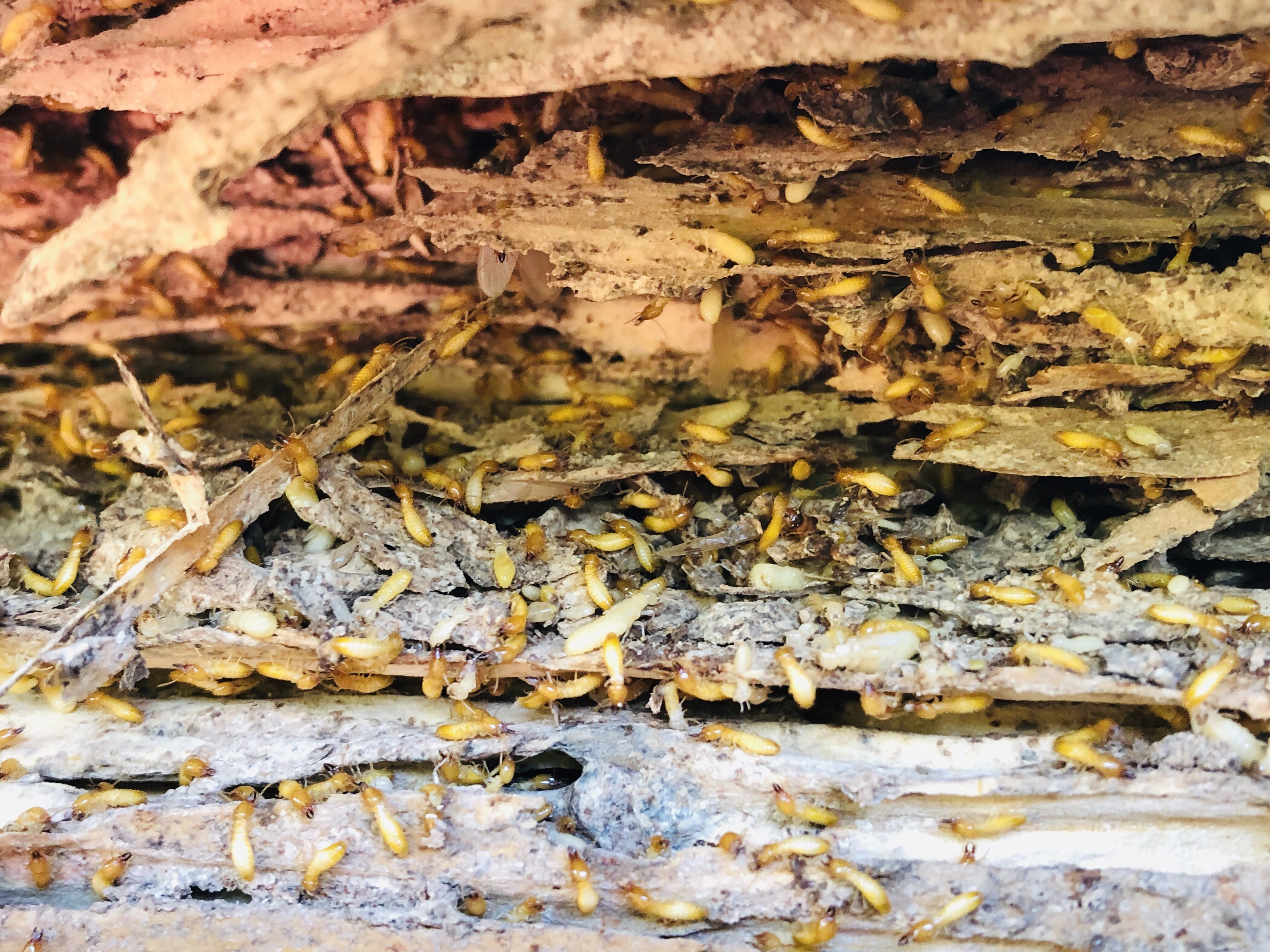
Subterranean termites working in wood
Spring swarms, active all year

Subterranean termites

  • Pale, soft-bodied workers inside the wood
  • Pencil-width mud tubes on walls or pipes
  • Swarmers with four equal wings that fall off

These are the termites of North Jersey. They live in the soil and come up into a building through the foundation, cracks in the slab or wood that touches the ground. You almost never see the workers β€” you see their mud tubes, the swarmers in spring, or wood that's hollow inside.

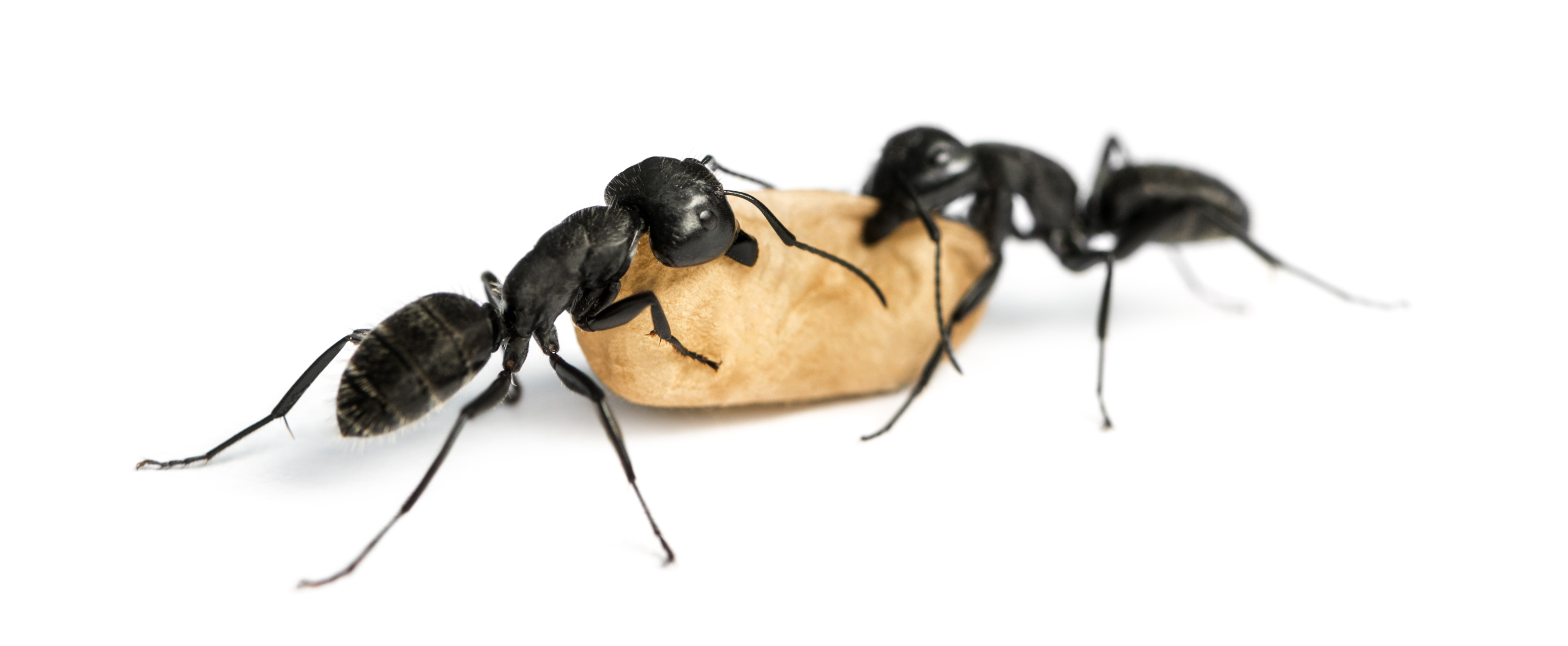
Two large black carpenter ants
Spring and summer

Carpenter ants

  • Large black ants indoors, often at night
  • Little piles of sawdust-like shavings
  • Wood with smooth, clean tunnels

Carpenter ants don't eat wood β€” they carve it out to nest, usually where wood is wet from a leak. In older buildings they show up around roof leaks, bathrooms and window sills. The treatment is different from termites, so it matters which one you have.

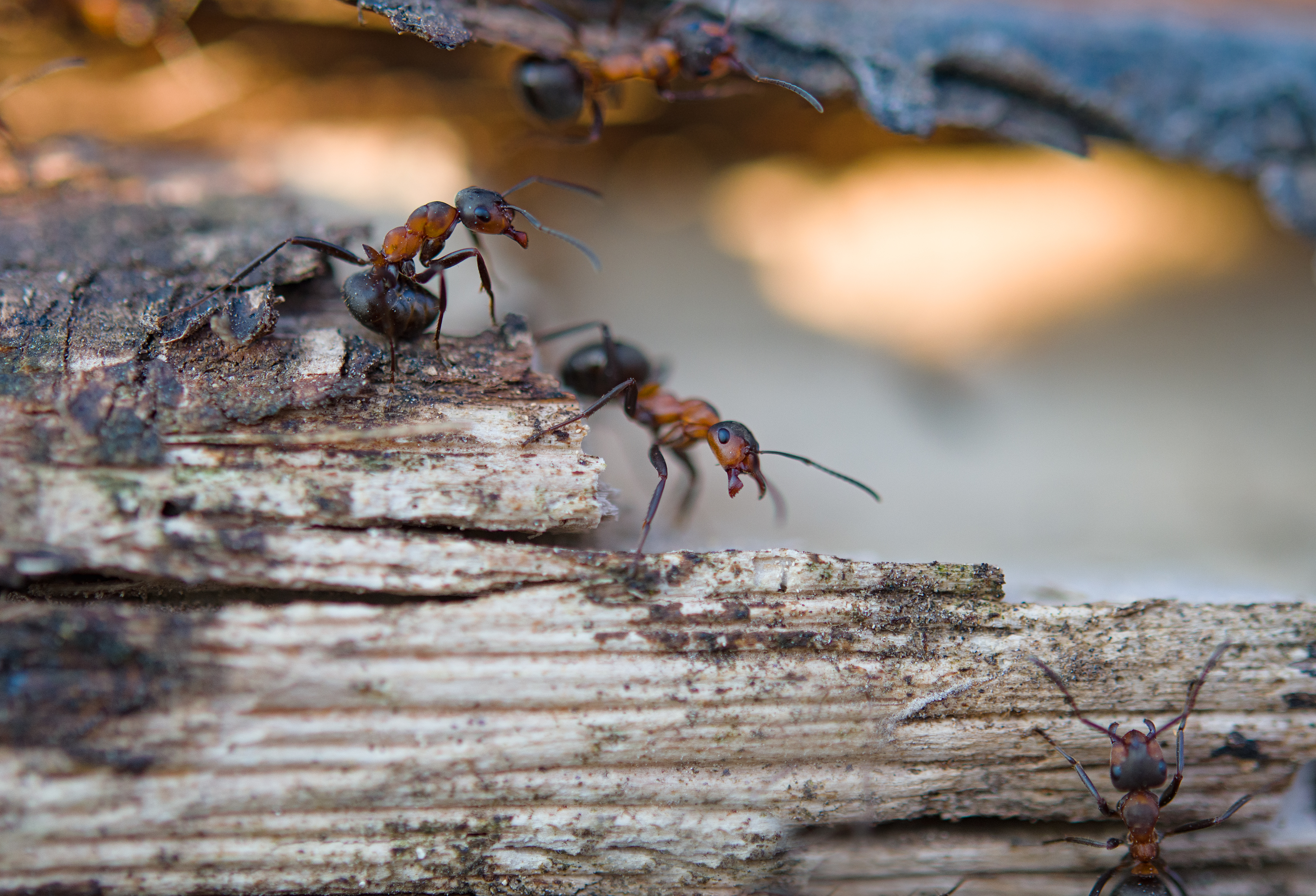
Small ants gathered together
Warm months

Flying ants

  • Pinched waist and bent antennae
  • Front wings longer than the back wings
  • Near food and windows, not just the basement

Many ants grow wings and swarm for a short time each year. They look a lot like termite swarmers to most people. If you're not sure, catch a few in a bag or take a sharp photo and text it to us β€” we'll tell you before anyone spends money.

Which West New York buildings get termites?

West New York is one of the most densely built towns in the country β€” high-rise apartment towers along the Palisades above the Hudson River, and street after street of older two-, three- and four-family houses and walk-up buildings, many of them attached or only a few feet apart. Bergenline Avenue is lined with stores, restaurants and apartments above them.

Subterranean termites need contact with soil and wood they can reach. That tells you where the risk is:

  • Older wood-framed multi-family houses are where we find most termite activity β€” wood sills sitting on old foundations, wood basement stairs, wooden posts on dirt or old concrete floors.
  • Back porches, rear stairs and decks in small backyards, where wood is close to or touching soil.
  • Basements with cracks in the floor or walls, old pipe openings and moisture from leaks.
  • Ground-floor stores in older buildings, where wood framing, flooring or storage sits against a damp foundation wall.

Concrete and steel high-rises are much less likely to have structural termite damage, though wood in ground-floor units, storage areas and planters can still be checked. We'll tell you honestly if your building is low-risk.

Signs of termites and where to look

Termites stay hidden inside wood, so you have to know where to look. In a West New York building, start here:

SignWhere to lookWhat it can mean
Mud tubesBasement walls, foundation, around pipes and the bottom of wood stairsTermites traveling from the soil into the wood β€” very likely active
Winged insects or piles of wingsBasement windows, near the boiler room, ground-floor window sillsA swarm from a colony in or under the building
Soft or hollow woodSill plates, basement stair stringers, door frames, porch postsDamage that may be old or ongoing β€” needs a closer look
Bubbling paint or tiny holesTrim, baseboards and door frames near outside wallsTermites working just under the surface, or moisture damage
Sticking doors and windowsGround-floor and basement unitsMoisture or damaged framing β€” worth checking

Seeing one of these doesn't always mean termites, and seeing nothing doesn't always mean you're clear. That's what an inspection is for.

What a termite inspection covers

1

Basement and foundation

Walls, floor cracks, sill plates, posts, stairs and everywhere pipes and wires come through.

2

Inside the units

Door and window frames, baseboards and floors on the lowest levels, especially near outside walls.

3

Outside

Foundation line, back porches, stairs, fences, planters and anything wooden touching the soil.

4

What we found

We show you live termites, old damage, mud tubes or conducive conditions, explain the options and give you a free quote.

Already have damage? After treatment our crew repairs damaged sill plates, joists and framing. See termite damage repair in nearby Guttenberg.

How termite treatment works in attached and multi-family buildings

For most West New York buildings with active termites, the treatment is a liquid termite treatment. The soil along the foundation is treated so that termites moving up from the ground pass through a treated zone, and the active areas we found are treated directly.

Dense, attached buildings take some planning:

  • Concrete and slabs: where the soil is under a basement floor, sidewalk or back patio, we may drill small holes to reach it and patch them afterward.
  • Shared walls: termites don't stop at a property line. If you share a wall, we'll explain what we can and can't treat from your side.
  • Occupied units: we plan the work around tenants and explain any precautions for families and pets before we start.

We'll also tell you if what you have isn't termites. Carpenter ants and moisture rot need a different fix, and there's no reason to pay for a termite treatment you don't need. Fixing leaks and keeping wood off the soil helps whatever you have.

For owners, buyers, condo boards and stores

🏘️

Multi-family owners

We inspect the whole building, not just one unit, and give you a clear picture of where the activity is.

πŸ”‘

Buyers and sellers

Many home sales include a termite (wood-destroying insect) inspection. Call early and tell us your closing date. See VA termite inspections.

🏒

Condo associations

We can inspect the basement and common areas and explain the results to the board.

πŸ›οΈ

Bergenline Avenue stores

We work around business hours and check storage rooms, basements and the back of the building. See commercial service.

When termites swarm in Hudson County

Termite swarms in North Jersey happen mostly in spring, often on a warm day after rain. A swarm is when a mature colony sends out winged termites to start new colonies. Inside a building, swarmers head for light, so they pile up at basement windows and doors and leave their wings behind.

In heated basements, swarms can sometimes show up earlier than they do outside. If you find winged insects indoors in late winter or spring, save a few in a sealed bag or take a close-up photo before you clean them up. Swarmers inside almost always mean a colony is close by β€” and they won't go away on their own.

What affects the price

Inspections lead to a free quote. The price of treatment depends on:

  • Building size and layout β€” a single house versus a four-family or a building with a store below.
  • How much activity β€” one spot versus several areas of the basement and foundation.
  • Access β€” open basement walls versus finished space, concrete slabs, patios and sidewalks that need drilling.
  • Moisture β€” leaks that need fixing so termites don't keep coming back.

Call or text 973-510-2585 to set up an inspection. LlΓ‘menos en espaΓ±ol si prefiere.

Get a Free Termite Quote in West New York

Tell us what you found β€” swarmers, wings, mud tubes or soft wood β€” and what kind of building it is. Hablamos espaΓ±ol.

Why West New York calls us for termites

  • Winged insects in the basement in spring
  • Mud tubes on a foundation wall
  • Soft wood on basement stairs or a back porch
  • An inspection for a home sale
  • Want a straight answer β€” termites or not
πŸ“ž Call 973-510-2585

Request Service

πŸ”’ Your info stays private Β· Hablamos espaΓ±ol.

What's bugging you? - Step 1 of 3

Termite Questions from West New York

Can termites get into a building in a town as dense as West New York?

Yes. Subterranean termites live in the soil, and older wood-framed buildings with basements, porches and wood stairs give them a way in, even on a small lot.

Do high-rise apartment buildings get termites?

Structural termite damage is much less common in concrete and steel towers. Wood in ground-floor units, storage rooms or planters can still be checked.

How can I tell termites from flying ants?

Termites have a thick waist, straight antennae and four wings of the same length; flying ants have a pinched waist, bent antennae and longer front wings. Text us a photo.

What does a termite inspection include?

We check the basement, foundation, wood framing, lowest-floor units and the outside, then show you what we found and give you a free quote.

How are termites treated in an attached house?

Usually with a liquid treatment in the soil along the foundation plus the active areas, drilling through concrete where needed. We explain what can be done from your side of a shared wall.

Do you do termite inspections for home sales?

Yes. Tell us the closing date and who needs the report, and call as early as you can.

Is the treatment safe for my family and tenants?

We explain where and how we treat and any precautions before we start.

Do you repair termite damage too?

Yes. We treat the termites first, then our crew repairs the damaged wood β€” sill plates, joists, beams and framing β€” so one company handles both.

Are you licensed?

Yes. Silver Bullet Pest Control holds NJ License 90568B and has over 15 years of experience.

ΒΏHablan espaΓ±ol?

SΓ­. Todo el servicio β€” la inspecciΓ³n, la explicaciΓ³n y la cotizaciΓ³n β€” se puede hacer en espaΓ±ol. Llame o mande texto al 973-510-2585.

ΒΏCΓ³mo sΓ© si tengo termitas?

Busque tubos de lodo en las paredes del sΓ³tano, alas sueltas cerca de las ventanas en primavera o madera blanda o hueca. MΓ‘ndenos una foto por texto y le decimos quΓ© es.

ΒΏTrabajan en edificios de varias familias?

SΓ­. Revisamos el sΓ³tano, la base del edificio y las Γ‘reas comunes, y le explicamos al dueΓ±o o al administrador lo que encontramos. La cotizaciΓ³n es gratis.

Termite control near West New York

We cover West New York and the rest of Hudson County, plus nearby Bergen County.

Updated November 2026 by the Silver Bullet Pest Control team, Garfield, NJ β€’ NJ License 90568B

Scroll to Top