Silver Bullet Pest Control logoSilver Bullet Pest Control
Termite damage Β· East Newark Β· Hudson County

Termite Damage Repair in East Newark, NJ: Stop the Termites First

Found soft wood at the sill, a joist that crumbles under a screwdriver, or mud tubes behind old basement paneling? Before anyone replaces a board, the termites have to be stopped. Silver Bullet Pest Control finds the colony's way into East Newark homes, treats it, maps the damage, and then our crew repairs the damaged wood.

4.9 stars on Google β€’ NJ License 90568B β€’ 15+ years β€’ Serving Hudson County β€’ Hablamos espaΓ±ol

Text a photo of the damaged wood or tubes to 973-510-2585 and we'll tell you if it looks like termites.

How do you fix termite damage in an East Newark home?

You fix termite damage in two stages: first the termites are found and treated, then the damaged wood is repaired or replaced. Silver Bullet Pest Control handles both stages in East Newark β€” inspection, treatment, a clear map of where the damage is, and then repairing the damaged sill plates, joists, beams and framing ourselves β€” so the repair isn't wasted on wood the termites will keep eating. NJ License 90568B, 4.9 stars on Google. Call or text 973-510-2585 for a free quote.

Why termite damage repair starts with treatment

It's tempting to start replacing wood the day you find a rotten-looking sill plate. The problem is that the termites that did the damage are usually still there. Eastern subterranean termites β€” the kind we deal with in North Jersey β€” live in the soil and travel up into the house through cracks, block walls and wood that touches the ground. New lumber nailed into the same spot is just fresh food.

The order that saves money looks like this:

  1. Confirm it's termites and not carpenter ants, powderpost beetles or plain water rot. Each one is handled differently.
  2. Find where they're getting in and treat the soil and the active areas so the colony can't keep feeding on the house.
  3. Map the damage so the repair covers every affected piece and leaves sound wood alone.
  4. Repair β€” our crew sisters or replaces damaged sill plates and joists and repairs beams and framing.
  5. Keep checking the area for new tubes over the following seasons.

We do all five steps, so one company handles the termites and the repair, and nothing gets missed or closed up too early.

Is it really termite damage?

Three things we look at when someone calls about damaged wood:

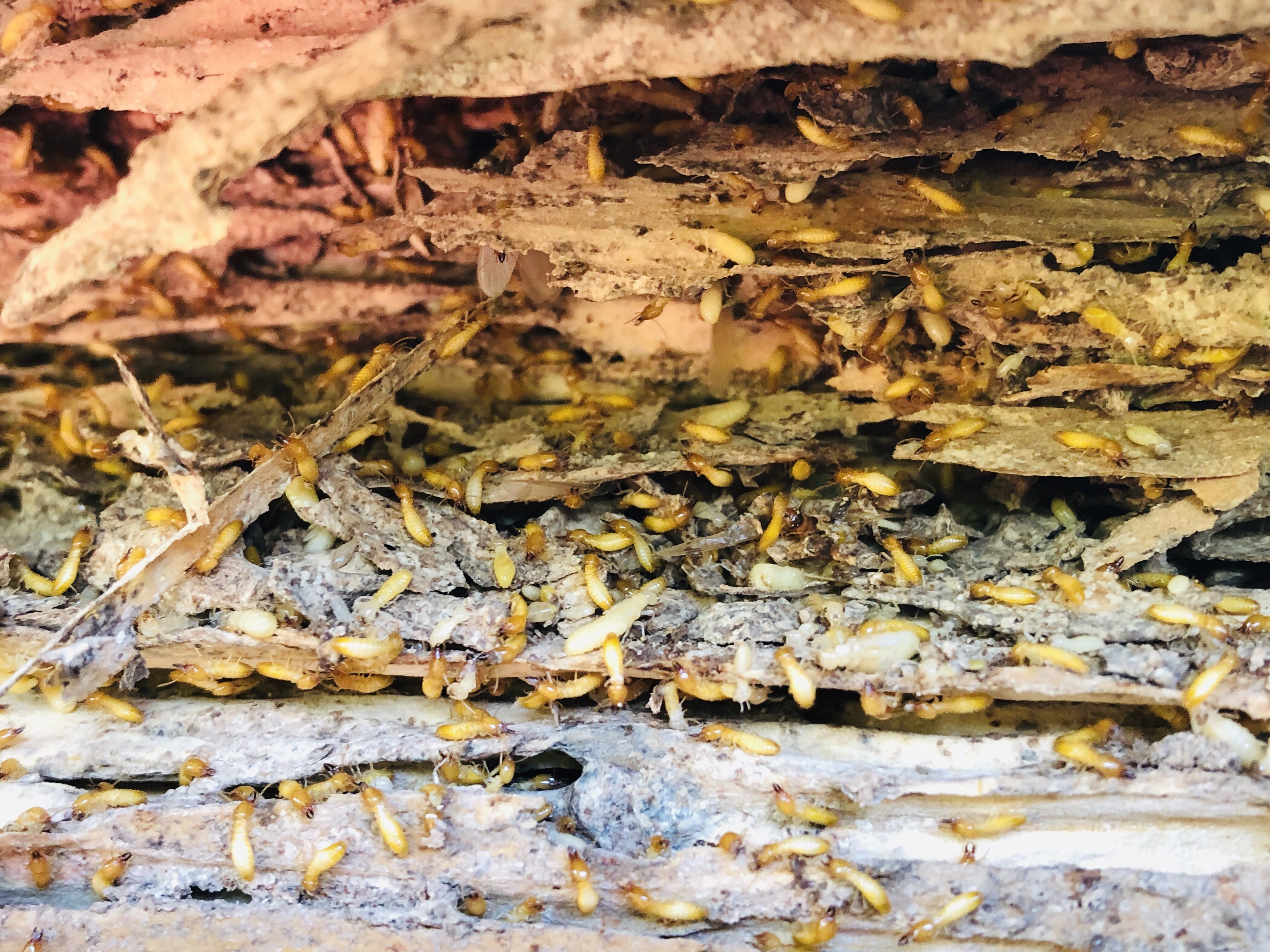
Close-up of subterranean termites on wood
Live activity

Mud tubes and live termites

  • Pencil-width dirt tubes on block, concrete or pipes
  • Small, pale, soft-bodied insects inside broken tubes
  • Piles of shed wings near a window in spring

Mud tubes are how subterranean termites travel from the soil to the wood without drying out. If a tube is damp and you see insects when it's broken open, the colony is active right now and treatment comes before any repair.

Cracks in a concrete foundation wall
Hidden damage

Sill plates, joists and trim

  • Wood sounds hollow when tapped
  • A screwdriver sinks in easily
  • Layers of wood eaten along the grain, packed with soil

Termites eat wood from the inside and leave the surface thin. The sill plate on top of the foundation, the ends of floor joists, door frames near the floor and basement stair stringers are where we find damage most often.

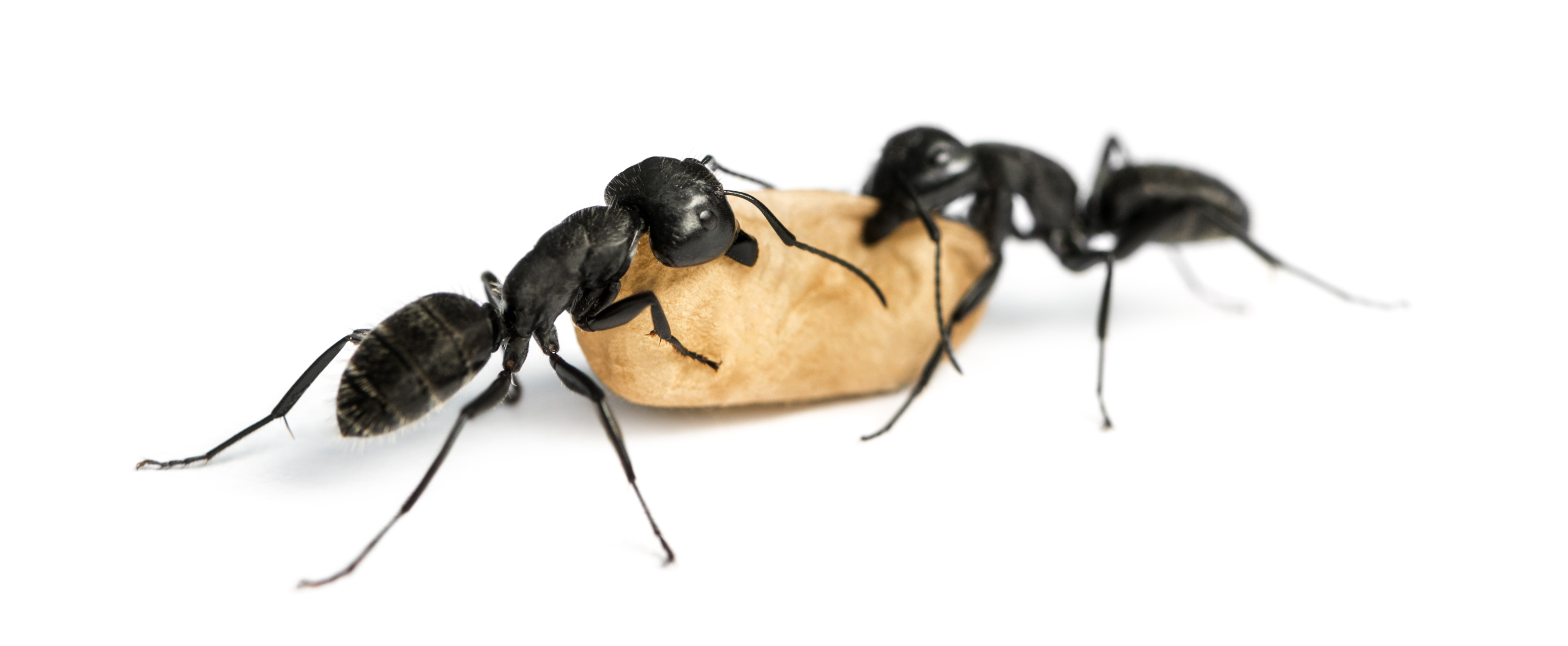
Two carpenter ants on a surface
Look-alike

Carpenter ants or rot

  • Smooth, clean galleries instead of soil-packed ones
  • Sawdust-like shavings below the wood
  • Big black ants, often in damp wood

Carpenter ants hollow out wet or soft wood but don't eat it, and they push out sawdust. Rot from a leak can look like termite damage too. The fix is different for each, so we identify the cause before anyone starts cutting.

East Newark homes and why damage stays hidden

East Newark is one of the smallest boroughs in New Jersey, tucked between Harrison and Kearny along the Passaic River. Most of the housing is older β€” attached and closely spaced homes, two-family houses and small apartment buildings on narrow lots. That mix makes termite damage easy to miss for years:

  • Shared and close walls. When houses sit a few feet apart or share a wall, termites working in one foundation can reach the next. Some of the damage may be on a side you can't see.
  • Older basements. Block and stone foundations, wood posts set on the floor and old sill plates give termites plenty of hidden paths.
  • Finished or cluttered basements. Paneling, drywall, storage shelves and boxes against the wall cover the exact spots where tubes show up.
  • Damp ground near the river. Moist soil and basements that take on water keep termites comfortable close to the house.
  • Porches, stoops and back steps where wood framing sits close to the dirt or on old concrete that has cracked.

If you own a two-family home or a small building, tell us when you call. We'll want access to every part of the basement and to any crawl space under an addition or porch.

How we map termite damage

1

Walk the whole foundation

A licensed technician checks the basement walls, sill plate, joists, posts, stairs and the outside of the foundation, including porches and steps. We probe the wood and look for tubes, wings and soil-packed galleries.

2

Mark active vs. old

Live termites and damp tubes mean an active area. Dry, empty tubes and old galleries may be from years ago. Knowing the difference tells you what needs treatment and what's just old damage.

3

Note what looks structural

We point out damage to sill plates, joists, beams or posts that holds up the house, so you know what the repair has to cover. Serious structural damage can also need an engineer's input.

4

Explain the treatment plan

You get a clear explanation of where we'll treat, why, and what to fix (water, wood touching soil) so the termites don't come back to the new wood.

Photos help. Take pictures of anything you find before it's disturbed and keep them β€” if you're selling, the buyer may ask for them.

How bad is it? Reading the damage

What you findWhat it usually meansWhat happens next
Tubes only, wood still hardTermites are getting in but haven't done much yetPest control: treat and monitor
Surface damage on trim or a baseboardEarly feeding; often the visible tip of moreTreatment first, then the trim is replaced
Screwdriver sinks into the sill plateDamage along part of the sillTreatment, then we sister or replace the damaged sections
Soft joist ends or postsDamage to framing that carries weightTreatment, then we reinforce or replace the framing
Sagging floor or bouncy spotPossible serious framing damage (or another cause)Inspect for termites and treat if found; structural repair of joists and beams, with an engineer's input if needed

Not sure which row you're in? Text a photo to 973-510-2585. We'll tell you what it looks like and whether it needs a visit.

How to get rid of termites in New Jersey

Homeowners ask us this a lot, usually after a weekend of spraying. Here's the honest version for subterranean termites in NJ:

What doesn't work well on its own:

  • Spraying the tubes or the swarmers. You kill the termites you see. The colony lives in the soil and keeps sending more.
  • Breaking up the mud tubes. They rebuild them, often somewhere you can't see. Leave the tubes alone until they've been inspected.
  • Replacing the wood first. As above β€” new wood, same termites.

What does work:

  • A professional soil treatment along the foundation and at the spots where termites are coming in, applied by a licensed applicator. On many homes this means treating along the outside wall and, where concrete covers the soil (a basement floor, porch slab or stoop), drilling small holes to reach the soil underneath.
  • Treating the active areas where they're feeding.
  • Fixing the conditions that brought them in: leaks, water running toward the foundation, and wood touching soil.
  • Follow-up checks, especially the first spring after treatment when swarm season comes around.

Every house is different, so we explain the plan for yours after the inspection. For more on our termite work, see termite treatment from our Garfield base.

Before the repair starts: four things to do

πŸͺ²

Treat first, then build

Schedule the repair for after the treatment. If walls or a ceiling are coming down for the repair anyway, tell us β€” that open access can help us see and treat hidden areas.

πŸ“Έ

Document everything

Photos of the tubes, the damage and the repair before it's covered up are useful later for a sale, a refinance or your own records.

πŸ’§

Fix the water

Leaky pipes, a gutter dumping at the foundation, or a basement that floods keeps termites coming back. The repair is a good time to fix those too.

🧱

Lift wood off the soil

New wood should stay off the dirt β€” posts on concrete footings, a gap between soil and siding, no wood stair stringers buried in the ground.

Selling, buying or dealing with insurance

Termite damage often comes up during a home sale in Hudson County. Many buyers order a wood-destroying insect inspection, and VA loans require one. If damage is found, the buyer will usually want to know the termites have been treated and what was repaired.

  • Selling: call before you list. Treating early and keeping the paperwork and photos makes the conversation easier.
  • Buying: if a report shows damage, ask whether the activity is current or old, and whether it was treated. We can inspect and explain what we see.
  • Insurance: many homeowner policies don't cover termite damage, but every policy is different. Check yours with your agent before you plan the repair.

More: VA termite inspections in NJ.

What affects the price of termite treatment

The quote is free and given after we inspect:

FactorSmaller jobBigger job
ActivityOne spot at the foundationSeveral areas, or tubes along long runs of wall
BuildingSingle-family, simple footprintTwo-family or attached home, additions, porches
ConcreteOpen soil along the wallSlabs, stoops and basement floors to drill through
AccessOpen, unfinished basementFinished walls, storage, crawl spaces
MoistureDry foundationWater problems that need fixing too

Repair depends on how much wood needs replacing, and we quote it once the damage is mapped. Call or text 973-510-2585 to set up an inspection.

Get a Free Termite Quote in East Newark

Tell us what you found β€” soft wood, tubes, wings β€” and where. Send photos if you have them. We'll explain what it looks like and set up an inspection.

Why East Newark calls us about termite damage

  • Soft sill plate found during a renovation
  • Mud tubes behind basement paneling
  • Damage turned up in a buyer's inspection
  • Want treatment and repair from one company
  • Need to know: termites, ants or rot?
πŸ“ž Call 973-510-2585

Request Service

πŸ”’ Your info stays private Β· Hablamos espaΓ±ol.

What's bugging you? - Step 1 of 3

Termite Damage Questions from East Newark

Do you repair termite damage too?

Yes. We treat the termites first, then our crew repairs the damaged wood ourselves β€” sill plates, joists, beams and framing. One company handles both.

Should I treat for termites before or after the repair?

Before. New wood put in while termites are still active just gives them more to eat, so the treatment comes first.

How can I tell if the damage is old or active?

Active termites leave damp, fresh mud tubes and you may see live insects when one is opened. Dry, crumbling tubes with nothing inside are often old, but only an inspection can tell for sure.

Can termite damage make a floor unsafe?

Serious damage to sill plates, joists or posts can weaken framing. If a floor sags or feels soft, call us: we check for termites, treat them, and repair the damaged framing.

Will homeowner's insurance pay for termite damage?

Often not, but policies differ. Ask your agent before planning the repair.

Can termites spread to my neighbor's house?

They can travel through the soil, so closely spaced and attached homes can share a problem. If your neighbor has had termites, mention it when you call.

Is it termites or carpenter ants?

Termite galleries are packed with soil and there's no sawdust; carpenter ants leave clean galleries and shavings. Text us a photo and we'll tell you.

How long does treatment take?

Most homes are treated in a single visit, and larger or attached buildings can take longer. We tell you the plan before we start.

Are you licensed for termite work?

Yes. Silver Bullet Pest Control holds NJ License 90568B and has over 15 years of experience. We're based in Garfield and serve East Newark and the rest of Hudson County.

ΒΏHablan espaΓ±ol?

SΓ­. Hablamos espaΓ±ol. Llame o mande un texto al 973-510-2585.

Termite help around East Newark

We serve East Newark and nearby Hudson County towns from our base in Garfield.

Recent jobs near East Newark, NJ

Real photos from our recent jobs. We show only the street and town, never the customer's exact address.

Squirrel & raccoon exclusion – Kearny, NJ
Squirrel & raccoon exclusionπŸ“ Highland Ave Β· Kearny, NJ Β· Apr 2026

Squirrel & raccoon exclusion for a home on Highland Ave in Kearny, NJ by Silver Bullet Pest Control.

Damage repair & sealing – Bloomfield, NJ
Damage repair & sealingπŸ“ Lewis St Β· Bloomfield, NJ Β· Oct 2026

Damage repair & sealing for a home on Lewis St in Bloomfield, NJ by Silver Bullet Pest Control.

Bee & wasp removal – East Orange, NJ
Bee & wasp removalπŸ“ Fairmount Ter Β· East Orange, NJ Β· Sep 2026

Bee & wasp removal for a home on Fairmount Terrace in East Orange, NJ by Silver Bullet Pest Control.

Squirrel & raccoon exclusion – North Arlington, NJ
Squirrel & raccoon exclusionπŸ“ Morgan Pl Β· North Arlington, NJ Β· Apr 2026

Squirrel & raccoon exclusion for a home on Morgan Pl in North Arlington, NJ by Silver Bullet Pest Control.

Our service area

Union County

973-510-2585
  • Berkeley Heights
  • Clark
  • Cranford
  • Elizabeth
  • Fanwood
  • Garwood
  • Hillside
  • Kenilworth
  • Linden
  • Mountainside
  • New Providence
  • Plainfield
  • Rahway
  • Roselle
  • Roselle Park
  • Scotch Plains
  • Springfield
  • Summit
  • Union
  • Westfield

Morris County

973-510-2585
  • Boonton
  • Butler
  • Cedar Knolls
  • Chatham
  • Denville
  • Dover
  • East Hanover
  • Florham Park
  • Hanover
  • Kinnelon
  • Lincoln Park
  • Madison
  • Mendham
  • Montville
  • Morris Plains
  • Morristown
  • Mountain Lakes
  • Parsippany
  • Pequannock
  • Randolph
  • Riverdale
  • Rockaway
  • Roxbury
  • Whippany

Updated November 2026 by the Silver Bullet Pest Control team, Garfield, NJ β€’ NJ License 90568B

Scroll to Top