Silver Bullet Pest Control logoSilver Bullet Pest Control
Termites Β· Englewood Β· Bergen County

Termite Exterminator in Englewood, NJ

Soft spots in a porch floor, a cloud of winged bugs by the basement door, or a buyer's inspector who wrote "evidence of WDI" on the report? Silver Bullet Pest Control finds out what's really going on in Englewood homes, treats the termites, and repairs the damaged wood ourselves β€” one company from inspection to finished repair.

4.9 stars on Google β€’ NJ License 90568B β€’ 15+ years β€’ Bergen County β€’ Hablamos espaΓ±ol

Text a close-up photo of the bugs or the damage to 973-510-2585 β€” we'll tell you if it looks like termites.

  • βœ“ Same-day appointments often available
  • βœ“ Licensed & insured in NJ
  • βœ“ Homes & businesses
  • βœ“ English & EspaΓ±ol

Who is a licensed termite exterminator in Englewood, NJ?

Silver Bullet Pest Control is a licensed termite exterminator serving Englewood, NJ and all of Bergen County from our base in Garfield. A technician inspects the foundation, basement and wood, shows you the evidence, and treats the colony's path into the house β€” usually a liquid soil treatment around the foundation plus the active spots β€” and our crew can repair damaged sills, joists and framing afterward. NJ License 90568B, 4.9 stars on Google. Call or text 973-510-2585 for a free quote.

Signs of termites in an Englewood home

Termites stay hidden, so most people find them by one of these three clues:

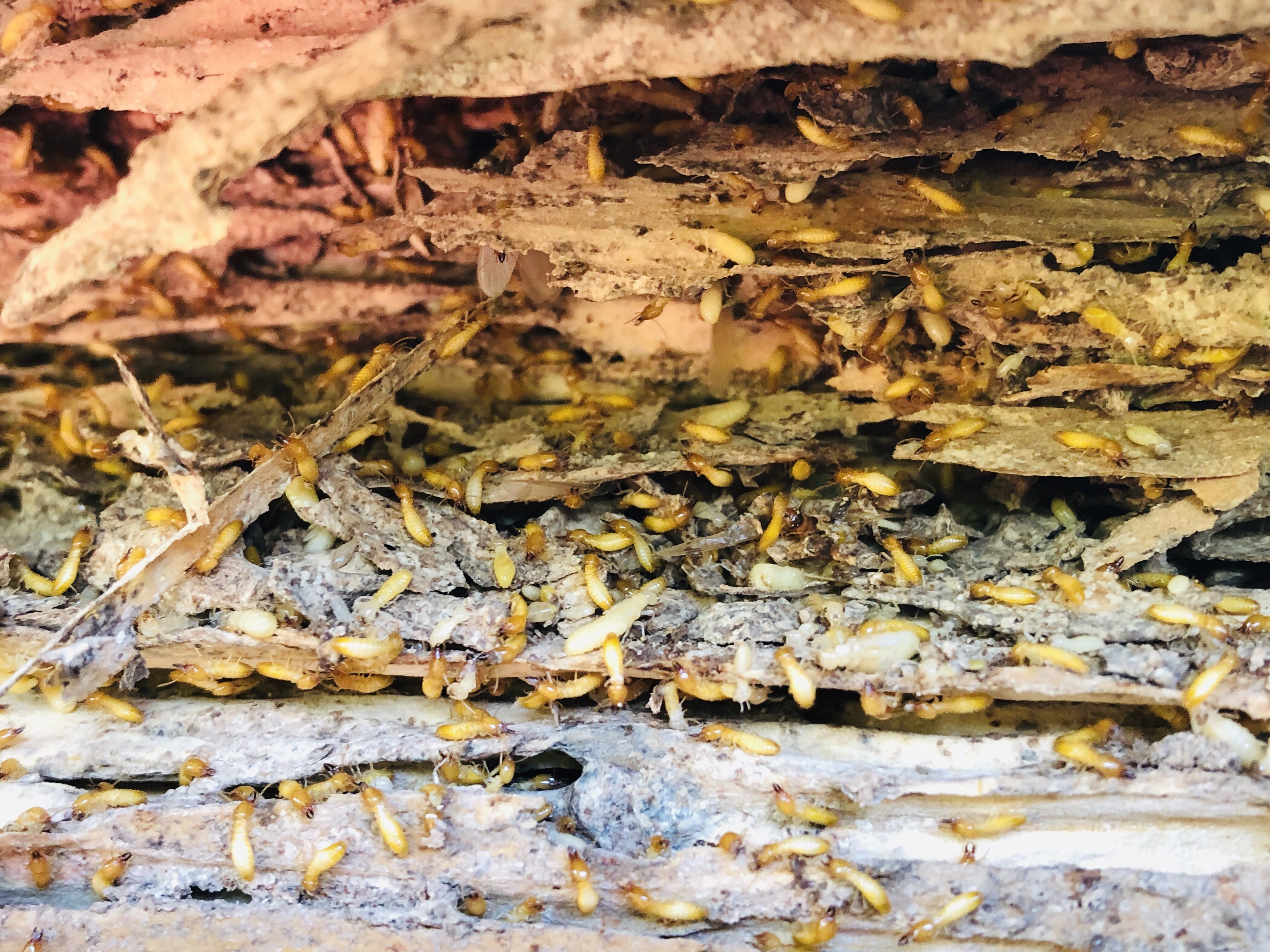
Subterranean termites working inside wood
Mud tubes

Dirt tubes on the foundation

  • Pencil-width brown tubes on block or concrete
  • Tubes running up to the sill or a wood post
  • Tubes behind basement paneling or storage

Eastern subterranean termites build these tunnels to travel from the soil to the wood without drying out. Leave them in place and send us a photo.

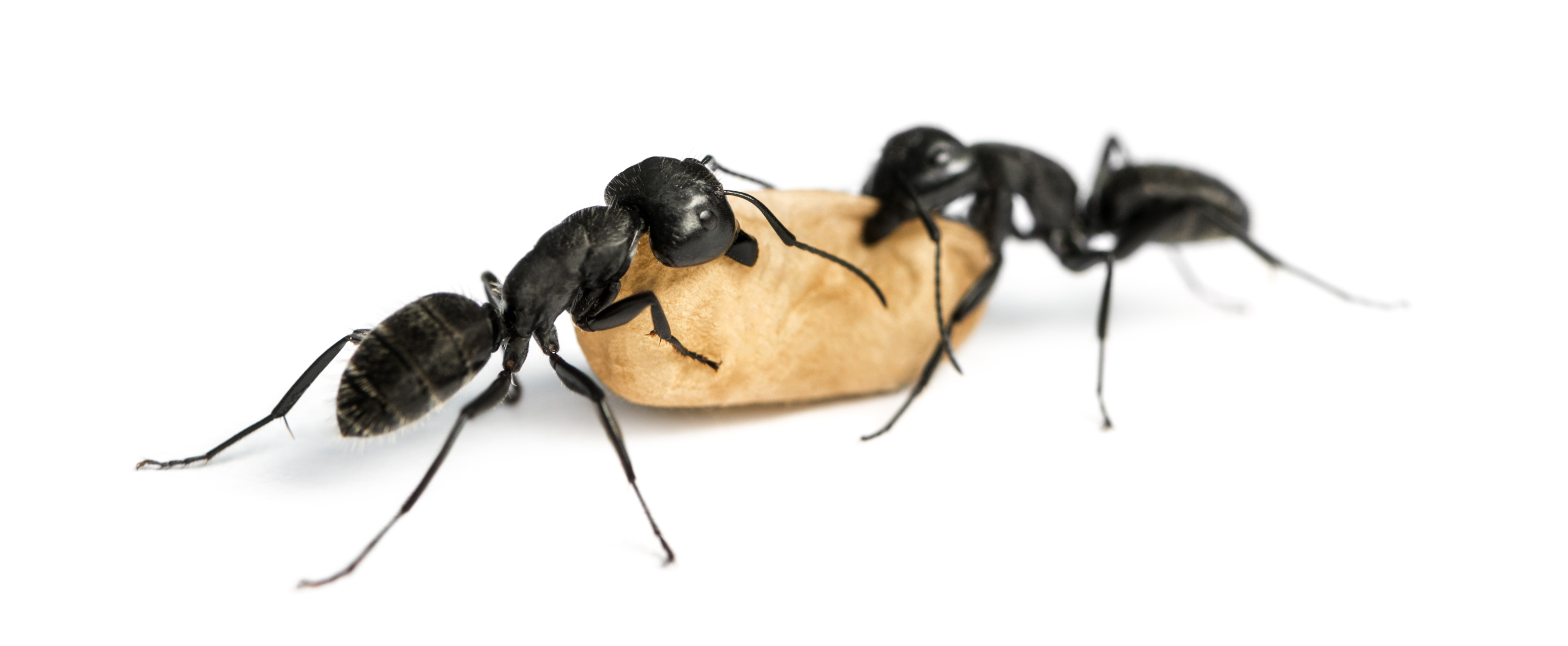
Winged ants, which are often confused with termite swarmers
Swarmers

Winged insects indoors in spring

  • A burst of small winged bugs on a warm day, often after rain
  • Piles of shed wings on window sills
  • Bugs near a basement door, slab crack or bathroom

Swarmers indoors almost always mean a colony is close by. Flying ants look similar, so a photo helps us tell them apart.

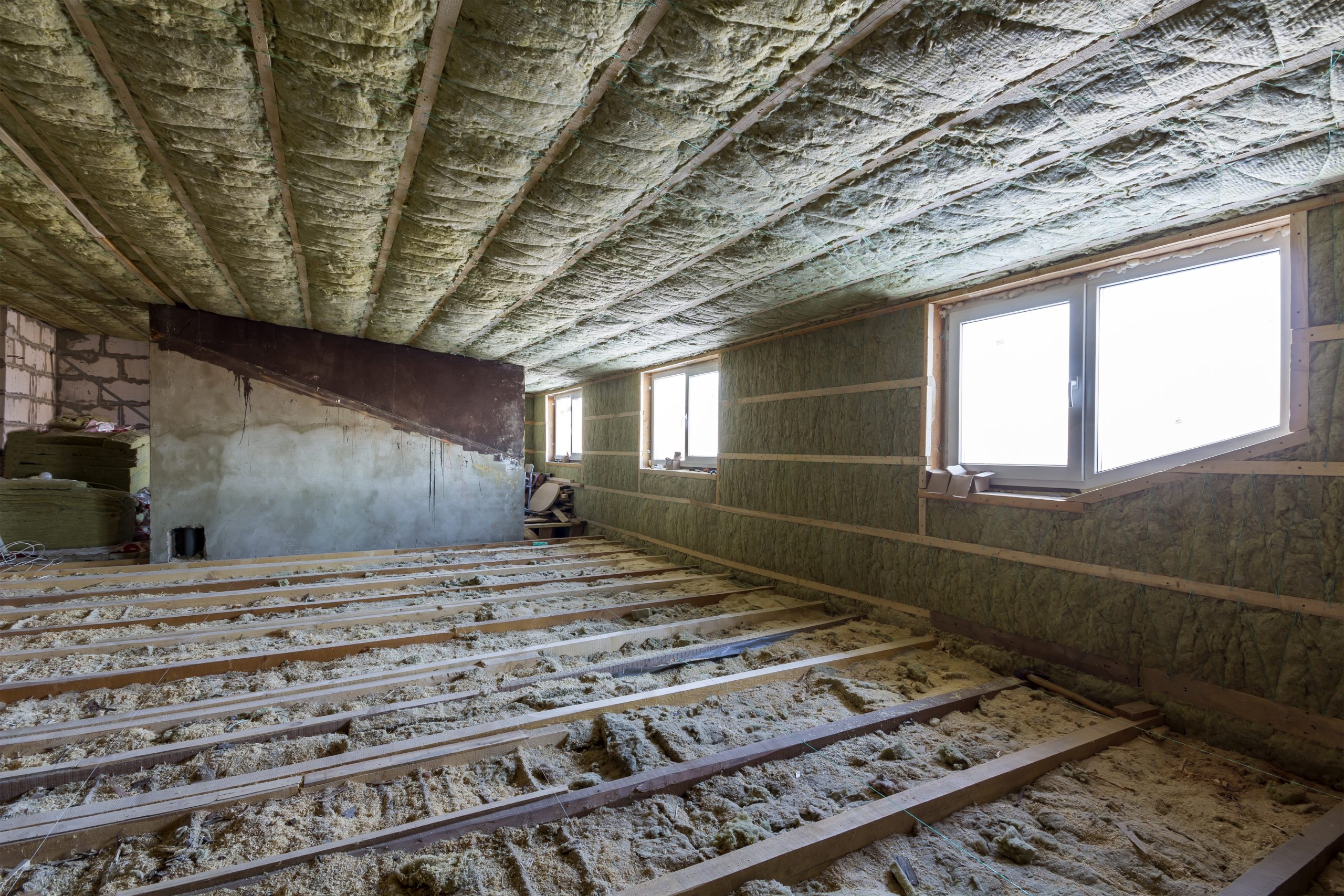
Exposed wood framing of the kind termites damage
Damaged wood

Soft, hollow or rippled wood

  • A screwdriver sinks into the sill plate or a joist
  • Baseboards or door frames that sound hollow
  • Bubbling paint or floors that feel spongy

Termites eat wood from the inside out, so the surface can look fine. We probe the wood and show you how far the damage goes.

Englewood house types and where termites hide

Englewood has a wide mix of homes, and where we look for termites depends a lot on the house:

  • Large older homes on the east side. Big stone or block foundations, crawl spaces under additions and sunrooms, wide porches and mature trees close to the house. Termites often show up where an addition meets the original foundation, or under a porch that sits on soil.
  • Colonials, Capes and split-levels on the west side and around downtown. Full basements, many of them finished. Paneling and drywall can hide mud tubes for years, so we look closely at utility rooms, under stairs and at any spot where the finished wall stops.
  • Two-families, townhouses and condos. The termites don't care about property lines, so we look at the whole foundation and talk with you about the association or neighbors when a shared wall is involved.
  • Shops and offices along Palisade Avenue and Grand Avenue. Older commercial buildings with wood framing and basements need the same inspection, scheduled around business hours.

Across town, the common risk factors are the same: soil kept damp by gutters and downspouts, wood mulch piled against the siding, firewood stacked by the house, and wood steps or deck posts set right into the ground.

Is it termites, carpenter ants or water damage?

Three problems that get mixed up all the time β€” and they're treated very differently:

ClueTermitesCarpenter antsWater damage / rot
What the wood looks likeHollow galleries packed with mud and soilSmooth, clean tunnels, like sandedSoft, dark, crumbly or stringy wood
Debris you findMud tubes, no sawdustPiles of coarse sawdust with insect partsNo debris, sometimes mold or a musty smell
Insects you seeSmall creamy-white workers, winged swarmers in springLarge black ants, often at nightNone
Where it shows upSill plates, joists, wood near soilDamp wood around windows, roofs, decksUnder leaks, at gutters, bathrooms
What fixes itTermite treatment, then repairAnt treatment, find the moisture, repair woodFix the leak, replace the wood

More on telling them apart: termite damage vs. water damage.

What happens on our termite visit

1

Outside walk-around

Foundation, porches, decks, steps, mulch beds, gutters, downspouts and any wood touching the ground.

2

Inside inspection

Basement or crawl space walls, sill plates, joists, posts, plus frames and trim along outside walls. We probe suspect wood.

3

Show and explain

We show you what we found β€” live termites, old damage, mud tubes or the conditions that invite them β€” with photos.

4

Treat and follow up

We recommend a treatment, explain where and how we treat, and point out the moisture fixes that keep termites from coming back.

Buying or selling? Ask about termite inspections for home sales.

Termite treatment options in Englewood, compared

The two main approaches for subterranean termites are a liquid soil treatment and a baiting system. Here's a fair comparison:

Liquid soil treatmentBait stations
How it worksTermiticide is applied in the soil along the foundation and at entry points, so termites passing through contact itStations in the ground hold bait that workers carry back to the colony
How fastStarts working once termites pass through the treated zoneSlower β€” it can take a while for termites to find and feed on the bait
UpkeepMostly a one-time treatment with periodic inspectionsStations need regular checking and refilling
Best forActive infestations and most homes with a basement or slabSome homes where drilling or trenching is difficult
Our approachWhat we usually recommend for active termitesAsk us which fits your home

Want the long version? Read Sentricon vs. liquid termite treatment and does termite spray work?

Termite damage repair, done by the same company

Killing the termites is only half the job if they've already eaten into the structure. In a lot of Englewood homes the damage is at the sill plate β€” the wood beam that sits on top of the foundation β€” and the ends of the floor joists that rest on it. Porch framing and wood near basement doors and windows are next on the list.

After treatment, our crew repairs termite-damaged wood ourselves: sill plates, joists, beams and framing. That means you don't have to find a separate contractor, explain the problem twice, or wonder whether the repair covered all the damage the termite technician found.

  • We treat first, so no live termites are sealed into new wood.
  • We open up only what's needed to reach the damaged wood.
  • We replace or reinforce the damaged pieces and close it back up.

See sill plate repair after termites for how a typical repair goes.

Keep termites from coming back

πŸ’§

Dry out the soil

Clean gutters, extend downspouts well away from the foundation and fix leaks near the basement. Damp soil is what subterranean termites want.

πŸͺ΅

No wood on the ground

Store firewood and lumber off the ground and away from the house. Deck posts and steps should sit on concrete footings.

🌳

Watch mulch and roots

Keep mulch thin and a few inches below the siding. Old stumps and buried roots near the house can feed a colony.

πŸ”¦

Inspect every year

Check basement walls each spring before swarm season and have a professional look every year or two, especially in an older home.

What affects the cost of termite treatment in Englewood

We give a free quote after the inspection. These are the factors that move it up or down:

FactorLowerHigher
How much activityOne small areaSeveral areas or long runs of mud tubes
Size of the houseSmall footprintLarge home with additions, porches and sunrooms
Foundation and accessOpen, unfinished basementFinished basement, crawl spaces, slab sections
Moisture problemsDry foundationDrainage or leaks that need fixing too
DamageNone foundSills, joists or framing that need repair

Call or text 973-510-2585 to book an inspection and get your free quote.

Get a Free Termite Quote in Englewood

Tell us what you found β€” swarmers, wings, mud tubes or soft wood β€” or your closing date if you're buying or selling.

Why Englewood homeowners call us

  • Winged bugs in the basement in spring
  • Mud tubes on the foundation
  • Soft wood at a sill, porch or door frame
  • A home inspection that flagged termites
  • Want treatment and repair from one company
πŸ“ž Call 973-510-2585

Request Service

πŸ”’ Your info stays private Β· Hablamos espaΓ±ol.

What's bugging you? - Step 1 of 3

Termite Questions from Englewood

How do I know if I have termites in my Englewood house?

The most common signs are mud tubes on the foundation, swarms of winged insects indoors in spring, piles of shed wings, and wood that sounds hollow or lets a screwdriver sink in. Termites stay hidden, so many people find out during a home sale inspection. Text us a photo if you're unsure.

How much does termite treatment cost in Englewood?

It depends on how much activity there is, the size of the house, how easy the foundation is to reach, and whether there's damage to repair. A small, easy-to-reach area costs less than a large home with a finished basement. We give a free quote after inspecting, so you know the price before we start.

How long does termite treatment take?

Most homes are treated in one visit, usually within a day. Large homes, finished basements or several active areas can take longer. Repairs, if needed, are scheduled after treatment. We tell you the timeline before we start.

Is termite treatment safe for kids and pets?

Treatment is applied to the soil and specific spots in the structure, not sprayed around your living space. We explain where we treat, what we use and any precautions, like keeping pets out of a treated area for a while, before the work begins.

Can I treat termites myself?

Store-bought sprays can kill the termites you see, but they rarely reach the colony in the soil, so the problem usually continues out of sight. A professional treatment targets how termites get into the house. DIY is fine for prevention, like fixing drainage and moving wood away from the foundation.

Do you repair termite damage?

Yes. After the termites are treated, our crew repairs the damaged wood ourselves β€” sill plates, joists, beams and framing β€” so you don't need a separate contractor.

When do termites swarm in New Jersey?

Mostly in spring, often on a warm day after rain. Swarms can last less than an hour, so save a few wings or bugs in a bag, or take a photo, and send it to us.

Are those flying ants or termites?

Termites have a straight, thick waist, straight antennae and four wings of equal length. Flying ants have a pinched waist, elbowed antennae and longer front wings. Carpenter ants also leave sawdust, which termites don't.

Do you inspect homes for buyers and sellers in Englewood?

Yes. Call as early as you can, and tell us the closing date, the lender and who should get the report. If termites are found, we explain the treatment and next steps.

How far are you from Englewood?

We're based in Garfield and serve Englewood and all of Bergen County, along with Passaic, Essex and Hudson counties. Same-day appointments are often available.

ΒΏTratan termitas en Englewood?

SΓ­. Inspeccionamos, tratamos las termitas y reparamos la madera daΓ±ada. Hablamos espaΓ±ol. Llame o mande texto al 973-510-2585.

Termite control near Englewood

From our base in Garfield we serve Englewood and towns across Bergen County and North Jersey.

Updated November 2026 by the Silver Bullet Pest Control team, Garfield, NJ β€’ NJ License 90568B

Scroll to Top