Silver Bullet Pest Control logoSilver Bullet Pest Control
Termite Damage Β· West Milford Β· Passaic County

Termite Damage in West Milford, NJ: Stop the Termites First, Then Repair

Pulled up a board at the lake house and found it hollow, or a contractor told you the sill is "eaten"? Before anyone replaces wood, the termites have to be confirmed, stopped and mapped. Silver Bullet Pest Control inspects West Milford homes, treats active termites, maps exactly where the damage runs, and then our crew repairs the damaged wood.

4.9 stars on Google β€’ NJ License 90568B β€’ 15+ years β€’ Serving Passaic County from Garfield β€’ Hablamos espaΓ±ol

Text a photo of the damaged wood to 973-510-2585. We'll tell you if it looks like termites, carpenter ants or rot.

What should I do about termite damage in my West Milford home?

If you find termite damage in a West Milford home, have a licensed termite inspection first to find out whether the termites are still active, treat them if they are, and only then repair the wood. Repairing before the colony is stopped just gives termites new wood to eat. Silver Bullet Pest Control inspects and treats termites in West Milford, maps the damaged areas, and then repairs the damaged sill plates, joists, beams and framing ourselves, so one company handles both. NJ License 90568B, 4.9 stars on Google. Call or text 973-510-2585.

What termite damage looks like

Subterranean termites eat wood from the inside out, so damage is usually worse than it looks from the surface:

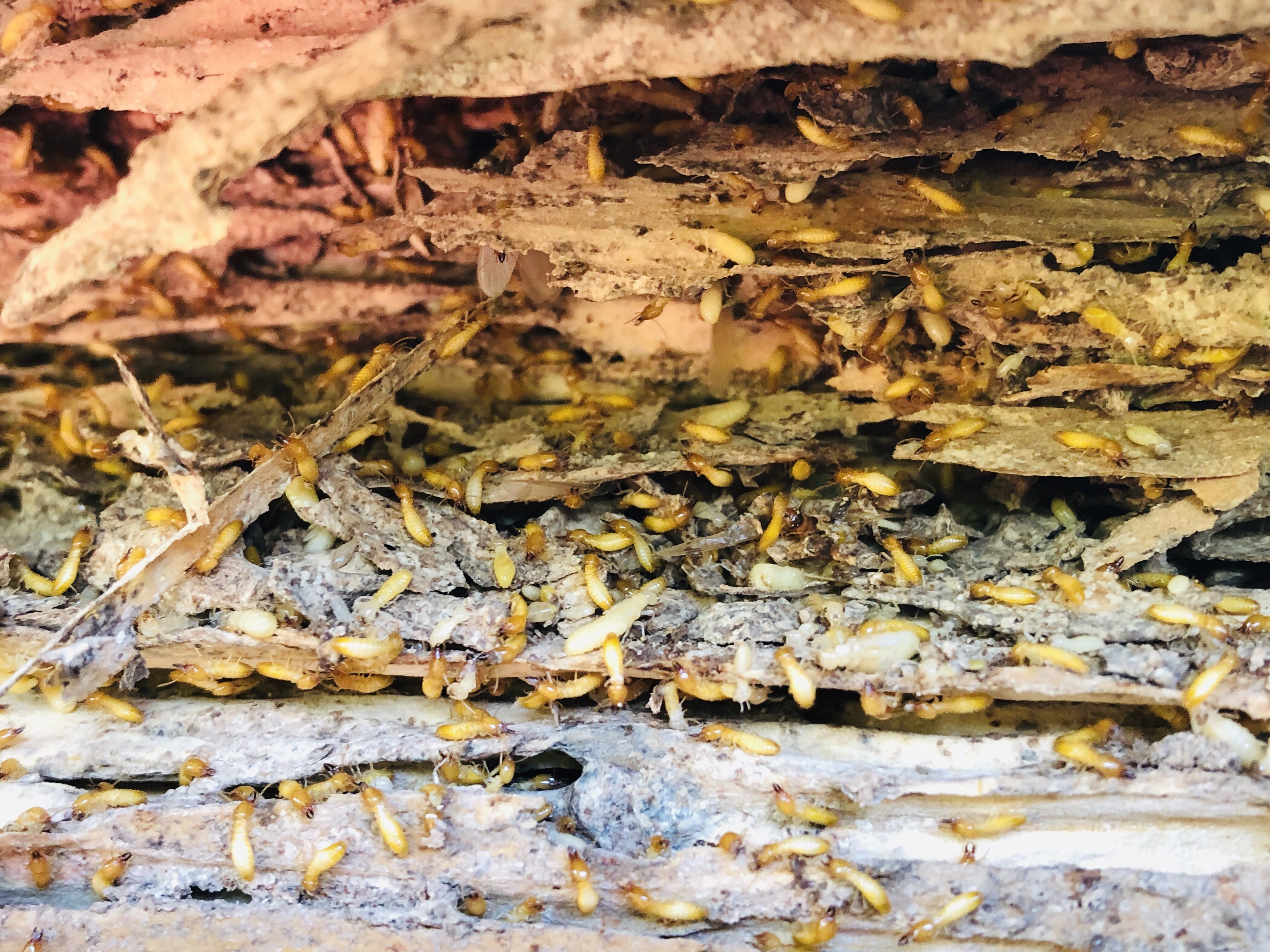
Termite workers inside damaged wood
Most common

Sill plates and rim joists

  • Wood sounds hollow when tapped
  • A screwdriver sinks in easily
  • Dried mud packed into the grain

The sill plate sits right on top of the foundation, so it's the first wood termites reach. Damage here often runs along the wall for several feet before anyone notices.

Cracks in a concrete foundation wall
Hidden

Floor joists, posts and stairs

  • Floors that feel soft or bouncy
  • Basement or crawl space posts touching soil
  • Tubes running up piers or block

In crawl spaces and basements, termites move from the soil straight into posts, stair stringers and the ends of joists. Sagging floors are a late sign.

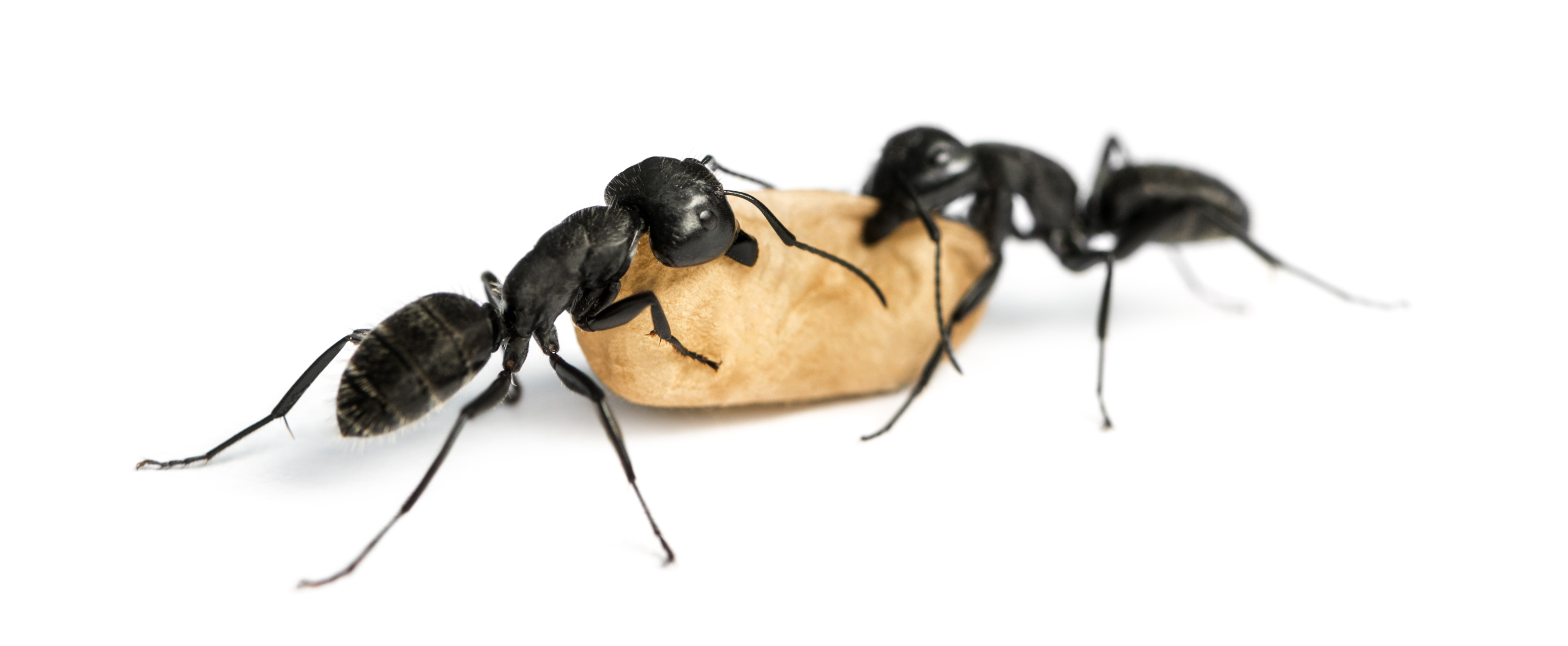
Two large carpenter ants on wood
Look-alike

Decks, porches and trim

  • Damage near soil or wet wood
  • Rippled, blistered paint
  • Clean galleries with sawdust usually mean carpenter ants

Porch posts, deck framing, door frames and siding near the ground take a lot of moisture. Termites and carpenter ants both go after them, and the treatment is different, so we confirm which one it is.

Why West Milford homes are at risk

West Milford is a big, wooded township in the Highlands, with lakes, state forest and reservoirs all around. A lot of homes sit on wooded lots near Greenwood Lake, Upper Greenwood Lake and the other lake communities, and many started out as summer cottages that were later winterized and expanded.

  • Crawl spaces and piers: many lake houses and older cottages sit on crawl spaces or piers instead of full basements, with wood close to damp soil.
  • Additions on additions: porches enclosed, rooms added and decks extended over the years leave joints and hidden spots where termites get in.
  • Wooded lots: stumps, fallen trees, firewood stacks and old landscape timbers feed termite colonies right next to the house.
  • Moisture: shaded lots, slopes that drain toward the house and homes near the water keep soil damp around the foundation.
  • Homes that sit empty part of the year: seasonal places can go a long time without anyone looking under them.

We serve West Milford from our base in Garfield. It's one of the farther towns we cover, so we usually book inspections ahead; call or text and we'll find a time that works.

Active termites, old damage, or something else?

The answer decides what you need to do next:

What we findWhat it meansNext step
Live termites, fresh mud, rebuilt tubesActive infestationTreat now, then plan repairs
Damaged wood, dry crumbly mud, no live termitesOld damage; could be from a past colonyCheck for a past treatment record; treat if there's any doubt; repair
Clean tunnels and sawdust-like shavingsCarpenter antsFind and treat the ant nest and the moisture problem
Soft, stringy or crumbling wood, no tunnelsWood rot from moistureFix the water problem; repair the wood
Small round holes and fine powderWood-boring beetlesDifferent treatment; ask us

We tell you honestly if what you're looking at isn't termites, so you don't pay for the wrong treatment.

The right order: stop, map, repair, protect

1

Stop the termites

If the colony is active, treat it first. A liquid treatment in the soil along the foundation plus the active areas is the most common approach.

2

Map the damage

We mark where we found activity and damaged wood, so the repair covers all of it, not just the part you can see.

3

Repair the wood

Our crew replaces or sisters the damaged sill plates and joists and repairs beams and framing. Treat any new wood near the soil as recommended.

4

Protect the house

Fix the water and wood-to-soil problems we pointed out, and have the house checked periodically, especially a house that sits empty part of the year.

Opening walls during repairs sometimes uncovers more damage. If it does, send us photos before it gets closed up.

What termite damage repair involves

Once the termites are treated, our crew repairs the damaged wood ourselves: sill plates, joists, beams and framing. Here's what that work usually looks like:

  • Sill plate sections: the house is supported temporarily while damaged lengths of sill are cut out and replaced.
  • Joists: damaged joists are often reinforced by fastening new lumber alongside them ("sistering"), or replaced if the damage is severe.
  • Posts, piers and stairs: wood posts sitting on soil are usually replaced and set on concrete or proper bases.
  • Trim, siding and door frames: damaged pieces are cut out and replaced, and gaps near grade are fixed.
  • Decks and porches: rotted or eaten framing is replaced; posts should not be buried directly in dirt.

Structural work can need a permit; your town's building department can tell you what applies. Planning a sale? A termite inspection report from before and after treatment is useful paperwork; see VA and home-sale termite inspections.

How to get rid of termites in a New Jersey home

Whether you have damage or just found a swarm, the steps for getting rid of subterranean termites in New Jersey are the same:

  1. Confirm it's termites. Swarmers have straight antennae, a thick waist and four equal wings. Text us a photo if you're not sure.
  2. Don't disturb the activity. Spraying or tearing out tubes before an inspection can scatter termites and hide where they're getting in.
  3. Get a licensed inspection of the foundation, crawl space or basement, porches, decks and garage.
  4. Treat the soil and active areas. Store sprays only kill the termites you see; the colony lives in the ground.
  5. Fix the moisture and wood-to-soil problems that brought them in.

Want to stop them before there's damage? See preventive termite control.

What affects the cost of termite treatment

Our quote is free. If the wood needs repair, we quote that once we've mapped the damage. Treatment depends on:

FactorSmaller jobBigger job
FoundationOpen basement, easy to reachCrawl space, piers, slab sections
SizeSmall cottageLarger home with additions, porch and deck
ActivityOne small active areaSeveral active areas around the house
SiteDry, cleared yardWet soil, stumps and wood near the house
AccessClear walls and crawl spaceFinished walls, stored items, tight crawl space

Call or text 973-510-2585 to set up an inspection.

Keeping termites away from a wooded lot

πŸͺ΅

Move the wood

Stack firewood off the ground and away from the house. Remove old stumps, landscape timbers and lumber piles close to the foundation.

πŸ’§

Handle the water

Keep gutters clear and downspouts pointed away. Make sure the ground slopes away from the house and crawl spaces are vented or kept dry.

🌲

Leave a gap

Keep mulch, leaves and soil a few inches below siding and trim so you can see the foundation.

πŸ”¦

Look under the house

Check the crawl space or basement walls every spring, and have a seasonal home looked at before you open it up for summer.

Get a Free Termite Quote in West Milford

Tell us where you found the damage and send a photo. If a contractor already opened up the wall or floor, let us know before it gets closed up.

Why West Milford calls us

  • Hollow or soft wood found during a renovation
  • A contractor found damage at the sill
  • Mud tubes in the crawl space
  • A lake house that hasn't been checked in years
  • A home sale coming up
πŸ“ž Call 973-510-2585

Request Service

πŸ”’ Your info stays private Β· Hablamos espaΓ±ol.

What's bugging you? - Step 1 of 3

Termite Damage Questions from West Milford

Should I repair termite damage before or after treatment?

After. Treat the active termites first, then repair, or the colony can move into the new wood.

Do you repair termite damage too?

Yes. After the termites are treated, our crew repairs the damaged wood ourselves, sistering or replacing sill plates and joists and repairing beams and framing. One company handles both.

How do I know if termite damage is old or active?

Live termites, moist fresh mud and tubes that rebuild after being broken mean active termites. Dry, crumbly mud and no live insects usually mean old damage, but an inspection is the only way to be sure.

Does homeowners insurance cover termite damage?

Many policies don't, because termite damage is treated as a maintenance issue. Check your own policy or ask your agent.

Can termites get into a house on piers or a crawl space?

Yes. They build mud tubes up piers and foundation walls to reach the wood above.

Is it termites or carpenter ants?

Termite damage is packed with dried mud; carpenter ant galleries are smooth and clean with sawdust-like shavings nearby. Text us a photo.

How long does termite treatment take?

Most homes are treated in a day; crawl spaces, additions and larger homes can take longer.

Do you serve all of West Milford?

Yes, we serve West Milford, including the lake communities. It's one of the farther towns from our Garfield base, so we usually schedule visits ahead.

Are you licensed for termite work?

Yes. Silver Bullet is licensed under NJ License 90568B with over 15 years of experience.

ΒΏPueden revisar daΓ±os de termitas?

SΓ­. Revisamos la casa, tratamos las termitas activas, le explicamos dΓ³nde estΓ‘ el daΓ±o y luego reparamos la madera daΓ±ada nosotros mismos. Hablamos espaΓ±ol: 973-510-2585.

Termite help near West Milford

We cover West Milford and other Passaic County towns from our base in Garfield.

Our service area

Union County

973-510-2585
  • Berkeley Heights
  • Clark
  • Cranford
  • Elizabeth
  • Fanwood
  • Garwood
  • Hillside
  • Kenilworth
  • Linden
  • Mountainside
  • New Providence
  • Plainfield
  • Rahway
  • Roselle
  • Roselle Park
  • Scotch Plains
  • Springfield
  • Summit
  • Union
  • Westfield

Morris County

973-510-2585
  • Boonton
  • Butler
  • Cedar Knolls
  • Chatham
  • Denville
  • Dover
  • East Hanover
  • Florham Park
  • Hanover
  • Kinnelon
  • Lincoln Park
  • Madison
  • Mendham
  • Montville
  • Morris Plains
  • Morristown
  • Mountain Lakes
  • Parsippany
  • Pequannock
  • Randolph
  • Riverdale
  • Rockaway
  • Roxbury
  • Whippany

Updated November 2026 by the Silver Bullet Pest Control team, Garfield, NJ β€’ NJ License 90568B

Scroll to Top