Silver Bullet Pest Control logoSilver Bullet Pest Control
Termites Β· Wayne Β· Passaic County

Same-Day Termite Inspection & Treatment in Wayne, NJ

Winged insects in the family room of your split-level, mud tubes on the garage wall, or a home inspection that flagged termites? Silver Bullet Pest Control inspects Wayne homes, explains what we find in plain English, and treats the colony where it's getting in. Same-day inspections are often available.

4.9 stars on Google β€’ NJ License 90568B β€’ 15+ years β€’ Same-day visits often available β€’ Hablamos espaΓ±ol

Text a photo of swarmers, wings or mud tubes to 973-510-2585. We'll tell you if they're termites.

  • βœ“ Same-day appointments often available
  • βœ“ Licensed & insured in NJ
  • βœ“ Homes & businesses
  • βœ“ English & EspaΓ±ol

How do you get rid of termites in a Wayne, NJ home?

To get rid of termites in a Wayne home, have a licensed company confirm the termites, find every place they're entering, and treat the soil and active areas so the colony can't keep feeding on the house; store-bought sprays kill the termites you see but not the colony underground. Silver Bullet Pest Control does termite inspections and treatment in Wayne, and same-day inspections are often available. NJ License 90568B, 4.9 stars on Google. Call or text 973-510-2585.

Why termites are common in Wayne

Wayne is a big township with a lot of different neighborhoods, but most of it has what eastern subterranean termites want: moist soil, mature trees, and plenty of wood close to the ground. These termites live in colonies in the soil and come into houses through the foundation, so the land around your house matters as much as the house itself.

  • Rivers and lakes. The Pompton and Passaic rivers and lake communities like Packanack Lake and Pines Lake mean damp ground and high water tables in parts of town.
  • Wooded lots. Old stumps, buried roots and fallen branches feed termite colonies before they ever reach a house.
  • Mid-century homes. Many Wayne neighborhoods are full of ranches, split-levels and colonials built decades ago, often with slab sections, crawl spaces, attached garages and later additions where termites slip through joints.
  • Landscaping. Deep mulch beds, railroad-tie edging and wood decks against the house keep soil moist and give termites cover.

How to get rid of termites: DIY vs. professional

People search for this a lot, so here's an honest comparison:

OptionWhat it doesThe catch
Spraying the termites you seeKills the workers in that spotThe colony is in the soil and keeps going; termites just move to other wood
Store-bought bait stakesSome termites may find and feed on themHard to place where termites are actually traveling, and no one confirms the colony is gone
Boric acid or home remediesCan kill termites that contact itDoesn't reach the colony or protect the foundation
Removing wood and moistureMakes the house less attractive to termitesEssential prevention, but won't stop an active colony on its own
Professional inspection and treatmentFinds every entry point and treats the soil and active areasCosts more up front than a can of spray, but it addresses the colony, not just what you can see

The best do-it-yourself step is prevention: fixing moisture and moving wood away from the house. For an active infestation, call a licensed company.

Where termites get into Wayne houses

The way your house is built decides where we look first:

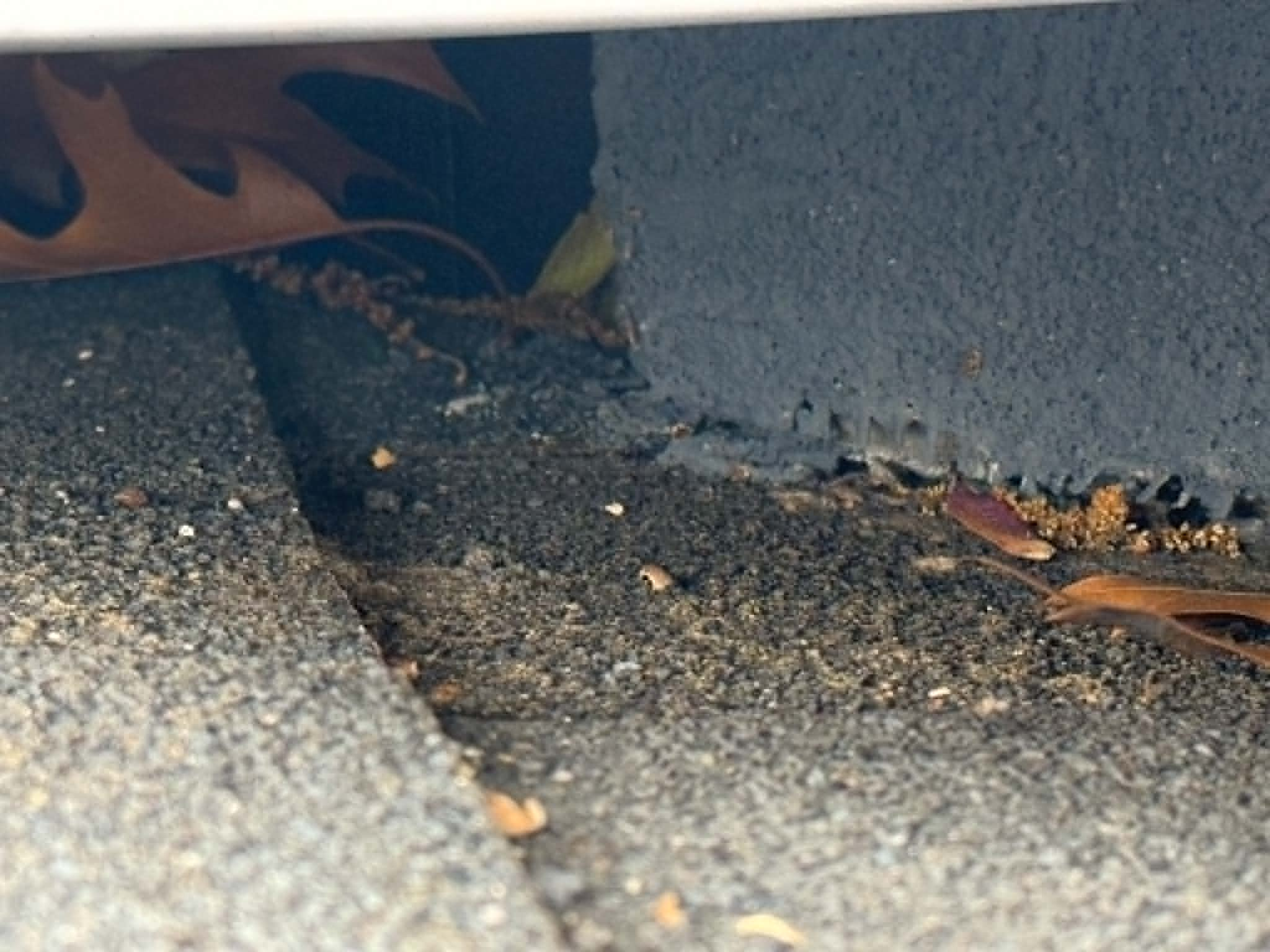
Cracks in a concrete or masonry wall
Slabs and split-levels

Where concrete meets concrete

  • Joints where a garage slab meets the house
  • Cracks in a slab floor under carpet or tile
  • Tubes along a lower-level wall

Split-levels and ranches with slab sections let termites through expansion joints and cracks. Finished lower levels hide those spots behind carpet and paneling, which is why swarmers in a family room are a common first sign.

Exposed wood framing in a house
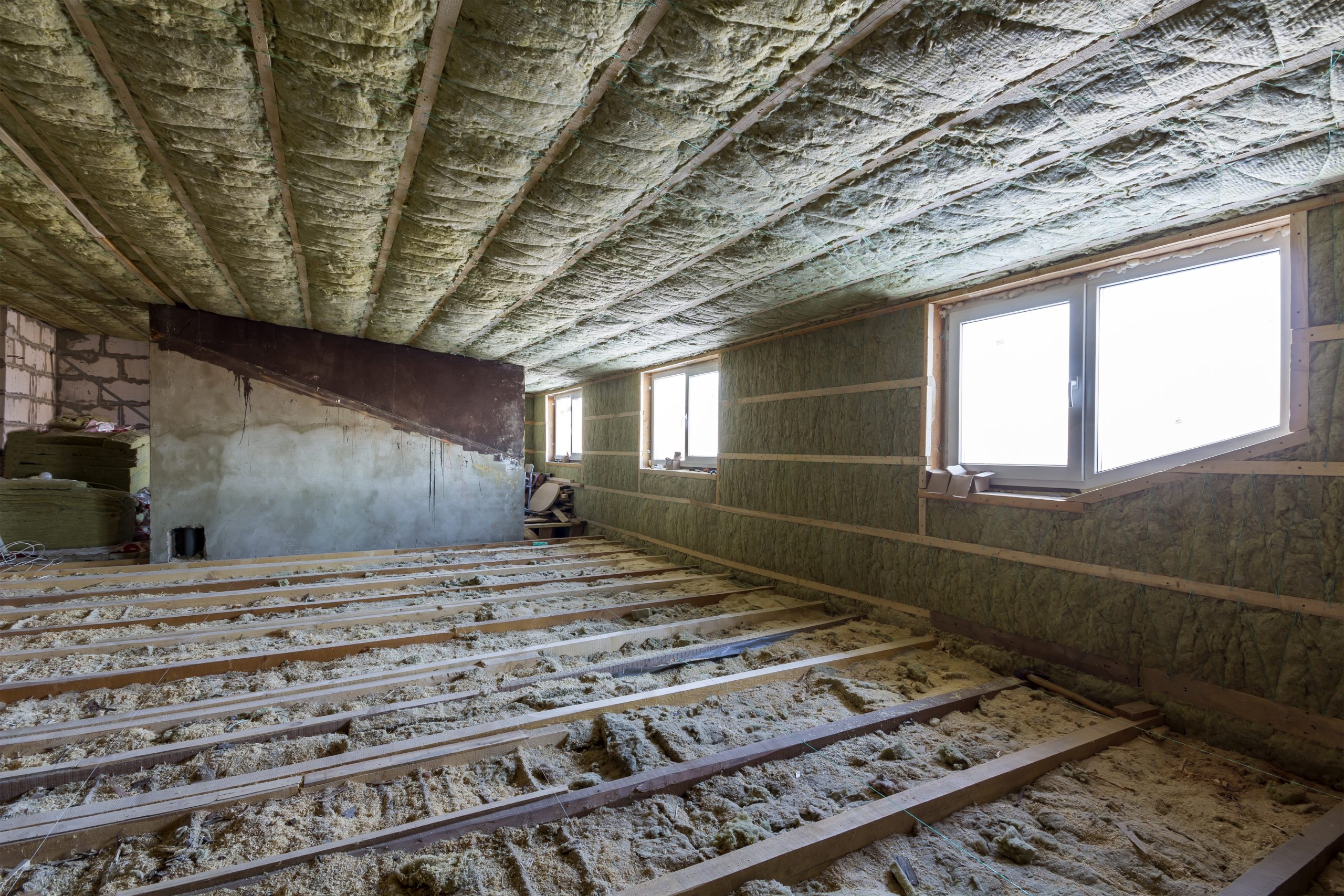
Crawl spaces

Out of sight, often damp

  • Tubes on piers or foundation walls
  • Soft or stained joists
  • Wood debris left on the soil

Crawl spaces under additions and older wings are damp and rarely visited. We check the sill, joists and piers, and look for wood scraps left on the dirt that feed termites.

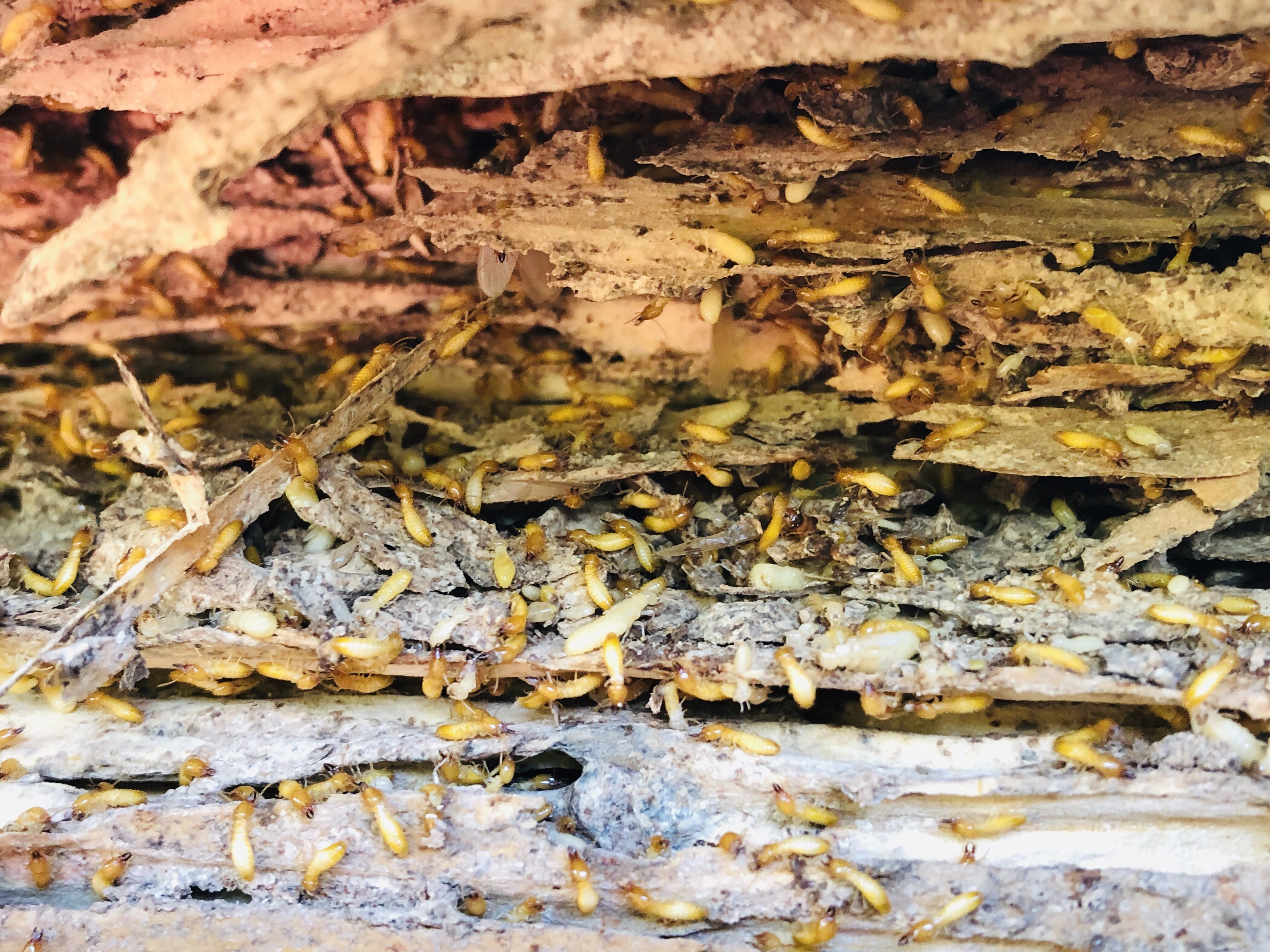
Subterranean termites working in wood
Additions, porches and decks

Where new meets old

  • Porch steps poured over soil
  • Deck posts set in dirt
  • Siding or trim close to the grade

Every addition or porch adds a new joint to the foundation. Wood that touches soil, like deck posts and stair stringers, is a direct route in.

Five steps to a termite-free house

1

Confirm it's termites

Swarmers, wings, mud tubes or damaged wood get identified. Carpenter ants, flying ants and wood rot look similar and need different fixes.

2

Find every entry point

We inspect the outside foundation, garage, slab joints, crawl spaces, porches and the inside of the house, because termites rarely use just one route.

3

Treat the soil and active areas

Most often that means treating the soil along the foundation, drilling and treating slab joints and attached porches, and treating active wood inside.

4

Fix what invited them

Clear gutters, redirect downspouts, cut back mulch, and remove wood touching soil. We point out exactly what we saw.

5

Check again

Keep an eye out each spring and have the house inspected again periodically, especially before selling.

What "same-day" means for termites

πŸ“ž

Call or text early

Send a photo of what you found. Same-day inspections are often available; if not, we'll give you the next opening.

πŸ”¦

Inspection that day

A licensed technician goes through the house inside and out and shows you what's there.

πŸ“‹

Clear options

You get a plain-English explanation of what we found, what we recommend, and a free quote.

πŸ—“οΈ

Treatment scheduled

Depending on the size of the job, treatment may happen right away or be set up for a follow-up visit.

Termites work slowly, so a day or two won't change much, but a swarm is a good reason not to put it off for months.

After flooding or a wet season

Parts of Wayne near the rivers have dealt with flooding, and even homes on higher ground get wet basements in heavy rain. Moisture is the single biggest thing that draws subterranean termites to a house, so after water problems it's worth a closer look.

  • Dry things out. Run a dehumidifier in the basement and crawl space, and fix leaks around the water heater, washer and sinks.
  • Remove water-damaged wood. Wet paneling, shelving and boxes stored on the floor are easy food.
  • Check the grading. Soil should slope away from the foundation; low spots against the wall keep it wet.
  • Extend downspouts. Push roof water several feet from the house.
  • Look for new tubes. Check foundation walls and the sill line in the spring after a wet year.

If water damage means drywall or paneling is coming off, that's a good time for an inspection: the walls are open and termites have nowhere to hide.

Buying or selling in Wayne

Many home sales include a wood-destroying insect inspection, and VA loans require one. If a buyer's inspector flagged termites or old damage, don't panic. Old, inactive damage is common in older homes, and active termites can be treated.

  • Call as soon as you're under contract and tell us the closing date and who needs the paperwork.
  • If termites are found, we explain the treatment and what documents you'll need.
  • Sellers: an inspection before listing means no surprises during the buyer's inspection.

More: VA termite inspections in NJ.

What affects the price of termite treatment

The inspection and quote are free. These are what move the number:

FactorSmaller jobBigger job
Activity foundOne area, caught earlySeveral areas or termites in more than one level
House size and shapeCompact footprintLarge house, additions, attached garage and porches
ConstructionFull basement, open wallsSlab sections, finished lower level or crawl space
Concrete to drillLittle or noneGarage slab, patios, walkways against the house
MoistureDry, good drainageWet basement or grading problems

Call or text 973-510-2585 to schedule an inspection.

Get a Free Termite Quote in Wayne

Tell us what you found, or your closing date if you're buying or selling. Same-day inspections are often available.

Why Wayne calls us for termites

  • Swarmers in a finished lower level
  • Mud tubes on a foundation or garage wall
  • Termites flagged on a home inspection
  • Water problems and worried about termites
  • Tried a store-bought fix and they're still there
πŸ“ž Call 973-510-2585

Request Service

πŸ”’ Your info stays private Β· Hablamos espaΓ±ol.

What's bugging you? - Step 1 of 3

Termite Questions from Wayne

Can I get rid of termites myself?

You can kill the termites you see, but not the colony in the soil. Prevention steps like fixing moisture help, but an active infestation needs professional treatment.

How fast can you inspect my house in Wayne?

Same-day inspections are often available. Call or text 973-510-2585 with a photo of what you found.

Why did termites show up in my family room?

Split-levels and slab homes let termites up through cracks and joints in the concrete, and finished lower levels hide the activity until they swarm.

When do termites swarm in New Jersey?

Mostly in spring, often on a warm day after rain.

Termites or flying ants?

Termites have straight antennae, a thick waist and four equal wings. Flying ants have bent antennae, a pinched waist and longer front wings. Text us a photo.

Does flooding cause termites?

Flooding doesn't bring termites by itself, but wet soil and wet wood make a house much more attractive to them. Dry things out and get an inspection.

How long does termite treatment take?

Most homes are done in one visit; larger homes or ones with lots of concrete can take longer. We tell you before we start.

Is termite treatment safe for my family and pets?

We explain where and how we treat and any precautions before we start.

Do you do termite inspections for home sales?

Yes. Tell us the closing date, the lender and who needs the report, and call early.

Do you repair termite damage too?

Yes. We treat the termites first, then our crew repairs the damaged wood ourselves β€” sill plates, joists, beams and framing. One company handles both.

Are you licensed?

Yes. Silver Bullet Pest Control holds NJ License 90568B and has over 15 years of experience.

ΒΏHablan espaΓ±ol?

SΓ­. Hablamos espaΓ±ol. Llame o mande un texto al 973-510-2585.

Termite help near Wayne

From our base in Garfield we serve Wayne and towns across Passaic, Bergen, Essex and Hudson counties.

Updated November 2026 by the Silver Bullet Pest Control team, Garfield, NJ β€’ NJ License 90568B

Scroll to Top