Silver Bullet Pest Control logoSilver Bullet Pest Control
Mouse guide Β· One mouse or many?

If You See One Mouse, Are There More? (Usually, Yes)

You saw one mouse dart behind the stove. Is it just one? Probably not. Mice live in family groups, breed fast and stay hidden most of the time, so the one you see is usually a sign of others nearby. Here's how to tell how big the problem really is, what to do today, and when a single mouse really is just one.

4.9 stars on Google β€’ NJ License 90568B β€’ 15+ years β€’ Based in Garfield, NJ β€’ Hablamos espaΓ±ol

Text a photo of what you found (droppings next to a coin work best) to 973-510-2585 and we'll tell you what it looks like.

If you see one mouse, are there more?

If you see one mouse, there are almost always more, because house mice live in small family groups, breed every few weeks and spend most of their time hidden inside walls, cabinets and attics. A single mouse in daylight is an even stronger sign of a bigger problem. The good news: if you act right away, by trapping along walls and sealing the gaps they're using, a small problem stays small.

If you see one mouse, are there more? Why the answer is usually yes

πŸ‘ͺ

They live in groups

House mice nest in small family groups. Where one has found food and shelter, others are usually sharing it.

πŸŒ™

You see only a few

Mice are active mostly at night and stay close to walls and hidden spaces. For every mouse you see, others are out of sight.

🐣

They breed fast

A female can have a litter every few weeks, and young mice are ready to breed in about two months.

πŸ•³οΈ

Others follow the trail

Mice leave scent trails. The same gap that let one in can lead the next one straight to your kitchen.

So the honest answer to "does one mouse mean more?" is: almost always. The real question is how many, and how to stop more from coming in.

How fast a few mice turn into an infestation

House mice breed quickly, which is why waiting a month to see if it was "just one" usually backfires. Here's a general picture of how it goes:

TimeWhat's happening
Week 0A pair of mice gets in through a gap and finds food and a warm nest spot
About 3 weeksFirst litter is born, often around 5 to 6 pups
About 6 weeksA second litter may arrive; the female can get pregnant again soon after giving birth
About 2 monthsThe first young mice are old enough to breed themselves
A few monthsSeveral generations overlap, and droppings show up in multiple rooms

These are typical numbers for house mice, not exact for every home. The point stands: the earlier you act, the fewer mice you have to deal with.

How to tell how many mice you have

You can't count mice directly, but the signs give a good idea of how big the problem is:

SignProbably a small problemProbably a bigger problem
DroppingsA few in one spot, like one cabinetLots of droppings in several rooms or floors
Fresh vs. oldOnly a few fresh, dark onesFresh and old droppings mixed together (months of activity)
SightingsOne mouse at night, onceMice seen in daylight or several times a week
SoundsOccasional scratching in one spotScratching in several walls or the ceiling every night
DamageOne chewed boxShredded paper, insulation tunnels, chewed wires
SmellNoneA musky, ammonia-like smell in closets or cabinets

Fresh droppings are dark and shiny; old ones are gray, dry and crumble. Wet them with disinfectant before cleaning β€” don't sweep or vacuum them dry. Compare mouse vs. rat signs if the droppings look large.

Where the rest of the mice are hiding

When you see one mouse, the others are usually in one of these spots:

A mouse nest made of shredded paper and fibers
Nests

Inside walls and cabinets

  • Wall voids behind the stove and fridge
  • Under the kitchen sink near pipes
  • Back corners of lower cabinets and drawers

Mice build nests from shredded paper, fabric and insulation in warm, quiet spaces close to food. In most homes, that means the kitchen walls and cabinets. Pipe openings under sinks are a favorite way in and out.

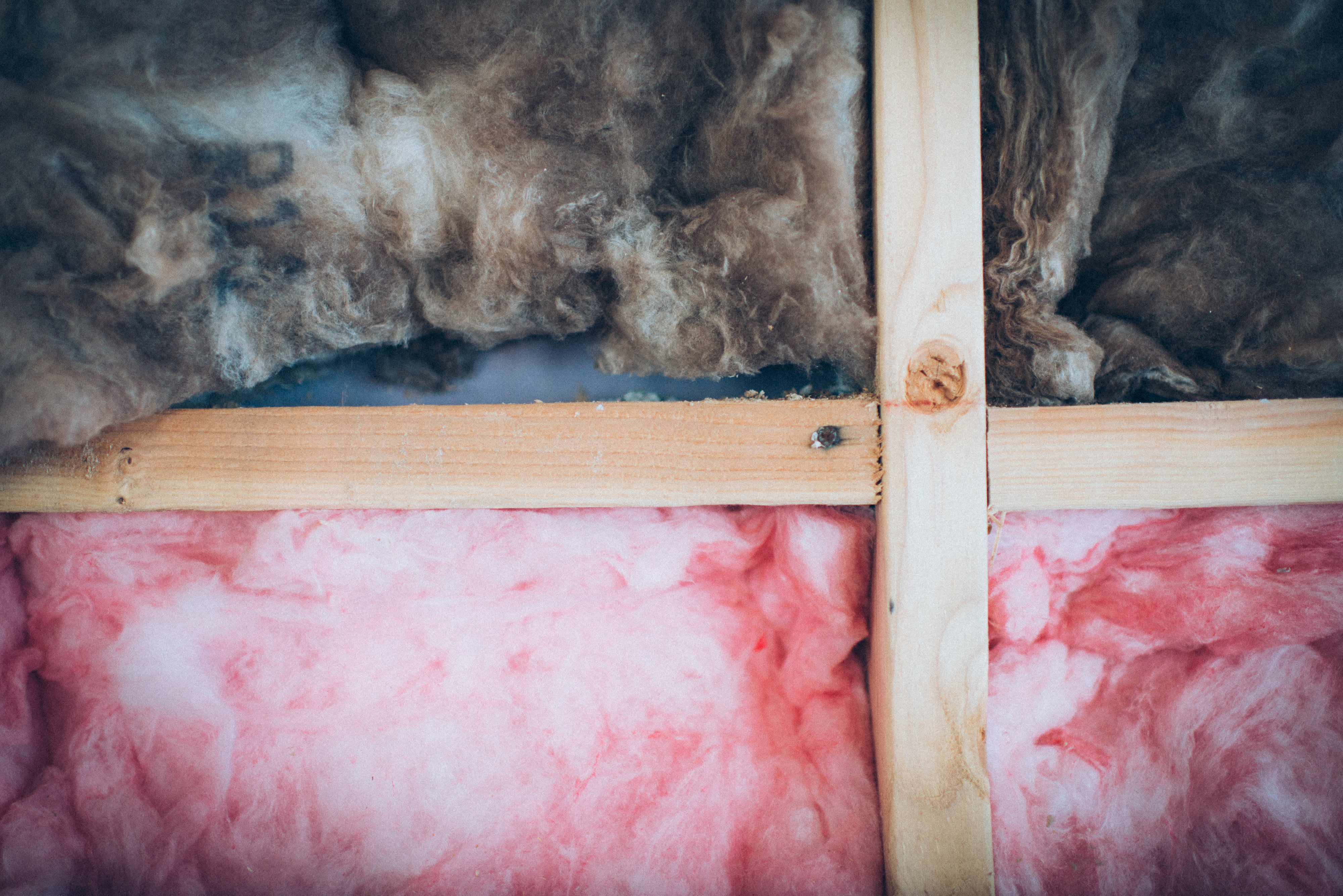
Attic insulation disturbed by rodents
Up high

Attics and ceilings

  • Tunnels or matted spots in insulation
  • Droppings along attic joists
  • Scratching overhead at night

Attic insulation is warm and soft, so mice tunnel through it and nest there. If the noise above you sounds heavy or happens at dawn and dusk, it may be squirrels or rats instead of mice.

Mouse droppings on a garage floor
Down low

Basements and garages

  • Droppings along the basement sill
  • Chewed boxes in storage
  • Gaps under the garage door seal

Basements and garages are often where mice first get in, through foundation cracks, utility gaps or worn door seals. Boxes and clutter give them cover. From there they climb up through the walls to the kitchen.

Saw one mouse? What to do today

1

Put food away

Move cereal, rice, flour, snacks and pet food into sealed containers, and don't leave pet bowls out overnight. Wipe up crumbs behind the toaster and stove.

2

Set several traps

Snap traps placed flat against the wall where you saw the mouse or found droppings, trigger end toward the wall. Use a pea-sized dab of peanut butter. Set more than one.

3

Look for the way in

Check under sinks, behind appliances, around pipes, along the basement sill and under doors. Any gap the width of a pencil is enough for a mouse.

4

Watch for a week

Check traps daily. If you keep catching mice or finding fresh droppings after a week or two, the problem is bigger than one.

More tips: our best mouse trap bait guide covers bait, placement and common mistakes.

Can it really be just one mouse?

Sometimes, yes. A single mouse can wander in through an open garage or back door, especially in fall when they're looking for warmth. It's more likely to be a lone visitor if:

  • You saw it once and haven't seen it again.
  • You find no droppings anywhere after a careful look in the kitchen, basement and garage.
  • Nothing is chewed and you don't hear scratching at night.
  • You caught one mouse and a week of traps afterward catch nothing.

Even then, find out how it got in. If the door was open, that's easy. If not, there's a gap somewhere β€” and the next mouse will find it too. In North Jersey, older homes, two-families with shared walls and houses near parks, rivers or wooded lots tend to have more of these openings.

When one mouse means it's time to call a pro

Call a professional if any of these are true:

  • You've seen a mouse during the day.
  • Droppings are in more than one room or on more than one floor.
  • You've been trapping for two weeks and still find fresh droppings.
  • You hear scratching in the walls or ceiling most nights.
  • You live in a two-family or apartment building and the mice come from next door.
  • Someone in the home has asthma or allergies, or you have an infant.

Silver Bullet Pest Control inspects inside and out to find how many mice you're dealing with and where they're getting in. We remove them with traps placed out of reach of kids and pets, seal the gaps with materials mice can't chew, and come back to check. Mouse service includes 90 days of coverage with unlimited free service calls. We're based in Garfield and serve Bergen, Passaic, Essex and Hudson counties; same-day appointments are often available. Call or text 973-510-2585 for a free quote.

See our full mice and rat exterminator service.

Saw a Mouse? Get a Free Quote

Tell us where you saw it and what else you've noticed β€” droppings, sounds, chewed food. Send a photo if you can. We'll give you a free quote and tell you honestly how big the problem looks.

What people call us about

  • One mouse in the kitchen, then droppings
  • A mouse running across the floor in daylight
  • Scratching in the walls at night
  • Mice back every fall
  • Mice coming from another unit
πŸ“ž Call 973-510-2585

Request Service

πŸ”’ Your info stays private Β· Hablamos espaΓ±ol.

What's bugging you? - Step 1 of 3

One Mouse or More? Your Questions

If you see one mouse, are there more?

Almost always, yes. House mice live in small family groups, breed every few weeks and stay hidden most of the time, so the one you see is usually one of several. Check for droppings in the kitchen, basement and garage. If you find them in more than one spot, you likely have an established group rather than a lone visitor.

How many mice are there if I see one?

There's no exact number, but if you see one mouse there are often several more nearby, and sometimes many more. The signs tell you more than the sighting: droppings in several rooms, scratching in multiple walls and chewed items point to a bigger population. A professional inspection gives a clearer picture of the size of the problem.

Does seeing a mouse during the day mean a bad infestation?

Often, yes. Mice are mostly active at night and avoid people. A mouse out in daylight can mean the nest is crowded, food is getting harder to find, or the nest was disturbed. It's a good reason to act quickly with traps and sealing, and to call a professional if you also find droppings in several places.

How fast do mice multiply?

Fast. A female house mouse can have a litter of around five or six pups and can get pregnant again soon after giving birth. Young mice are ready to breed in about two months. That's why a couple of mice can become a real infestation within a few months if nothing is done.

Can one mouse be alone?

Yes, occasionally. A single mouse can wander in through an open door, especially in fall. If you find no droppings, hear nothing at night and a week of traps catches nothing more, it may have been a lone visitor. Still, find out how it got in so the next one can't follow the same path.

Will a mouse leave on its own?

Rarely. Once a mouse finds food, water and a warm place to nest, it has no reason to leave. Mice that get in during fall usually stay through winter and start breeding. Removing food sources helps, but you'll still need traps and sealed entry points to actually get them out and keep them out.

Where do mice hide during the day?

Mice hide in wall voids, behind and under appliances, under sinks near pipe openings, in lower cabinets, in attic insulation and in cluttered basements and garages. They nest close to food and travel along walls and edges. Droppings and rub marks along baseboards show you the routes they use.

Is one mouse dangerous?

A single mouse can contaminate food and surfaces with droppings and urine, and mice can carry germs that affect people. They also chew wires, insulation and stored items. Clean droppings by wetting them with disinfectant first, wearing gloves, and never sweep or vacuum them dry, which can stir up dust.

When should I call an exterminator for mice?

Call if you've seen a mouse in daylight, found droppings in more than one room, heard scratching most nights, or trapped for two weeks and still find fresh signs. Our mouse service includes 90 days of coverage with unlimited free service calls. Call or text 973-510-2585 for a free quote.

Si veo un ratΓ³n, ΒΏhay mΓ‘s?

Casi siempre sΓ­. Los ratones viven en grupos, se reproducen cada pocas semanas y se esconden en paredes, gabinetes y Γ‘ticos. Si encuentra excremento en mΓ‘s de un lugar, hay varios. Llame o mande texto al 973-510-2585 para una cotizaciΓ³n gratis; hablamos espaΓ±ol y atendemos Bergen, Passaic, Essex y Hudson.

Mouse control in North Jersey

We're based in Garfield and serve Bergen, Passaic, Essex and Hudson counties, including:

Our service area

Union County

973-510-2585
  • Berkeley Heights
  • Clark
  • Cranford
  • Elizabeth
  • Fanwood
  • Garwood
  • Hillside
  • Kenilworth
  • Linden
  • Mountainside
  • New Providence
  • Plainfield
  • Rahway
  • Roselle
  • Roselle Park
  • Scotch Plains
  • Springfield
  • Summit
  • Union
  • Westfield

Morris County

973-510-2585
  • Boonton
  • Butler
  • Cedar Knolls
  • Chatham
  • Denville
  • Dover
  • East Hanover
  • Florham Park
  • Hanover
  • Kinnelon
  • Lincoln Park
  • Madison
  • Mendham
  • Montville
  • Morris Plains
  • Morristown
  • Mountain Lakes
  • Parsippany
  • Pequannock
  • Randolph
  • Riverdale
  • Rockaway
  • Roxbury
  • Whippany

Updated November 2026 by the Silver Bullet Pest Control team, Garfield, NJ β€’ NJ License 90568B

Scroll to Top