How do I know if I have mice in my walls?
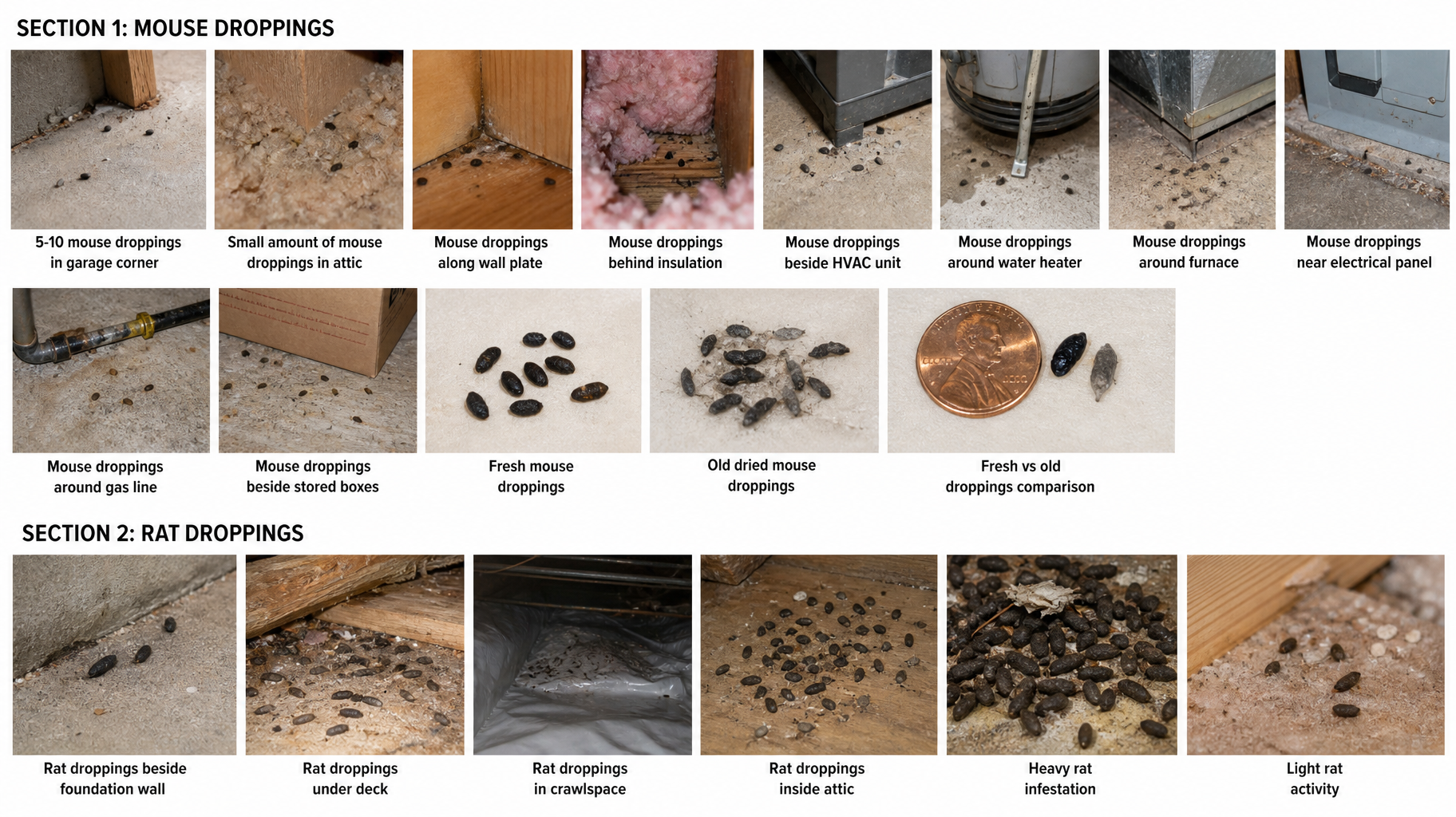
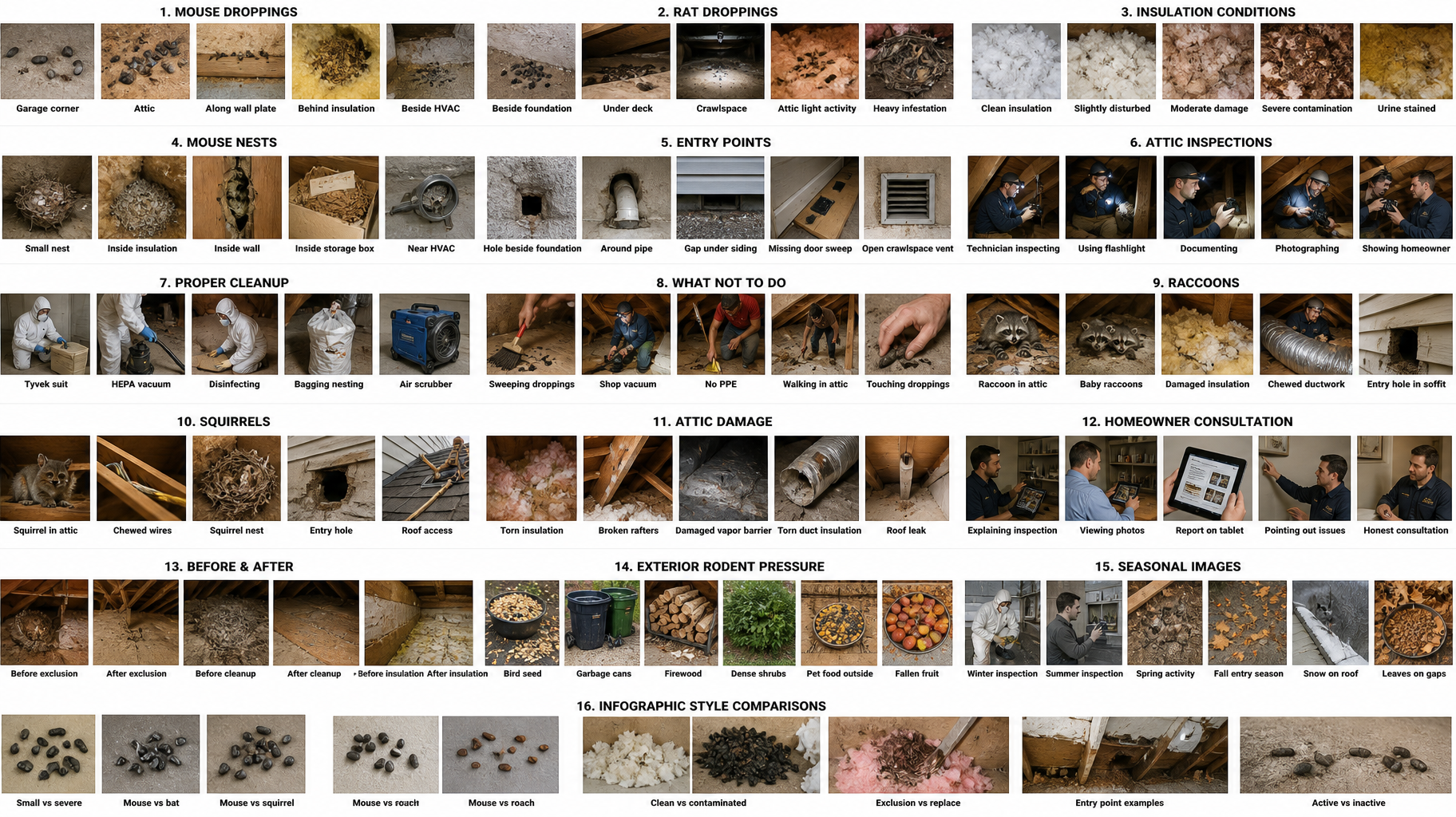
The main signs are light scratching or scurrying at night, small pointed droppings near the bottom of walls and under sinks, and sometimes a musty smell. Mice are most active after the house goes quiet.
Will mice in the walls go away on their own?
No. Mice that have food, warmth and a way in will stay and breed. You need to remove them and seal the gaps they use.
Should I put poison in the walls?
No. Mice that eat poison often die inside the wall, where you can't reach them, and the smell can last for weeks. Trapping where they come out of the wall and sealing entry points works better.
Do you have to open my walls?
Usually not. We find where mice get into and out of the wall cavities and work at those spots. Walls are opened only in rare cases, and we'd talk to you first.
How long does it take to get mice out of the walls?
Most homes notice a big drop in activity within the first one to two weeks after traps are set and gaps are sealed. Larger or older problems can take longer.
Can mice chew through walls?
Mice can chew through drywall, wood, foam and plastic, which is why gaps must be sealed with chew-proof materials like stainless steel mesh.
Are mice in the walls dangerous?
They can be. Mice contaminate food and surfaces with droppings and urine, and they chew wires, which can be a fire risk. Clean droppings carefully with gloves after wetting them down.
Is there a warranty on mouse service?
Yes. Our mouse service includes 90 days of coverage with unlimited free service calls during that time.
Why do I hear mice in the walls more in fall and winter?
Mice move indoors as nights get cold, looking for warmth and food. Fall is the busiest time for new mouse problems in North Jersey.
¿Escucha ratones en las paredes?
Podemos ayudar. Revisamos toda la casa, sellamos las entradas y ponemos trampas seguras. Hablamos español: llame o mande texto al 973-510-2585.