Silver Bullet Pest Control logoSilver Bullet Pest Control
Mouse Odor Β· Entry Points Β· North Jersey

Dead Mouse Smell in the House: How Long It Lasts and How to Get Rid of It

A sweet, rotten smell that's strongest in one room, near one wall, or when the heat kicks on? That's very often a mouse that died inside a wall, ceiling, floor or appliance. This guide explains how long a dead mouse smell lasts, how to find the spot, what actually helps with the odor, and how to stop the next mouse from getting in. Silver Bullet Pest Control helps North Jersey homes with odor control, finding entry points and sealing them.

4.9 stars on Google β€’ NJ License 90568B β€’ 15+ years β€’ Based in Garfield β€’ Hablamos espaΓ±ol

Smell a dead mouse and still hear scratching? There are more. Text 973-510-2585 and we'll help you sort it out.

How long does a dead mouse smell last in a house?

A dead mouse smell in the house usually fades within one to three weeks as the body dries out, and it can last longer in a warm, humid spot like a wall near a heating pipe or a closed-in ceiling. If you can reach the mouse, removing it and cleaning the area ends the smell fastest; if you can't, ventilation and odor control help while it fades. A dead mouse almost always means a live mouse problem, so the entry points need to be found and sealed. Call or text 973-510-2585.

Is it a dead mouse or something else?

A dead rodent has a very particular smell: sickly sweet and rotten, stronger some hours than others, and usually focused around one area. Other smells can be confused with it:

SmellWhat it's usually likeWhat it may be
Sweet, rotten, strongest in one spotGets worse for several days, then slowly fadesA dead mouse, rat or other small animal
Sharp, ammonia-like, staleConstant, worse in cabinets, the garage or the atticMouse urine and droppings from live mice
Rotten eggs or sulfurNear the stove, boiler or water heaterPossible gas leak: leave and call your gas utility or 911 right away
Musty, dampBasement, crawl space, after rainMoisture or mold
Sewer smellNear floor drains or a basement bathroomA dry drain trap or plumbing problem
Strong, musky, in the atticAlong with heavy noises or droppingsLarger wildlife such as raccoons or squirrels

Never assume a rotten-egg smell is a dead mouse. Natural gas has an added odor so people notice it, and that's an emergency for your gas utility, not a pest company.

How long does a dead mouse smell last?

A mouse is small, so the smell doesn't last as long as with a larger animal. Most homeowners notice it build for a few days, peak, and then fade over the following week or two. The total is often one to three weeks.

Several things make it last longer:

  • Heat. A mouse that died near a heating pipe, behind the fridge, or in a wall that gets afternoon sun smells stronger.
  • Humidity and closed spaces. A sealed ceiling cavity or a damp basement wall keeps the odor in.
  • More than one mouse. If poison was used or there's an active infestation, several mice may have died in different spots, so the smell seems to move or never quite ends.
  • Ducts and returns. If the body is near ductwork, the heat or air conditioning can carry the smell to other rooms.

If the smell is still strong after three weeks, or it keeps coming back, it's worth having someone look for a larger animal, more dead mice, or ongoing activity.

How to find a dead mouse in the house

1

Follow your nose, low and slow

The smell is strongest close to the source. Sniff along baseboards, inside lower cabinets and at outlets, and compare one wall to the next. Mice usually die in quiet, hidden spots close to where they were living.

2

Check the easy places first

Look under and behind the stove, refrigerator and dishwasher, under the sink, behind the washer and dryer, inside closets and storage bins, in the garage, and in the basement along the sill.

3

Watch for flies and stains

A few flies gathering in one spot, or a damp stain on a ceiling or wall, can point to the location.

4

Look where the mice were active

Droppings, gnawing and greasy rub marks show where mice traveled. The dead mouse is often close to those runways, under insulation, or in a wall void nearby.

Check appliances carefully. The insulation and warm motor area under a stove, fridge or dishwasher are common spots. Unplug an appliance before reaching under it.

If you can reach the mouse: safe cleanup

If you find the mouse in a cabinet, the garage, under an appliance or in a trap, you can clean it up yourself if you're careful. Mouse droppings, urine and remains can carry germs, so don't touch anything with bare hands and don't sweep or vacuum dry droppings.

  1. Air out the area for a little while before you start.
  2. Put on disposable gloves, and a mask if it's a closed space.
  3. Spray the mouse and the area with a household disinfectant or a bleach solution mixed as the label directs, and let it soak for a few minutes.
  4. Pick it up with a paper towel or plastic bag, seal it in a second bag and put it in the outdoor trash.
  5. Wipe the spot and nearby droppings with the disinfectant and paper towels, then bag those too.
  6. Wash fabrics that touched the area in hot water, and wash your hands well after removing the gloves.

For droppings over a wider area, see our step-by-step mouse droppings cleanup guide.

Dead mouse smell in the wall or ceiling

Most dead mouse smells come from places you can't reach without opening a wall. These are the realistic options:

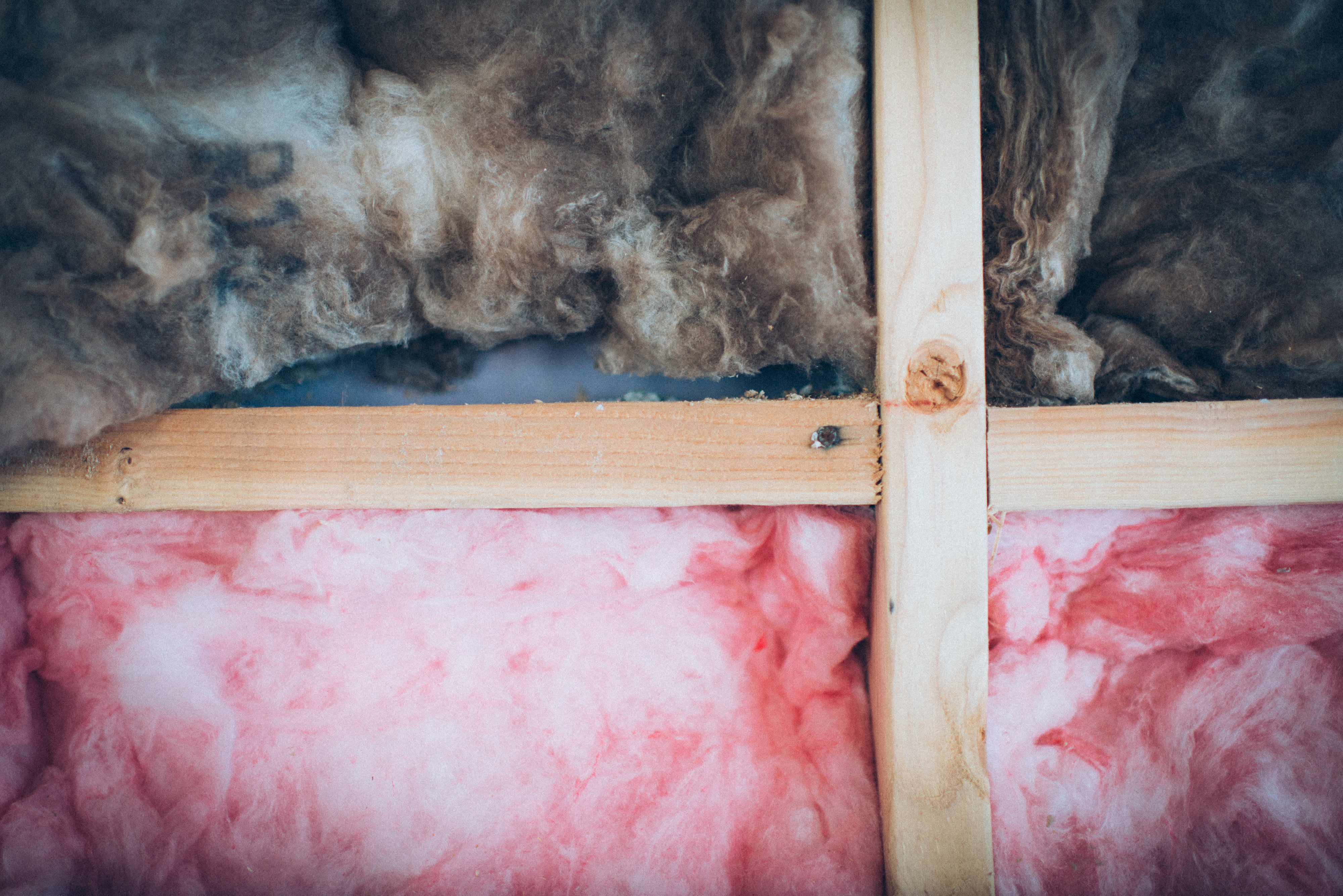
Insulation disturbed by rodents
Option 1

Let it dry out

  • Often fades in 1 to 3 weeks
  • No damage to walls
  • Use ventilation meanwhile

For a single mouse in a closed wall, waiting is often the most practical choice. Keep the room aired out, close heat registers in that room if the smell travels, and keep children and pets from sniffing at outlets.

Mouse droppings near a gas line
Option 2

Open a small access hole

  • Only if the spot is clear
  • Best through a closet or cabinet back
  • Patch afterward

If the source is pinpointed, some homeowners have a handyman or contractor cut a small access hole, often inside a cabinet or closet where a patch won't show. Keep in mind the smell can travel along studs, so the strongest spot isn't always right on top of the mouse.

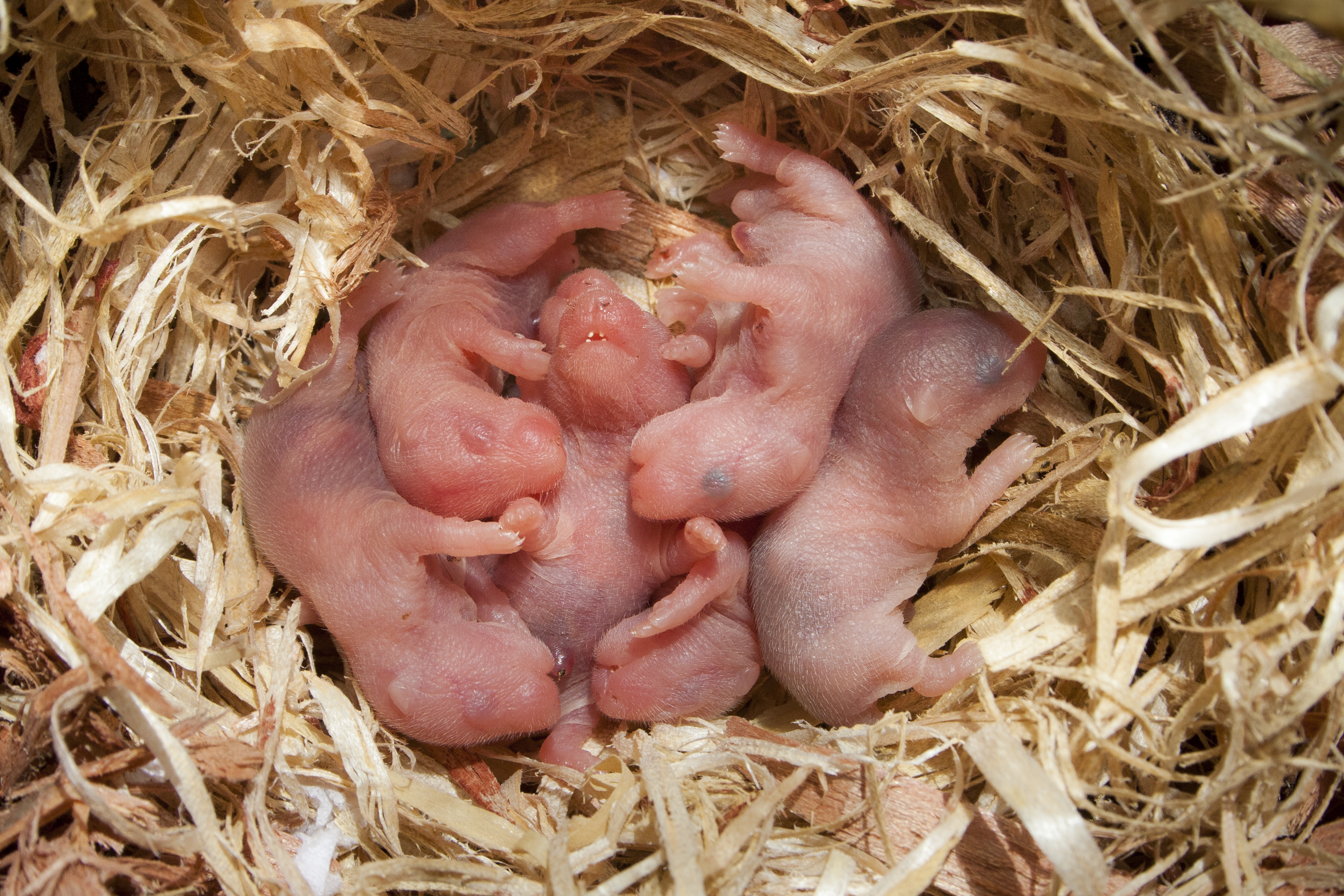
Mouse nest made of shredded material
Option 3

Find the cause

  • More smells may follow
  • Live mice still getting in
  • Entry points need sealing

Whatever you do with the smell, the bigger question is how the mouse got into the wall. We inspect for active mice, find the entry points along the foundation, pipes, vents and garage, and seal them so it doesn't happen again.

What actually helps with the odor (and what doesn't)

OptionDoes it help?Notes
Removing and cleaning the sourceYes, the fastest fixOnly possible when you can reach the mouse
Fresh air and fansYes, while it fadesOpen windows, run a fan pointed out the window
Activated charcoal or baking sodaA littleAbsorbs some odor in a closed room or cabinet
Professional odor controlYes, in many casesWe offer odor control treatment; ask us whether it fits your situation
Air fresheners and candlesNot reallyThey cover the smell for a short time and can make the mix worse
Spraying into outlets or holesNot recommendedCan soak wiring and walls; unlikely to reach the source

Larger animals in attics are a different job. For raccoon, squirrel or bat areas we do odor control and HEPA cleanup, plus attic insulation removal and replacement. See attic cleanup.

Why did a mouse die in my wall?

A mouse dies in a wall for the same reasons any animal dies: old age, illness, cold, or poison. When a home has mice, a dead one in a hidden spot is common, and it usually means others are still living there.

Poison is a frequent cause. Many people believe store-bought mouse poison makes mice leave the house to look for water. It doesn't. A poisoned mouse goes back to its nest or a quiet spot to die, which is very often inside a wall, under the floor or in the ceiling. That's one reason we use traps inside the home, placed where kids and pets can't reach them. Compare the options in mouse poison vs. traps.

One dead mouse, more live ones. House mice breed quickly and live in family groups. If you smelled one, check for fresh droppings, chewed food packages and scratching at night. See does one mouse mean more?

Fall and winter are peak time. In North Jersey, mice push into homes as nights turn cold, so dead mouse smells are most common from October through the winter months. See winter rodent problems in NJ.

How we stop the next mouse: entry points and exclusion

1

Inspect inside and out

A licensed technician checks the foundation, sill plate, garage door, utility lines, dryer and bathroom vents, the roofline and the attic for gaps and signs of activity.

2

Remove the live mice

Traps are placed along the runways we find, in spots where children and pets can't get to them.

3

Seal the entry points

Gaps are closed with stainless steel mesh and other materials mice can't chew through. Spray foam alone doesn't hold them.

4

Odor control and follow-up

Where it fits, we treat for odor. Our mouse service includes 90 days of coverage with unlimited free service calls in that time.

Learn more: stainless steel mesh exclusion, how to keep mice out of your house and our main mice and rat service.

Get Help With a Mouse Smell or Mouse Problem

Tell us where the smell is, how long it's been there and whether you still hear or see mice. We'll explain the options and give you a free quote.

Why North Jersey calls us after a dead mouse smell

  • We find how the mice are getting in
  • Odor control where it fits
  • Entry points sealed with stainless steel mesh
  • 90 days of mouse coverage with unlimited free service calls
  • Hablamos espaΓ±ol
πŸ“ž Call 973-510-2585

Request Service

πŸ”’ Your info stays private Β· Hablamos espaΓ±ol.

What's bugging you? - Step 1 of 3

Dead Mouse Smell Questions

How long does a dead mouse smell last?

Usually one to three weeks. The smell builds for a few days, peaks, and then fades as the body dries out. It can last longer in warm or humid spots, near heating pipes, or when more than one mouse has died.

Is a dead mouse smell harmful?

The smell itself is unpleasant but generally not dangerous for healthy people, though it can bother people with breathing problems. The bigger concern is the remains and droppings, which can carry germs, so clean any reachable mess with gloves and disinfectant and never sweep it dry.

Do you remove dead mice from walls?

Ask us when you call. What we do is inspect for live mice, find and seal the entry points, provide odor control where it fits, and set up mouse service so new mice don't move in. If an opening is needed to reach the source, that's a job for a handyman or contractor.

Will the smell go away on its own?

Yes, in most cases. A single mouse dries out and the odor fades within a few weeks. Ventilation helps meanwhile. If it doesn't fade or keeps returning, there may be more dead mice, ongoing activity or a larger animal.

Why do I smell a dead mouse only when the heat is on?

Heat speeds up the odor, and forced-air systems can pull smell from wall cavities and carry it through the ducts. A mouse near a heating pipe, a duct run or a return vent often smells worse when the system runs.

Can I spray something into the wall to kill the smell?

We don't recommend spraying liquids into outlets or holes. It can soak wiring and drywall and rarely reaches the source. Fresh air, charcoal in a closed room, or professional odor control are safer choices.

Does poison make mice die outside?

No. That's a common myth. Poisoned mice usually go back to their nest or a hidden spot to die, often inside walls, ceilings or floors, which is exactly what causes the smell.

Does one dead mouse mean I have more?

Very often, yes. Mice live in groups and breed quickly, so one dead mouse usually means others are living nearby. Look for fresh droppings, chewed packages and nighttime scratching, or ask us to inspect.

How do I keep mice from getting back in?

Seal every gap larger than about a quarter inch, especially around pipes, utility lines, vents, garage doors and the foundation, using steel mesh or other chew-proof materials. Remove food and clutter, and keep traps set until activity stops.

What areas do you serve?

We're based in Garfield and serve Bergen, Passaic, Essex and Hudson counties, plus towns in Morris and Union counties. Same-day appointments are often available closer to Garfield.

ΒΏHuele a ratΓ³n muerto en la pared?

SΓ­, es muy comΓΊn en otoΓ±o e invierno. El olor suele desaparecer en una a tres semanas, pero hay que encontrar por dΓ³nde entran los ratones y sellarlo. Llame o mande un texto al 973-510-2585; hablamos espaΓ±ol.

Mouse odor help and mouse control near you

Based in Garfield, we help with mice, entry points and odor control in Bergen, Passaic, Essex and Hudson counties.

Our service area

Union County

973-510-2585
  • Berkeley Heights
  • Clark
  • Cranford
  • Elizabeth
  • Fanwood
  • Garwood
  • Hillside
  • Kenilworth
  • Linden
  • Mountainside
  • New Providence
  • Plainfield
  • Rahway
  • Roselle
  • Roselle Park
  • Scotch Plains
  • Springfield
  • Summit
  • Union
  • Westfield

Morris County

973-510-2585
  • Boonton
  • Butler
  • Cedar Knolls
  • Chatham
  • Denville
  • Dover
  • East Hanover
  • Florham Park
  • Hanover
  • Kinnelon
  • Lincoln Park
  • Madison
  • Mendham
  • Montville
  • Morris Plains
  • Morristown
  • Mountain Lakes
  • Parsippany
  • Pequannock
  • Randolph
  • Riverdale
  • Rockaway
  • Roxbury
  • Whippany

Updated November 2026 by the Silver Bullet Pest Control team, Garfield, NJ β€’ NJ License 90568B

Scroll to Top