Silver Bullet Pest Control logoSilver Bullet Pest Control
Mice & Rats Β· Winter in North Jersey

Winter Rodent Problems in NJ: Why Mice and Rats Move In and How to Stop Them

The first cold nights of fall are when the scratching in the ceiling starts. Mice and rats spend the New Jersey winter looking for warmth, food and a safe place to nest, and your attic, walls, basement and garage check every box. Here's why winter rodent problems happen, how to spot them early and what actually keeps them out.

4.9 stars on Google β€’ NJ License 90568B β€’ 15+ years β€’ Based in Garfield β€’ Hablamos espaΓ±ol

Found droppings? Text a photo to 973-510-2585 and we'll tell you if it's mice or rats.

Why are winter rodent problems so common in NJ?

Winter rodent problems in NJ start because mice and rats move indoors from fall through early spring to escape the cold and find food, and New Jersey's older homes give them plenty of gaps to squeeze through. A mouse can fit through a hole about the size of a dime and a young rat through one about the size of a quarter. The fix is to remove the rodents already inside and then seal every entry point so the next ones can't follow.

Rodent Proofing & Exclusion – Quoted Separately
Rodent-proofing and exclusion services are quoted separately from pest control treatments and protection plans. Every property has unique entry points, structural conditions, and sealing requirements. Every home is built differently, so we use the materials each one needs, such as steel mesh, hardware cloth, sheet metal, concrete and sealant, on an as-needed basis. Following an inspection, we provide a customized estimate based on the specific work needed to help prevent rodents from entering your property.


Why mice and rats move in when it gets cold

House mice and Norway rats don't hibernate. They have to eat and stay warm all winter, and the weather in North Jersey makes outdoor life hard from November to March. As fields, gardens and yards stop producing food and the ground freezes, rodents follow the warm air and food smells coming out of buildings.

Your home offers exactly what they're looking for:

  • Heat leaking from foundations, dryer vents, boilers and the attic.
  • Food in pantries, pet bowls, bird seed bags and garage storage.
  • Water from leaky pipes, sump pits and condensation in basements.
  • Nesting material like attic insulation, cardboard boxes and stored clothes.

The older housing in much of Bergen, Passaic, Essex and Hudson counties makes it easier for them. Two-family homes, attached rows and older foundations often have settled sill plates, gaps around utility lines and worn door sweeps. Once a pregnant mouse gets in, a small problem can grow fast, because mice can have several litters over a single winter inside a warm house. Read more about why mice love New Jersey homes.

Rodent activity season by season in New Jersey

Most winter rodent problems actually begin in the fall. Here's the pattern we see every year:

Time of yearWhat rodents are doingWhat you might notice
September – OctoberScouting for shelter as nights coolFirst droppings in the garage or under the sink
November – DecemberMoving in and building nestsScratching in walls or ceilings at night, chewed food packages
January – FebruaryBreeding inside warm buildingsMore droppings, noises in more rooms, grease marks along walls
March – AprilSome move back out, many stayDamage found during spring cleaning, nests in stored items
May – AugustMostly outside, rats in burrowsRat holes along foundations, sheds and fences

The best time to seal a house is late summer or early fall, before the rush. The second best time is right now.

Signs of mice or rats in your home this winter

Rodents are quiet, nocturnal and good at hiding. Look for what they leave behind:

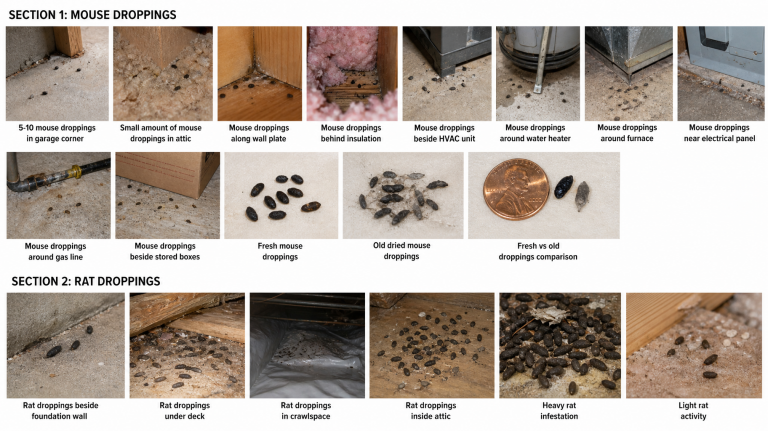
Comparison of mouse droppings and rat droppings
Droppings

Droppings and urine

  • Small dark pellets in drawers or cabinets
  • Droppings along baseboards
  • Musky, ammonia-like smell

Mouse droppings are about the size of a grain of rice; rat droppings are larger and blunt. Fresh ones are dark and shiny. Where you find them tells us where the rodents travel and feed.

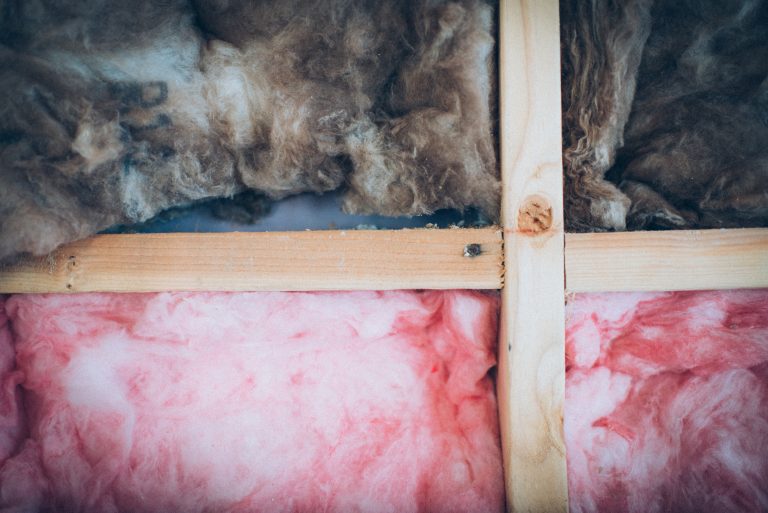
Attic insulation disturbed by rodents
Attics and walls

Noises and nests

  • Scratching or scurrying at night
  • Tunnels in attic insulation
  • Shredded paper or fabric

Mice and rats are most active after dark, so you usually hear them at night or early morning. In the attic they tunnel through insulation and pack it down, which also costs you heat.

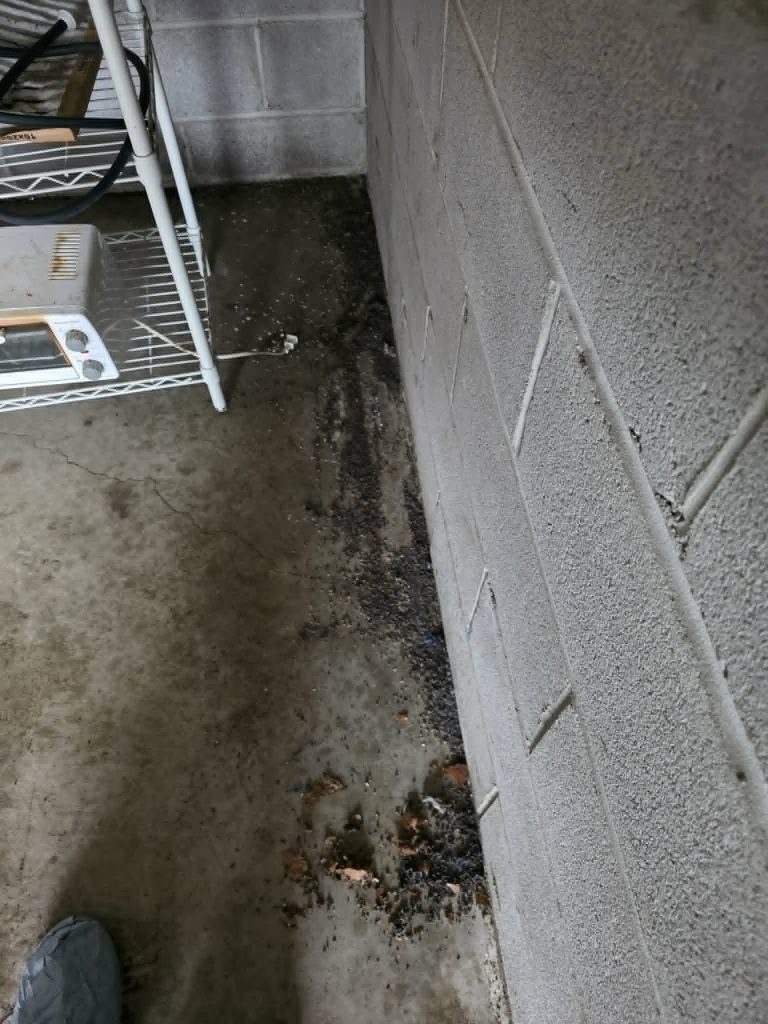
Rodent droppings on a garage floor
Garages and basements

Chewing and gnaw marks

  • Chewed food bags and boxes
  • Gnawed wires or wood
  • Dark rub marks along walls

Rodents chew constantly to keep their teeth worn down. In garages and basements they go after bird seed, pet food, grass seed and anything stored in cardboard.

Where mice and rats get into NJ homes in winter

πŸ”§

Utility and pipe gaps

Gaps where gas lines, water pipes, cable and AC lines go through the wall are the number one entry point we find. A small space around a pipe is a wide-open door to a mouse.

🏚️

Sill plates and foundations

Where the wooden sill meets the foundation, older homes often have gaps, cracks or crumbling mortar. Rodents follow foundation walls and find these quickly.

πŸšͺ

Garage and entry doors

Worn garage door seals, missing door sweeps and gaps at the corners of overhead doors let mice walk right in, then into the house through shared walls.

🏠

Rooflines and vents

Mice and roof rats can climb. Gaps at soffits, roof returns, dryer vents and attic vents let them reach the attic, where they're warm and undisturbed.

See our page on where mice are coming from for a room-by-room checklist, and on mice in the attic if the noises are overhead.

Mice vs. rats: which winter rodent do you have?

House mouseNorway rat
SizeSmall, slim, about 3 inches without the tailMuch larger and heavier, blunt nose
DroppingsRice-sized, pointed endsLarger, capsule-shaped, blunt ends
Where in winterInside walls, ceilings, cabinets, atticsBasements, crawl spaces, garages, burrows by the foundation
Gap it can useAbout the width of a dimeAbout the width of a quarter
BehaviorCurious, explores new thingsCautious, avoids new objects at first
Common sourceGaps in the house, garage, stored itemsBurrows, broken sewer or drain lines, nearby yards

Rats in a finished basement or bathroom with no clear entry may be coming up through a broken drain line. We can do rodent smoke testing of sewer and drain lines to find the break; the pipe repair is done by a licensed plumber. More on mice vs. rats and rat control in NJ.

Why winter rodents are more than a nuisance

Wiring and fire risk. Rodents chew on wires in walls, attics and cars. Chewed wiring is a real hazard, and mice nesting in a car engine bay over the winter can cause expensive repairs.

Contamination. Mice and rats leave urine and droppings wherever they travel, including on counters and in pantries. Throw away food they've gotten into and clean affected areas carefully; don't sweep or vacuum dry droppings, which can stir up dust. Our mouse droppings cleanup guide explains a safe approach.

Insulation damage. A winter of rodents in the attic can leave insulation packed down, soiled and far less effective. We do attic insulation removal and replacement ourselves when the damage is bad.

Allergies and asthma. Rodent droppings, urine and dander can trigger allergies and asthma symptoms for some people, especially kids.

Fast growth. Seeing one mouse rarely means just one. Read does one mouse mean more?

Winter rodent mistakes we see every year

πŸ§ͺ

Poison in the walls

Rodent poison can leave a rodent dying inside a wall or ceiling where you can't reach it, and the smell can last for weeks. It also doesn't stop new ones from coming in.

🫧

Only using spray foam

Foam alone is soft and rodents can chew through it. Gaps need materials they can't chew, like stainless steel mesh, packed and sealed properly.

πŸ”Š

Counting on plug-in repellers

Ultrasonic devices and scent products rarely keep a determined mouse out of a warm house. Sealing the entry points does.

πŸšͺ

Sealing them in, not out

Closing gaps while mice are still nesting inside can trap them in the walls. Removal and sealing need to be planned together.

Curious about home remedies? See does spray foam stop mice? and mouse poison vs. traps.

Our plan for winter rodent problems in NJ

1

Full inspection

A licensed technician checks the foundation, sill plates, utility lines, garage, roofline, attic and basement to find every way in and how far the rodents have spread.

2

Remove the rodents inside

We set up a trapping and control plan matched to your home, with kids and pets in mind, and keep checking it.

3

Seal the entry points

We close gaps with stainless steel mesh and durable materials rodents can't chew. If chewed soffits or trim need fixing, our crew can repair them.

4

Coverage and follow-up

Our mouse service includes 90 days of coverage with unlimited free service calls in that time. If something changes, call and we come back.

Attic soiled after a long winter? We also handle cleanup and attic insulation removal and replacement. See our stainless steel mesh exclusion page and our mouse and rat services.

What you can do this week to keep rodents out

  1. Walk the outside of the house with a flashlight and look where pipes, wires and vents go through the wall. Any gap you could slide a pencil into is big enough for a mouse.
  2. Check door sweeps and the garage door seal. If you see daylight under a door, so can a mouse.
  3. Move food into hard containers, including pet food, bird seed and grass seed in the garage. Cardboard and paper bags are an open buffet.
  4. Clear clutter in basements and garages, and keep stored items off the floor so you can spot droppings.
  5. Keep firewood away from the house and off the ground; woodpiles are popular rodent shelters.
  6. Trim shrubs and branches back from the siding and roof so rodents can't climb straight to the roofline.
  7. Fix leaks under sinks and in the basement; rodents need water too.

Doing all this and still hearing scratching? That usually means there's a gap you can't see or reach, often at the roofline or sill plate. That's where a professional inspection pays off. More tips: how to keep mice out of your house.

Get a free quote before the noises get worse

Tell us what you're hearing or finding and where. We'll inspect, explain the plan and get the rodents out and sealed out.

Why North Jersey calls us in winter

  • We find and seal the entry points, not just set traps
  • Stainless steel mesh exclusion that rodents can't chew
  • 90 days of mouse coverage with unlimited free service calls
  • Same-day appointments often available
  • 4.9 stars on Google, NJ License 90568B, Hablamos espaΓ±ol
πŸ“ž Call 973-510-2585

Request Service

πŸ”’ Your info stays private Β· Hablamos espaΓ±ol.

What's bugging you? - Step 1 of 3

Winter rodent questions

Why do I hear mice only at night in winter?

Mice and rats are nocturnal, so they're most active from dusk to early morning, when the house is quiet. In winter they're also nesting in walls, ceilings and attics close to living spaces, so the sounds are easier to hear. Scratching that comes and goes at night is one of the most common early signs.

When do mice come inside in New Jersey?

Most mice start moving into New Jersey homes in September and October as nights get colder, and activity builds through November and December. They stay and breed through the winter. That's why fall is the best time to seal gaps, though sealing works any time of year once rodents inside are removed.

Do mice leave in the spring on their own?

Some rodents move back outdoors in spring, but many stay if the house keeps giving them food, water and shelter. Even if they leave, the gaps they used remain open for next fall. Without sealing the entry points, the same problem usually returns as soon as it gets cold again.

How small a hole can a mouse get through?

A mouse can squeeze through a gap about the width of a dime, roughly a quarter inch, and a young rat through a gap about the width of a quarter. If its head fits, the body usually follows. That's why small gaps around pipes and under doors matter so much.

Is it mice or rats in my walls?

Droppings are the easiest clue: mouse droppings are rice-sized with pointed ends, rat droppings are bigger and blunt. Rats also tend to sound heavier and more often show up in basements and garages. Text a photo of the droppings to 973-510-2585 and we'll tell you which one you have.

Will poison get rid of mice in winter?

Poison may kill some mice, but it often leaves rodents dying inside walls where the smell lingers, and it does nothing to stop new ones from coming in. In homes with kids and pets it adds risk too. A plan built on trapping and sealing entry points works better and lasts longer.

How long does it take to get rid of mice?

Many homes see activity drop within the first couple of weeks once rodents are being removed and entry points are sealed. Bigger or older infestations take longer. Our mouse service includes 90 days of coverage with unlimited free service calls, so we keep coming back until it's under control.

Can rats come up through the toilet or drains?

It's not common, but rats can get into homes through broken sewer or drain lines, especially in older buildings. We do rodent smoke testing of drain lines to find where they're getting in; if a pipe is broken, a licensed plumber makes the repair.

Do you replace attic insulation ruined by mice?

Yes. When rodents have soiled or packed down the insulation, we do attic insulation removal and replacement ourselves, along with cleanup. We'll show you what we find during the inspection so you can decide.

Do you serve my town for winter mouse problems?

We're based in Garfield and serve Bergen, Passaic, Essex and Hudson counties, plus parts of Morris and Union counties with visits scheduled ahead. Same-day appointments are often available closer to Garfield. Call or text 973-510-2585 for a free quote.

ΒΏAtienden problemas de ratones en invierno en espaΓ±ol?

SΓ­, hablamos espaΓ±ol. MΓ‘ndenos una foto de los excrementos al 973-510-2585 y le decimos si son ratones o ratas, y le explicamos cΓ³mo sellar su casa.

Is rodent proofing included in the price?

Rodent-proofing and exclusion services are quoted separately from pest control treatments and protection plans. Every property has unique entry points, structural conditions, and sealing requirements. Every home is built differently, so we use the materials each one needs, such as steel mesh, hardware cloth, sheet metal, concrete and sealant, on an as-needed basis. Following an inspection, we provide a customized estimate based on the specific work needed to help prevent rodents from entering your property.

Winter rodent control across North Jersey

From our base in Garfield we handle winter mice and rats in these towns and many more.

Our service area

Union County

973-510-2585
  • Berkeley Heights
  • Clark
  • Cranford
  • Elizabeth
  • Fanwood
  • Garwood
  • Hillside
  • Kenilworth
  • Linden
  • Mountainside
  • New Providence
  • Plainfield
  • Rahway
  • Roselle
  • Roselle Park
  • Scotch Plains
  • Springfield
  • Summit
  • Union
  • Westfield

Morris County

973-510-2585
  • Boonton
  • Butler
  • Cedar Knolls
  • Chatham
  • Denville
  • Dover
  • East Hanover
  • Florham Park
  • Hanover
  • Kinnelon
  • Lincoln Park
  • Madison
  • Mendham
  • Montville
  • Morris Plains
  • Morristown
  • Mountain Lakes
  • Parsippany
  • Pequannock
  • Randolph
  • Riverdale
  • Rockaway
  • Roxbury
  • Whippany

Updated November 2026 by the Silver Bullet Pest Control team, Garfield, NJ β€’ NJ License 90568B

Scroll to Top