Silver Bullet Pest Control logoSilver Bullet Pest Control
Mouse Guide Β· Sealing Gaps Β· Spray Foam

Does Spray Foam Stop Mice? What Works for Sealing Gaps

You foamed the gap under the sink, and two weeks later there's a neat little tunnel through it. Expanding spray foam is great at filling space β€” and terrible at stopping a mouse on its own. Here's how to use foam the right way, what to put behind it, and when sealing is a job for a pro.

4.9 stars on Google β€’ NJ License 90568B β€’ 15+ years β€’ Based in Garfield, NJ β€’ Hablamos espaΓ±ol

Text a photo of the gap (with a coin for scale) to 973-510-2585 and we'll tell you what to seal it with.

  • βœ“ Same-day appointments often available
  • βœ“ Licensed & insured in NJ
  • βœ“ Homes & businesses
  • βœ“ English & EspaΓ±ol

Does spray foam stop mice?

No β€” spray foam does not stop mice by itself, because cured expanding foam is soft enough for mice to chew through, often within days. Foam works only as a filler that holds a chew-proof material in place, such as copper mesh, steel wool, hardware cloth, sheet metal or mortar. For gaps that matter, pack the metal in first, then foam over it. Silver Bullet Pest Control (NJ License 90568B) seals homes against mice across Bergen, Passaic, Essex and Hudson counties β€” call or text 973-510-2585.

Why mice chew through spray foam

Mouse teeth never stop growing, and mice gnaw constantly to keep them worn down. Anything softer than their teeth β€” wood, plastic, rubber, drywall, caulk, insulation β€” is something they can get through if there's a reason to. Cured spray foam is light, airy and easy to bite into, so it's no real barrier.

It gets worse: a mouse doesn't have to chew a whole new hole. It only has to widen the edge of the old one. If there's warm air, the smell of food or the scent trail of other mice coming through the gap, it will work at the foam until it's through. We regularly find foam-filled pipe holes with a clean, mouse-sized tunnel right through the middle.

A mouse can squeeze through a gap about the width of a pencil, and a young rat through a hole about the size of a quarter. That's why small gaps matter as much as big ones.

What about "pest-block" foam? Some foams are sold specifically for pests and are made to be less appealing to chew. They're better than plain foam, but a determined mouse can still work through them. We treat them the same way: fine as a cover, not as the only barrier.

Spray foam vs. steel wool vs. copper mesh: which keeps mice out?

MaterialStops mice?Best useWatch out for
Expanding spray foamNo, not aloneFiller and cover over metal; draft sealingMice chew through it; breaks down in sun
Steel woolYes, short termStuffing small gaps behind foam or caulkRusts outdoors and in damp basements, can be pulled loose
Copper meshYesStuffing gaps around pipes and wires, inside or outMust be packed tightly; still needs a cover
Hardware cloth (1/4" metal mesh)YesVents, crawlspace openings, larger holesNeeds secure fastening on all edges
Sheet metal / metal flashingYesGnawed corners, door bottoms, garage door edges, larger openingsSharp edges; needs proper cutting and fastening
Mortar, cement or concrete patchYesFoundation cracks, gaps in brick or blockNeeds a clean, solid surface
Caulk (silicone or acrylic)No, not aloneThin cracks and finishing over metalChewable; only a cosmetic or draft seal
Door sweep (brush or rubber)PartlyGaps under exterior and garage doorsRubber and brush can be chewed; metal-backed is better

The pattern is simple: metal or masonry does the stopping; foam and caulk do the finishing.

How to seal a mouse gap with spray foam the right way

1

Confirm it's an active route

Look for droppings, grease marks (dark rub marks along edges) or chewing next to the gap. Fix the active routes first.

2

Clean the opening

Vacuum out loose debris, old foam and droppings (wet droppings first and wear gloves). Foam and mortar stick better to clean surfaces.

3

Pack in chew-proof material

Stuff copper mesh or steel wool tightly into the gap, deep enough that it can't be pulled out. For bigger holes, cut hardware cloth or sheet metal to cover the opening.

4

Foam or caulk over the top

Use foam to fill the space around the metal and lock it in place. Don't overfill β€” foam keeps expanding. Trim it flush once cured.

5

Check it in a week

Look for new droppings or chewing near the patch. If mice are still active, there's another way in β€” or they were sealed inside.

Outdoors, cover cured foam with paint, caulk or a cover plate. Sunlight breaks plain foam down over time.

Where mice get into North Jersey homes

The gaps we seal most often β€” and where foam alone usually fails:

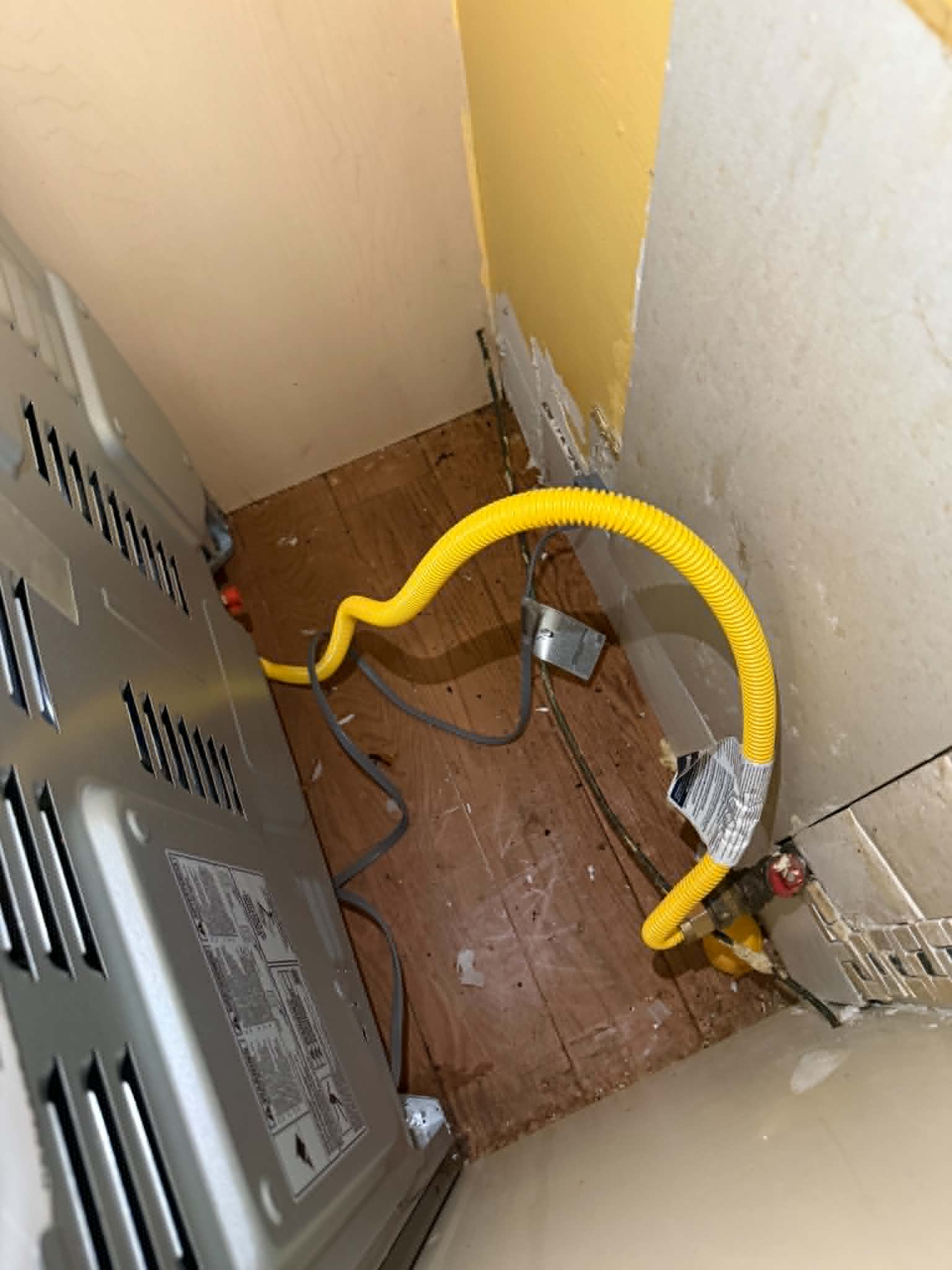
Mouse droppings along a gas line where it enters a home
Very common

Pipes and utility lines

  • Droppings near the gas line or water main
  • Gaps around A/C and dryer lines
  • Light visible around a pipe

Gas, water and A/C lines pass through the foundation or siding, and the hole is often cut bigger than the pipe. These are classic spots where people foam and mice tunnel back through. Pack copper mesh tight around the pipe, then seal over it.

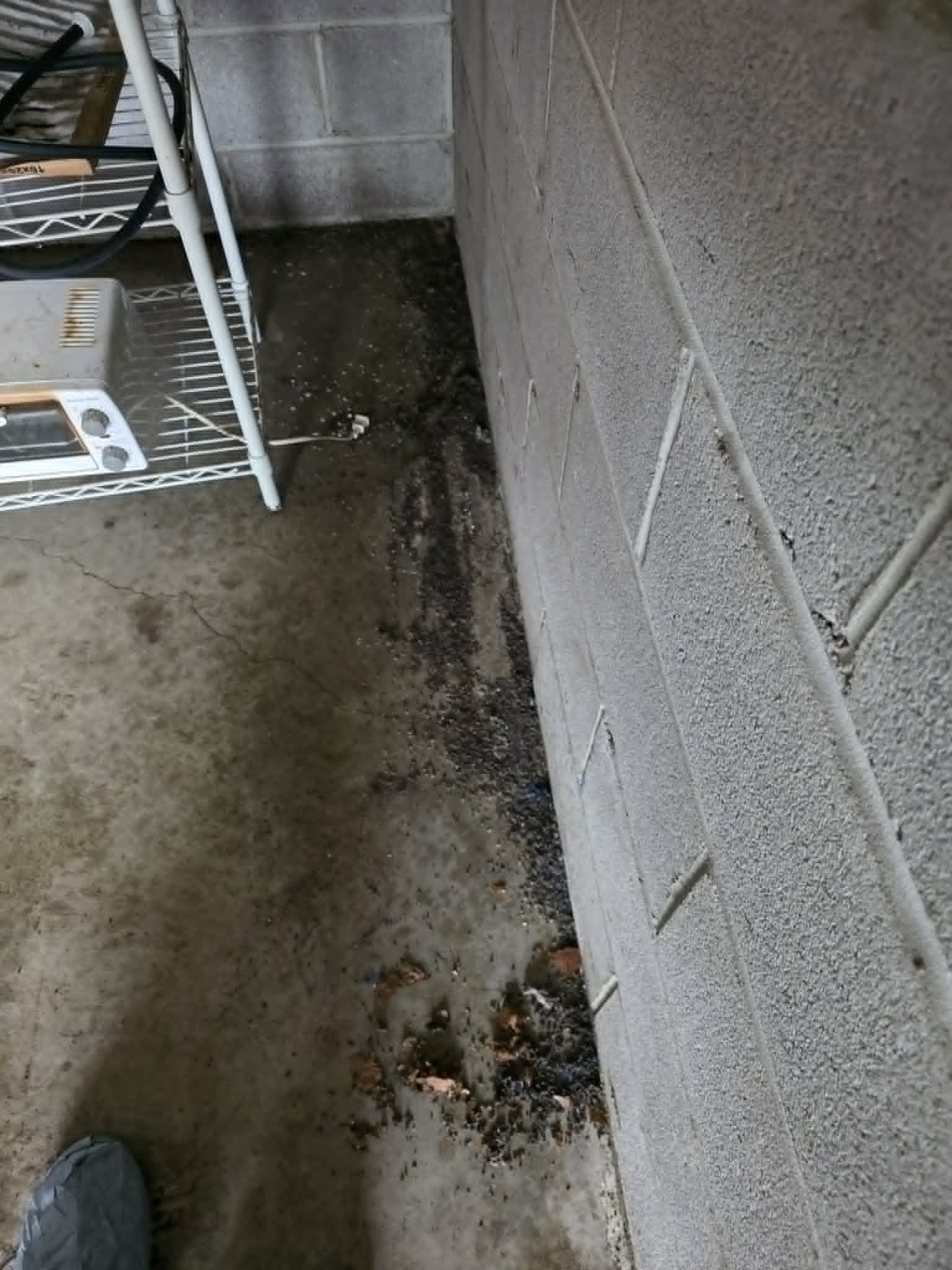
Mouse droppings on a garage floor
Easy to miss

Garage doors and corners

  • Droppings along the garage walls
  • Chewed bottom seal
  • Daylight at the door corners

The rubber seal at the bottom of a garage door gets chewed or worn, and the corners rarely close tight. From the garage, mice move into the house along pipes and the shared wall. Foam won't hold here β€” it needs a proper seal and metal at the corners.

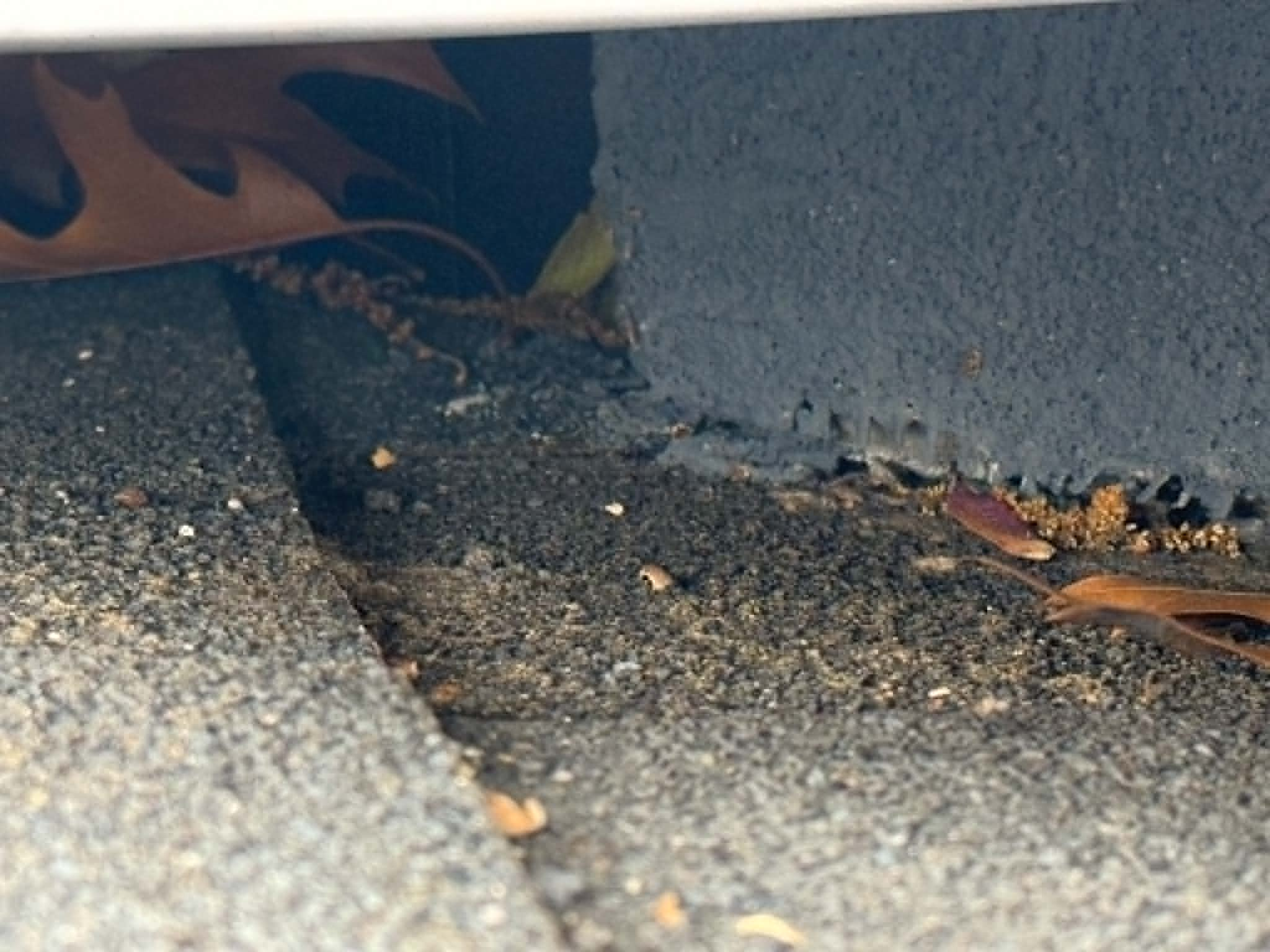
Cracks in a foundation wall
Older homes

Foundation cracks and vents

  • Cracks in block or stone foundations
  • Gaps at the sill where wood meets masonry
  • Open or broken vent screens

Older North Jersey homes with block or stone foundations develop cracks and gaps at the sill. Masonry gaps get mortar or concrete patch; vents get hardware cloth. Foam pushed into a foundation crack is just a temporary plug.

Don't seal mice in: when to wait before sealing

Sealing every hole while mice are still living inside can backfire. Trapped mice will chew new exits β€” sometimes through drywall, cabinets or the foam you just put in β€” and some die inside the walls, which leads to a bad smell for days or weeks.

The order that works:

  1. Find out how active it is. Fresh droppings, noise at night and chewed packages mean mice are living inside.
  2. Trap first. Snap traps along the walls where mice travel, with a small amount of bait. Inside a home, keep traps where kids and pets can't reach them.
  3. Seal the main routes while trapping. Close the big outside entry points so new mice stop coming in, and keep trapping the ones inside.
  4. Finish sealing once activity stops β€” the small interior gaps under sinks and behind appliances.

If you already have a smell, our dead mouse smell guide explains what to do. For tips on getting traps to work, see best mouse trap bait.

Heard noise in the attic during the day? That's more likely a squirrel than a mouse. Never seal an opening an animal may still be using β€” see squirrel proofing or call us.

Spray foam safety tips for DIY sealing

🧀

Protect yourself

Wear gloves and eye protection, and keep the area ventilated while foam cures. Uncured foam sticks to skin and is hard to remove.

πŸ”₯

Mind heat sources

Don't pack ordinary foam against chimneys, flues, furnace vents or hot pipes. Fire-rated products exist for some uses β€” check the label and your local code.

⚑

Careful around wiring

Don't stuff steel wool into electrical boxes or around live wires. Wiring gaps inside the house are a job for an electrician or a pro.

πŸ’§

Don't trap moisture

Don't foam over weep holes or drainage gaps in siding or brick. They're meant to let water out.

DIY sealing vs. professional rodent exclusion

DIY with foam and steel woolProfessional exclusion
Finding gapsThe ones you can seeFull inspection inside and out β€” roofline, foundation, utilities, garage, vents
MaterialsFoam, steel wool, caulkChew-proof materials matched to each gap: mesh, hardware cloth, metal, masonry patch
Mice already insideOften sealed in by mistakeTrapping and sealing in the right order
Follow-upUp to youReturn checks; mouse service includes 90 days of coverage with unlimited free service calls
Best forOne or two obvious gaps, no active infestationRepeat problems, older homes, multi-family buildings, rats

Most homes have more than one way in. When droppings keep coming back after you've sealed, the missing gap is usually higher (roofline, attic vents) or hidden (behind the dishwasher, inside the garage wall). See our mice and rat exterminator service.

Get a Free Mouse-Proofing Quote

Tell us where you're seeing droppings or chewing and send a photo of the gaps if you can. We'll inspect, explain what's letting the mice in, and give you a free quote.

Why people call us after DIY sealing

  • Mice chewed through the foam
  • Droppings came back after sealing
  • A smell after holes were closed
  • Older home with many gaps in the foundation
  • Mice coming from the garage or the other unit
πŸ“ž Call 973-510-2585

Request Service

πŸ”’ Your info stays private Β· Hablamos espaΓ±ol.

What's bugging you? - Step 1 of 3

Spray Foam & Mice Questions

Can mice chew through spray foam?

Yes. Cured expanding foam is soft, and mice can chew through it easily, often in a few days if there's a reason to get through. Use foam only to cover and hold a chew-proof material like copper mesh, steel wool or hardware cloth.

Is pest-block spray foam better than regular foam?

It's somewhat better because it's made to be less appealing to chew, but it isn't chew-proof. A determined mouse can still work through it. Put metal mesh in the gap first and use the pest foam as the cover, not the barrier.

What's the best thing to plug mouse holes with?

Copper mesh or steel wool packed tightly for small gaps, hardware cloth or sheet metal for larger openings, and mortar or concrete patch for foundation cracks. Then seal over the top with foam or caulk to lock it in and block drafts.

Steel wool or copper mesh β€” which is better?

Copper mesh is usually better for long-term sealing because it doesn't rust and is easier to pack tightly. Steel wool works but rusts outdoors and in damp basements, leaving stains and eventually loosening. Both need a cover of foam or caulk.

How small a hole can a mouse get through?

A mouse can fit through a gap about the width of a pencil, and a young rat through one about the size of a quarter. That's why gaps around pipes, under doors and at garage door corners all need sealing, not just the big holes.

Should I seal holes while mice are still inside?

Not all at once. Trap the mice inside first while you close the main outside entry points, then finish sealing interior gaps once activity stops. Sealing everything at once can trap mice in the walls, where they chew new exits or die and smell.

Why do mice keep coming back after I sealed the holes?

Usually because there's another way in you haven't found β€” at the roofline, attic vents, garage door corners or behind appliances β€” or because the material used was chewable. A full inspection inside and out normally finds the missing gap.

Does spray foam keep rats out?

No. Rats chew even harder than mice and get through foam quickly. Rat entry points need hardware cloth, sheet metal or masonry repair, especially at the foundation, and outdoor rat activity usually needs trapping and burrow work as well.

Can I use spray foam outside?

You can, but plain foam breaks down in sunlight and still won't stop rodents on its own. Pack metal mesh first, foam over it, trim it flush and cover it with paint, caulk or a cover plate so it lasts.

How much does professional rodent exclusion cost?

It depends on how many entry points there are, how high they are, the type of building and what materials each gap needs. We give a free quote after an inspection, and mouse service includes 90 days of coverage with unlimited free service calls.

ΒΏLa espuma en aerosol detiene a los ratones?

No por sΓ­ sola. Los ratones la muerden y la atraviesan. Primero hay que meter malla de cobre o lana de acero en el hueco y luego cubrir con espuma. Llame o mande texto al 973-510-2585 β€” hablamos espaΓ±ol.

Mouse proofing near you

Based in Garfield, we seal homes against mice and rats throughout Bergen, Passaic, Essex and Hudson counties.

Updated November 2026 by the Silver Bullet Pest Control team, Garfield, NJ β€’ NJ License 90568B

Scroll to Top