Silver Bullet Pest Control logoSilver Bullet Pest Control
Pest Guide Β· Ultrasonic Repellers Β· Honest Answer

Do Ultrasonic Pest Repellers Work? An Exterminator's Honest Answer

You plugged in three of them, the little green lights are on, and you still hear scratching in the ceiling. Here is what ultrasonic pest repellers really do, why they rarely solve a mouse, roach or bug problem, and what works instead in North Jersey homes.

4.9 stars on Google β€’ NJ License 90568B β€’ 15+ years β€’ Based in Garfield, NJ β€’ Hablamos espaΓ±ol

Still hearing mice with the plug-ins running? Text a photo of the droppings to 973-510-2585 and we'll tell you what you're dealing with.

  • βœ“ Same-day appointments often available
  • βœ“ Licensed & insured in NJ
  • βœ“ Homes & businesses
  • βœ“ English & EspaΓ±ol

Do ultrasonic pest repellers work?

For most homeowners, ultrasonic pest repellers do not work well enough to rely on: they may make a mouse or rat hesitate for a few days, but rodents get used to the sound, and roaches, bed bugs, ants and spiders show little or no reaction at all. The sound also can't pass through walls, cabinets or furniture, so it never reaches the places pests actually live. Lasting control comes from finding the pest, removing it and sealing the way in. Silver Bullet Pest Control (NJ License 90568B) does that for homes in Bergen, Passaic, Essex and Hudson counties β€” call or text 973-510-2585.

How ultrasonic pest repellers are supposed to work

An ultrasonic repeller is a small box that plugs into an outlet and gives off high-pitched sound, usually above what adult humans can hear. The idea on the package is simple: the noise is so unpleasant that mice, rats, roaches and other pests leave the area and stay away.

Many models also claim an "electromagnetic" or "ionic" effect that supposedly travels through the home's wiring and drives pests out of the walls. Some switch between several frequencies so pests "can't adjust." The boxes often show a long list of pests β€” from mice to spiders to bed bugs β€” and a coverage area in square feet.

The trouble is that a box in an outlet can't change the three things that keep pests in a house: food, shelter and a way in. As long as those are there, a sound β€” even an annoying one β€” is a small problem for a mouse compared with a cold night outside.

Independent testing over the years has mostly found weak or short-lived effects, and federal regulators have warned sellers in the past about advertising claims they couldn't back up. That doesn't mean every box does nothing in every case. It means you shouldn't count on one to fix an infestation.

Do ultrasonic repellers work on mice, rats, roaches and bugs?

What we see in the field, pest by pest:

PestEffect of ultrasonic repellersWhat actually works
MiceSometimes a short pause in activity; mice get used to it, often within daysTrapping, sealing entry points, cleaning up food sources
RatsSame as mice β€” brief avoidance at best, especially when food is nearbyInspection, trapping, locked outdoor stations, sealing at the foundation
CockroachesLittle or no reaction in most testsGel bait plus growth regulator (IGR) and a follow-up visit
Bed bugsNo meaningful effect β€” they stay where people sleepProfessional treatment, including heat treatment
Ants and spidersNo meaningful effectFinding the nest or entry points; targeted treatment
MosquitoesNot effective; many "mosquito" plug-ins and apps fail in testingRemoving standing water, treating shady resting spots
Squirrels, raccoons, batsNot a solution β€” and may trap animals inside if they stayLicensed wildlife removal and exclusion

If the box lists every pest under the sun, that's a hint: the biology of a mouse and a bed bug are completely different, and one sound can't work on both.

Why ultrasonic repellers fail in real houses

🧱

Sound doesn't go through walls

High-pitched sound is easily blocked by walls, cabinets, couches and boxes. Mice live inside walls, under appliances and in attic insulation β€” exactly where the sound can't reach.

πŸ”

Pests get used to it

Rodents adapt to steady sounds. A noise that bothered them on day one is background by day ten, especially if there's food on the other side of it.

🍞

Food beats noise

A mouse that has found crumbs, pet food or bird seed will put up with a lot to keep eating. A sound never removes the reason it came in.

πŸ•³οΈ

The gap is still open

Even if one mouse leaves, the hole it used is still there. The next mouse comes in through the same gap next week.

The "electromagnetic through the wiring" claim has even less support behind it. Wiring doesn't run everywhere a mouse travels, and there's no good evidence it bothers pests at all.

"But it seemed to work for a while" β€” why that happens

We hear this a lot, and people aren't imagining it. There are a few honest reasons a plug-in can seem to work:

  • New things make rodents cautious. Mice and rats are wary of anything new in their space for a few days. That short pause often lines up with when the repeller went in.
  • You probably did other things too. Most people buy a repeller at the same time they clean up, put food in containers and set a few traps. Those changes are what helped.
  • The season changed. Mice push into North Jersey homes in the fall as nights get cold. Activity can drop on its own later in the winter once the first wave is trapped or moves on β€” then come right back next fall.
  • The mice moved, not left. In a two-family or apartment building, mice may shift to the next unit or another floor. The problem isn't gone; it's next door.

The tell-tale sign that a repeller isn't working: fresh droppings. If you're still finding new droppings in drawers, under the sink or along the basement walls a week or two after plugging it in, the mice are still living there. Our guide does one mouse mean more? explains why a single sighting usually means a few more.

Are ultrasonic pest repellers safe for pets and kids?

For people, these devices are generally considered low risk, though some adults, children and teens can hear the higher tones or feel a faint ringing or headache near them. If someone in the house says the room "buzzes," believe them.

Pets are the bigger question. Dogs and cats hear higher sounds than people do, and some pets act stressed around these devices. Small pets β€” hamsters, guinea pigs, gerbils, pet rats and mice, and rabbits β€” hear in the same range the devices are built to bother, and the device can't tell your hamster from a house mouse. If you have small pets, we suggest leaving the plug-ins out of the rooms they live in, or skipping them altogether.

The bigger safety issue is indirect: a family that trusts a repeller may wait months before dealing with a real infestation. Mice contaminate food and counters with urine and droppings, chew wiring, and nest in insulation. Rats can do more. A plug-in that buys time doesn't buy safety.

Cleaning up droppings? Don't sweep or vacuum them dry. Wet them with disinfectant first and wipe up with gloves on. See our mouse droppings cleanup guide.

What works instead of ultrasonic repellers

Match the method to the pest:

Mouse droppings near a gap where a pipe enters a wall
Mice & rats

Find the gap, then close it

  • Fresh droppings along walls
  • Gaps around pipes and wires
  • Scratching at night

Rodents need a way in. Traps placed along the walls they travel take care of the ones inside, and sealing pipe gaps, vents, door bottoms and foundation cracks with materials they can't chew keeps the next ones out.

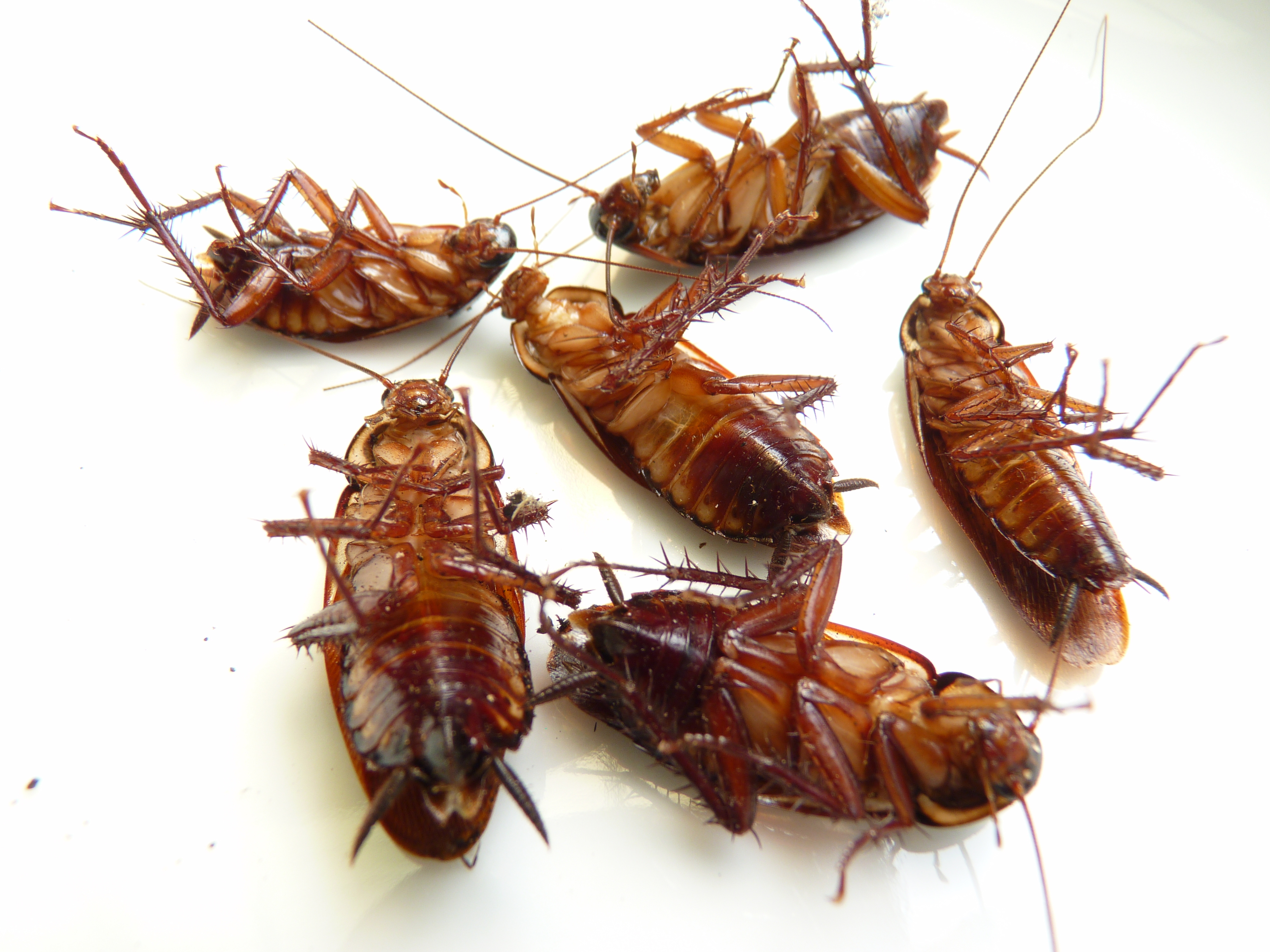
Close-up of cockroaches on a white surface
Roaches

Bait and break the cycle

  • Roaches at night in kitchen or bath
  • Droppings like pepper in cabinets
  • A musty smell

Roaches ignore sound. What works is gel bait placed where they hide, an insect growth regulator so the young can't mature and breed, and a follow-up visit. Our roach treatment carries a 90-day warranty.

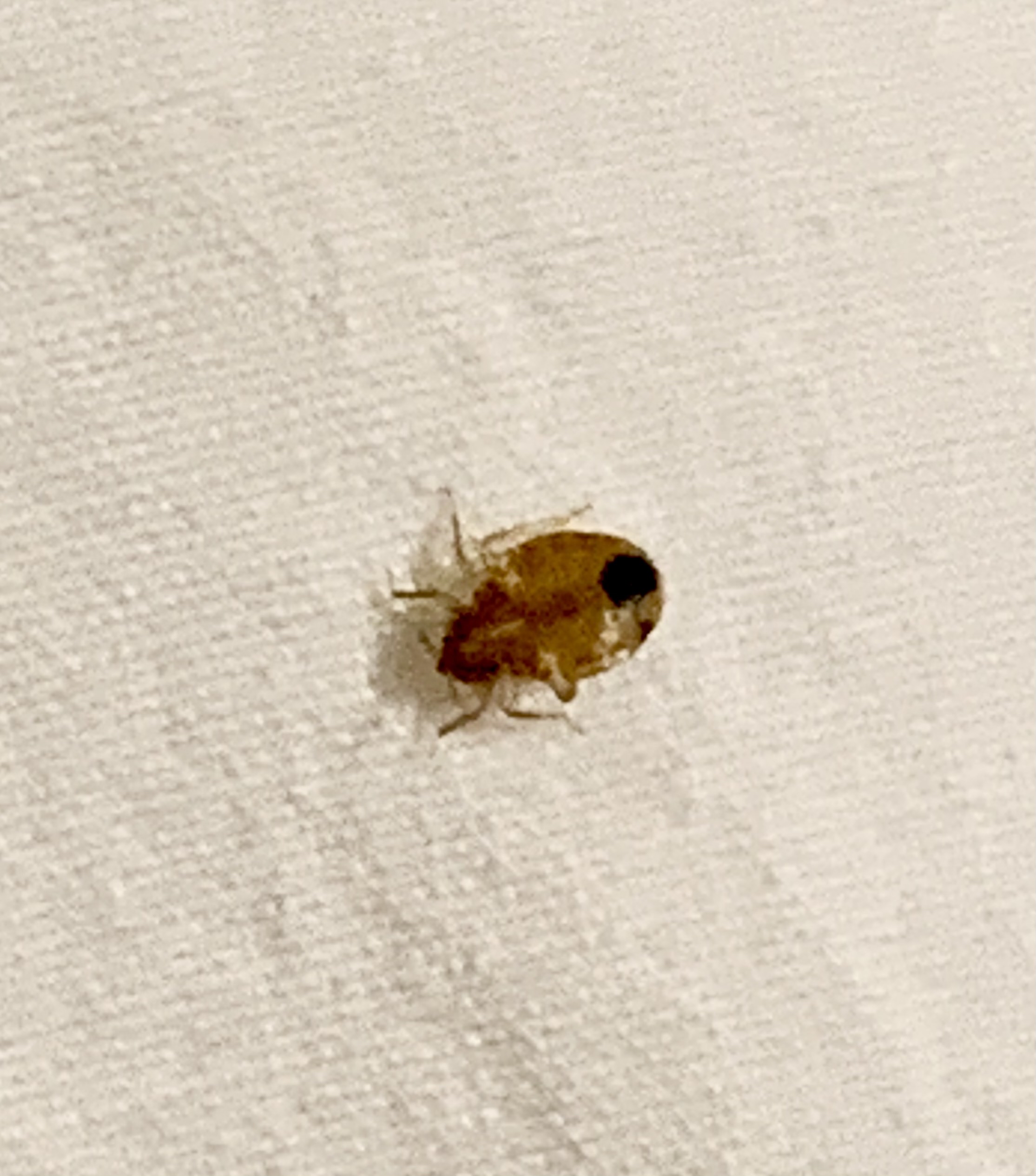
Bed bug on a bed sheet
Bed bugs

Treat where people sleep

  • Itchy bites in rows
  • Small dark spots on seams
  • Live bugs in mattress folds

Bed bugs live within a few feet of where people rest and feed every few nights. No plug-in will drive them out. Professional treatment β€” including heat treatment β€” is the reliable route.

DIY vs. professional: when to stop experimenting

SituationReasonable DIYTime to call a pro
One mouse seen in fallA few snap traps along the wall, seal obvious gapsDroppings keep showing up after 1–2 weeks
Noise in the ceiling or atticListen for timing β€” night vs. daytimeHeavy thumps, daytime noise or chewing (could be squirrels)
Rats outsideClean up food, close trash, remove wood pilesBurrows along the foundation, rats seen in daylight
Roaches in the kitchenClean, fix leaks, use bait (not spray)Seen during the day, or in more than one room
Multi-family buildingReport to the landlord in writingActivity in several units or the basement

How we handle mice: we inspect inside and out, trap the rodents inside where kids and pets can't reach the traps, and seal the entry points. Mouse service includes 90 days of coverage with unlimited free service calls in that time. Details on our mice and rat exterminator page.

Get a Free Quote β€” Skip the Gadgets

Tell us what you're seeing and where, and text a photo if you can. We'll identify the pest and give you a free quote for a plan that actually removes it.

Why people call us after trying plug-ins

  • Droppings keep showing up with repellers running
  • Scratching in the walls or ceiling at night
  • Mice coming back every fall
  • Roaches that ignore everything from the store
  • Small pets in the house and worries about poison
πŸ“ž Call 973-510-2585

Request Service

πŸ”’ Your info stays private Β· Hablamos espaΓ±ol.

What's bugging you? - Step 1 of 3

Ultrasonic Repeller Questions

Do ultrasonic pest repellers really work on mice?

Not reliably. Mice may avoid the area for a few days, but they get used to the sound, and it can't reach inside walls or under appliances where they nest. If you still find fresh droppings a week or two after plugging one in, the mice are still there and you need trapping and sealing.

Do ultrasonic repellers work on roaches?

No, not in any useful way. Cockroaches show little or no reaction to the sound in most testing, and they stay close to food, water and warm hiding spots. Gel bait, an insect growth regulator and a follow-up visit are what clear a roach problem.

How long does it take an ultrasonic repeller to work?

Sellers often say a few weeks, but if a repeller were going to make a difference you'd expect to see it quickly. In practice, any drop in activity tends to fade as pests get used to the sound. Judge it by fresh droppings or sightings, not by how long it's been plugged in.

Can ultrasonic repellers hurt my dog or cat?

They usually don't cause physical harm, but dogs and cats hear higher pitches than people, and some act stressed or avoid the room. Watch your pet's behavior. If it seems bothered, unplug the device β€” it isn't doing much against pests anyway.

Are they safe with hamsters, guinea pigs or rabbits?

We don't recommend them around small pets. Hamsters, guinea pigs, gerbils, pet rats and rabbits hear in the range these devices are designed to annoy, and the device can't tell a pet from a pest. Keep them out of those rooms or skip them.

Do electromagnetic plug-in repellers work better?

No. The idea that a signal through your home's wiring drives pests out of the walls has very little evidence behind it. Wiring doesn't run everywhere mice travel, and pests don't appear to react to it in a meaningful way.

Will an ultrasonic repeller get rid of squirrels or bats in the attic?

No, and it can make things worse. Sound won't evict a squirrel or raccoon with young, and bats are protected and must be excluded at the right time of year. A licensed wildlife company should handle attic animals so none are trapped inside.

Why did the mice come back after the repeller seemed to work?

Usually because the gap they used is still open, or the mice just moved to another part of the house or the next unit. New things make rodents cautious for a few days, which can look like success. Sealing entry points is what keeps them out.

What's the best way to keep mice out without poison?

Trap the mice that are inside and seal the gaps they use with materials they can't chew. Clean up food, store pantry items in sealed containers and keep pet food put away. Our mouse service uses traps inside the home, placed where kids and pets can't reach them.

How much does professional mouse control cost?

It depends on how many mice, how long they've been there, the size and type of building, and how many entry points need sealing. We give a free quote after seeing the property, and mouse service includes 90 days of coverage with unlimited free service calls in that time.

ΒΏFuncionan los aparatos ultrasΓ³nicos contra ratones?

No de forma confiable. Los ratones se acostumbran al sonido y el sonido no atraviesa paredes ni muebles. Lo que funciona es atrapar los ratones y sellar los huecos por donde entran. Llame o mande texto al 973-510-2585 β€” hablamos espaΓ±ol.

Where we handle mice, rats and other pests

Silver Bullet Pest Control is based in Garfield and serves Bergen, Passaic, Essex and Hudson counties.

Updated November 2026 by the Silver Bullet Pest Control team, Garfield, NJ β€’ NJ License 90568B

Scroll to Top