
 Silver Bullet Pest Control
Organic Animal Repellents: What Works and What Doesn't
Squirrels digging up the planters, a skunk under the deck, raccoons in the trash, or deer eating the hostas? Natural and organic animal repellents can help in the yard, but they don't get an animal out of your attic or keep it out for good. Here's an honest guide from a licensed wildlife company, and what to do when repellents aren't enough.
4.9 stars on Google • NJ License 90568B • Licensed by NJ Fish and Wildlife • Based in Garfield • Hablamos español
Hearing something in the attic or walls? Text a photo of the damage or the animal to 973-510-2585.
- ✓ Same-day appointments often available
- ✓ Licensed & insured in NJ
- ✓ Homes & businesses
- ✓ English & Español
Do organic animal repellents work?
Organic animal repellents, such as castor-oil, hot-pepper, garlic or predator-scent products, can make a garden bed, lawn or trash area less attractive to squirrels, skunks, rabbits and deer for a while, but they wear off with rain and time, and animals often learn to ignore them. They do not remove an animal that's already living in an attic, chimney or under a deck. For that, the lasting fix is humane removal plus sealing the entry points, which Silver Bullet Pest Control (NJ License 90568B, licensed by the NJ Division of Fish and Wildlife) does across Bergen, Passaic, Essex and Hudson counties. Call or text 973-510-2585.
Do natural and organic animal repellents really work?
Sometimes, for a while, in the right place. Repellents work by making an area smell or taste unpleasant, or by making an animal think a predator is nearby. That can be enough to send a squirrel to the neighbor's planter or keep a rabbit off your lettuce.
The limits are real, though:
- They wash away. Rain, sprinklers and new plant growth mean most outdoor products need to be reapplied often.
- Animals get used to them. A hungry raccoon or a mother squirrel looking for a nest site will put up with a bad smell.
- They push, they don't remove. A repellent can move an animal from one spot to another, sometimes deeper into your house.
- They don't close holes. If there's an opening in the roof line, a new animal will find it.
So think of repellents as a garden and yard tool, not a wildlife removal method.
Common types of organic animal repellents
Hot pepper (capsaicin)
Makes plants, bulbs and bird seed taste hot to mammals. Birds don't mind it, which is why it's used on seed. Needs reapplying after rain.
Castor oil
Sold for moles, voles and some digging animals in lawns. Soaks into the soil and makes it unpleasant to dig.
Garlic, egg and scent sprays
Common in deer and rabbit products. Work best when you rotate between types so animals don't get used to one smell.
Predator scents
Fox or coyote urine products try to make animals think a predator is near. Results vary a lot and fade quickly.
Always follow the label, keep products away from pets that like to chew, and remember that "organic" doesn't mean harmless to every animal or person.
Which repellents help for which animal?
| Animal | Can a repellent help? | What actually solves it |
|---|---|---|
| Squirrels in the garden | Sometimes — hot pepper on bulbs and seed | Protect bulbs with mesh; feeders on baffled poles |
| Squirrels in the attic | No | Removal and sealing with a one-way door |
| Raccoons in the trash | A little | Locking lids, bins stored in the garage |
| Raccoons in the attic or chimney | No | Humane removal, chimney cap, repairs |
| Skunks digging the lawn | Sometimes, short term | Treating the grubs they eat; sealing under decks and sheds |
| Skunks under the deck or shed | No | Removal and a buried barrier around the base |
| Deer eating plants | Yes, if rotated and reapplied | Fencing or deer-resistant plants for long term |
| Mice and rats | Not reliably | Sealing entry points and trapping |
| Bats in the attic | No — and they shouldn't be harmed | Licensed bat exclusion at the right time of year |
Mosquitoes, ticks and deer in the yard are a separate service; see our natural mosquito, tick and deer control page.
Why repellents fail once an animal is inside
The most common call we get after a homeowner tries repellents goes like this: they hear scratching in the attic, put mothballs, ammonia rags or a scent pouch near the hole, and the noise stops for a few days. Then it comes back, or it moves to another part of the house.
- Babies. In spring, a mother squirrel or raccoon won't leave her young. A repellent won't move her, and blocking the hole can leave babies trapped inside or make her tear a new hole.
- Mothballs and ammonia aren't a fix. They're not made for wildlife control, the fumes aren't good for the people in the house, and animals often tolerate them.
- The smell stays with you. Strong products in an attic or crawl space can drift into living space long after the animal is used to them.
Never seal a hole while an animal may still be inside. Trapped animals can die in the walls or cause more damage trying to escape. Call us first.
Signs an animal is already living in your house
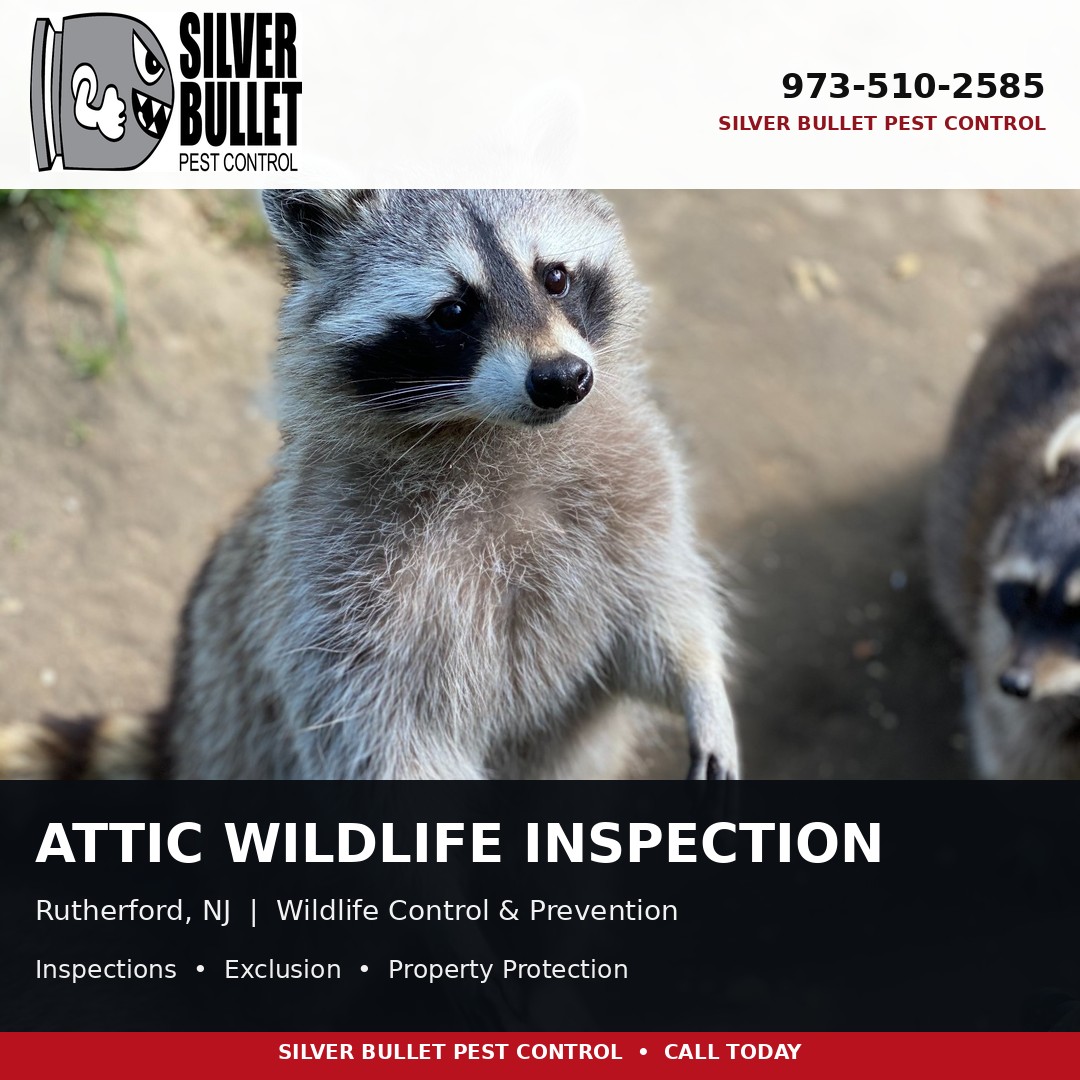
Heavy noise at night
- Thumping or walking sounds after dark
- Torn soffit, roof vent or shingles
- Droppings in one spot in the attic
Raccoons are strong enough to rip open a roof line. Repellents won't move a mother with kits.
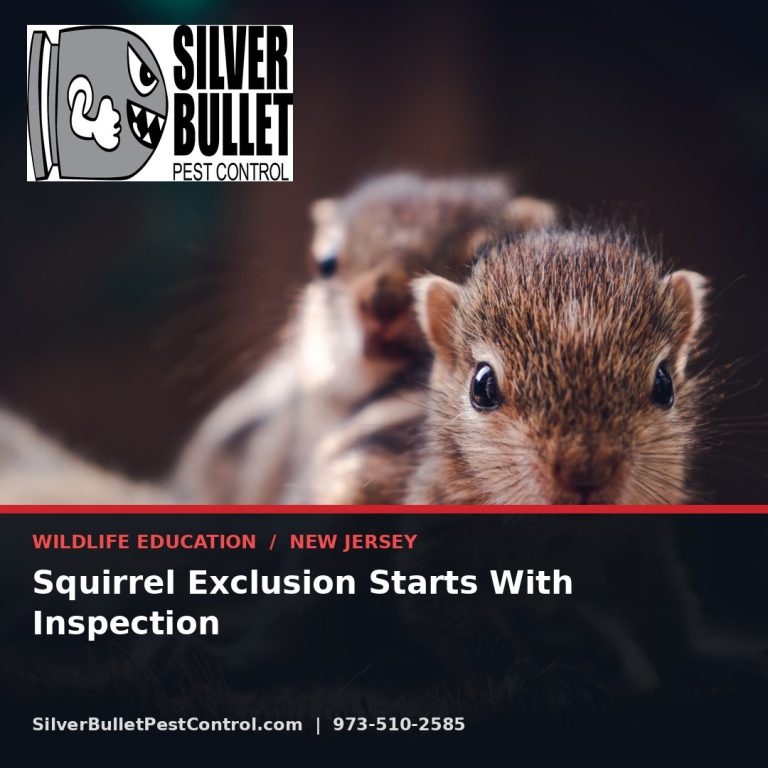
Scratching in the morning
- Running and scratching at dawn and dusk
- Chewed holes at roof corners and vents
- Nuts or nest material in the attic
Squirrels chew new holes if you block the old one while they're inside. A one-way door lets them out first.
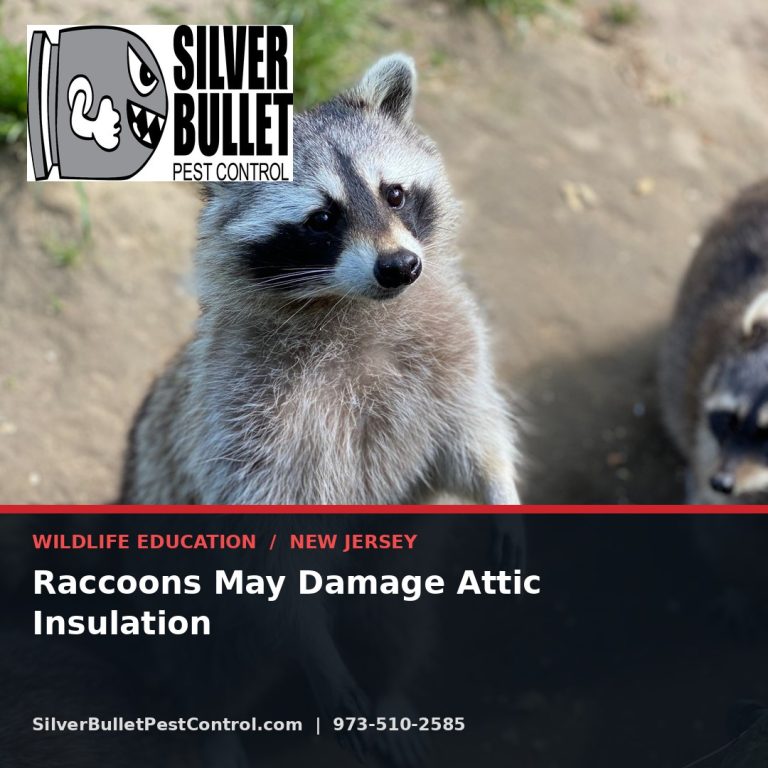
Flattened or soiled insulation
- Trails or tunnels through the insulation
- Strong odor from urine and droppings
- Stains on the ceiling below
Once animals are out, we can clean up, deodorize and remove and replace damaged attic insulation.
Exclusion: the chemical-free fix that lasts
Inspect the whole house
We check the roof line, soffits, vents, chimney, dormers, foundation, deck and shed to find how the animal gets in and whether there are young.
Get the animal out humanely
Depending on the animal, we use one-way doors that let it leave but not return, or humane removal. Timing matters when there are babies.
Seal and repair
Entry points are closed with sturdy materials animals can't chew or pull apart, and damaged areas are repaired.
Clean up
When needed, we do odor control and HEPA cleanup, and remove and replace soiled attic insulation.
No repellent, organic or not, does what sealing does. More on our approach: animal proofing and exclusion and our main wildlife removal page.
Make your yard less inviting, without chemicals
Animals come to yards for food, water and shelter. Take those away and repellents matter much less:
- Trash: use bins with locking lids, put them out the morning of pickup, and rinse them now and then.
- Pet food and bird seed: feed pets indoors, and use a tray under feeders so seed doesn't pile up on the ground.
- Under decks, porches and sheds: close the gaps with sturdy mesh, buried a bit into the soil so skunks and groundhogs can't dig under. We install these buried mesh barriers ourselves.
- Trees and branches: trim limbs back from the roof so squirrels and raccoons can't jump onto it.
- Chimney: a cap keeps raccoons, birds and squirrels from moving in. We install chimney caps too.
- Lawn grubs: skunks and raccoons tear up lawns hunting grubs. Fixing the grub problem often stops the digging.
In older North Jersey neighborhoods with big trees, detached garages and homes close together, animals move easily from yard to yard. Sealing your house matters more than anything you spray.
Related pages
Get a Free Wildlife Quote
Tell us what animal you think it is, where you hear or see it, and send a photo of any holes or damage. We'll give you a free quote and explain the plan.
Why people call us after trying repellents
- Scratching in the attic came back
- A skunk is living under the deck
- Raccoons tore open the soffit
- Squirrels chewed a new hole after one was blocked
- Damaged, smelly attic insulation
Request Service
🔒 Your info stays private · Hablamos español.
Organic Animal Repellent Questions
What is the best natural animal repellent?
There's no single best one. Hot-pepper products work on bulbs and bird seed, castor oil helps with digging animals in lawns, and rotating scent sprays works best for deer and rabbits. All of them wear off and need reapplying, and none remove an animal living in your house.
Will repellents get squirrels out of my attic?
No. A squirrel nesting in an attic, especially with babies, will put up with bad smells. Blocking the hole can make it chew a new one. The fix is a one-way door so it leaves, followed by sealing every entry point.
Do mothballs keep animals away?
They're not a good wildlife solution. Mothballs aren't made for that use, their fumes aren't healthy to breathe in a home, and animals often get used to them. Sealing entry points works far better and is safer for your family.
Are organic animal repellents safe for pets?
Many are lower risk than other products, but organic doesn't mean harmless. Hot pepper can irritate a dog's eyes and nose, and some products shouldn't be eaten. Read and follow the label, and keep pets away from freshly treated areas.
How often do I need to reapply a repellent?
Usually after heavy rain, after watering, and every few weeks as plants grow, depending on the product. That's why repellents are best for short-term protection of a specific garden bed, not a long-term answer.
Do ultrasonic animal repellers work?
Results are poor for most animals. Wildlife often gets used to the sound, and it doesn't travel through walls or around corners. Physical barriers and sealing gaps work much more reliably.
How do I keep skunks from living under my deck?
Make sure no skunk is under it first, then close off the base with sturdy mesh, bent outward and buried into the soil so they can't dig under. If one is already living there, call us: we remove it humanely, then install the buried mesh barrier ourselves.
Can I trap and move wild animals myself?
It's not a good idea. You risk bites, scratches and getting sprayed, and relocated animals often don't survive or come back. Wildlife rules in New Jersey can be strict and change over time. We're licensed by the NJ Division of Fish and Wildlife for this work.
Does Silver Bullet use organic repellents?
Our focus is on lasting fixes: humane removal, sealing entry points and repairing damage. If a natural repellent makes sense for your yard as an extra step, we'll talk it through with you. Ask us what fits your situation.
How much does wildlife exclusion cost?
It depends on the animal, how many entry points there are, how high and hard to reach they are, and how much damage or cleanup is needed. We give a free quote after an inspection; call or text 973-510-2585.
¿Sirven los repelentes naturales para animales?
Ayudan un poco en el jardín por poco tiempo, pero no sacan a un animal que ya vive en el ático. Para eso hay que sacarlo y sellar las entradas. Hablamos español: 973-510-2585.
Wildlife control across North Jersey
Based in Garfield, serving Bergen, Passaic, Essex and Hudson counties.
Our service area
Bergen County
973-510-2585- Allendale
- Bergenfield
- Bogota
- Carlstadt
- Cliffside Park
- Closter
- Cresskill
- Demarest
- Dumont
- East Rutherford
- Edgewater
- Elmwood Park
- Emerson
- Englewood
- Englewood Cliffs
- Fair Lawn
- Fairview
- Fort Lee
- Franklin Lakes
- Garfield
- Glen Rock
- Hackensack
- Harrington Park
- Hasbrouck Heights
- Haworth
- Hillsdale
- Ho-Ho-Kus
- Leonia
- Little Ferry
- Lodi
- Lyndhurst
- Mahwah
- Maywood
- Midland Park
- Montvale
- Moonachie
- New Milford
- North Arlington
- Northvale
- Norwood
- Oakland
- Old Tappan
- Oradell
- Palisades Park
- Paramus
- Park Ridge
- Ramsey
- Ridgefield
- Ridgefield Park
- Ridgewood
- River Edge
- River Vale
- Rochelle Park
- Rutherford
- Saddle Brook
- Saddle River
- South Hackensack
- Teaneck
- Tenafly
- Teterboro
- Upper Saddle River
- Waldwick
- Wallington
- Washington Township
- Westwood
- Woodcliff Lake
- Wood-Ridge
- Wyckoff
Passaic County
973-510-2585- Bloomingdale
- Clifton
- Haledon
- Hawthorne
- Little Falls
- North Haledon
- Passaic
- Paterson
- Pompton Lakes
- Prospect Park
- Ringwood
- Totowa
- Wanaque
- Wayne
- West Milford
- Woodland Park
Essex County
973-510-2585- Belleville
- Bloomfield
- Caldwell
- Cedar Grove
- East Orange
- Essex Fells
- Fairfield
- Glen Ridge
- Irvington
- Livingston
- Maplewood
- Millburn
- Montclair
- Newark
- North Caldwell
- Nutley
- Orange
- Roseland
- Short Hills
- South Orange
- Verona
- West Caldwell
- West Orange
Hudson County
973-510-2585Union County
973-510-2585- Berkeley Heights
- Clark
- Cranford
- Elizabeth
- Fanwood
- Garwood
- Hillside
- Kenilworth
- Linden
- Mountainside
- New Providence
- Plainfield
- Rahway
- Roselle
- Roselle Park
- Scotch Plains
- Springfield
- Summit
- Union
- Westfield
Morris County
973-510-2585- Boonton
- Butler
- Cedar Knolls
- Chatham
- Denville
- Dover
- East Hanover
- Florham Park
- Hanover
- Kinnelon
- Lincoln Park
- Madison
- Mendham
- Montville
- Morris Plains
- Morristown
- Mountain Lakes
- Parsippany
- Pequannock
- Randolph
- Riverdale
- Rockaway
- Roxbury
- Whippany
Updated November 2026 by the Silver Bullet Pest Control team, Garfield, NJ • NJ License 90568B