Silver Bullet Pest Control logoSilver Bullet Pest Control
Yellow Jacket Removal Β· North Jersey

Yellow Jacket Removal in NJ: Ground Nests, Wall Nests & Safe Treatment

Yellow jackets pouring out of a hole in the lawn, buzzing behind the siding, or swarming the trash cans every afternoon? Silver Bullet Pest Control treats and removes yellow jacket nests in the ground, in walls and in attics across North Jersey β€” safely, with the right gear, and without sending them into your house.

4.9 stars on Google β€’ NJ License 90568B β€’ 15+ years β€’ Same-day visits often available β€’ Hablamos espaΓ±ol

Text a photo of the insects or the nest opening β€” from a safe distance β€” to 973-510-2585.

  • βœ“ Same-day appointments often available
  • βœ“ Licensed & insured in NJ
  • βœ“ Homes & businesses
  • βœ“ English & EspaΓ±ol

How do you get rid of yellow jackets safely?

Yellow jacket removal is safest when a licensed technician treats the nest directly at its entrance β€” in the ground, a wall void or an attic β€” wearing protective gear, then removes or seals the nest once activity stops. Don't plug the hole, pour gasoline or spray from close up; those cause most stings and can push yellow jackets inside the house. Silver Bullet Pest Control removes yellow jacket nests across North Jersey, with same-day visits often available. Call or text 973-510-2585.

Found a yellow jacket nest, or just got stung? Do this first

1

Walk away β€” don't swat

Yellow jackets release an alarm scent when they're crushed or threatened that draws more of them. Move calmly indoors or well away from the nest.

2

Watch for an allergic reaction

Swelling of the face, lips or throat, hives spreading over the body, trouble breathing or dizziness after a sting is an emergency. Call 911.

3

Mark the spot from a distance

Note where they're flying in and out so you can tell us, and keep kids, pets and the lawn mower away from it.

4

Leave the opening alone

Don't cover the hole, fill it with dirt or seal a gap in the siding. Send us a photo and we'll handle it, often the same day.

For ordinary stings without allergy symptoms, wash the area and use a cold pack. Yellow jackets can sting more than once, so leave the area first.

Is it a yellow jacket, a wasp or a bee?

Getting this right decides how the nest is handled:

Yellow jacketPaper waspHoney bee
BodyShort, smooth, bright yellow and black bandsLong and slim, legs dangle in flightFuzzy, golden brown
NestHidden paper nest in the ground, walls, attics or voidsOpen umbrella-shaped comb under eaves and railingsWax comb in a tree, wall or roof β€” or a hanging swarm
BehaviorDefensive near the nest; forages around food and trashUsually calm unless the nest is bumpedGentle when foraging; swarms are usually calm
How it's handledNest treated and removed or sealedNest treated and taken downRelocated by a beekeeper, not exterminated

Still not sure? Our wasp, hornet and yellow jacket identification guide has more detail, and are yellow jackets bees or wasps? clears up the most common mix-up.

Where yellow jackets nest around North Jersey homes

Yellow jacket nests are almost always hidden β€” that's what makes them dangerous:

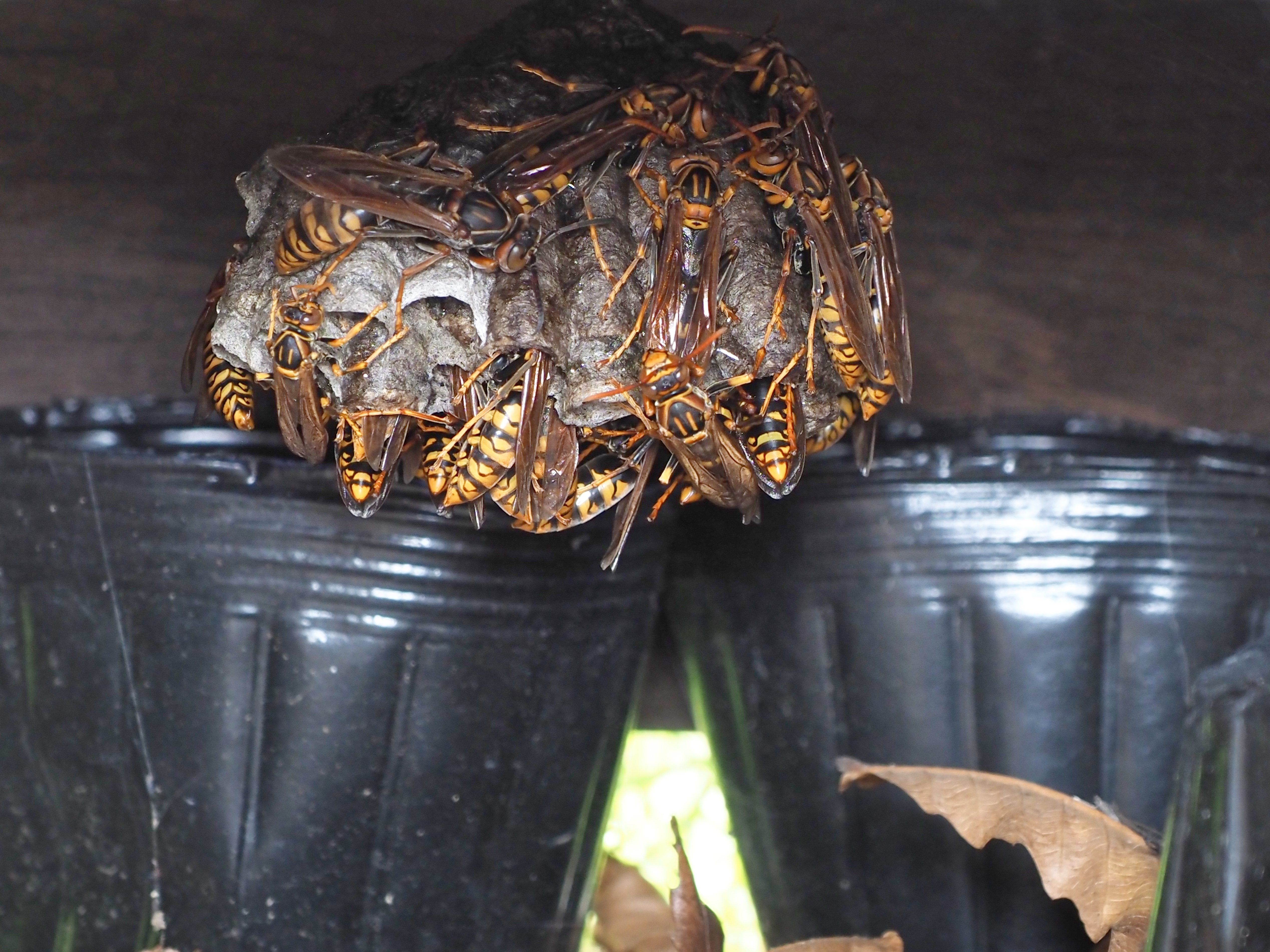
Paper wasp nest comb attached under a surface
Most common

Ground nests

  • A single hole in the lawn or garden bed with steady traffic
  • Often an old rodent burrow or a gap under a stone
  • Found by mowing, weed-whacking or kids playing

In-ground nests can be much bigger underground than the small entrance suggests. Stepping on or mowing over one is the classic way people get stung many times at once.

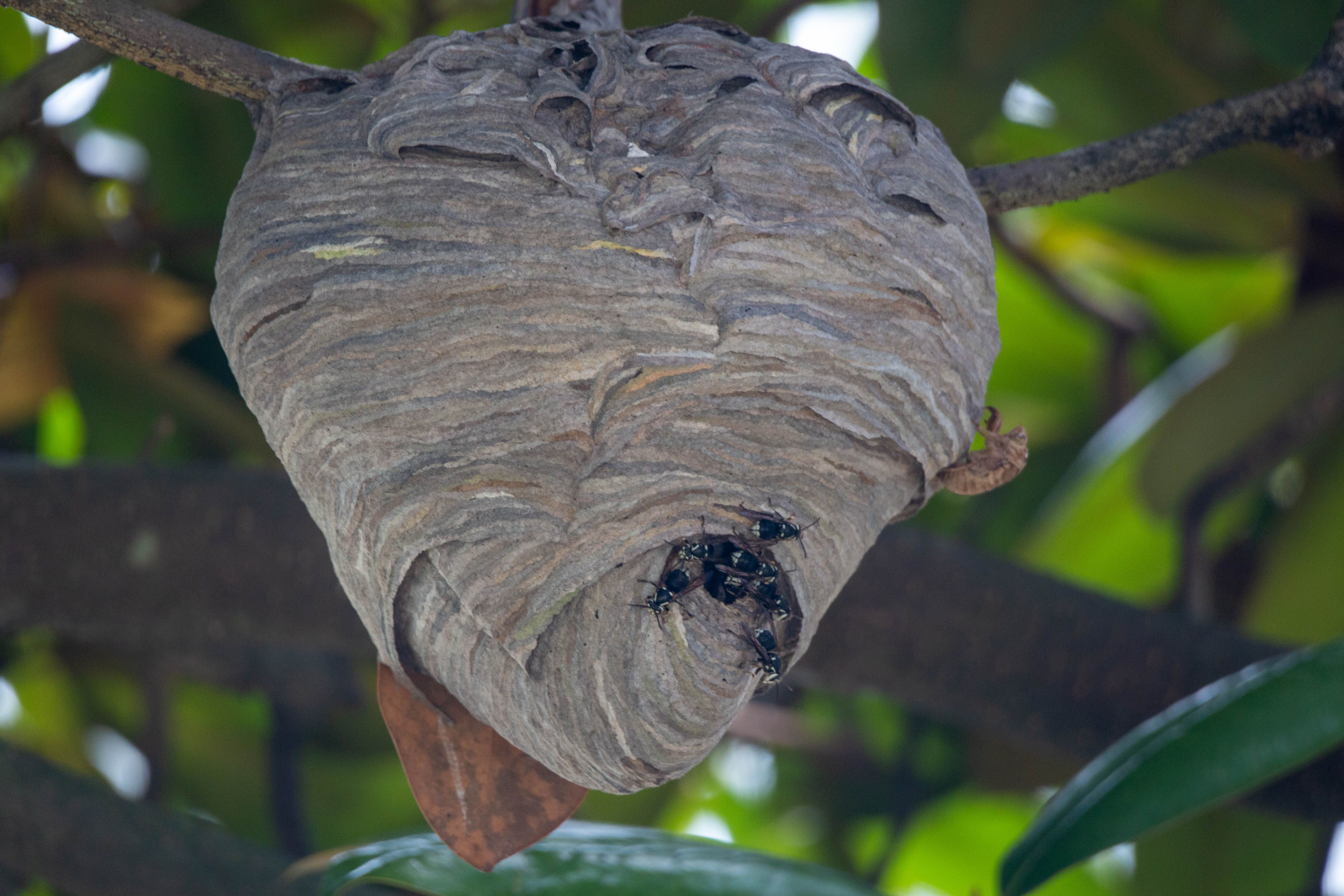
Gray paper hornet nest on a tree branch
Risky

Wall and siding nests

  • Yellow jackets flying in and out of a gap in siding, brick or trim
  • Buzzing or scratching inside a wall
  • A damp or stained spot on drywall

A nest in a wall void keeps growing all summer. If the outside hole is plugged, the colony can chew through drywall and come out into a room β€” so the nest has to be treated, not sealed in.

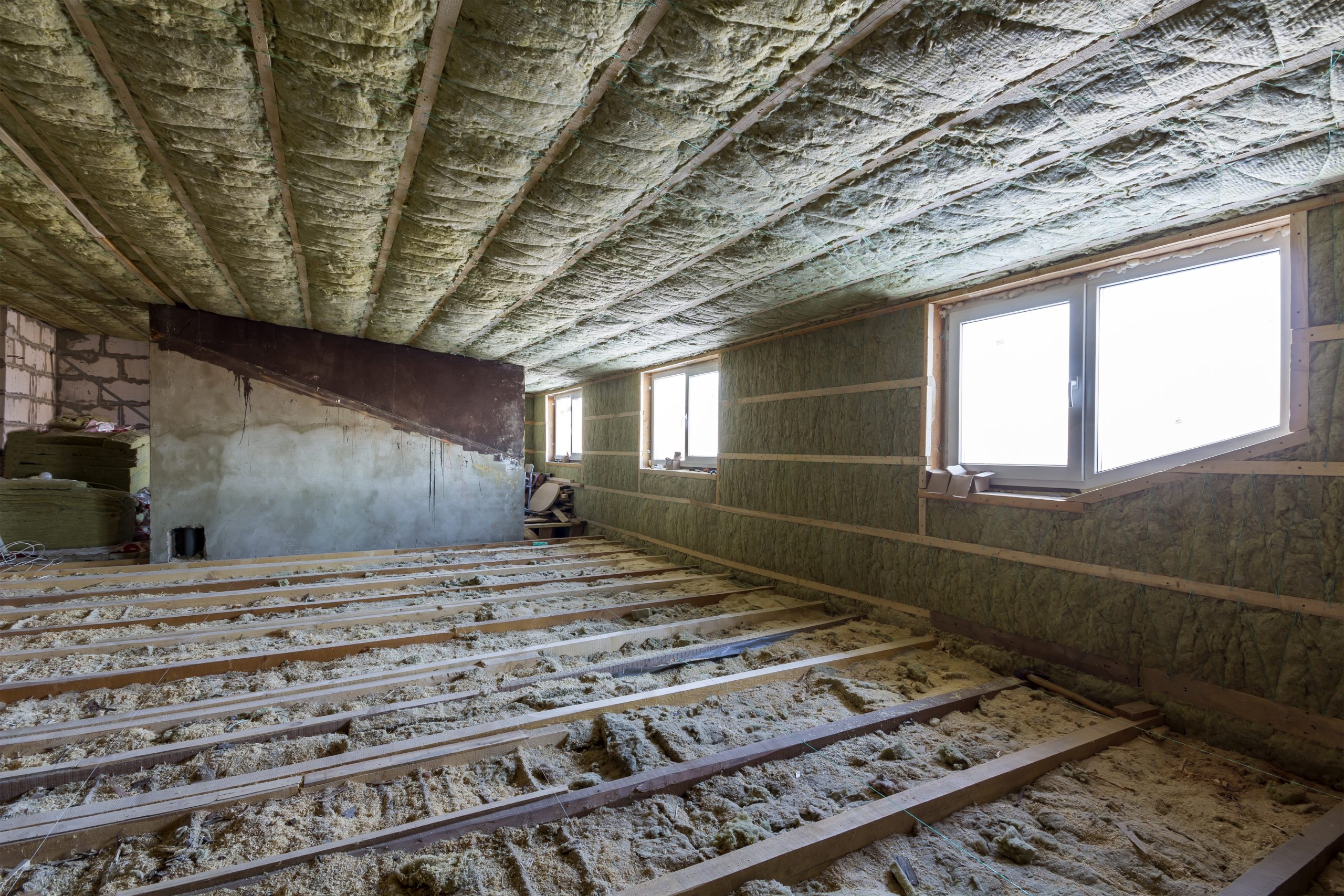
Open attic framing with rafters and sheathing
Hidden

Attic, soffit and shed nests

  • Yellow jackets around a soffit vent or roof edge
  • Insects showing up at light fixtures or windows indoors
  • Large paper nest found in an attic or shed

Attics, crawl spaces, sheds and the space behind a porch ceiling give yellow jackets warm, dry room to build big nests. These are best treated by someone who can get close safely.

How our yellow jacket removal works

1

Find every nest

We confirm the insect is a yellow jacket (not honey bees), find the main entrance and check the rest of the property β€” there's often a second nest.

2

Treat at the entrance

A licensed technician in protective gear treats the nest directly where the yellow jackets go in, so the treatment reaches the colony inside the ground, wall or attic.

3

Remove or seal once quiet

Reachable nests are removed after activity stops. Gaps in siding, trim or vents are sealed only after the colony is dead, so nobody is trapped inside your walls.

4

Advice to keep them away

We point out the openings, trash and food habits that draw yellow jackets and what to fix before next season.

If yellow jackets are coming out inside the house β€” at a light fixture, outlet or window β€” keep that room closed and call 973-510-2585.

Why yellow jackets get worse in late summer

🌱

Spring

A lone queen starts a small nest. Few workers, few stings β€” the easiest time to deal with it.

β˜€οΈ

Early summer

Workers hatch and the nest grows fast, hidden underground or in a wall.

πŸ‚

August to October

The peak. Colonies are at full size, food runs short and yellow jackets crowd trash cans, drinks and cookouts. Most stings happen now.

❄️

Late fall & winter

Workers die off after hard frosts and only new queens survive in sheltered spots. Old nests aren't reused.

Curious where they go in the cold? See where yellow jackets go in winter.

DIY yellow jacket removal: what goes wrong

Most serious sting incidents we hear about started with a home fix:

DIY methodWhat usually happens
Plugging or burying the holeThe colony digs a new exit β€” sometimes into the house through a wall or ceiling
Gasoline or fireA real fire and injury risk, contaminates soil, and often doesn't reach the whole nest
Spray can at close rangeYellow jackets come out of the nest in force; many people get stung on a ladder
Boiling waterRarely reaches deep enough, and leaves angry survivors
Traps aloneCatch some foragers but don't kill the nest

If anyone in the home is allergic to stings, don't try it at all. More on the comparison at wasp spray vs. professional removal.

Honey bees are not treated like yellow jackets

People often call a swarm of honey bees "yellow jackets." They're very different. Honey bees are fuzzy and golden, build wax comb, and are important pollinators. A swarm hanging from a branch is usually calm and only resting while it looks for a new home.

We work with a local beekeeper so honey bee swarms and colonies are relocated, not exterminated. If what you have turns out to be honey bees, we'll tell you and arrange it that way. You can read more on our New Jersey beekeepers page and who to call for bee removal.

Ground-nesting bees that pop up in bare lawn in spring are another lookalike. They're usually solitary and rarely sting, which is very different from a yellow jacket ground nest.

What affects the price of yellow jacket removal

Quotes are free. These are the things that change the size of the job:

FactorSmaller jobBigger job
Number of nestsOne nestSeveral nests on the property
LocationGround nest in the open lawnInside a wall, soffit or attic
AccessLow and easy to reachSecond story, roofline or tight crawl space
TimingSpring or early summerLate summer, full-size colony
Extra workNo sealing neededGaps to seal or a return visit

For more detail, see our wasp nest removal cost guide, or call or text 973-510-2585 with a photo.

Keep yellow jackets away next year

πŸ—‘οΈ

Lid the trash

Tight lids on garbage and recycling, and rinse out soda cans. Late-season yellow jackets hunt sugar and protein.

πŸ₯€

Cover food outside

Keep drinks covered at cookouts and clean up spills and pet food quickly.

πŸ•³οΈ

Fill old burrows

In winter or early spring, fill old rodent holes and bare spots in the lawn before a queen finds them.

πŸ”§

Seal gaps in fall

Once nests are dead, seal gaps in siding, trim and vents. Our wasp nest prevention tips go further.

Get a Free Yellow Jacket Removal Quote

Tell us where the nest is β€” lawn, wall, attic or shed β€” and send a photo if you can do it safely. Same-day visits are often available.

Why North Jersey calls us for yellow jackets

  • A ground nest by the walkway or play area
  • Yellow jackets coming out of the siding or a wall
  • Someone in the home is allergic to stings
  • Honey bees relocated with a local beekeeper, not killed
  • Licensed technicians with the right protective gear
πŸ“ž Call 973-510-2585

Request Service

πŸ”’ Your info stays private Β· Hablamos espaΓ±ol.

What's bugging you? - Step 1 of 3

Yellow Jacket Removal Questions

What is the safest way to remove a yellow jacket nest?

The safest way is to have a licensed technician treat the nest right at its entrance while wearing protective gear, then remove or seal it after activity stops. Most stings happen when homeowners spray from close range, plug the hole or disturb the nest while mowing, so keep everyone away until it's treated.

Should I cover a yellow jacket hole in the ground?

No. Covering or filling the hole doesn't kill the colony; the yellow jackets dig a new exit, and with wall nests they can chew into the house. Leave the opening alone, keep people and pets away from it, and have the nest treated directly. It can be filled in once the nest is dead.

How fast can you remove yellow jackets?

Same-day visits are often available, especially in Bergen, Passaic, Essex and Hudson counties near our base in Garfield. Nests by a door, walkway or play area, or homes where someone is allergic, get priority. Morris and Union county visits are usually scheduled ahead. Call or text 973-510-2585.

When are yellow jackets most aggressive?

Late summer into early fall, roughly August through October in New Jersey. Colonies are at full size then and natural food gets scarce, so yellow jackets crowd trash cans, drinks and cookouts and defend the nest hard. Nests found in spring or early summer are smaller and easier to deal with.

Do yellow jackets die in winter?

Yes, the workers die off after hard frosts, and only newly mated queens survive the winter in sheltered spots. Old nests are not reused the next year. That's why a nest found in late fall may not need treatment, but gaps should be sealed so a new queen doesn't move in.

Can yellow jackets get inside my house?

Yes. A nest inside a wall, ceiling or attic can grow until the yellow jackets chew through drywall or find a way out through light fixtures, outlets or vents. If you see them indoors, close off that room, don't seal the outside hole, and call us to treat the nest.

Do you kill honey bees?

No. We work with a local beekeeper so honey bee swarms and colonies are relocated, not exterminated. If the insects turn out to be honey bees rather than yellow jackets, we'll tell you and arrange the relocation. Texting us a photo first helps sort that out quickly.

How much does yellow jacket removal cost?

It depends on how many nests there are, where they are and how hard they are to reach. An open ground nest is usually a simpler job than a nest inside a wall or attic, and late-summer nests are bigger. Quotes are free; send a photo and the location to 973-510-2585.

Is the treatment safe for kids and pets?

We treat the nest itself rather than spraying the whole yard, and we explain where we treated and any precautions before we leave. Keep children and pets away from the nest area until we tell you it's clear. Let us know about pets, kids or health concerns when you book.

Are you licensed?

Yes. Silver Bullet Pest Control holds New Jersey pesticide applicator business License 90568B, has over 15 years of experience and 4.9 stars on Google.

ΒΏQuitan nidos de avispas amarillas?

SΓ­. Tratamos y quitamos nidos en el suelo, en paredes y en Γ‘ticos. Muchas veces podemos ir el mismo dΓ­a. Llame o mande texto al 973-510-2585. Hablamos espaΓ±ol.

Yellow jacket removal across North Jersey

Based in Garfield, serving Bergen, Passaic, Essex and Hudson counties, plus scheduled visits in parts of Morris and Union.

Updated November 2026 by the Silver Bullet Pest Control team, Garfield, NJ β€’ NJ License 90568B

Scroll to Top