Silver Bullet Pest Control logoSilver Bullet Pest Control
Ground Yellow Jacket Nests Β· Lawns, Gardens & Play Areas Β· North Jersey

Yellow Jacket Nest in the Ground: Dangers, Mowing and Safe Removal in NJ

Yellow jackets pouring out of a small hole in the lawn, under a shrub or next to the patio? Ground nests are the most common way people in North Jersey get stung many times at once, usually while mowing or weed-whacking. Here's how to recognize a ground nest, how to stay safe until it's gone, and how Silver Bullet Pest Control removes it.

4.9 stars on Google β€’ NJ License 90568B β€’ 15+ years β€’ Same-day often available β€’ Based in Garfield β€’ Hablamos espaΓ±ol

Mark the spot from a distance and text a photo or short video to 973-510-2585.

How do you get rid of a yellow jacket nest in the ground?

The safest way to get rid of a yellow jacket nest in the ground is to have a licensed technician treat the nest through its entrance hole, leave the hole open so returning workers contact the treatment, and check the yard for more nests. Until then, keep people and pets away, stop mowing that area, and never pour gasoline or cover the hole. Silver Bullet Pest Control removes ground yellow jacket nests across North Jersey, often the same day. Call or text 973-510-2585.

Is it a yellow jacket nest in the ground, or ground bees?

Two very different insects nest in New Jersey lawns. Getting this right decides whether you need treatment at all:

Yellow jacketsGround (mining) bees
Looks likeShiny, smooth, bright yellow and black; fast, darting flightFuzzy, often dark or brownish; slow, hovering flight
HolesUsually one entrance, about the size of a quarter or smaller, sometimes hidden under grass or rootsMany small holes with little dirt mounds, often in bare, sandy patches
TrafficConstant stream of workers flying straight in and outIndividual bees, each at its own hole
SeasonLate spring to the first hard frost, worst in late summer and fallMostly early to mid spring, for a few weeks
BehaviorDefensive; many sting at once if the nest is disturbedGentle; rarely sting
What to doProfessional removalUsually leave them alone; they're pollinators and leave on their own

Still not sure? Read do yellow jackets nest in the ground and are yellow jackets bees or wasps.

Why a yellow jacket nest in the ground is dangerous

🐝

Many stings at once

Yellow jackets defend the nest as a group, and each one can sting more than once. A disturbed ground nest can release dozens of angry workers in seconds.

πŸ”Š

Vibration sets them off

Mowers, string trimmers, leaf blowers, footsteps and kids running all send vibration through the soil. That's why people get stung without ever seeing the hole.

πŸ™ˆ

Hard to see

The entrance is often hidden in thick grass, under a shrub, in a mulch bed or beneath a stepping stone. Most people find it the painful way.

πŸš‘

Allergic reactions

Multiple stings are dangerous for anyone, and especially for children, older adults and people allergic to stings. Swelling of the face or throat or trouble breathing is a 911 call.

Where yellow jackets nest in North Jersey yards

Yellow jackets don't dig much themselves. They move into spaces that already exist:

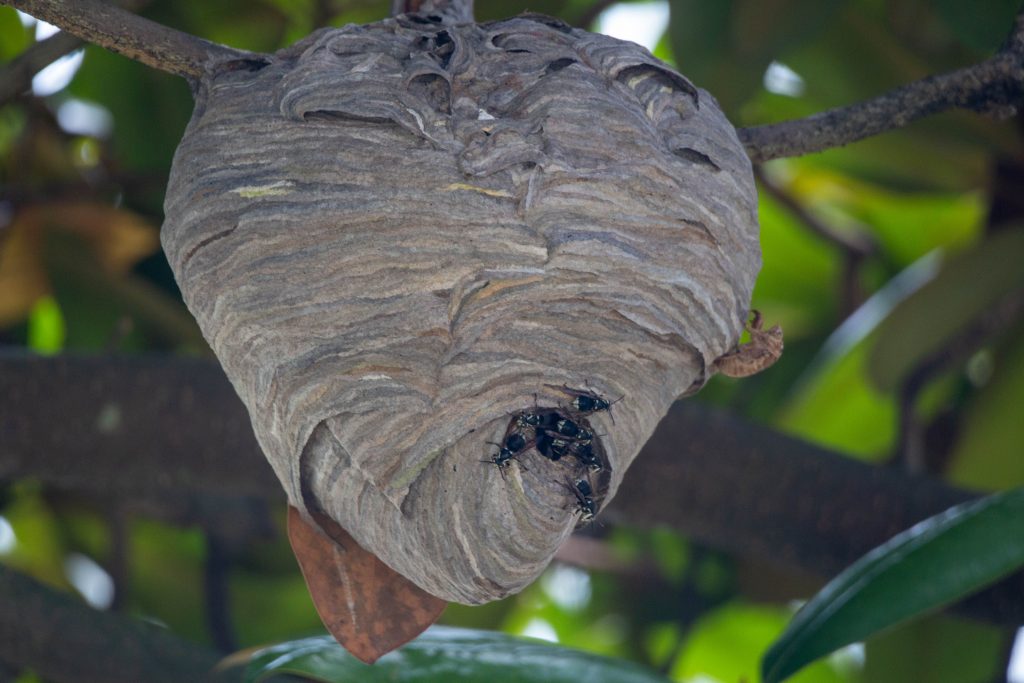
Paper nest built by stinging insects
Lawn

Lawns and old burrows

  • Abandoned chipmunk, mole or rodent holes
  • Under thick grass along fences
  • Near tree roots and stumps

Old rodent burrows are a favorite. The colony builds a paper nest underground and keeps enlarging the cavity as it grows, sometimes to the size of a basketball or larger by fall.

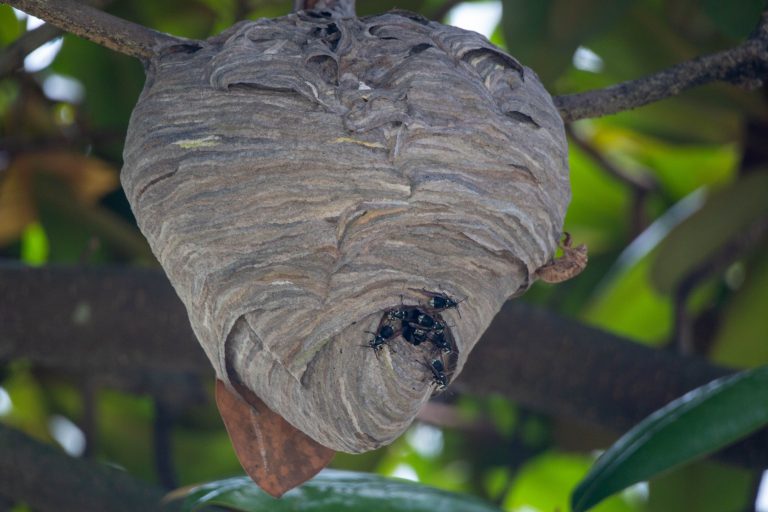
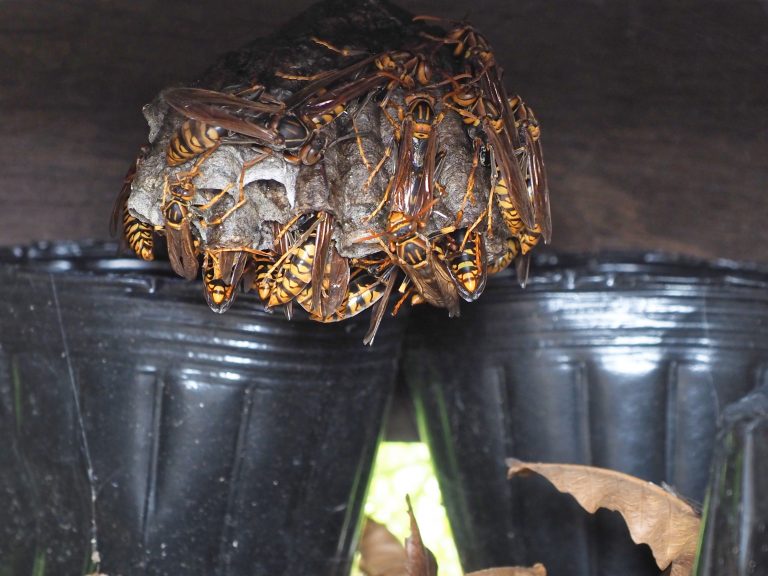
Wasp nest with exposed paper cells
Hardscape

Patios, walls and steps

  • Gaps under patio pavers and stepping stones
  • Cracks in retaining walls
  • Under the edges of decks and stoops

Hardscaping gives yellow jackets a dry, protected cavity. Nests by back steps, patios and pool areas are a problem because that's where people walk, eat and play.

Silver Bullet Pest Control service van
Gardens

Gardens, mulch and play areas

  • Mulch beds against the house
  • Vegetable gardens and compost
  • Under swing sets and sandboxes

Soft, loose soil and mulch are easy to nest in. A nest close to the foundation can also lead yellow jackets into wall voids. A technician checks the whole yard, not just the hole you found.

Mowing near a yellow jacket nest: how to stay safe

Most ground nest stings in New Jersey happen behind a lawn mower. Until the nest is treated:

  • Stop mowing that section. Mark the spot from a distance with a stake or flag and mow around it with a wide margin, or skip that part of the lawn for a few days.
  • No string trimmers or blowers nearby. They vibrate the ground more than a mower and put your face closer to the hole.
  • Find it before you mow. On a warm afternoon, watch the lawn from a few yards away for a minute. A steady line of yellow jackets flying low into one spot gives the nest away.
  • Wear shoes, long pants and sleeves when working in the yard in late summer, and keep sweet drinks covered.
  • If they come after you, run. Get indoors or far away in a straight line. Don't swat or jump into a pool; they wait for you to come up.

Kids and pets should stay away from the area completely. Dogs that dig at a nest can be stung many times.

DIY methods that backfire on ground nests

β›½

Gasoline

Pouring gasoline into the hole is a fire hazard, contaminates soil and groundwater, and often doesn't reach the nest chamber. Don't do it.

πŸͺ¨

Covering the hole

Placing a rock, bucket or soil over the entrance just makes the colony dig a new exit, sometimes right under your foot.

πŸ’§

Boiling water or flooding

Water rarely reaches the whole nest underground, and the person pouring it is standing right over the entrance.

🧴

Store spray at the hole

A quick spray kills a few workers and riles up the rest. Most stings with DIY treatments happen at the moment of spraying.

Curious how store products compare? Read wasp spray vs. professional removal.

How we remove a yellow jacket nest in the ground

1

Locate and confirm

We find the entrance, confirm it's yellow jackets and not ground bees, and check the rest of the yard. Many yards have more than one nest by late summer.

2

Treat through the entrance

A licensed technician in protective gear treats the nest through its opening so the treatment reaches the colony underground.

3

Leave the hole open

Workers returning from foraging must pass through the treated entrance. Covering it would trap them outside and leave them angry and active.

4

Follow-up guidance

We tell you how long to keep people and pets away and when it's safe to mow. Most activity stops within a day or two. If it doesn't, call us.

Same-day visits are often available, especially when a nest is near a door, play area or pool.

Yellow jackets in the ground, season by season

Timing matters, because the nest you find in August is not the nest that was there in May:

SeasonWhat's happeningWhat it means for you
SpringA single queen starts a small nest in an old burrowFew insects; easy to miss
Early summerWorkers hatch and the nest grows quicklyTraffic at the hole becomes noticeable
Late summerNest is near its largest, with many workersMost stings happen now, while mowing and gardening
FallWorkers forage for sweets and get more aggressive; colony declines after hard frostStill dangerous until cold weather sets in
WinterWorkers die; new queens overwinter elsewhereOld nest is not reused, but the burrow may be

Want to know where they go? Read where do yellow jackets go in winter.

Get a Free Quote for Ground Yellow Jacket Removal

Tell us where the nest is (lawn, garden, patio, near a door) and send a photo or video from a safe distance. Same-day visits are often available.

Why homeowners call us about ground nests

  • Stung while mowing or gardening
  • A nest near a play area, pool or door
  • More than one hole in the yard
  • Someone in the home is allergic
  • A nest that came back after DIY
πŸ“ž Call 973-510-2585

Request Service

πŸ”’ Your info stays private Β· Hablamos espaΓ±ol.

What's bugging you? - Step 1 of 3

Yellow Jacket Ground Nest Questions

How do I find a yellow jacket nest in the ground?

Watch the yard from a safe distance on a warm, sunny afternoon. Yellow jackets fly low and straight into one small hole, one after another. Mark the spot with a stake from several feet away and call for treatment.

Can I mow over a yellow jacket nest?

No. Mower vibration is one of the most common triggers for a ground nest attack. Skip that part of the lawn until the nest is treated and the activity has stopped.

How deep is a yellow jacket nest in the ground?

Most ground nests sit a few inches to about a foot below the surface, usually in an old rodent burrow. The entrance tunnel can wind, which is why pouring things into the hole often misses the nest.

Should I cover the hole?

No. Covering the entrance makes the colony dig another exit and leaves the foragers outside angry. A professional treats through the open hole and leaves it open.

Will yellow jackets leave on their own?

The colony dies off after a hard frost in late fall, but until then it keeps growing and is most aggressive in late summer and fall. If the nest is where people walk or mow, it should be treated.

Are ground bees and yellow jackets the same?

No. Ground (mining) bees are fuzzy, gentle spring pollinators that nest in many small holes in bare soil and rarely sting. Yellow jackets are shiny, aggressive wasps with a single busy entrance.

Is the treatment safe for my kids and pets?

We explain where we treat and how long to keep children and pets off that area before we start, so you can plan around it.

Can the nest come back next year?

Yellow jackets don't reuse an old nest, but a new queen may move into the same burrow or a nearby one next spring. Filling old burrows after the colony is dead helps.

How fast can you get here?

Same-day visits are often available, especially in Bergen, Passaic, Essex and Hudson counties. We're based in Garfield and also serve Morris and Union counties with visits scheduled ahead.

ΒΏHablan espaΓ±ol?

SΓ­. Hablamos espaΓ±ol. Si tiene un nido de avispas en el suelo, llame o mande un texto al 973-510-2585.

Yellow jacket nest removal near you

Based in Garfield, we remove ground yellow jacket nests across North Jersey.

Our service area

Union County

973-510-2585
  • Berkeley Heights
  • Clark
  • Cranford
  • Elizabeth
  • Fanwood
  • Garwood
  • Hillside
  • Kenilworth
  • Linden
  • Mountainside
  • New Providence
  • Plainfield
  • Rahway
  • Roselle
  • Roselle Park
  • Scotch Plains
  • Springfield
  • Summit
  • Union
  • Westfield

Morris County

973-510-2585
  • Boonton
  • Butler
  • Cedar Knolls
  • Chatham
  • Denville
  • Dover
  • East Hanover
  • Florham Park
  • Hanover
  • Kinnelon
  • Lincoln Park
  • Madison
  • Mendham
  • Montville
  • Morris Plains
  • Morristown
  • Mountain Lakes
  • Parsippany
  • Pequannock
  • Randolph
  • Riverdale
  • Rockaway
  • Roxbury
  • Whippany

Updated November 2026 by the Silver Bullet Pest Control team, Garfield, NJ β€’ NJ License 90568B

Scroll to Top