Silver Bullet Pest Control logoSilver Bullet Pest Control
Ant Prevention Β· Kitchens, Yards & Wood Β· NJ

How to Prevent Ants in Your NJ Home, Season by Season

Tired of ant trails across the counter every spring? Preventing ants is mostly about breaking the link between the nest outside and the food and water inside. That means cleaning up what attracts the scouts, sealing the routes they follow, and fixing the moisture that carpenter ants look for. This guide covers what works for the ants we see most in North Jersey, and when it's smarter to call us than to keep wiping up trails.

4.9 stars on Google β€’ NJ License 90568B β€’ 15+ years β€’ Based in Garfield β€’ Same-day often available β€’ Hablamos espaΓ±ol

Not sure which ant you have? Text a close-up photo to 973-510-2585 and we'll identify it.

How do you prevent ants from coming into your house?

To prevent ants, keep food and sweet spills cleaned up and sealed, fix leaks and damp spots, seal the cracks and gaps where trails enter, and keep mulch, plants and branches from touching the house so ants have no easy bridge inside. When you see scout ants, wipe their trail with soapy water instead of spraying, because many sprays only scatter the colony. Carpenter ants need a different focus: moisture and wood damage. If trails keep returning or you see large black ants inside in spring, call 973-510-2585 for a free quote.

How ants find their way into your kitchen

Ant problems almost always start with a few scouts. Worker ants leave the nest, often under a patio stone, in the mulch or inside a wall void, and wander until they find food or water. When a scout finds something good, it lays a scent trail back to the nest. Other workers follow it, and within hours you have a line of ants from a crack by the window to a drop of juice on the counter.

That's why prevention focuses on three things:

  • Nothing worth finding: no sugary spills, crumbs, pet food or standing water for scouts to report back about.
  • No easy way in: sealed cracks, tight windows and doors, and no branches or plants bridging from the yard to the siding.
  • No trail left behind: wiping the scent trail with soapy water so other workers can't follow it.

If you're wondering why ants showed up all at once, read why ants appear in the house suddenly and why ants are in my kitchen.

How to prevent the ants we see most in North Jersey

Different ants want different things. Knowing which one you have tells you what to fix first:

AntHow to recognize itWhat draws it inPrevention focus
Odorous house antSmall, dark brown to black; smells like rotten coconut when crushedSweets, especially after rainClean up sugar, seal entry cracks, keep mulch back
Pavement antSmall, dark; little soil piles in sidewalk and driveway cracksGreasy food, crumbs, pet foodSeal slab and foundation cracks, keep floors clean
Carpenter antLarge, usually black; some winged in springMoist or damaged wood, sweets, other insectsFix leaks and rot, trim trees away from the roof
Pharaoh antTiny, pale yellow to light brownWarm areas, sweets, grease; spreads in buildingsDon't spray; call for baiting, common in apartments
Little black ant / tiny black antsVery small, shiny blackSweets, grease, damp areasSeal cracks, clean up crumbs, fix moisture

Learn more about each on odorous house ant control, carpenter ant control and tiny black ants.

When to prevent ants: a North Jersey calendar

SeasonWhat ants are doingWhat to do now
Late winterAnts inside heated homes may show up early; outside colonies are quietLarge ants indoors in February or March can mean a nest inside; get it checked
SpringColonies wake up and send out scouts; winged ants swarmSeal cracks, trim plants back, clean up spills right away, watch for swarmers
SummerColonies are at their biggest; trails peak after rain and in heat wavesWipe trails with soapy water, keep pet food up, fix drips and AC condensation
FallActivity slows; some ants move closer to the warm foundationClear leaves and mulch from the foundation, fix gutters and grading

Seeing winged ants? They might be termites. Compare them on flying ants vs. termite swarmers.

Ant prevention checklist for inside the house

1

Wipe up sweet spills right away

Juice, soda, honey, syrup and jam drips are the top ant magnet. Wipe the counters, the fridge shelf and the outside of jars.

2

Seal food

Keep sugar, cereal, snacks and pet food in containers with tight lids, and keep the fruit bowl from going overripe.

3

Pick up the pet bowls

Feed pets at set times and don't leave food sitting all day. A moat dish helps for water bowls.

4

Empty the trash and recycling

Rinse cans and bottles, and use a lidded trash can.

5

Fix leaks and damp spots

Drips under the sink, a sweating pipe or a wet window sill attract ants looking for water.

6

Seal the entry points

Caulk cracks along baseboards, around windows and where pipes and cables come in. Follow a trail back to find exactly where they enter.

7

Erase the trail

Clean ant trails with soapy water or a household cleaner to remove the scent other workers follow.

Is vinegar enough? It erases trails but won't stop a colony. See does vinegar kill ants and ants in the kitchen.

Outside the house: where ant prevention really starts

Most kitchen ants live outside. These are the spots around the house where we find their nests and highways:

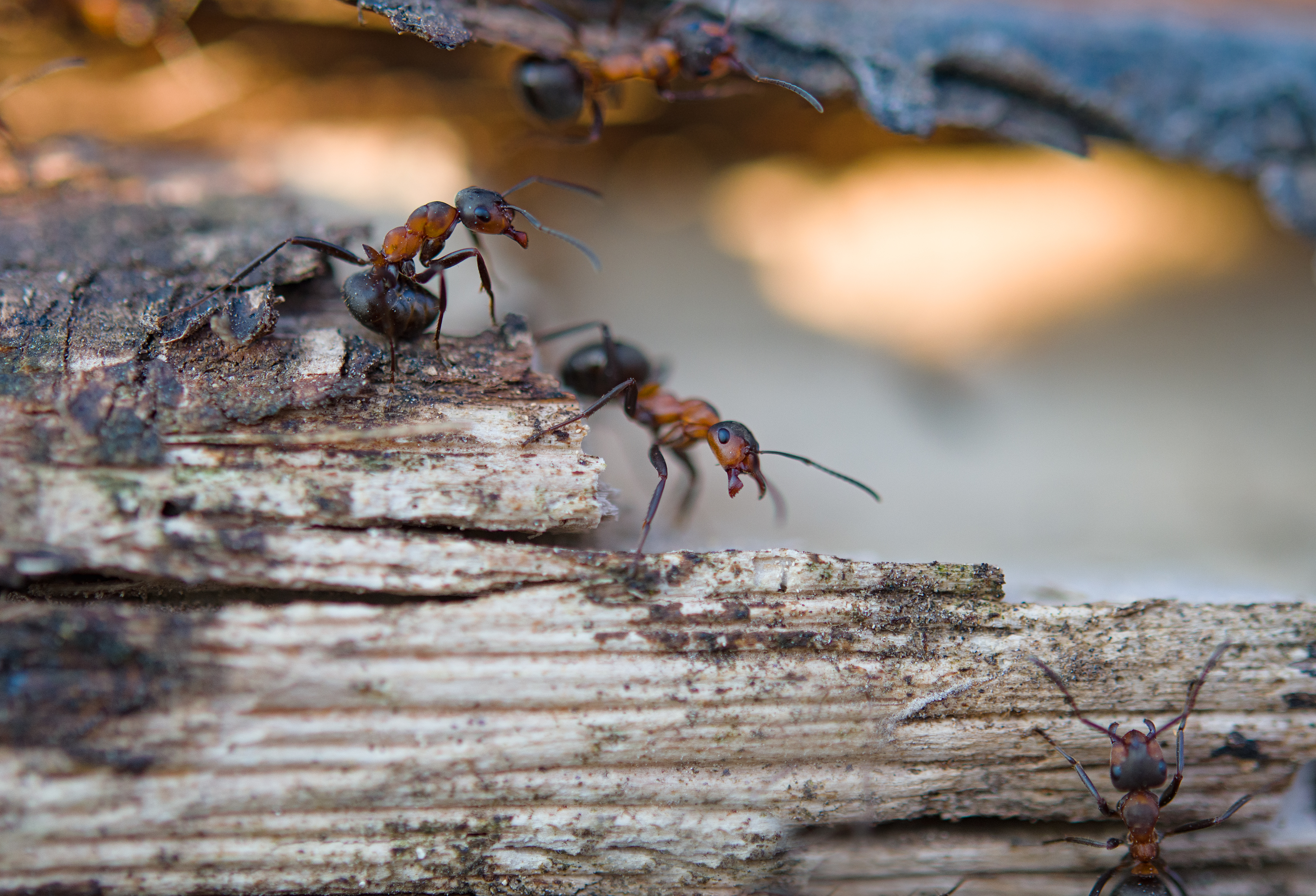
A group of small ants close up
Foundation

Mulch and garden beds

  • Mulch piled against the siding
  • Plants and ground cover touching the house
  • Ant trails along the foundation

Thick mulch keeps soil damp and warm, which is ideal for ant nests. Keep a gap of bare ground or gravel next to the foundation, and keep beds from getting too deep.

Cracks along a building foundation
Hardscape

Patios, walks and slabs

  • Little soil piles in sidewalk cracks
  • Gaps where the patio meets the house
  • Cracks in the garage slab

Pavement ants nest under concrete and pavers and come in through cracks in slabs and foundations. Seal cracks where you can and watch the spot where the patio meets the wall.

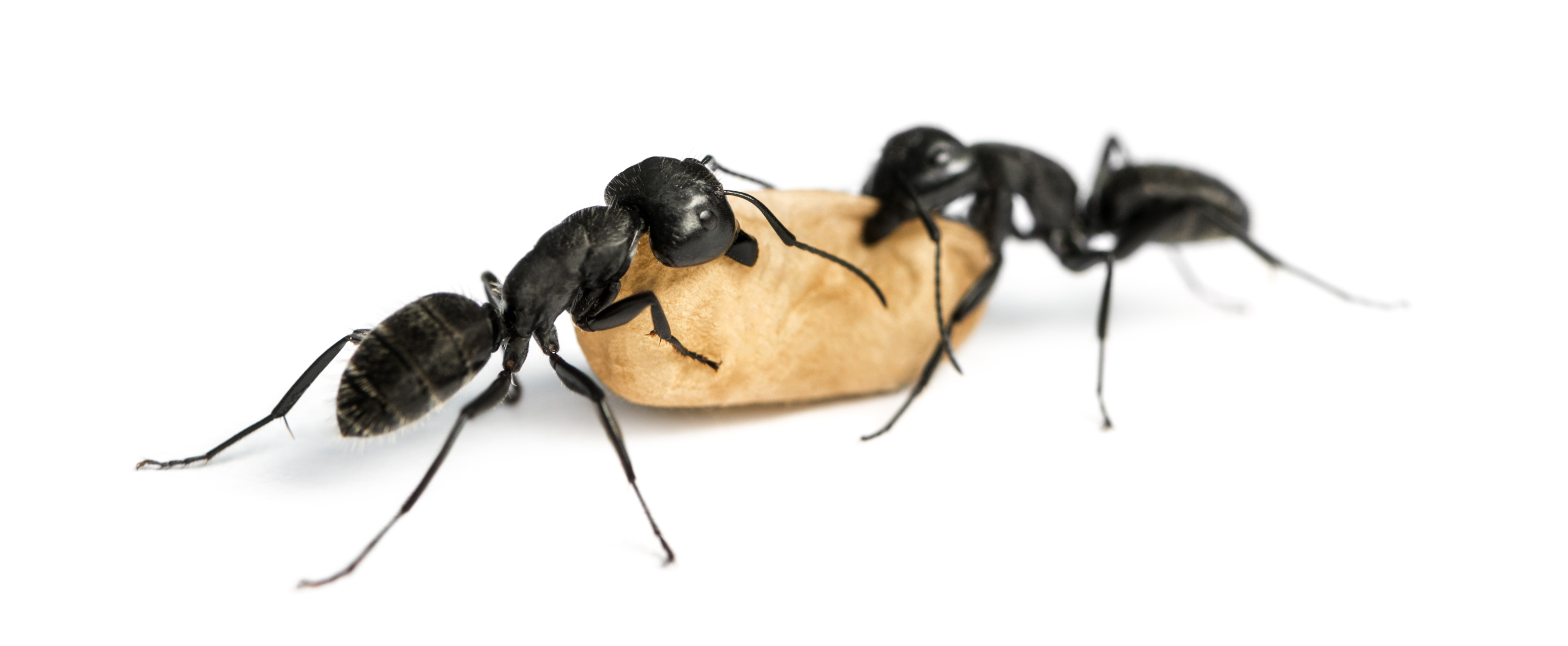
Two carpenter ants carrying food
Trees and wood

Trees, stumps and wet wood

  • Branches touching the roof or siding
  • Old stumps and firewood near the house
  • Rotting deck boards or window trim

Carpenter ants nest in decaying wood and use branches and wires as bridges to the roof. Trim trees back, store firewood away from the house, and repair rotting wood.

Preventing carpenter ants: it's about moisture

Carpenter ants are the one ant in North Jersey that can damage a house. They don't eat wood like termites do, but they hollow out galleries in it for nesting, and they strongly prefer wood that's already damp or softened. That makes moisture control the heart of carpenter ant prevention:

  • Gutters and downspouts: keep them clean and pointed away from the foundation so water doesn't soak the sill and trim.
  • Roof and window leaks: fix them promptly, and check window sills and door frames for soft wood.
  • Decks and porches: replace rotting boards and keep soil and mulch from touching wood.
  • Attics and crawl spaces: good ventilation and a dehumidifier in damp crawl spaces help.
  • Trees: trim limbs so they don't touch the roof, and remove old stumps near the house.

Warning signs include large black ants inside in late winter or early spring, small piles of coarse sawdust-like material (called frass) under trim or in the basement, and faint rustling in a wall. If carpenter ants have damaged wood in your home, we treat the colony and can repair the damaged wood, the same way we repair termite damage. See signs of carpenter ants in the house and carpenter ants vs. termites.

Common ant prevention mistakes

🧴

Spraying the trail

Many over-the-counter sprays kill the ants you see and scatter the rest. With pharaoh ants, sprays can cause the colony to split into several new ones.

🍬

Mixing bait and spray

Baits work because workers carry them back to the nest. Spraying near the bait kills the carriers or makes them avoid it.

🌳

Ignoring the yard

Cleaning inside helps, but if the nest is under the patio and the mulch is against the siding, the ants keep coming.

⏳

Waiting on carpenter ants

Large black ants inside in spring are worth checking early, before galleries spread through damp wood.

Bait vs. spray, explained: ant bait vs. ant spray and does ant spray work?

When to call a pro for ants

Prevention handles most occasional ant visitors. Call us if:

  • Trails keep coming back for more than a week or two, even after cleaning and sealing.
  • You see large black ants indoors in late winter or early spring, or find sawdust-like piles.
  • Winged ants appear inside, and you aren't sure if they're ants or termites.
  • Tiny pale ants are showing up in several rooms or apartments.
  • Ants are coming out of walls, outlets or heating and cooling ducts.

On a visit, a licensed technician identifies the ant, finds the trail and the nest where possible, and treats in a way that matches the species, often with baits indoors and a treatment around the foundation outside. We'll also point out the moisture, plants and gaps that are bringing ants in. Recurring service keeps the outside treated through the season and comes with a 100% satisfaction guarantee. We're based in Garfield, serve Bergen, Passaic, Essex and Hudson counties, and same-day visits are often available. Wondering about price? See what affects ant exterminator cost.

Ants Coming Back? Get a Free Quote

Tell us where the trails are, what the ants look like and how long it's been going on. A photo helps. We'll identify the ant and give you a free quote.

Why North Jersey calls us for ants

  • Ant trails in the kitchen every spring
  • Large black ants inside the house
  • Ants coming out of walls or outlets
  • Winged ants and worry about termites
  • Tiny ants spreading through an apartment building
πŸ“ž Call 973-510-2585

Request Service

πŸ”’ Your info stays private Β· Hablamos espaΓ±ol.

What's bugging you? - Step 1 of 3

Ant Prevention Questions

What is the best way to prevent ants in the house?

The best way to prevent ants is to remove what draws them and block how they get in: clean up sweet spills and crumbs, seal food, fix leaks, caulk cracks where trails enter, and keep mulch and plants off the siding. Wipe trails with soapy water so other ants can't follow the scent.

Why do ants keep coming back after I clean?

Cleaning removes the food and the scent trail, but the nest is still there, often outside under a patio, in mulch or in a wall. Scouts keep looking for new food. If trails return for more than a week or two, the colony needs to be treated.

What smell keeps ants away?

Scents like vinegar, peppermint or citrus can disrupt a trail for a short time, but they don't keep a colony away for long. Sealing entry points, removing food and moisture, and keeping mulch back from the house work much better.

Why are there ants in my house after it rains?

Heavy rain floods ant nests in soil and under pavement, so ants move indoors looking for dry shelter and food. Odorous house ants are especially known for showing up after rain. Seal the entry cracks and clean trails right away.

How do I keep carpenter ants out of my house?

Fix leaks and rotting wood, keep gutters clean and draining away from the house, trim tree branches off the roof, and store firewood away from the foundation. Carpenter ants prefer damp, softened wood, so moisture control is the most important step.

Are ants in the house a sign of a bigger problem?

Usually ants are just following food or water. Large black ants in late winter or spring can mean carpenter ants nesting in damp wood, and winged ants may be termites. Both are worth having checked.

Should I use ant spray or bait?

For trails in the kitchen, bait usually works better than spray because workers carry it back to the nest. Spraying can kill the ants you see and scatter the rest, and with pharaoh ants it can make the colony split.

Does mulch attract ants?

Mulch doesn't attract ants by itself, but thick, damp mulch next to the foundation creates good nesting conditions. Keep a gap of bare soil or gravel next to the house and keep beds from getting too deep.

Can ants damage my house?

Most ants don't damage buildings. Carpenter ants are the exception: they hollow out galleries in damp or damaged wood. We treat carpenter ants and can repair damaged wood, the same way we repair termite damage.

Do you offer ongoing ant prevention service?

Yes. Recurring service keeps the outside of your home treated and checked through the warm months, catches new trails early, and comes with a 100% satisfaction guarantee. We'll explain the options with your free quote.

ΒΏCΓ³mo evito que entren hormigas a mi casa?

Limpie el azΓΊcar y las migajas, guarde la comida cerrada, arregle las goteras y selle las grietas por donde entran. Si siguen volviendo, llame o mande texto al 973-510-2585; hablamos espaΓ±ol.

Ant control across North Jersey

Based in Garfield, we prevent and treat ants in Bergen, Passaic, Essex and Hudson counties.

Our service area

Union County

973-510-2585
  • Berkeley Heights
  • Clark
  • Cranford
  • Elizabeth
  • Fanwood
  • Garwood
  • Hillside
  • Kenilworth
  • Linden
  • Mountainside
  • New Providence
  • Plainfield
  • Rahway
  • Roselle
  • Roselle Park
  • Scotch Plains
  • Springfield
  • Summit
  • Union
  • Westfield

Morris County

973-510-2585
  • Boonton
  • Butler
  • Cedar Knolls
  • Chatham
  • Denville
  • Dover
  • East Hanover
  • Florham Park
  • Hanover
  • Kinnelon
  • Lincoln Park
  • Madison
  • Mendham
  • Montville
  • Morris Plains
  • Morristown
  • Mountain Lakes
  • Parsippany
  • Pequannock
  • Randolph
  • Riverdale
  • Rockaway
  • Roxbury
  • Whippany

Updated November 2026 by the Silver Bullet Pest Control team, Garfield, NJ β€’ NJ License 90568B

Scroll to Top