Silver Bullet Pest Control logoSilver Bullet Pest Control
Odorous House Ants Β· North Jersey

Odorous House Ant Control: Getting Rid of "Sugar Ants" That Smell Like Coconut

Long trails of tiny dark ants across the counter, around the sink or along the windowsill, and they smell like rotten coconut when you squish one? Those are odorous house ants, the most common kitchen ant in North Jersey. They have many queens and many nests, so spraying the trail usually makes them spread. Silver Bullet Pest Control follows the trails back to the nests and treats them so the ants stop coming back.

4.9 stars on Google β€’ NJ License 90568B β€’ 15+ years β€’ Free quotes β€’ Hablamos espaΓ±ol

Text a close-up photo of the ants to 973-510-2585 and we'll tell you which ant it is.

How do you get rid of odorous house ants?

Odorous house ant control works by getting slow-acting treatments back to the nests, not by spraying the trail, because these ants have many queens and split into new colonies when they're disturbed. A professional finds the trails, tracks them to the nests inside and outside, and uses baits and non-repellent treatments the ants carry back and share. Silver Bullet Pest Control treats odorous house ants across Bergen, Passaic, Essex and Hudson counties. Call or text 973-510-2585 for a free quote.

How to identify odorous house ants

Several small ants show up in North Jersey kitchens. Here's how odorous house ants compare with the others:

AntSize and colorTelltale signWhere you'll see it
Odorous house antAbout 1/8 inch, dark brown to blackRotten-coconut smell when crushed; fast, erratic trailsCounters, sinks, windowsills, bathrooms
Pavement antAbout 1/8 inch, dark brown, grooved headLittle piles of sand along cracks in floors and slabsBasements, slab floors, along sidewalks
Pharaoh antVery tiny, pale yellow to light brownHard to see; common in apartment buildingsKitchens, bathrooms, near heat and pipes
Argentine antAbout 1/8 inch, light to dark brownHuge, steady trails; no strong smellOutdoors and kitchens in some areas
Carpenter antMuch bigger, black or black and redSawdust-like shavings near wet woodNear windows, decks, roof edges

Not sure? Text us a close-up photo. Other species have their own pages: pharaoh ants, pavement ants and carpenter ants.

"Sugar ants" and the coconut smell test

Most people who call us about sugar ants or tiny black ants in the kitchen actually have odorous house ants. There's no single species called a sugar ant. It's a nickname for any small ant that goes after sweets, and odorous house ants love sugar.

The easiest way to tell is the smell test: crush one ant between your fingers or on a paper towel and smell it. Odorous house ants give off a sharp, sour smell that people describe as rotten coconut, blue cheese or old butter. Other small ants don't smell like that.

A few more clues point to odorous house ants:

  • They run fast and somewhat erratically, often with their back end raised when disturbed.
  • They form long, busy trails along the edges of counters, baseboards, window frames and pipes.
  • They go after sweets, fruit, juice spills, pet food and moisture around sinks and dishwashers.
  • They show up suddenly in large numbers, especially after rain.

Odorous house ants don't damage wood or wiring, and they don't sting or bite people in any meaningful way. They're a nuisance that contaminates food and can be very hard to get rid of. More on this in our tiny black ants page.

Why spraying odorous house ants makes the problem worse

Odorous house ants are built differently from most ants, and that's why store sprays and vinegar rarely work for long:

  • Many queens. A colony can have many egg-laying queens instead of one. Killing workers on the counter doesn't touch them.
  • Many nests. One colony spreads across several connected nests, inside walls and outside under mulch and stones. Workers move freely between them.
  • They split when stressed. When a repellent spray hits the trail or nest, the colony can break apart and set up new nests nearby. This is called budding, and it can turn one ant problem into several.
  • They move fast. If a nest gets too wet, too dry or disturbed, they simply relocate, sometimes into your walls.

The way to control them is with slow-acting baits and non-repellent treatments that the ants don't notice. Workers carry them back and share them with the queens and young in every connected nest.

For the details, see ant bait vs. ant spray, does ant spray work? and does vinegar kill ants?

Where odorous house ants nest

They nest in shallow, protected spots close to food and moisture, both outside and inside:

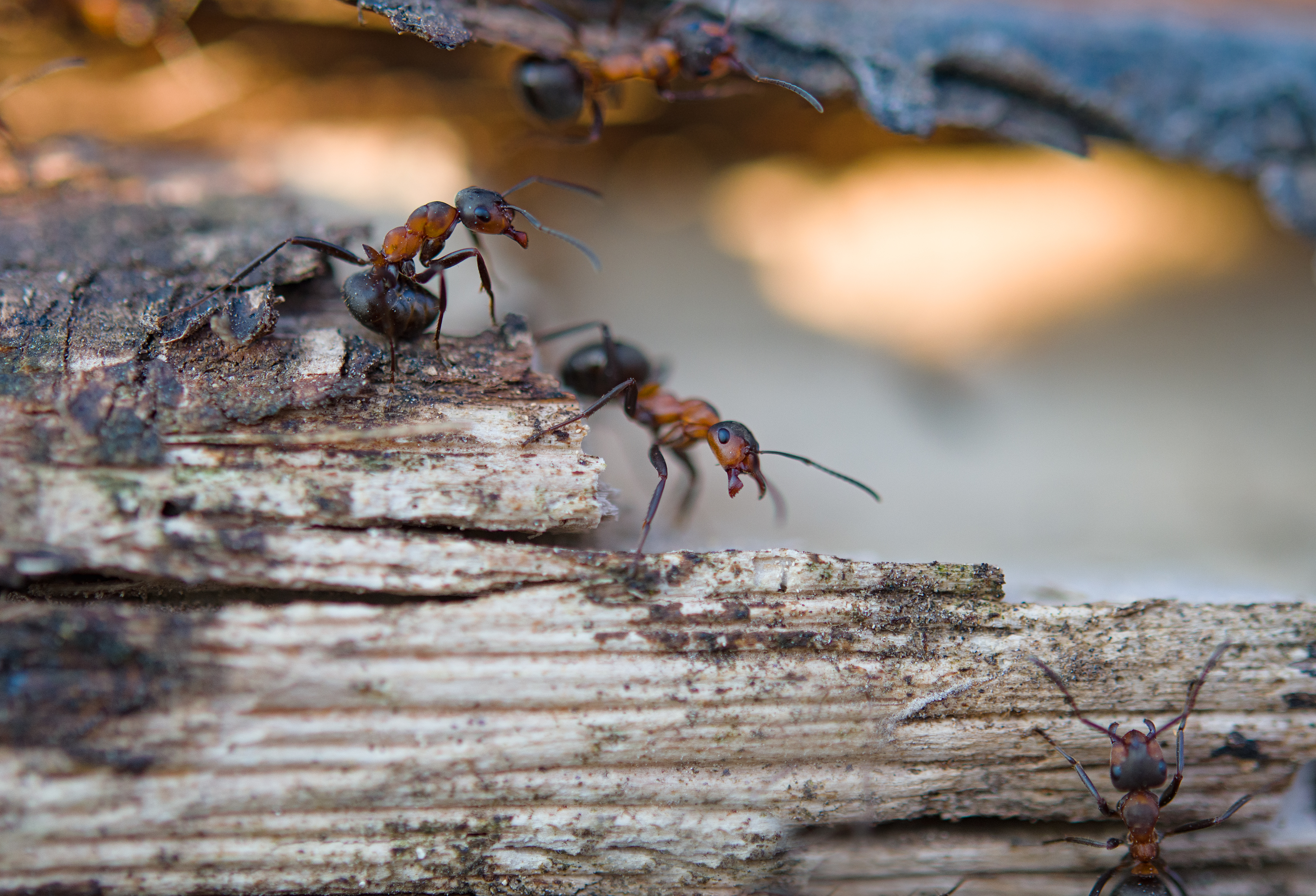
Small dark ants gathered together
Outside

Under mulch, stones and debris

  • Under mulch beds, pavers and landscape stones
  • Under siding, firewood and leaf piles
  • Following tree and shrub branches to aphids

Most colonies start outside. They feed on the sweet honeydew that aphids and other plant-feeding insects leave on shrubs and trees, then follow the foundation into the house.

Cracks and gaps in a wall
Inside

Wall voids near heat and water

  • Behind the dishwasher and under the sink
  • Inside walls near pipes and hot water lines
  • Under floors and behind baseboards

Indoors they choose warm, damp voids close to the kitchen and bathroom. Trails coming out of an outlet, baseboard or pipe gap usually mean a nest in the wall.

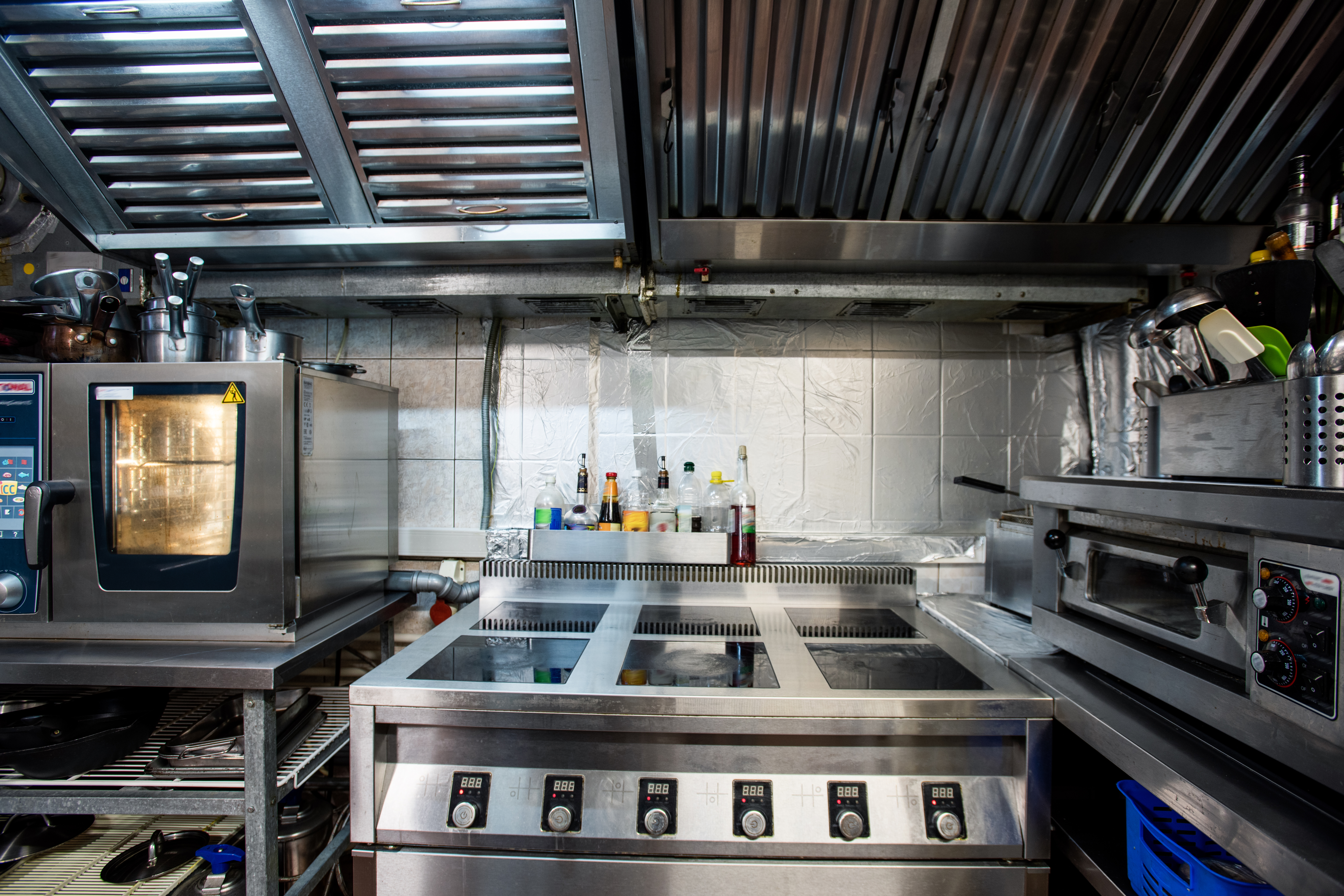
Commercial kitchen with stainless steel equipment
Businesses

Restaurants, cafΓ©s and food shops

  • Trails along prep counters and sinks
  • Around soda and syrup lines
  • In dish areas and storage

Sweet spills, syrups and constant moisture make food businesses easy targets. We treat around your hours and focus on nesting areas, not the dining room.

When odorous house ants come inside in New Jersey

Their activity changes with the weather, and so does the best way to handle them:

WhenWhat the ants are doingWhat we suggest
SpringColonies grow fast and workers start foragingBest time to treat, before trails get big
After heavy rainFlooded outdoor nests push ants indoors in large numbersDon't spray; let us find the nests
SummerHuge outdoor colonies; dry spells send them in looking for waterFix leaks; treat inside and around the foundation
FallAnts look for warm places as nights coolSeal gaps and treat the perimeter
WinterUsually quiet, but colonies in heated walls can stay activeAnts in January usually mean a nest in the house

If ants suddenly appear all at once, our page on why ants show up suddenly explains the usual triggers.

How we get rid of odorous house ants

1

Identify the ant

We confirm it's an odorous house ant and not a pavement, pharaoh or carpenter ant, because each one needs a different approach.

2

Follow the trails

A licensed technician tracks trails inside and outside to find the nests: wall voids, under sinks, mulch beds, stones, siding and the base of shrubs.

3

Treat the colony, not the trail

We use baits and slow-acting, non-repellent treatments placed where the ants feed and travel, inside and around the foundation, so workers carry them back to every nest.

4

Fix the conditions

We show you the moisture, food sources, gaps and landscaping problems that keep bringing them in.

5

Follow up

We check results and adjust where trails are still active. Ongoing seasonal service is available, and regular service comes with a 100% satisfaction guarantee.

What you can do about odorous house ants

🧽

Clean, don't spray

Wipe trails and spills with soapy water to remove their scent paths, but skip repellent sprays near nests and bait.

🍯

Seal the sweets

Keep sugar, honey, syrups, fruit and pet food sealed. Rinse juice and soda containers before recycling.

πŸ’§

Fix leaks

Repair drips under sinks and around dishwashers and keep bathroom areas dry. They need water as much as food.

🌿

Clear the foundation

Pull mulch back, trim shrubs and branches away from the siding and move firewood and stones off the foundation.

Already tried store baits? They can work on a small problem, but only if nothing is sprayed nearby and the bait matches what the ants want. If trails keep coming back, the nests are probably out of reach.

What affects the cost of odorous house ant control

Every quote is free and given after we see the property. These factors make the biggest difference:

FactorSmaller jobBigger job
SpreadOne trail in the kitchenTrails in several rooms or floors
NestsNest found outside near the doorNests inside walls and all around the yard
Past sprayingNothing tried yetRepeated spraying that split the colony
PropertySmall house or apartmentLarge home, multi-family building or business
ServiceTreatment plus follow-upOngoing seasonal service

More on pricing in our ant exterminator cost guide.

Get a Free Ant Control Quote

Tell us where you're seeing the ants, how long it's been going on and what you've tried. A close-up photo helps. We'll give you a free quote and explain the plan.

Why people call us for odorous house ants

  • Trails of tiny ants on the counter and sink
  • Ants coming back every spring
  • Ants after every heavy rain
  • Store sprays made it worse
  • Ants in a restaurant or food shop
πŸ“ž Call 973-510-2585

Request Service

πŸ”’ Your info stays private Β· Hablamos espaΓ±ol.

What's bugging you? - Step 1 of 3

Odorous House Ant Questions

What attracts odorous house ants into the house?

Sweet food and moisture attract odorous house ants. They come in for sugar, fruit, juice and soda spills, pet food and grease, and for water around sinks, dishwashers and bathrooms. Heavy rain flooding their outdoor nests and dry spells both push them indoors. Mulch, shrubs and branches touching the house give them an easy path to get there.

Are odorous house ants harmful?

No, they aren't dangerous to people or pets and they don't damage the house. They don't sting, and their bite is not something people notice. The problem is that they contaminate food and counters, show up in large numbers and are very hard to get rid of without treating the nests. Their smell when crushed is unpleasant but harmless.

Why do odorous house ants smell like coconut?

When they're crushed or disturbed, odorous house ants release chemicals that produce a sour smell many people compare to rotten coconut, blue cheese or old butter. It's a defense scent. The smell is the easiest way to identify them, because other small ants that come into North Jersey kitchens don't have it.

Will vinegar or ant spray get rid of them?

Not for long. Vinegar can wipe away scent trails, and spray kills the ants it hits, but neither reaches the queens or the many connected nests. Repellent sprays can even make the colony split into new nests nearby. Slow-acting baits and non-repellent treatments that ants carry back to the nests are what actually reduce the colony.

How long does it take to get rid of odorous house ants?

Most homes see trails drop off within one to two weeks after the nests are treated, since baits take time to spread through the colony. Large colonies with many nests, or homes where repeated spraying split the colony, can take longer and need a follow-up visit. We'll tell you what to expect after the inspection.

Why do the ants come back every spring?

Because the colony was never fully eliminated, or a new one moved in from the yard. Odorous house ants nest outside under mulch, stones and siding, and they forage again as soon as it warms up. Treating the outdoor nests and the foundation, fixing moisture and pulling mulch back from the house is what stops the yearly cycle.

Is ant treatment safe for kids and pets?

Yes. Baits are placed in cracks, gaps and protected spots where children and pets can't reach them, and outdoor treatments are applied only where needed. Tell us about pets, babies or health concerns before the visit so we can plan placements. Our technicians are EPA pesticide safety certified.

Are odorous house ants the same as sugar ants?

Usually, yes. Sugar ant isn't a real species name. It's a nickname for small ants that go after sweets. In North Jersey, most so-called sugar ants turn out to be odorous house ants. The quick test is to crush one and smell it: a rotten-coconut smell means odorous house ant.

Do odorous house ants damage wood like carpenter ants?

No. Odorous house ants don't chew or hollow out wood. They nest in existing voids, under debris and in soil. Carpenter ants are much bigger and leave sawdust-like shavings near damp wood. If you see large black ants and shavings, see our carpenter ant page, because that problem needs a different treatment.

Where do you offer odorous house ant control?

We're based in Garfield and serve Bergen, Passaic, Essex and Hudson counties, including Garfield, Clifton, Glen Rock, Fair Lawn, Nutley and Edgewater. We also serve towns in Morris and Union counties with visits scheduled ahead. Same-day service is often available in our core area.

ΒΏTratan hormigas pequeΓ±as en la cocina?

SΓ­. Hablamos espaΓ±ol. Las hormigas pequeΓ±as que huelen a coco podrido son hormigas odorΓ­feras. Buscamos los nidos y los tratamos para que no regresen. Llame o mande texto al 973-510-2585 con una foto.

Ant control near you

From our base in Garfield we treat odorous house ants across North Jersey, including:

Our service area

Union County

973-510-2585
  • Berkeley Heights
  • Clark
  • Cranford
  • Elizabeth
  • Fanwood
  • Garwood
  • Hillside
  • Kenilworth
  • Linden
  • Mountainside
  • New Providence
  • Plainfield
  • Rahway
  • Roselle
  • Roselle Park
  • Scotch Plains
  • Springfield
  • Summit
  • Union
  • Westfield

Morris County

973-510-2585
  • Boonton
  • Butler
  • Cedar Knolls
  • Chatham
  • Denville
  • Dover
  • East Hanover
  • Florham Park
  • Hanover
  • Kinnelon
  • Lincoln Park
  • Madison
  • Mendham
  • Montville
  • Morris Plains
  • Morristown
  • Mountain Lakes
  • Parsippany
  • Pequannock
  • Randolph
  • Riverdale
  • Rockaway
  • Roxbury
  • Whippany

Updated November 2026 by the Silver Bullet Pest Control team, Garfield, NJ β€’ NJ License 90568B

Scroll to Top