Silver Bullet Pest Control logoSilver Bullet Pest Control
Pavement & Argentine Ants Β· East Hanover Β· Morris County

Pavement Ant & Argentine Ant Control in East Hanover, NJ

Little piles of sand in the driveway cracks, ants marching across the kitchen floor from under the slab, or trails along the foundation that come back no matter how much you spray? Silver Bullet Pest Control serves East Hanover for pavement ants and Argentine ants. We identify which one you have and treat it the way that species needs.

4.9 stars on Google β€’ NJ License 90568B β€’ 15+ years β€’ Serving Morris County by appointment β€’ Hablamos espaΓ±ol

Text a close-up photo of one ant (next to a coin helps) to 973-510-2585 β€” we'll tell you what it is.

  • βœ“ Same-day appointments often available
  • βœ“ Licensed & insured in NJ
  • βœ“ Homes & businesses
  • βœ“ English & EspaΓ±ol

How do you get rid of pavement ants in East Hanover, NJ?

Pavement ants are controlled by treating the colony under the slab, driveway or patio, not just the ants you see, usually with a slow-acting bait the workers carry back to the nest plus sealing the cracks they use to get inside. Silver Bullet Pest Control serves East Hanover by appointment from our base in Garfield; we identify the ant (pavement ants and Argentine ants need different approaches), find where they enter, and treat the source. NJ License 90568B, 4.9 stars on Google, free quotes. Call or text 973-510-2585.

Which ant is in your house?

Small brown and black ants look alike, but these three behave very differently:

Cracks in concrete where ants can nest and enter
Under concrete

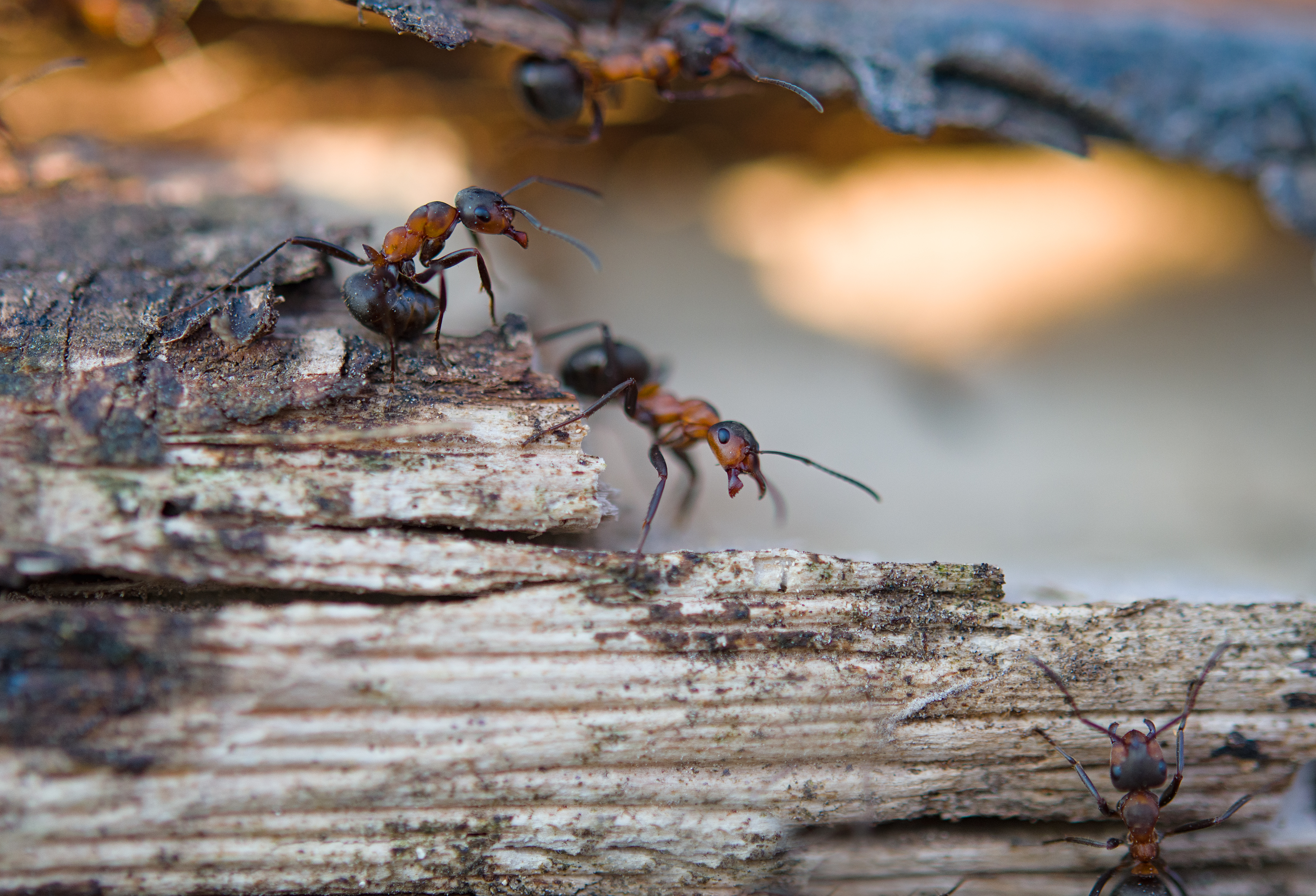
Pavement ants

  • Small dark brown to black ants
  • Little piles of sand or soil along driveway and sidewalk cracks
  • Come up through cracks in the basement or garage floor

Pavement ants nest in the soil under slabs, patios, walkways and driveways. Workers forage inside for crumbs, grease, pet food and sweets. You'll often see them in kitchens and basements that sit on a slab, and sometimes in winter, when the heated floor keeps the colony active.

Trail of small ants
Huge trails

Argentine ants

  • Tiny, light to medium brown
  • Thick, fast trails that run for long distances
  • Show up in big numbers after rain or a dry spell

Argentine ants form enormous colonies with many queens and nest shallowly in mulch, under stones and along foundations. They follow wet weather and food into the house. Store sprays tend to split the colony and make the problem bigger.

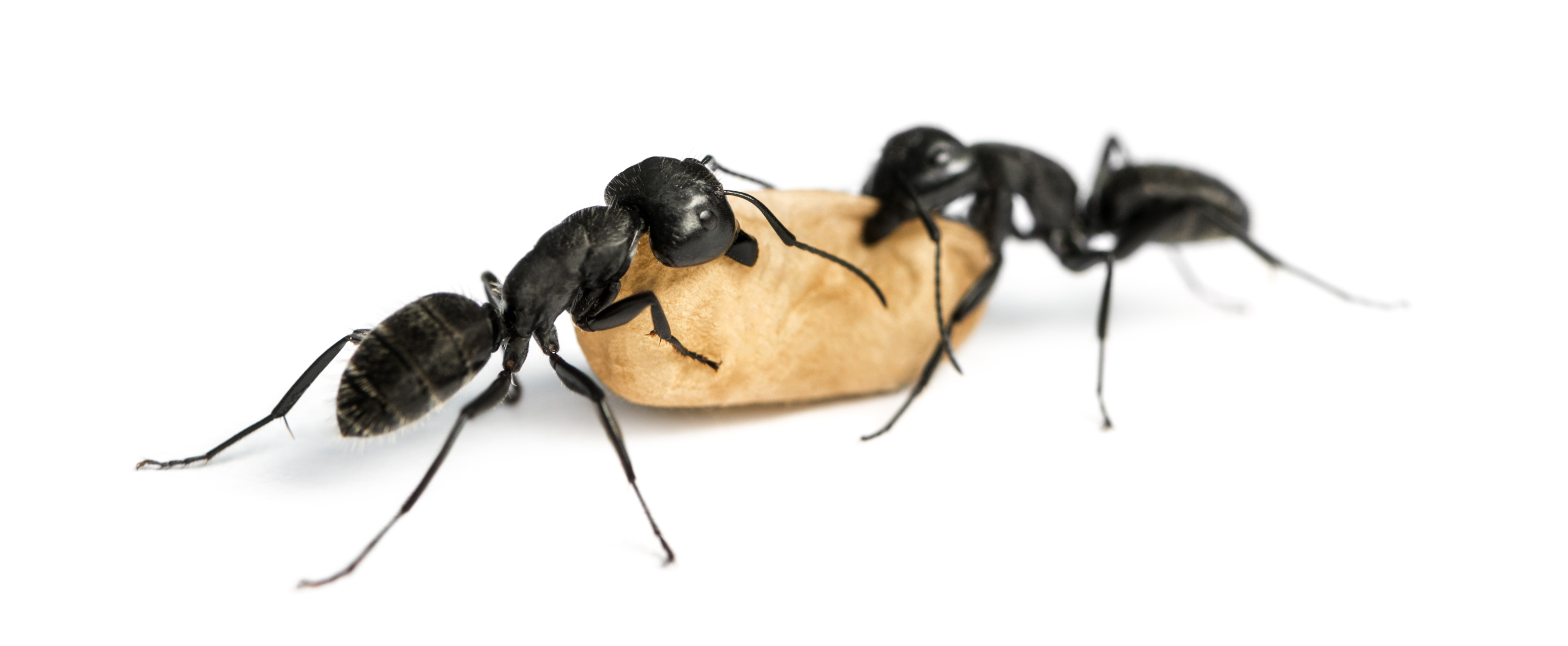
Two large carpenter ants
Not these

Carpenter ants

  • Much larger, black or black-and-red
  • A few at a time, often at night
  • Sawdust-like shavings near wood

If your ants are big, it's probably carpenter ants, which nest in damp or damaged wood. They need a different treatment and can hollow out wood over time. Tell us and we'll check where they're nesting.

Pavement ants vs. Argentine ants, side by side

Pavement antsArgentine ants
Size & colorSmall, dark brown to blackishTiny, lighter brown
Where they nestSoil under slabs, pavers, driveways and sidewalksShallow nests in mulch, leaf litter, under stones and along foundations
Sign outsideSand piles in cracks and between paversWide, busy trails along walls, fences and pipes
Sign insideAnts coming up from floor cracks, garage and basementLong trails across counters, often from a window or door frame
ColonyOne queen, many colonies in a yardMany queens; colonies link up across properties
What makes it worseCracked concrete, food left outMoisture, aphids on plants, and repellent sprays

Can't tell? A clear photo of one ant and its trail is usually enough for us to identify it.

Why pavement ants come up through the slab

East Hanover is mostly single-family homes β€” many post-war ranches, split-levels and colonials β€” with attached garages, concrete driveways, patios and walkways. The town runs along Route 10 and sits on the Passaic River side of Morris County. All that concrete is exactly what pavement ants want to live under: the soil stays warm and protected, and every crack is a door.

  • Expansion joints and settling cracks in garage and basement floors lead straight into the house.
  • Split-levels and slab rooms put a kitchen or family room right on top of the colony.
  • Paver patios have sand joints that ants mine, pushing little piles of sand up between the stones.
  • Utility openings β€” where water lines, gas lines and drains pass through the slab or foundation β€” are easy highways.
  • Heated floors in winter can keep a colony under the house active when ants outside are dormant, so a February ant problem isn't unusual.

You can kill every ant on the floor and still have thousands under the concrete. That's why the colony, not the trail, is the target.

Argentine ants: why spraying backfires

Argentine ants are a newer problem in parts of North Jersey and they catch homeowners off guard because nothing from the hardware store seems to work. Each colony has many queens, and nests link together, so what looks like one trail can be fed by several nests along the foundation and in the beds.

When a repellent spray hits the trail, the ants don't die off as a colony β€” they avoid the treated spot, and the colony can split into new nests nearby. A week later you have trails in two new rooms.

  • Don't spray the trail. Let it run until we've looked at it. The trail shows us where they're coming from.
  • Fix moisture. Leaky hose bibs, wet mulch and gutters overflowing near the foundation keep them close.
  • Look at the plants. Argentine ants farm aphids and scale on shrubs for their honeydew; heavy activity on plants near the house feeds the colony.
  • Be patient with the treatment. Slow-acting products that the ants carry back and share work better than a quick kill, but they take time to reach every nest.

How we treat ants in East Hanover

1

Identify

We confirm the species β€” pavement, Argentine, odorous house, carpenter or something else. The wrong guess means the wrong treatment.

2

Trace the trails

We follow the ants inside and out to find where they nest and where they enter: slab cracks, door thresholds, window frames, pipes, mulch beds.

3

Treat the colony

We choose products for that species and the spot, usually slow-acting baits the workers carry back to the nest, with targeted treatment at entry points and outside where needed.

4

Close the doors

We show you the cracks and gaps to seal and the conditions to change, and follow up if activity continues.

East Hanover visits are scheduled ahead. Ants are a nuisance more than an emergency, so a visit within a few days works for nearly every call.

What you can do while you wait

🧽

Wipe, don't spray

Clean trails with soapy water instead of insect spray. It removes the scent trail without scattering the colony.

πŸ₯£

Take food away

Store sugar, cereal and pet food in sealed containers and pick up pet bowls at night. Pavement ants love grease, so wipe the stovetop and the floor under the toaster.

🌿

Pull mulch back

Keep mulch and plants several inches from the foundation, and keep firewood and stones off the wall where Argentine ants nest.

πŸ’§

Dry it out

Fix dripping hose bibs and point downspouts away from the house. Both ant species follow moisture.

Do pavement ants or Argentine ants damage a house?

No. Pavement ants and Argentine ants don't eat or tunnel into wood, and they don't harm the structure of your home. The worst pavement ants usually do is push sand out from under pavers and walkway joints, which can leave stones uneven over time. The real trouble is ants in food, on counters and in your kids' rooms.

Carpenter ants are different. They nest in wood that's been softened by leaks and hollow it out to make room. If we find carpenter ants in your house, we treat the nest and, where wood has been damaged, our crew can repair it the same way we repair termite damage. Swarms of winged insects in spring could also be termites β€” if you see wings, text us a photo.

More: carpenter ants in Morris County.

What affects the price of ant control

Quotes are free. These change the size of the job:

FactorSmaller jobBigger job
SpeciesPavement ants in one areaArgentine ants with many linked nests
SpreadOne room or the garageSeveral rooms or floors
OutsideA few cracks along one sideTrails around the whole foundation and beds
ConditionsDry, sealed slabMoisture, heavy mulch, many cracks
Follow-upOne visitReturn visit to check and re-treat

Call or text 973-510-2585 with a photo of the ants and where you see them.

Get a Free Ant Control Quote in East Hanover

Send a photo of the ants and tell us where they show up. We'll set up a visit time that works for you.

Why East Hanover calls us for ants

  • Ants coming up through the slab or garage floor
  • Sand piles in the driveway and patio
  • Trails that come back after spraying
  • Not sure if it's ants or termites
  • Want the colony treated, not just the trail
πŸ“ž Call 973-510-2585

Request Service

πŸ”’ Your info stays private Β· Hablamos espaΓ±ol.

What's bugging you? - Step 1 of 3

Ant Questions from East Hanover

How do I get rid of pavement ants for good?

Treat the colony under the concrete, not the ants on the floor, and seal the cracks they use. Slow-acting products that workers carry back to the nest work best.

Why do I have ants in winter?

Pavement ants nesting under a heated slab can stay active all winter. If you see them in January or February, the colony is likely under the house.

Are Argentine ants in New Jersey?

Yes. They've become a problem in parts of North Jersey, including some Morris County towns, and they're harder to control than native ants.

Why did spraying make my ant problem worse?

Repellent sprays can cause many-queen ants like Argentine ants to split into new nests. Wipe trails with soapy water instead and call us.

Do pavement ants damage my house?

No. They don't eat wood. They can push sand out from under pavers, but they don't harm the structure.

What if they're carpenter ants?

Carpenter ants nest in damp wood and can hollow it out. We treat the nest, and our crew can repair damaged wood when needed.

Do you serve East Hanover?

Yes. We're based in Garfield and serve East Hanover and other Morris County towns by appointment.

How many visits will it take?

Many pavement ant jobs need one visit; Argentine ants often need a follow-up because the colony is spread out. We tell you what to expect.

Is the treatment safe for kids and pets?

We explain where and how we treat and any precautions before we start.

Are you licensed?

Yes. Silver Bullet Pest Control holds NJ License 90568B and has over 15 years of experience.

ΒΏHablan espaΓ±ol?

SΓ­. Hablamos espaΓ±ol. Mande una foto de las hormigas al 973-510-2585 y le decimos quΓ© son.

Ant control in Morris County and nearby

We serve East Hanover and these towns by appointment.

Updated November 2026 by the Silver Bullet Pest Control team, Garfield, NJ β€’ NJ License 90568B

Scroll to Top