Silver Bullet Pest Control logoSilver Bullet Pest Control
Argentine & Trailing Ants Β· Norwood Β· Bergen County

Argentine Ant Control in Norwood, NJ

Thousands of tiny brown ants marching along the baseboard, up the kitchen cabinets and into the pantry, and they're back a day after you wipe them up? That's the classic picture of Argentine ants and the look-alike trailing ants we see across Bergen County. Silver Bullet Pest Control identifies the ant first, then uses a bait-based plan built for colonies with many queens, so the trails stop instead of splitting into new ones.

4.9 stars on Google β€’ NJ License 90568B β€’ 15+ years β€’ Serving all of Bergen County β€’ Hablamos espaΓ±ol

Text a close-up photo of a few ants to 973-510-2585. Tiny brown trailing ants are easy to mix up, and the right ID changes the plan.

How do you get rid of Argentine ants in Norwood, NJ?

Argentine ants in Norwood are controlled with slow-acting baits that workers carry back to every nest and queen, combined with treating entry points and removing the moisture and food that draw them in; repellent sprays usually make them worse by splitting the colony. Because Argentine ants are a warm-climate species and less common in North Jersey than look-alikes such as odorous house ants, the first step is a correct identification. Silver Bullet Pest Control identifies the ant and builds the plan around it. NJ License 90568B, 4.9 stars on Google, free quotes. Call or text 973-510-2585.

Is it really an Argentine ant? The look-alikes

Argentine ants are originally from South America and do best in mild climates. In North Jersey they're far less common than other tiny trailing ants, so we always confirm before treating:

Argentine antOdorous house antPharaoh antPavement ant
Size & colorTiny, light to dark brown, all one sizeTiny, dark brown to blackVery tiny, yellowish to light brownSmall, dark brown to black
Smell when crushedFaint, mustyStrong rotten-coconut smellLittle or noneLittle or none
TrailsWide, busy highways, often in the thousandsLong trails to sweets and waterThin trails, often near heat and plumbingTrails from cracks in slabs
NestsMany shallow nests linked together outdoorsMany nests, outdoors and in wallsIndoors in warm wall voidsUnder concrete, with sand piles
PlanBaits, no repellent spraysBaits, no repellent spraysBaits only, never sprayBaits and crack treatment

Odorous house ants and pharaoh ants act a lot like Argentine ants and are treated in a similar, bait-first way. That's why the photo matters. See pharaoh ants.

What Norwood homeowners usually notice

Trailing ants show up in a few predictable ways:

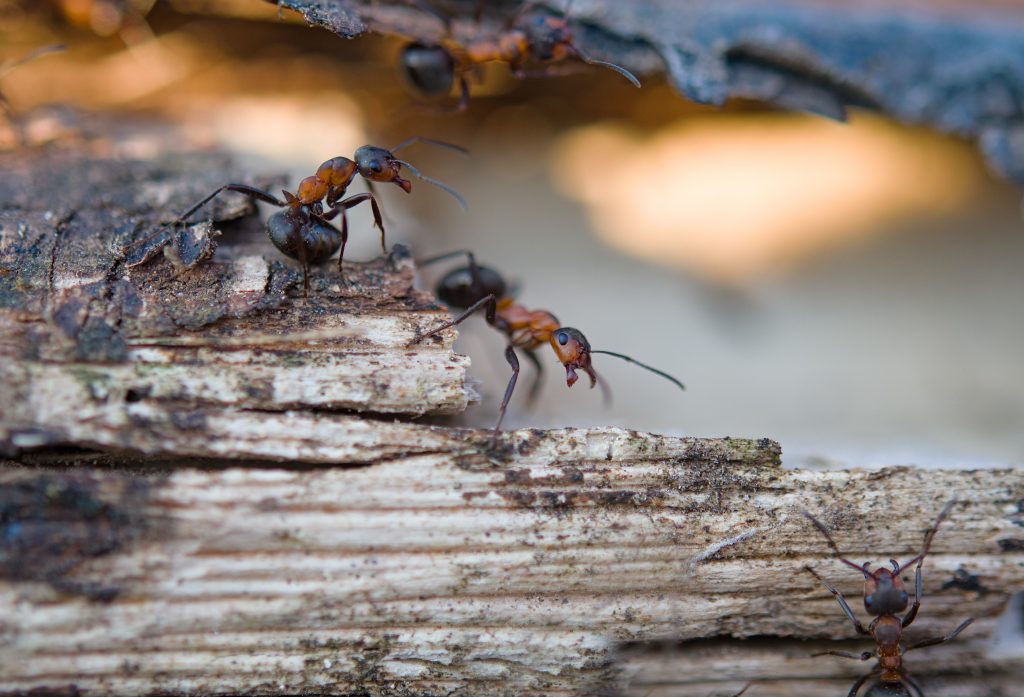
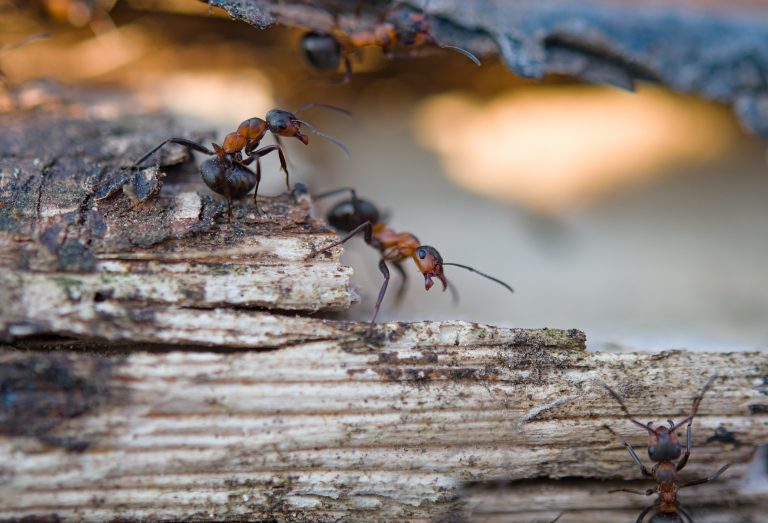
A cluster of small dark ants
Indoors

Trails along edges

  • Ants following baseboards, countertop seams and cabinet edges
  • Trails to sugar, fruit, pet food and trash
  • Back the next day after cleaning

Trailing ants lay down a scent path and follow it closely, so you'll see them along edges and seams rather than wandering across the middle of a floor.

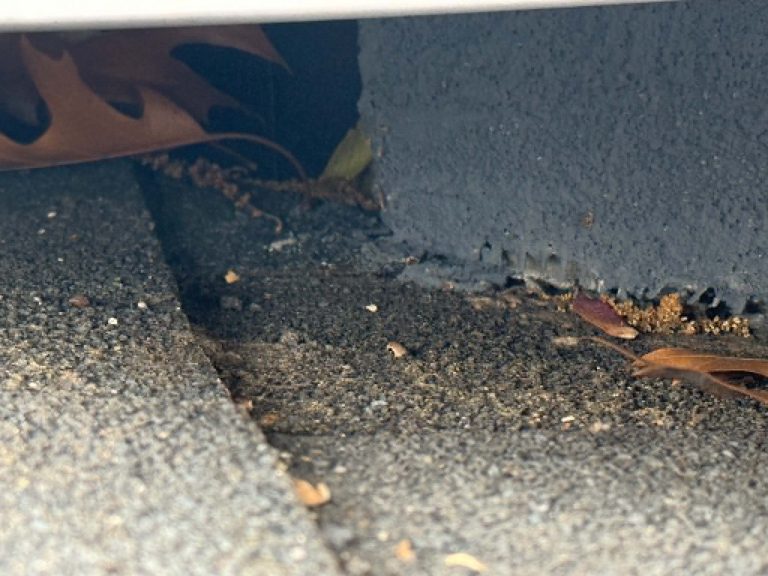
Cracks in a concrete foundation wall
Entry points

Coming through gaps

  • Ants pouring from a crack, window track or outlet
  • Activity near the sink, dishwasher or bathroom
  • Trails up the siding to a window

Tiny ants get in through hairline foundation cracks, gaps around pipes and wires, window and door frames, and expansion joints in patios and garage floors.

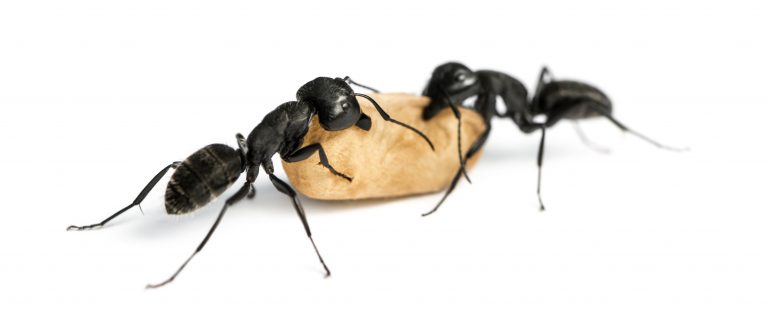
Two large carpenter ants
Different problem

Big black ants

  • Much larger ants, seen one or a few at a time
  • Sawdust-like shavings
  • Active at night

If the ants are large and black, they aren't Argentine ants. Carpenter ants nest in damp wood and need a different treatment.

Why Argentine ant colonies are so hard to stop

Most ants people deal with have one queen and one nest. Argentine ants work differently:

  • Many queens, many nests. A single colony can have a large number of queens spread across many shallow nests that cooperate with each other instead of fighting.
  • They move fast. When a nest is disturbed, flooded or sprayed, the ants simply pack up and relocate, sometimes into a wall or a potted plant.
  • Splitting is easy. A stressed colony can bud off into new nests with their own queens. Spraying one trail can turn one problem into several.
  • Huge numbers of workers. Killing thousands of foragers barely dents a colony that keeps producing more.

What works is getting the colony to feed itself the treatment. Slow-acting bait gives workers time to carry it back and share it with the queens and young in every connected nest.

Where trailing ants get into Norwood homes

Norwood is a quiet residential borough in Bergen County's Northern Valley, made up mostly of single-family homes on leafy, often wooded lots. That setting gives trailing ants a lot of places to live right next to the house:

  • Mulch beds and foundation plantings pressed up against the siding. Shallow ant nests love the warm, damp layer under mulch.
  • Patios, walkways and garage slabs, with cracks and joints the ants use as tunnels.
  • Shrubs and trees touching the house, which act as bridges to windows and rooflines. Aphids on landscape plants also feed ants honeydew.
  • Potted plants brought in for winter and plants from outside the area. Warm-climate ants can travel in soil and containers, which is one way they end up indoors.
  • Kitchens, sunrooms and bathrooms where water and food are steady and the temperature stays warm.

Restaurants, offices and stores get trailing ants too. See commercial pest control.

Four things that make trailing ants worse

🚫

Spraying the trail

Repellent sprays kill the ants you see and push the rest into new nests. It's the most common reason a small problem gets bigger.

🧽

Cleaning around the bait

Bleach and strong cleaners wipe out the scent trail ants use to find bait. Clean the counters, but leave bait spots alone.

πŸ”„

Switching products every few days

Bait takes time. Changing products constantly means the colony never gets a full dose.

πŸͺ΄

Moving infested pots inside

Check the soil of potted plants before bringing them in for the season.

How we get rid of Argentine and trailing ants

1

Identify the ant

From your photo or on site, we confirm the species. Argentine, odorous house and pharaoh ants each have their own quirks.

2

Map the trails

We follow trails inside and out to find where they enter and where the outdoor nests are: mulch, slabs, plantings, window frames.

3

Bait indoors and out

Slow-acting baits go along active trails and near nests so workers carry them back to every queen. No repellents where baits are working.

4

Cut off the supply

We point out entry gaps, moisture, plants touching the house and food sources, and can seal openings. Follow-up is scheduled if the colony needs it.

We explain where and how we treat, and any precautions for kids and pets, before we start. For year-round help, ask about recurring home pest control, which comes with a 100% satisfaction guarantee.

Trailing ants through the year in Bergen County

SeasonWhat the ants are doingWhat helps
SpringColonies wake up and send out foragers; trails appear along the foundation and in kitchensStart baiting early while colonies are small
SummerPeak activity; big trails after heavy rain or dry spellsKeep baits stocked, fix leaks, trim plants off the house
FallAnts look for warm, protected spots and come indoorsSeal gaps, check potted plants before bringing them in
WinterOutdoor activity drops; indoor activity means a nest insideCall if you see trails indoors in winter

Indoor ant trails in January or February usually mean the ants are nesting inside the walls, not coming in from outside.

What affects the price of ant control in Norwood

The quote is free. These change the size of the job:

FactorSmaller jobBigger job
SpeciesOne outdoor colony of a common antArgentine or pharaoh ants with many nests
SpreadOne roomKitchen, baths and several rooms
HistoryNew this seasonMonths of sprays that split the colony
PropertySmall lot, little mulchLarge wooded lot, lots of plantings and slabs
Follow-upOne visitReturn visits to finish the colony

Call or text 973-510-2585 with a photo. For a fuller explanation, see what an ant exterminator costs.

Get a Free Ant Control Quote in Norwood

Send a close-up photo of a few ants and tell us where the trails are. We'll identify them and explain the plan.

Why Norwood homeowners call us

  • Huge trails of tiny brown ants in the kitchen
  • Ants back the day after cleaning
  • Sprays made the problem spread
  • Ants coming in from mulch, patios or window frames
  • Want a correct ID before treating
πŸ“ž Call 973-510-2585

Request Service

πŸ”’ Your info stays private Β· Hablamos espaΓ±ol.

What's bugging you? - Step 1 of 3

Argentine Ant Questions from Norwood

Are Argentine ants common in New Jersey?

They're a warm-climate ant and much less common in North Jersey than odorous house ants or pavement ants, which look and act similar. A photo is the quickest way to know which you have.

How can I tell an Argentine ant from an odorous house ant?

Both are tiny, brown and trail in big numbers. Odorous house ants give off a strong rotten-coconut smell when crushed; Argentine ants smell faint and musty at most.

Why do the ants come back after I spray?

Spray kills the workers you see but not the queens, and it can make many-queen colonies split into new nests.

How long does ant bait take to work?

Usually several days to a couple of weeks, depending on the species and how big the colony is. Fewer ants on the bait over time is the sign it's working.

Should I kill the ants that are eating the bait?

No. Let them feed and carry it home. That's how the bait reaches the queens.

Do Argentine ants bite or damage the house?

They aren't known for biting people and they don't damage wood. They're a nuisance and contaminate food.

Can ants come in on potted plants?

Yes. Check pots and soil before bringing plants indoors for the winter.

Is ant treatment safe for kids and pets?

We explain where and how we treat and any precautions before we start, and place baits with kids and pets in mind.

Do you serve Norwood?

Yes. We're based in Garfield and serve all of Bergen County, including Norwood and the Northern Valley. Same-day visits are often available.

Are you licensed?

Yes. Silver Bullet Pest Control holds NJ License 90568B and has over 15 years of experience.

ΒΏHablan espaΓ±ol?

SΓ­, hablamos espaΓ±ol. Mande una foto de las hormigas al 973-510-2585.

Ant control near Norwood

We serve Norwood, the Northern Valley and the rest of Bergen County.

Our service area

Union County

973-510-2585
  • Berkeley Heights
  • Clark
  • Cranford
  • Elizabeth
  • Fanwood
  • Garwood
  • Hillside
  • Kenilworth
  • Linden
  • Mountainside
  • New Providence
  • Plainfield
  • Rahway
  • Roselle
  • Roselle Park
  • Scotch Plains
  • Springfield
  • Summit
  • Union
  • Westfield

Morris County

973-510-2585
  • Boonton
  • Butler
  • Cedar Knolls
  • Chatham
  • Denville
  • Dover
  • East Hanover
  • Florham Park
  • Hanover
  • Kinnelon
  • Lincoln Park
  • Madison
  • Mendham
  • Montville
  • Morris Plains
  • Morristown
  • Mountain Lakes
  • Parsippany
  • Pequannock
  • Randolph
  • Riverdale
  • Rockaway
  • Roxbury
  • Whippany

Updated November 2026 by the Silver Bullet Pest Control team, Garfield, NJ β€’ NJ License 90568B

Scroll to Top