
 Silver Bullet Pest Control
Signs of Carpenter Ants in the House (and What They Mean)
Found a pile of what looks like sawdust, a big black ant on the counter, or a few winged ants by the window? Here's how to read the signs of carpenter ants, which ones mean a nest is inside your walls, and when it's time to call a professional.
4.9 stars on Google • NJ License 90568B • 15+ years • Based in Garfield • Hablamos español
Text a photo of the ant or the sawdust pile to 973-510-2585. We'll tell you what it is.
- ✓ Same-day appointments often available
- ✓ Licensed & insured in NJ
- ✓ Homes & businesses
- ✓ English & Español
What are the signs of carpenter ants in the house?
The main signs of carpenter ants in the house are large black ants (about 1/4 to 1/2 inch) indoors, small piles of sawdust-like shavings called frass, winged ants near windows in spring, and faint rustling inside walls at night. Seeing them indoors in late winter, or seeing frass, usually means a nest is inside the structure rather than outside. If you notice two or more of these signs, it's worth having the house inspected.
The 6 main signs of carpenter ants
Any one of these is worth watching. Two or more together is a strong hint of a nest in the house:
Big black ants inside
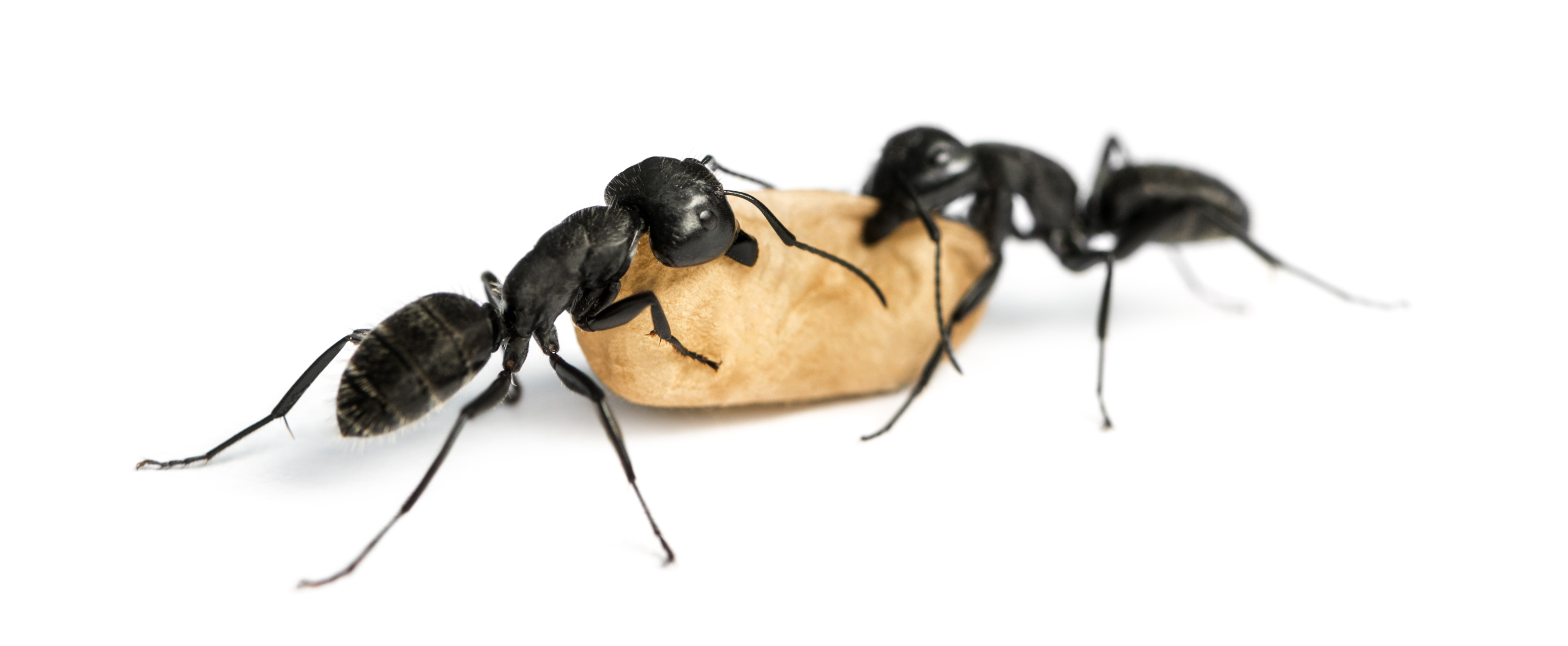
Carpenter ants are the largest ants most NJ homeowners see — up to about half an inch, black or black-and-red, with workers in mixed sizes.
Sawdust piles (frass)
Small cones of fine, light shavings under a window, baseboard, door frame or deck board, often with bits of dead ants mixed in.
Winged ants in spring
Swarmers indoors near windows and lights. Winged carpenter ants inside usually come from a mature colony in or near the house.
Rustling in the walls
A faint crinkling or tapping sound in a wall or ceiling on a quiet night, as ants move and chew.
Trails at night
Lines of large ants along baseboards, pipes, the top of the foundation or the deck rail after dark.
Hollow or soft wood
Wood that sounds hollow when tapped, or feels soft, near a window, sill, door or bathroom.
None of these alone proves an indoor nest. A carpenter ant wandering in from a tree in summer is common. What matters is the pattern — where, when and how often you see them.
Carpenter ant frass vs. termite signs vs. rot
The debris tells you a lot. Here's how to tell what made it:
| Look at | Carpenter ants | Termites | Wood rot |
|---|---|---|---|
| Debris | Fine, fibrous shavings like pencil sharpener dust, often with ant body parts | No sawdust piles; soil and mud packed into the wood | Crumbly, dark, damp wood; no piles |
| Tunnels | Smooth, clean galleries that look sanded | Rough tunnels filled with mud, following the grain | No tunnels, just soft or cracked wood |
| Outside the wood | Ants walking in and out of small slits | Pencil-width mud tubes on foundation walls | Moisture stains, fungus or mold |
| Winged insects | Pinched waist, bent antennae, longer front wings | Thick waist, straight antennae, four equal wings | None |
| Next step | Find and treat the nest, fix the moisture | Get a termite inspection | Fix the water source and replace the wood |
See carpenter ants vs. termites and termite mud tubes for photos and more detail. If you think it's termites, go straight to our termite inspection page.
Where to look for carpenter ant signs
Carpenter ants follow moisture. Check these spots first:
Windows, doors and sills
- Frass on the sill or below the frame
- Ants at the corners of the frame
- Peeling paint or soft wood
Wooden windows and exterior doors take on water every storm. Look on the sill, on the floor below the window, and in the track of sliding doors.
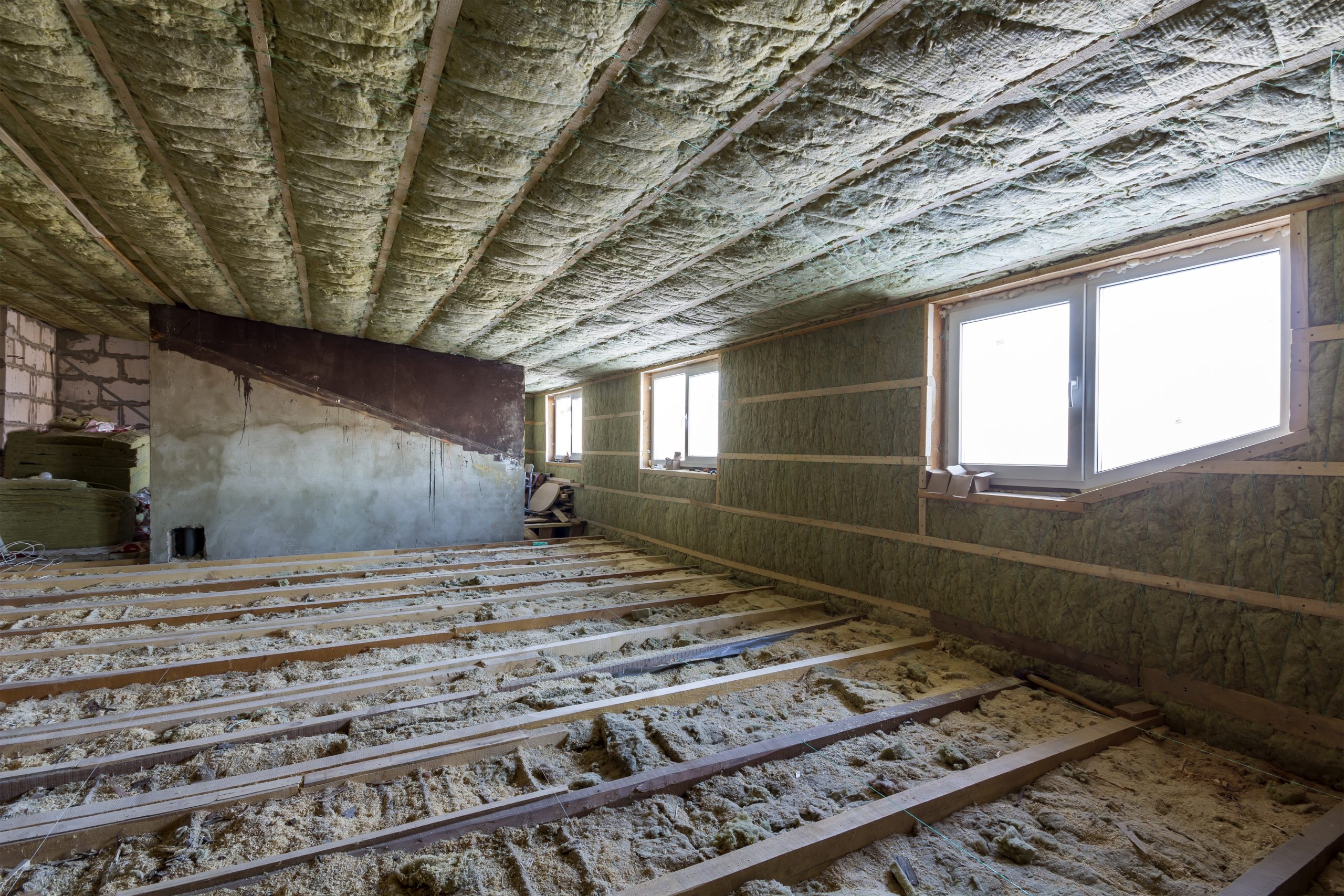
Attic, roof edges and bathrooms
- Ants in upstairs rooms
- Frass in the attic near the eaves
- Water stains around the tub or toilet
Leaking flashing, overflowing gutters and slow bathroom leaks keep wood wet in places you rarely see. Shine a light along the eaves and check under bathroom vanities.

Basement, sill plate and outside
- Frass along the top of the foundation
- Ants on porch posts or deck rails
- Stumps or firewood near the house
The sill plate where the house sits on the foundation, plus decks, porches and old stumps outside, are classic nest sites — and the trail into the house often starts here.
The flashlight check: how to find where they're coming from
Wait until dark
Carpenter ants forage mostly at night in warm months. Give it an hour or two after sunset.
Watch the hot spots
Use a flashlight (a red filter disturbs them less) near the kitchen, the windows where you found frass and the deck or porch.
Follow a worker
Track one ant carrying food. Where it disappears — a gap in trim, an outlet, a crack in the foundation — is close to a nest or a trail into one.
Take photos and notes
Note the spot, the time and the date. That saves a lot of time when a technician comes out.
Don't spray what you find. It kills the few ants you see, scatters the rest and makes the trail harder to follow during an inspection.
I saw one carpenter ant — do I have an infestation?
Not necessarily. Carpenter ant workers travel a long way to find food, and one walking across the floor in July may have come in from a tree in the yard. Here's how to read it:
- One or two ants in summer, then nothing — probably foragers from outdoors. Keep an eye out.
- Several ants indoors most nights — there's an established trail, and the nest may be in or next to the house.
- Ants indoors in late winter or early spring — before it's warm outside, this usually means the nest is in the heated part of the house.
- Winged ants inside — a mature colony is close by, often inside a wall. Colonies usually take a few years to grow large enough to swarm.
- Frass anywhere — ants are actively digging nearby. That's an indoor nest until proven otherwise.
If you're seeing smaller ants instead, it's a different problem — see why ants show up in the house suddenly or tiny black ants.
How serious is it? A quick guide
| What you're seeing | Likely situation | What we'd suggest |
|---|---|---|
| A single ant now and then in summer | Foragers from outdoors | Trim branches, move firewood, watch for more |
| Ants on the deck, porch or a stump | Outdoor colony close to the house | Remove the wood if you can; consider an exterior treatment |
| Nightly trails into the kitchen | Established trail, nest nearby | Inspection to find the nest |
| Frass under a window or baseboard | Active nest in that area | Inspection and nest treatment soon |
| Winged ants or winter activity indoors | Mature colony inside the structure | Inspection and treatment, plus a look for wood damage |
Carpenter ants work slowly, so this isn't usually an emergency — but a nest left for years in wet wood can weaken framing. We can repair damaged wood ourselves after treatment, the same way we handle termite damage repair.
What to do if you find signs of carpenter ants
- Save a sample. Put an ant or a pinch of frass on clear tape or in a zip bag. A photo texted to 973-510-2585 is often enough for us to identify it.
- Skip the spray. Repellent sprays kill a few foragers and make the colony harder to find.
- Look for water. Check the window, roof edge, bathroom or plumbing near where you found signs. Fixing a leak is part of the cure.
- Clean up the outside. Move firewood away from the house, trim branches touching the roof, and pull mulch back from the siding.
- Book an inspection if you see frass, winged ants, winter activity or nightly trails.
When we come out, we confirm the ant, track the trails inside and out, treat the colony where it lives and point out what drew it in. Full details are on our carpenter ant control page.
Related ant and termite guides
Not Sure What You're Seeing? Get a Free Quote
Text a photo of the ant, the sawdust or the damaged wood. We'll identify it and tell you whether it needs treatment.
Common reasons people call
- Sawdust piles under a window or baseboard
- Big black ants in the kitchen at night
- Winged ants inside in spring
- Rustling sounds in a wall
- Soft or hollow-sounding wood
Request Service
🔒 Your info stays private · Hablamos español.
Carpenter Ant Signs: Common Questions
What does carpenter ant damage look like?
Carpenter ant damage looks like smooth, clean tunnels inside the wood, almost as if it was sanded, with small slit openings on the surface. Nearby you'll usually find piles of fine shavings called frass. Termite damage, by contrast, is packed with mud and soil, and simple rot is soft and crumbly with no tunnels at all.
Does one carpenter ant mean an infestation?
No, one carpenter ant doesn't always mean an infestation. In summer, workers forage long distances and may wander in from a tree or stump outside. Several ants indoors most nights, ants inside in late winter, winged ants inside or any frass are stronger signs that a nest is in or attached to the house.
Can you hear carpenter ants in the walls?
Yes, sometimes you can hear carpenter ants in the walls. With a large nest, people describe a faint rustling or crinkling sound, like crumpling cellophane, especially at night when the house is quiet. Tapping the wall can make it louder for a moment. Hearing it means the nest is likely right there and worth an inspection.
What time of year do carpenter ants come out?
In New Jersey, carpenter ants are most active from spring through summer, with winged swarmers usually seen in spring. Activity drops outdoors in fall and winter. If you see carpenter ants indoors during winter or very early spring, that usually points to a nest inside the heated part of the house.
What does carpenter ant frass look like?
Carpenter ant frass looks like coarse sawdust or pencil shavings, light tan to white, piled in small cones. It often contains bits of dead ants and insect parts, which is a key clue. It shows up below the spot where ants are pushing debris out of their galleries, like under a window frame, baseboard or deck board.
How can I tell carpenter ants from termites?
Carpenter ants have a pinched waist, bent antennae and, when winged, front wings longer than the back ones. Termites have a thick waist, straight antennae and four equal wings. Carpenter ants leave sawdust piles; termites leave mud tubes and soil-packed wood. When in doubt, text us a photo and we'll tell you.
Are carpenter ants dangerous to people?
Carpenter ants aren't dangerous to people. They can give a pinch if handled, but they don't sting and aren't known to spread disease. The concern is the house: a colony nesting in wet wood for years can hollow out window frames, sills, decks and framing, which is why it's worth stopping them early.
Do carpenter ants mean I have water damage?
Often, yes. Carpenter ants prefer wood that's damp or already softened, so an indoor nest usually sits near a leak — a window, roof edge, bathroom, dishwasher line or gutter that overflows. Finding the moisture is part of solving the problem, and fixing it makes the house much less attractive to future colonies.
Should I call an exterminator for carpenter ants?
Call if you see frass, winged ants indoors, ants inside in winter, or nightly trails that don't stop. Those signs usually mean the nest is in the house, and store sprays rarely reach it. We serve Bergen, Passaic, Essex and Hudson counties from Garfield, quotes are free, and you can text a photo first.
¿Cuáles son las señales de hormigas carpinteras en la casa?
Hormigas negras grandes dentro de la casa, montoncitos de aserrín, hormigas con alas en primavera y ruidos en las paredes de noche. Mande una foto al 973-510-2585 — hablamos español.
We check for carpenter ants across North Jersey
Based in Garfield and serving Bergen, Passaic, Essex and Hudson counties, including:
Our service area
Bergen County
973-510-2585- Allendale
- Bergenfield
- Bogota
- Carlstadt
- Cliffside Park
- Closter
- Cresskill
- Demarest
- Dumont
- East Rutherford
- Edgewater
- Elmwood Park
- Emerson
- Englewood
- Englewood Cliffs
- Fair Lawn
- Fairview
- Fort Lee
- Franklin Lakes
- Garfield
- Glen Rock
- Hackensack
- Harrington Park
- Hasbrouck Heights
- Haworth
- Hillsdale
- Ho-Ho-Kus
- Leonia
- Little Ferry
- Lodi
- Lyndhurst
- Mahwah
- Maywood
- Midland Park
- Montvale
- Moonachie
- New Milford
- North Arlington
- Northvale
- Norwood
- Oakland
- Old Tappan
- Oradell
- Palisades Park
- Paramus
- Park Ridge
- Ramsey
- Ridgefield
- Ridgefield Park
- Ridgewood
- River Edge
- River Vale
- Rochelle Park
- Rutherford
- Saddle Brook
- Saddle River
- South Hackensack
- Teaneck
- Tenafly
- Teterboro
- Upper Saddle River
- Waldwick
- Wallington
- Washington Township
- Westwood
- Woodcliff Lake
- Wood-Ridge
- Wyckoff
Passaic County
973-510-2585- Bloomingdale
- Clifton
- Haledon
- Hawthorne
- Little Falls
- North Haledon
- Passaic
- Paterson
- Pompton Lakes
- Prospect Park
- Ringwood
- Totowa
- Wanaque
- Wayne
- West Milford
- Woodland Park
Essex County
973-510-2585- Belleville
- Bloomfield
- Caldwell
- Cedar Grove
- East Orange
- Essex Fells
- Fairfield
- Glen Ridge
- Irvington
- Livingston
- Maplewood
- Millburn
- Montclair
- Newark
- North Caldwell
- Nutley
- Orange
- Roseland
- Short Hills
- South Orange
- Verona
- West Caldwell
- West Orange
Hudson County
973-510-2585Union County
973-510-2585- Berkeley Heights
- Clark
- Cranford
- Elizabeth
- Fanwood
- Garwood
- Hillside
- Kenilworth
- Linden
- Mountainside
- New Providence
- Plainfield
- Rahway
- Roselle
- Roselle Park
- Scotch Plains
- Springfield
- Summit
- Union
- Westfield
Morris County
973-510-2585- Boonton
- Butler
- Cedar Knolls
- Chatham
- Denville
- Dover
- East Hanover
- Florham Park
- Hanover
- Kinnelon
- Lincoln Park
- Madison
- Mendham
- Montville
- Morris Plains
- Morristown
- Mountain Lakes
- Parsippany
- Pequannock
- Randolph
- Riverdale
- Rockaway
- Roxbury
- Whippany
Updated November 2026 by the Silver Bullet Pest Control team, Garfield, NJ • NJ License 90568B