Silver Bullet Pest Control logoSilver Bullet Pest Control
Termite guide Β· Bait stations or liquid? Β· North Jersey

Termite Bait Stations vs. Liquid Treatment: Which Is Right for Your Home?

Two companies, two different plans β€” one wants to trench and treat the soil, the other wants to put stations in the yard. Here's a fair, plain-English comparison of termite bait stations and liquid treatment, so you can ask the right questions before you sign anything.

4.9 stars on Google β€’ NJ License 90568B β€’ 15+ years β€’ Based in Garfield, NJ β€’ Hablamos espaΓ±ol

Found mud tubes or wings? Text a photo to 973-510-2585 and we'll tell you what you're looking at.

Termite bait stations vs. liquid treatment: what's the difference?

Termite bait stations vs. liquid treatment comes down to speed and upkeep: a liquid treatment puts a long-lasting treated zone in the soil around and under the foundation and usually stops an active infestation within weeks to a few months, while bait stations are set in the ground around the house and wipe out the colony slowly, often over several months, and must be checked and maintained for as long as you rely on them. Both can work well when done right; the best choice depends on your foundation, slab, wells or water nearby, and whether termites are active now. Call or text 973-510-2585 and ask us which fits your home.

Bait stations vs. liquid termite treatment, side by side

Liquid soil treatmentTermite bait stations
How it worksA termiticide is applied to the soil along the foundation (trenching, rodding, and drilling through slabs where needed)Stations go in the ground around the house; termites feed on a slow-acting bait and share it with the colony
Speed on an active infestationUsually faster β€” activity often stops within weeks to a few monthsSlower β€” termites have to find the stations first; colony elimination often takes months
What it targetsTermites that contact the treated soil (modern non-repellent products are also passed between termites)The colony itself, through shared bait
DisruptionDigging along the foundation; drilling and patching through concrete at porches, garages and slab areasSmall holes in the yard for stations; little or no drilling
Ongoing upkeepLow after the job is done; periodic inspections recommendedHigh β€” stations need regular checks and bait replacement for as long as you use them
Hard spotsWells, cisterns, high water tables, finished basements and hard-to-reach crawlspacesAreas with lots of concrete and no soil access; very active infestations already inside

Neither method fixes damaged wood or the moisture that drew termites in. Those are separate steps β€” more on that below.

How liquid termite treatment works

Eastern subterranean termites β€” the termite in North Jersey β€” live in the soil and travel up into the house through cracks, expansion joints, hollow block walls and wood touching the ground. A liquid treatment puts a termiticide exactly where they travel: in the soil.

  • Trenching and rodding along the outside of the foundation, so the soil next to the wall is treated from the surface down toward the footing.
  • Drilling through concrete β€” garage floors, stoops, patios and basement slabs β€” so the soil underneath can be treated, then patching the holes.
  • Treating hollow block walls or other voids where the house design calls for it.

Older termiticides were mostly repellent: termites avoided the treated soil. Many modern products are non-repellent β€” termites can't detect them, tunnel through, and pick up a dose they carry and transfer to others. That's a big part of why liquid treatments today are effective on active infestations.

The main downside is the work itself: it's labor-heavy, it means digging and drilling, and it has to be done carefully near wells, drains and water. See our honest answer on whether termite spray works for more.

How termite bait stations work

A bait system uses stations installed in the soil around the house at intervals. Foraging termites find a station, feed on the bait inside, and bring it back to the colony. The active ingredient is typically a growth regulator that keeps termites from molting properly, so the colony declines over time.

What people like about baiting:

  • Very little drilling or trenching, and far less product in the soil.
  • It goes after the colony rather than just blocking termites out.
  • It can be a good option where liquid treatment is difficult, like near a well or a stream bank.

The honest drawbacks:

  • It's slow. Termites have to find the stations on their own, which can take a while β€” and the damage clock keeps running.
  • It only works if it's maintained. Stations need regular checks and bait replacement. Skipped visits or empty stations mean no protection.
  • Ongoing cost. Baiting is usually tied to a service plan for as long as you use it.

Many professionals combine methods β€” for example, spot-treating an active area with liquid and using bait or monitoring elsewhere. Ask us which approach fits your house.

Which termite treatment fits your home?

A few common North Jersey situations and which way they usually lean:

🏚️

Active swarm or mud tubes inside

When termites are already in the house, most homeowners want activity stopped fast. That usually points toward a liquid treatment of the affected areas, at least.

πŸ’§

Well, stream or high water table

Soil treatment near water has limits. Baiting, or a careful combination, may be the better route on these lots.

🧱

Lots of slab, stoops and additions

Older homes with garages, porches and add-on rooms have many slab edges. Liquid means more drilling; ask how each joint and addition would be handled.

🏠

No activity, just want protection

For prevention, either can work. The question is whether you'd rather do a one-time job or keep a station-monitoring schedule.

Buying or selling? Lenders sometimes require a termite inspection. See termite inspections for buyers and sellers.

First, make sure it's termites

Treatment choice doesn't matter if the bug isn't a termite. These are the signs we check:

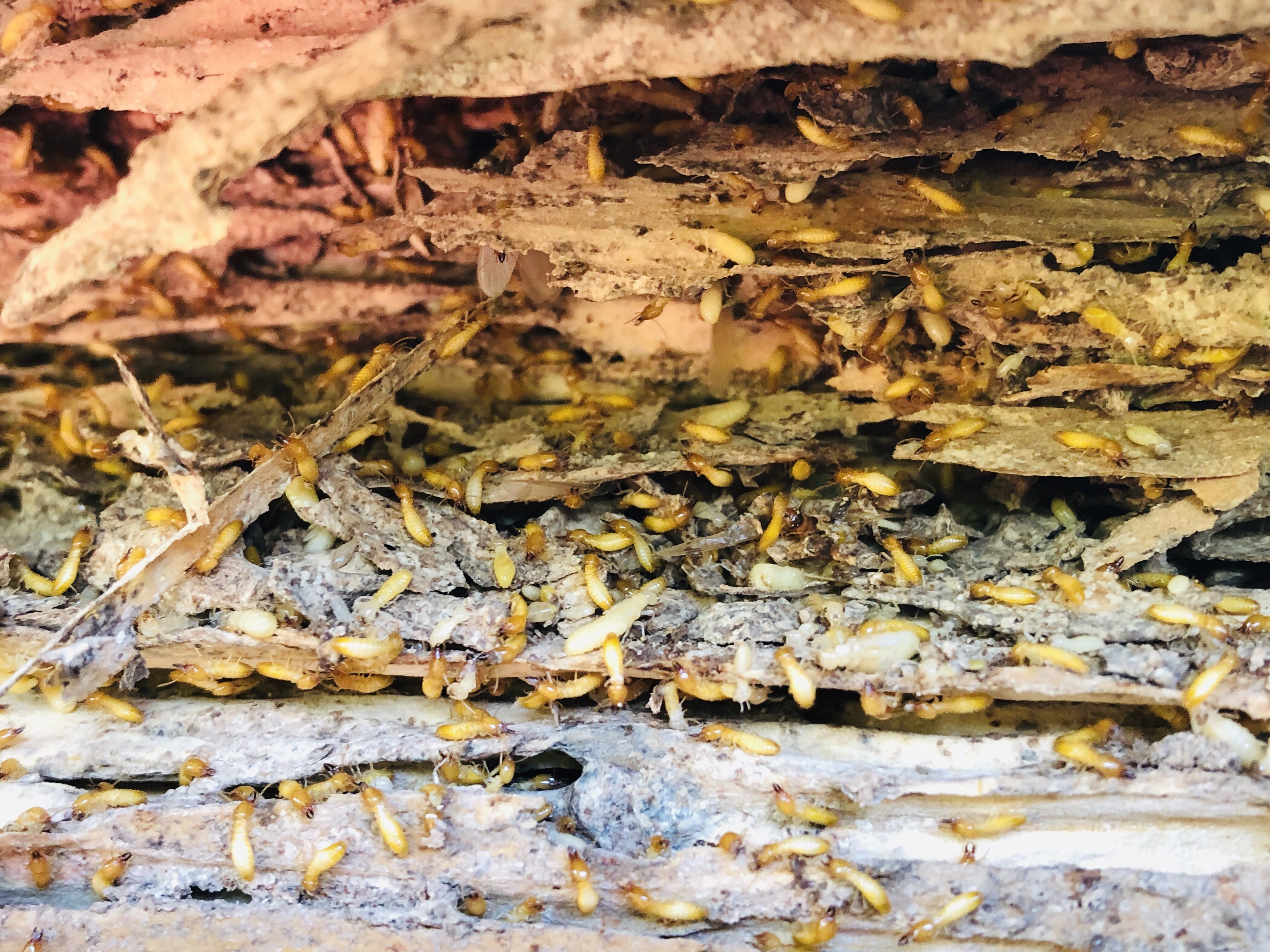
Subterranean termite workers in wood
Proof of activity

Mud tubes and live termites

  • Pencil-wide mud tubes on foundation walls
  • Soft, creamy-white workers in wood
  • Wood that sounds hollow when tapped

Mud tubes are the most reliable sign of subterranean termites. Break a small section open: live termites mean an active infestation, and a rebuilt tube a few days later means they're still using it.

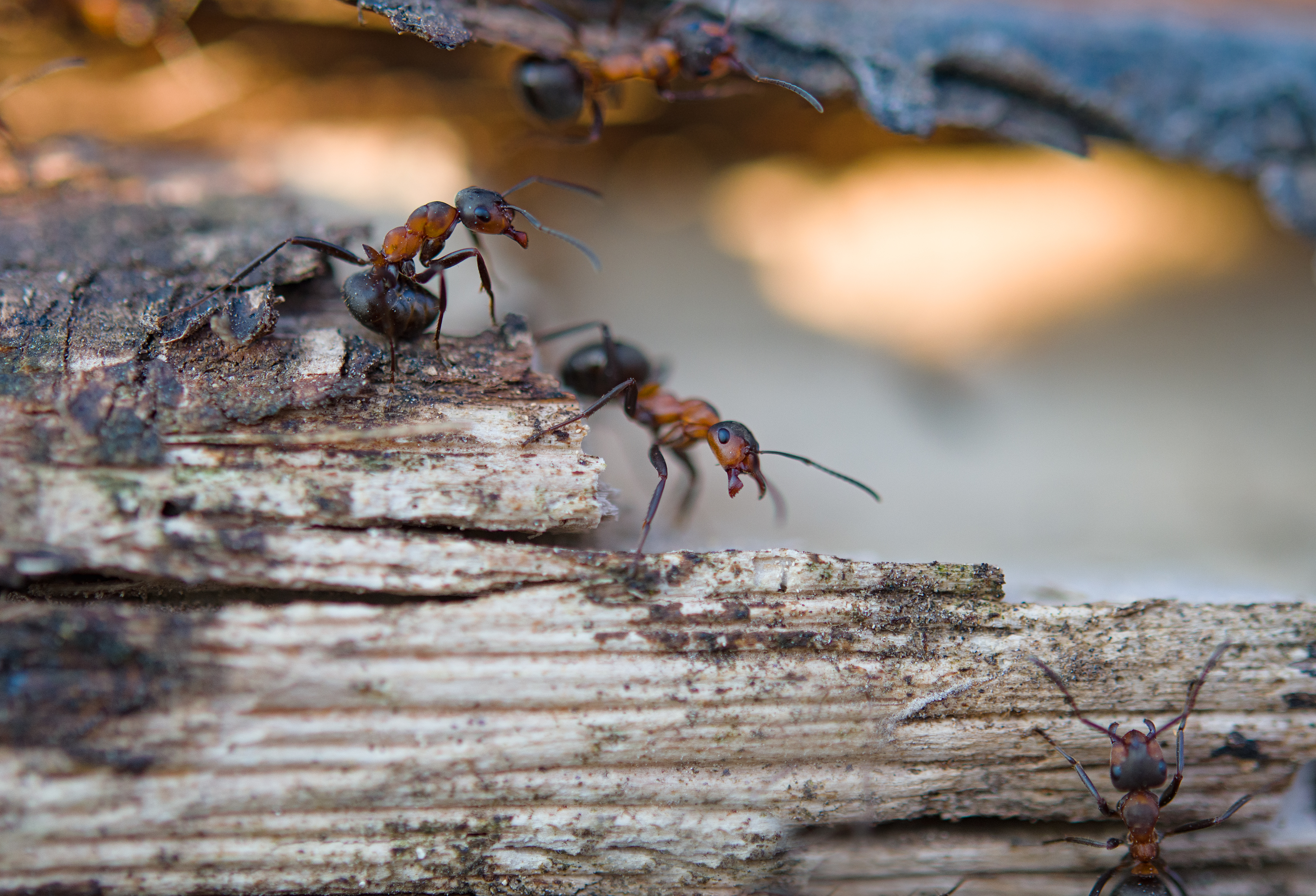
Group of small dark ants
Easy to confuse

Swarmers vs. flying ants

  • Winged insects near windows in spring
  • Piles of shed wings on sills
  • Straight antennae and thick waist = termite

Swarming termites and flying ants show up in the same season. The difference decides everything, so catch a few on tape and send us a photo before buying any treatment.

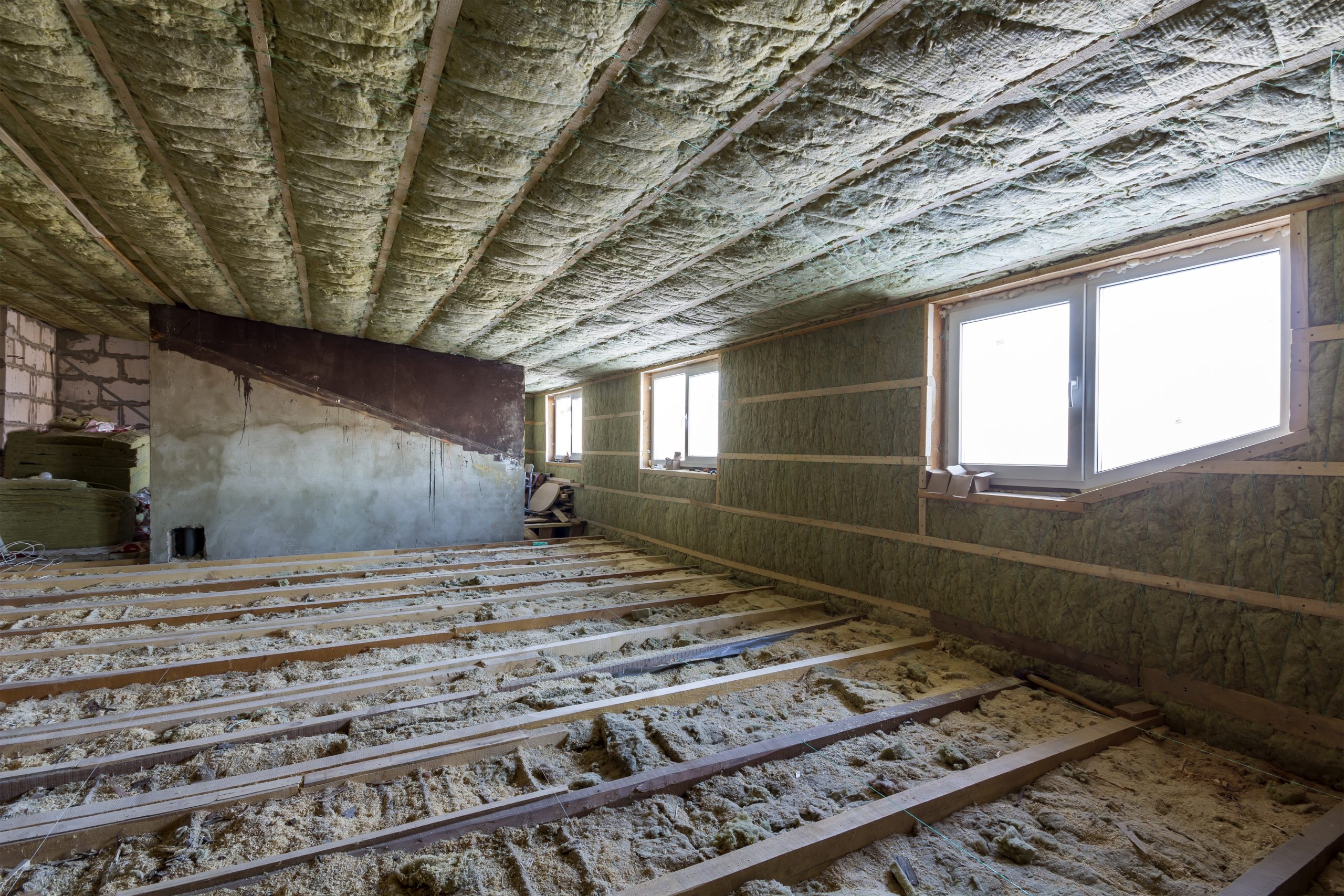
Exposed wood framing during construction
Look for it

Damaged wood

  • Layered, mud-packed galleries in wood
  • Bubbling or rippled paint
  • Soft sill plates and joists in the basement

Termites eat along the grain and leave soil packed in their tunnels. Water damage looks different β€” dark, swollen and often moldy β€” and the two are often found together.

What happens after treatment

1

Activity should taper off

With liquid, expect activity to stop within weeks to a few months. With bait, expect a slower decline as the colony takes the bait.

2

Fix the moisture

Leaky gutters, downspouts dumping at the foundation, and wood touching soil keep inviting termites back. Correct them.

3

Repair the damage

We repair termite-damaged sill plates, joists, beams and framing ourselves after treatment, so one company handles both.

4

Keep an eye on it

Periodic inspections catch new activity early. With bait, stations must stay serviced on schedule.

Learn more about termite damage repair in NJ.

Questions to ask any termite company before you choose

Whatever method you're offered, these questions help you compare quotes fairly:

  1. Is there active termite activity right now, and where? Ask to see the mud tubes or damage.
  2. Exactly what will be treated? The full perimeter, slab areas, porches and garage, or just one spot?
  3. For bait: how often are stations checked, and what happens if one is empty or damaged?
  4. For liquid: will you drill through slabs and stoops, and how are holes patched? What precautions do you take near wells or drains?
  5. What happens if termites come back? Get the answer in writing, whatever it is.
  6. Who repairs the damaged wood? If it's a separate contractor, plan for that too.

Silver Bullet Pest Control is a licensed company (NJ License 90568B) based in Garfield, serving Bergen, Passaic, Essex and Hudson counties. We'll walk you through what we find, explain the options honestly, and give you a free quote. Wondering about price? See what affects termite treatment cost in NJ.

Don't wait out a swarm. Swarmers dying on the windowsill doesn't mean the problem is over β€” the colony is still in the soil. Call or text 973-510-2585.

Get a Free Termite Treatment Quote

Tell us what you've found and whether you're buying, selling or just worried. We'll explain which treatment fits your home.

Call us if

  • You found mud tubes on the foundation
  • Winged insects swarmed in spring
  • Two quotes recommend different methods
  • You need damaged wood repaired after treatment
  • You're closing on a house
πŸ“ž Call 973-510-2585

Request Service

πŸ”’ Your info stays private Β· Hablamos espaΓ±ol.

What's bugging you? - Step 1 of 3

Termite Bait vs. Liquid Questions

Are termite bait stations better than liquid treatment?

Neither is better for every house. Liquid treatment usually stops an active infestation faster and needs little upkeep afterward, while bait stations use less product and target the colony but work slowly and must be serviced regularly. The right choice depends on whether termites are active now, your foundation and slabs, and whether there's a well or water nearby. Ask us which fits your home.

How long do termite bait stations take to work?

Bait stations often take several months to eliminate a colony. Termites have to discover the stations on their own, feed, and share the bait before the colony declines, and timing varies with season and colony size. During that time termites can still feed on the house, which is why many homeowners with active damage prefer to treat the affected area directly as well.

How long does liquid termite treatment last?

A professionally applied liquid termiticide is designed to last for years in the soil, but how long depends on the product, soil conditions and whether the treated zone is disturbed by digging, landscaping or new construction. Regular inspections are the best way to catch new activity. We'll explain what to expect for your house when we give you a quote.

Is liquid termite treatment safe for my family and pets?

When applied by a licensed applicator following the label, liquid termite treatment goes into the soil around and under the foundation, not onto living spaces. Keep kids and pets away from the work area until it's done and the soil has settled. Tell us about wells, cisterns, sump pits, gardens and fish ponds beforehand so we can plan around them.

Do termite bait stations attract termites to my house?

No. Bait stations don't draw termites in from far away. Subterranean termites are already foraging through the soil in most North Jersey yards, and stations simply intercept termites that are already there. The bigger concern with bait is the opposite: if stations aren't checked on schedule, termites can feed on the house without anyone noticing.

Can you use bait stations and liquid treatment together?

Yes, combining methods is common. A professional might treat an active area with liquid to knock activity down quickly and use bait or monitoring stations elsewhere around the property. Whether that makes sense depends on the house and the infestation. We'll tell you honestly if a combination is worth it or if one method is enough.

Does termite treatment fix the damage?

No. Treatment stops termites, but it doesn't restore wood they've already eaten. Damaged sill plates, joists, beams and framing need to be repaired or replaced. Silver Bullet Pest Control does that repair work ourselves after treatment, so you don't have to coordinate a separate contractor for the structural fix.

How do I know if I have termites or carpenter ants?

Termites leave mud tubes and soil-packed tunnels in wood, while carpenter ants leave clean, smooth galleries and push out sawdust-like shavings. Swarmers differ too: termites have straight antennae, a thick waist and four equal wings. Text a close-up photo to 973-510-2585 and we'll tell you which one you have before you pick a treatment.

What affects the cost of termite treatment?

Cost depends on the size and shape of the foundation, how much slab, porch and garage area needs drilling, whether termites are active, access to crawlspaces and finished basements, and for bait, how long stations will be serviced. Damage repair is priced separately. Every house is different, so we give a free quote after looking at the property.

ΒΏQuΓ© es mejor, estaciones de cebo o tratamiento lΓ­quido para termitas?

Depende de la casa. El tratamiento lΓ­quido normalmente detiene una infestaciΓ³n activa mΓ‘s rΓ‘pido; las estaciones de cebo trabajan mΓ‘s lento y necesitan revisiones regulares. Nosotros revisamos la casa, le explicamos las opciones y le damos una cotizaciΓ³n gratis. Llame o mande un texto al 973-510-2585. Hablamos espaΓ±ol.

Termite treatment across North Jersey

Based in Garfield, we handle termite inspections, treatment and damage repair in Bergen, Passaic, Essex and Hudson counties.

Our service area

Union County

973-510-2585
  • Berkeley Heights
  • Clark
  • Cranford
  • Elizabeth
  • Fanwood
  • Garwood
  • Hillside
  • Kenilworth
  • Linden
  • Mountainside
  • New Providence
  • Plainfield
  • Rahway
  • Roselle
  • Roselle Park
  • Scotch Plains
  • Springfield
  • Summit
  • Union
  • Westfield

Morris County

973-510-2585
  • Boonton
  • Butler
  • Cedar Knolls
  • Chatham
  • Denville
  • Dover
  • East Hanover
  • Florham Park
  • Hanover
  • Kinnelon
  • Lincoln Park
  • Madison
  • Mendham
  • Montville
  • Morris Plains
  • Morristown
  • Mountain Lakes
  • Parsippany
  • Pequannock
  • Randolph
  • Riverdale
  • Rockaway
  • Roxbury
  • Whippany

Updated November 2026 by the Silver Bullet Pest Control team, Garfield, NJ β€’ NJ License 90568B

Scroll to Top