Silver Bullet Pest Control logoSilver Bullet Pest Control
Rat guide Β· Poison or traps? Β· North Jersey

Rat Poison vs. Traps: How to Actually Get Rid of Rats

Rats are not big mice. They're cautious, they avoid new objects, and they can learn to steer clear of traps and bait. Here's when rat poison makes sense, when traps work better, and why the burrow or entry point is the part that really decides whether rats come back.

4.9 stars on Google β€’ NJ License 90568B β€’ 15+ years β€’ Based in Garfield, NJ β€’ Hablamos espaΓ±ol

Seeing burrows or big droppings? Text a photo to 973-510-2585 and we'll tell you what you're dealing with.

  • βœ“ Same-day appointments often available
  • βœ“ Licensed & insured in NJ
  • βœ“ Homes & businesses
  • βœ“ English & EspaΓ±ol

Rat poison vs. traps: which works better?

For rat poison vs. traps, traps are the better choice inside a house or garage, because you remove the rat and avoid a dead rat rotting in a wall, while poison in locked, tamper-resistant stations can be useful outdoors around burrows and the building's perimeter. Rats are wary of new things, so traps often need to sit unset with bait for a few days before they work. Neither method lasts unless burrows are dealt with and entry points like foundation gaps, garage doors and broken drain lines are sealed β€” call or text 973-510-2585 for a free quote.

Why rats are harder to trap and poison than mice

The rat most North Jersey homeowners deal with is the Norway rat β€” a heavy, brown rodent that burrows in soil, lives under sheds, decks and slabs, and travels along foundations, fences and sewer lines. They behave very differently from mice:

  • They're cautious of new objects. A trap that appears overnight on their route is often avoided for days. Pest pros call this neophobia.
  • They learn from mistakes. A rat that gets snapped at but not caught, or feels sick from a small dose of bait, may avoid that trap or bait for good β€” and the rest of the group can follow its lead.
  • They're strong. Mouse traps don't hold them. Rat traps are much larger and need to be set carefully.
  • They live in groups and keep a fixed set of runways, burrows and feeding spots. Remove a few without fixing the cause, and others move into the same burrows.

That's why the poison-or-traps question for rats isn't just about the tool. It's about where you use it, how patient you are, and what you do about the burrows and entry points. Not sure if it's a rat or a mouse? Compare mice vs. rats.

Rat poison vs. traps by location

Where the rats areTrapsPoison (rodenticide)What usually works best
Inside the living space, walls or ceilingBest choiceAvoid β€” rats die in walls and smell for weeksTraps plus sealing the entry
Basement or crawlspaceGoodRisky indoors for the same odor reasonsTraps, then close gaps, drains and vents
Attached garageGoodPossible in locked stations if kids and pets can't accessTraps first; fix the door seal
Yard burrows, sheds, decksPossible but slowerOften useful in locked, anchored stationsStation-based baiting, burrow treatment and removing shelter
Around garbage, compost and bird feedersHelpfulHelpful in stationsRemove the food source first β€” nothing works while it's there

See what we look for outside in rat burrows around the house.

Where rats show up around North Jersey homes

Where you find signs helps decide between traps and bait:

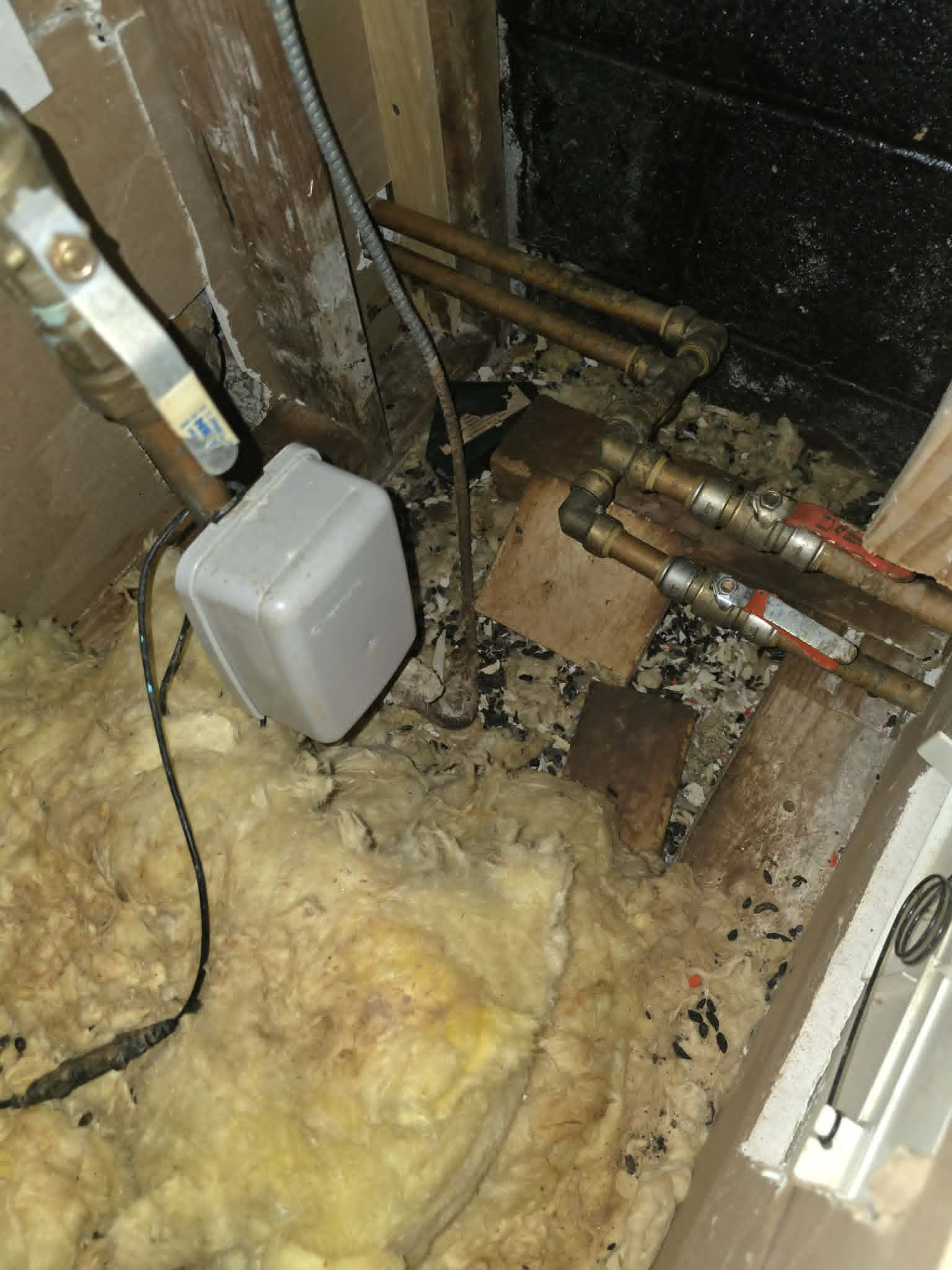
Rat droppings on a surface
Inside

Droppings indoors

  • Capsule-shaped, about 1/2 to 3/4 inch long
  • Along walls, behind appliances, in basements
  • Gnawed food packaging

Rat droppings inside the house mean rats are coming in. This is trap territory β€” not poison β€” because a rat that dies in a wall or under the floor is a serious odor problem.

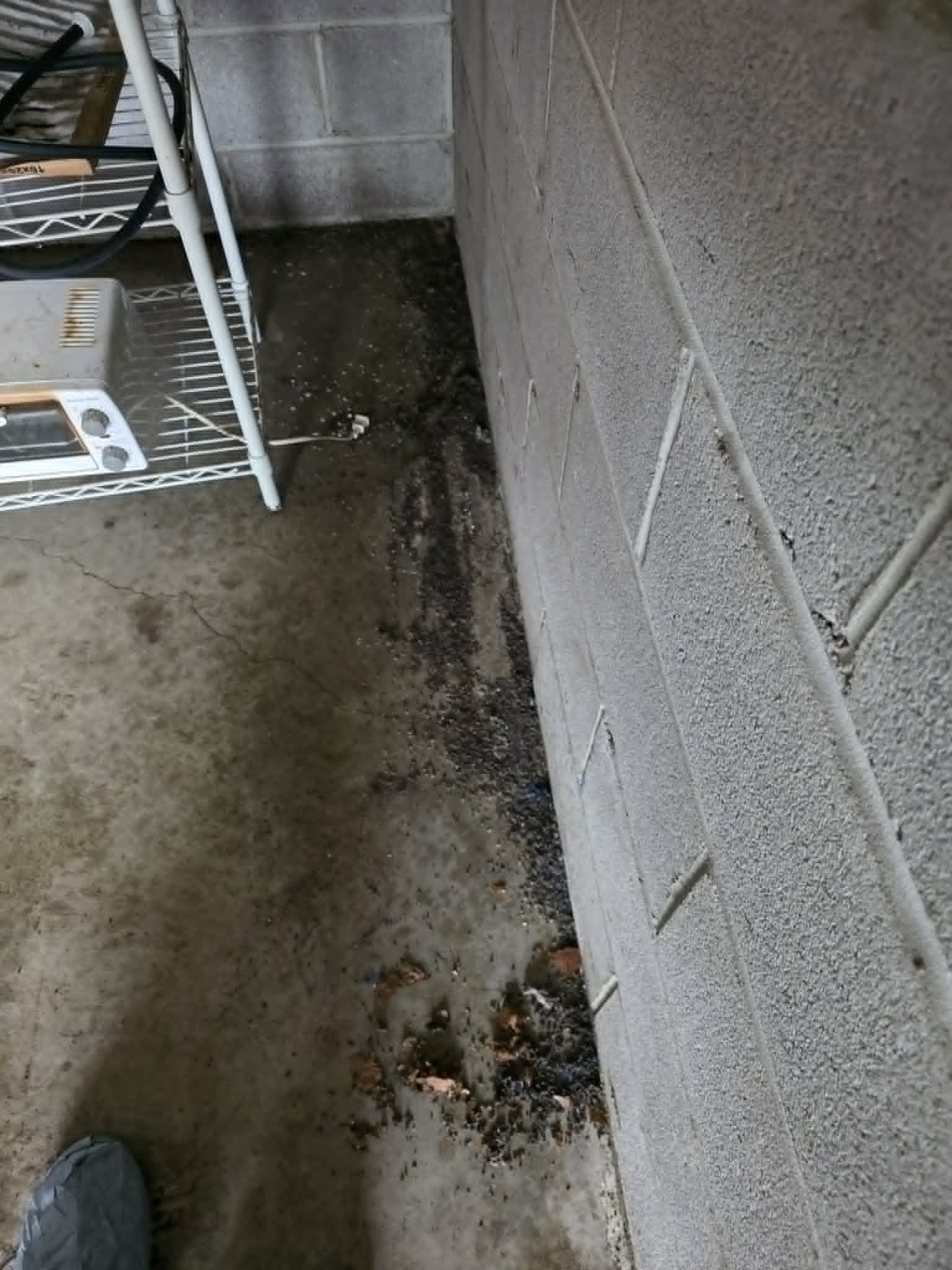
Rodent droppings on a garage floor
Garage

Garages and sheds

  • Gnawing on the bottom of the door
  • Torn bags of birdseed, pet food or grass seed
  • Droppings along the walls

Garages are a favorite rat entry. A worn bottom seal or a gap at the door corner is often all it takes. Traps along the walls plus a new door seal usually solve it.

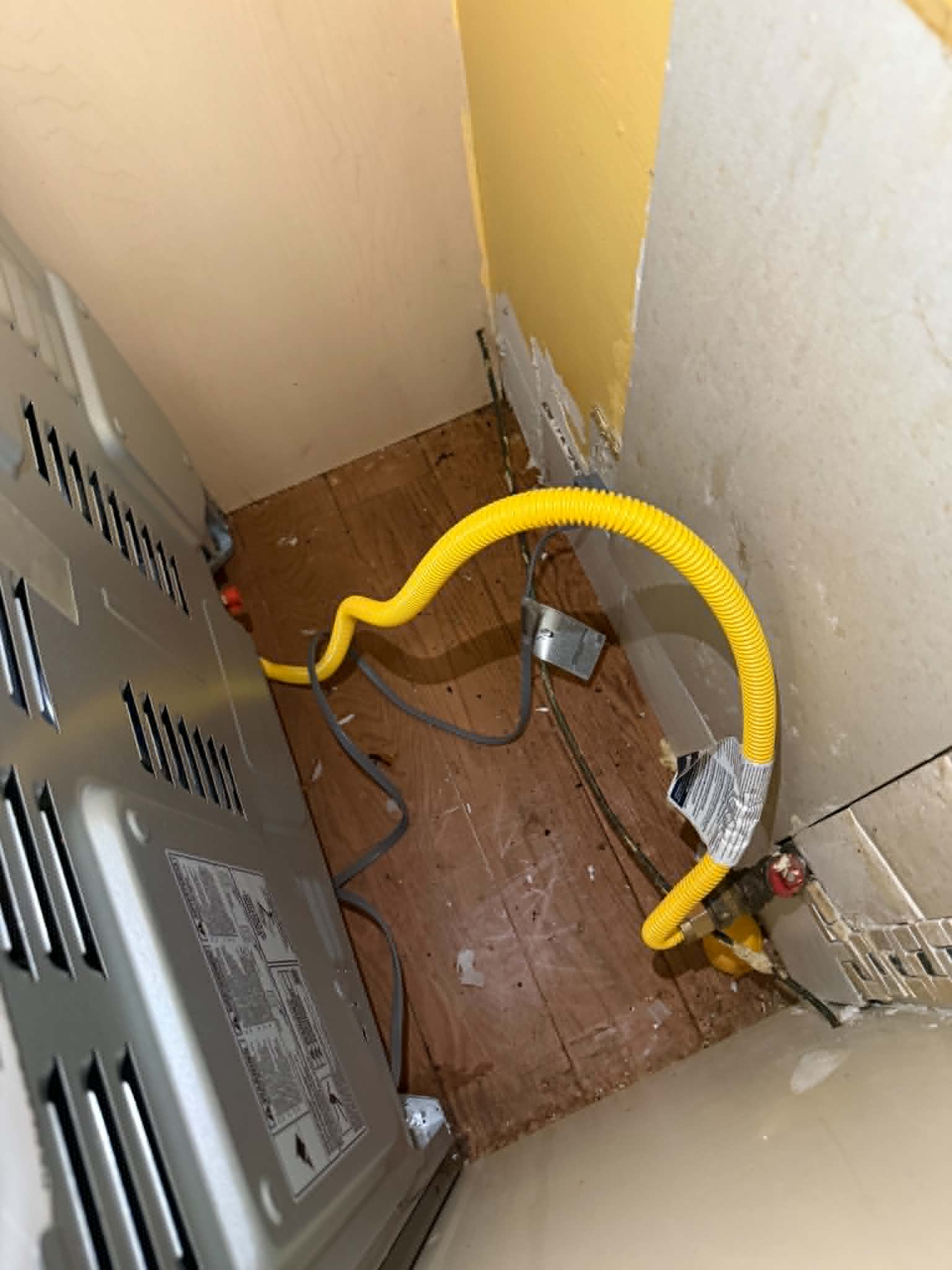
Rodent droppings near a gas line
Utilities

Along pipes and lines

  • Droppings near gas, water or cable entries
  • Grease marks along a pipe or wall
  • Gaps where utilities enter the foundation

Rats follow pipes and utility lines into the house. Those gaps need to be sealed with materials rats can't chew through after the rats inside are trapped.

How to trap a rat (the patient way)

1

Use real rat traps

Large snap traps or enclosed rat traps β€” never mouse traps. Wear gloves when handling them so they don't carry your scent.

2

Pre-bait without setting

Put baited, unset traps along the runway for a few days. Let the rats get used to them and eat freely.

3

Then set them all at once

Once bait is being taken, set every trap the same night. A big first-night catch beats a slow trickle that teaches rats to avoid traps.

4

Place along walls and runways

Rats hug walls, fences and foundations. Put traps where you see droppings, grease marks or gnawing β€” and out of reach of kids and pets.

Good baits include peanut butter, nuts, dried fruit or bits of the food they're already eating. Remove other food β€” like open garbage or bird seed β€” so the trap is the best meal around. See what keeps rats away.

The real risks of rat poison

πŸ•

Pets

Dogs are drawn to rodent bait, and a pet that eats a poisoned rat can be harmed too. Bait should only be used in locked, anchored stations.

πŸ¦…

Wildlife

Hawks, owls, foxes and other animals that eat sick rats can be poisoned. Overuse of bait hurts the animals that help control rats naturally.

🀒

Odor

A rat that dies under the floor or in a wall smells much worse and longer than a mouse, and may need a wall or ceiling opened to remove it.

πŸ§ͺ

Bait shyness

Rats that eat a little bait and get sick may avoid it after. Some rat populations have also become harder to kill with certain bait types.

If a pet may have eaten rodent bait, call your veterinarian or an animal poison hotline right away β€” don't wait for symptoms.

Finding how rats get in: the part that ends the problem

Every rat problem has a source. Until it's fixed, trapping and baiting just make room for the next rats. In older North Jersey neighborhoods β€” rows of two-family homes, brick and block foundations, detached garages, alleys and shared fences β€” these are the usual sources:

  • Foundation gaps and cracks, especially where porches, stoops or additions meet the original house.
  • Garage doors with worn or chewed bottom seals.
  • Broken or open drain lines β€” rats can travel through damaged sewer and drain pipes and come up in basements. A plumber may be needed to inspect the line.
  • Burrows under sheds, decks, concrete slabs, and along fences and foundations.
  • Food sources: garbage cans without tight lids, compost, fallen fruit, bird feeders and pet food left outside.

Sealing should be done with materials rats can't chew through, like stainless steel mesh, metal flashing and mortar. Rain can also push rats around β€” see does rain bring out rats? β€” and the cold drives them indoors: winter rodent problems in NJ.

Hearing heavy thumping or gnawing in the walls or ceiling? That's more likely rats than mice. Call or text 973-510-2585 β€” same-day appointments are often available.

When to call a rat exterminator β€” and what we do

A single rat seen once in the yard can sometimes be handled by cleaning up food sources. Call a professional when:

  • You see rats or droppings inside the house or garage.
  • There are active burrows along the foundation or under a shed or slab.
  • Traps have sat for a week or more without a catch while signs continue.
  • You smell a dead rodent in a wall or ceiling.
  • You run a restaurant, store or rental property, where rats are a health and liability issue.

Silver Bullet Pest Control is based in Garfield and handles rats in Bergen, Passaic, Essex and Hudson counties. We inspect inside and out, find the burrows and entry points, trap inside the house, use bait outside only where it's safe and in locked stations, and can seal the openings so new rats can't follow. Ask us what fits your property. Businesses can see commercial pest control, and for the full approach read how to get rid of rats permanently.

Get a Free Rat Control Quote

Tell us where you're seeing burrows, droppings or rats. Text a photo and we'll explain whether traps, bait or both make sense.

Call us when

  • Rats or droppings inside the house
  • Burrows along the foundation or under a shed
  • Traps aren't catching anything
  • Gnawing or thumping in walls at night
  • Rats around a restaurant or rental property
πŸ“ž Call 973-510-2585

Request Service

πŸ”’ Your info stays private Β· Hablamos espaΓ±ol.

What's bugging you? - Step 1 of 3

Rat Poison and Trap Questions

Is rat poison or traps better for getting rid of rats?

It depends on where the rats are. Inside a home or garage, traps are better because you remove the rat and avoid one dying in a wall. Outdoors, bait in locked, anchored stations can help reduce rats around burrows and the perimeter. Neither works for long unless burrows are handled, food is removed and entry points are sealed.

Why won't rats go into my traps?

Rats are naturally cautious of new objects, so a new trap on their path is often ignored for several days. Pre-bait traps without setting them, handle them with gloves, and place them along walls where rats travel. Once rats are eating the bait freely, set all the traps the same night. Removing other food nearby also makes the traps more attractive.

Where do rats go to die after eating poison?

Like mice, rats usually return to a burrow or sheltered spot after eating poison, since most baits take several days. Outdoors that's often a burrow. Indoors it can be under a floor, inside a wall, in a ceiling or crawlspace, where a dead rat creates a strong odor that can last for weeks. That's why poison is best kept outside.

How long does it take rat poison to work?

Most rodent baits are slow-acting and take several days after a rat feeds a full dose. That delay helps keep the group from linking the bait to sickness. Results depend on how much rats eat, whether other food is available, and the bait type. If rats keep showing up after a couple of weeks, the source isn't fixed.

Is rat poison dangerous to dogs and cats?

Yes. Rodent bait is a real risk to pets, either by eating bait directly or by eating a poisoned rat. That's why bait should only be used in locked, anchored, tamper-resistant stations, placed where pets can't reach, or skipped entirely around homes with pets. If you think your pet ate bait, call your vet immediately.

What is the best bait for rat traps?

Peanut butter, nuts, dried fruit, bits of bacon or the food rats are already eating on your property all work well. Freshness matters more than the specific choice. Tie or press bait onto the trigger so rats can't steal it. Most important is removing competing food like open garbage, bird seed and pet food so the trap is the easiest meal.

How do I find where rats are getting in?

Look along the foundation for burrows and gaps, check the bottom of garage and basement doors for gnawing, and inspect where pipes and utility lines enter the house. Grease marks along walls show their runways. In basements, check floor drains and pipe openings, since rats can come up through damaged drain lines. A professional inspection covers all of these.

Can I get rid of rats permanently?

Yes, in most cases, but it takes more than traps or poison. You have to remove what's attracting them, deal with burrows, trap the rats inside, and seal entry points with materials they can't chew through. If neighbors have food sources or open burrows, rats may keep testing your house, so sealing matters even more in tightly packed neighborhoods.

Do I need an exterminator for one rat?

One rat seen once in the yard may move on if food sources are removed. But rats live in groups, so a rat seen inside the house, droppings in the garage or basement, or burrows along the foundation all mean there are more. That's the point to call a licensed exterminator. We're based in Garfield; call 973-510-2585 for a free quote.

ΒΏQuΓ© es mejor para las ratas, veneno o trampas?

Dentro de la casa, trampas: asΓ­ no se muere una rata dentro de la pared. Afuera, el veneno puede ayudar, pero solo en estaciones cerradas con llave, lejos de niΓ±os y mascotas. Lo que de verdad termina el problema es tapar las madrigueras y sellar por donde entran. Llame al 973-510-2585. Hablamos espaΓ±ol.

Rat control across North Jersey

From our base in Garfield we handle rats for homes and businesses in Bergen, Passaic, Essex and Hudson counties.

Updated November 2026 by the Silver Bullet Pest Control team, Garfield, NJ β€’ NJ License 90568B

Scroll to Top