Silver Bullet Pest Control logoSilver Bullet Pest Control
Rat Burrows Β· Yards, Foundations & Decks Β· North Jersey

Rat Burrows Around Your House: How to Identify Them and What to Do in NJ

A round hole next to the foundation, fresh dirt under the deck, a worn path through the grass to the garbage cans? Those are classic signs of Norway rat burrows. This guide shows how to tell a rat burrow from a chipmunk, vole or groundhog hole, how to check if it's active, and why filling the hole alone almost never solves the problem.

4.9 stars on Google β€’ NJ License 90568B β€’ 15+ years β€’ Based in Garfield β€’ Hablamos espaΓ±ol

Text a photo of the hole (with a shoe or coin next to it for size) to 973-510-2585 and we'll tell you what dug it.

How do you identify rat burrows around a house?

Rat burrows around a house are round holes about 2 to 4 inches wide, usually along the foundation, under decks, sheds, patios, steps and AC pads, often with a fan of loose dirt pushed out and smooth, packed edges from rats going in and out. You'll often see a worn trail in the grass between the hole and food like garbage cans, compost or a bird feeder. A burrow next to the house means rats are living close enough to find a way inside, so it's worth acting quickly. Silver Bullet Pest Control inspects, removes the rats and seals the openings. Call or text 973-510-2585.

Rodent Proofing & Exclusion – Quoted Separately
Rodent-proofing and exclusion services are quoted separately from pest control treatments and protection plans. Every property has unique entry points, structural conditions, and sealing requirements. Every home is built differently, so we use the materials each one needs, such as steel mesh, hardware cloth, sheet metal, concrete and sealant, on an as-needed basis. Following an inspection, we provide a customized estimate based on the specific work needed to help prevent rodents from entering your property.

What rat burrows look like

πŸ•³οΈ

Round entrance holes

About 2 to 4 inches across. Often two or more openings close together, because a burrow system has a main entrance and escape holes.

🟀

Fresh dirt fan

Loose soil pushed out in a spray or fan shape at the opening, especially after rats dig new tunnels.

✨

Smooth, packed edges

An active hole has hard, polished edges and no cobwebs, leaves or debris across it.

〰️

Runways

A narrow path of flattened grass or bare dirt leading from the hole to food, water or the next shelter, often along a fence or wall.

Look also for rat droppings near the holes: large, blunt and about the size of a raisin or bigger. Compare with mice on our mice vs. rats page.

Rat burrow or something else? Comparing holes in NJ yards

Many animals dig in North Jersey yards. Size, dirt and location usually tell them apart:

AnimalHole sizeDirt at the holeWhere you'll see itOther clues
Norway ratAbout 2 to 4 inchesLoose fan of soilFoundations, under decks, sheds, slabs, near trashRunways, large droppings, gnawed trash cans
ChipmunkAbout 2 inchesUsually none; they carry it awayLawns, garden beds, near walls and stepsClean, neat hole; chipmunks seen in daytime
VoleAbout 1 to 2 inchesLittle or noneLawns and garden bedsShallow surface trails through the grass
MoleHoles usually pluggedVolcano-shaped moundsLawnsRaised ridges across the yard
GroundhogAbout 10 to 12 inchesLarge pile of dirtUnder sheds, decks, porches, along fencesVery large entrance, often several
Yellow jacketsSmall, one holeLittle or noneLawns, banks, under shrubsWasps flying in and out steadily

Groundhog under the shed? See wildlife removal. Wasps in the ground? See bee and wasp removal, and don't plug the hole.

Where rats dig burrows around a house

Rats dig where they're hidden, protected and close to food. These are the spots we check first:

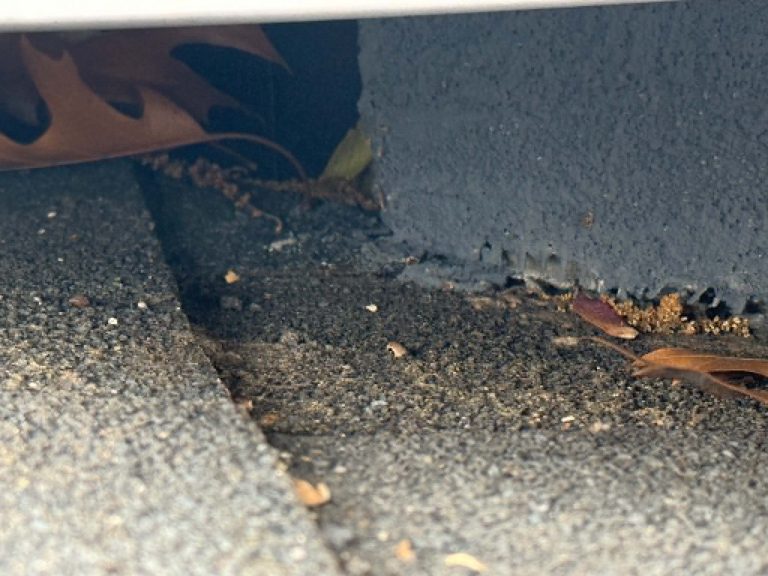
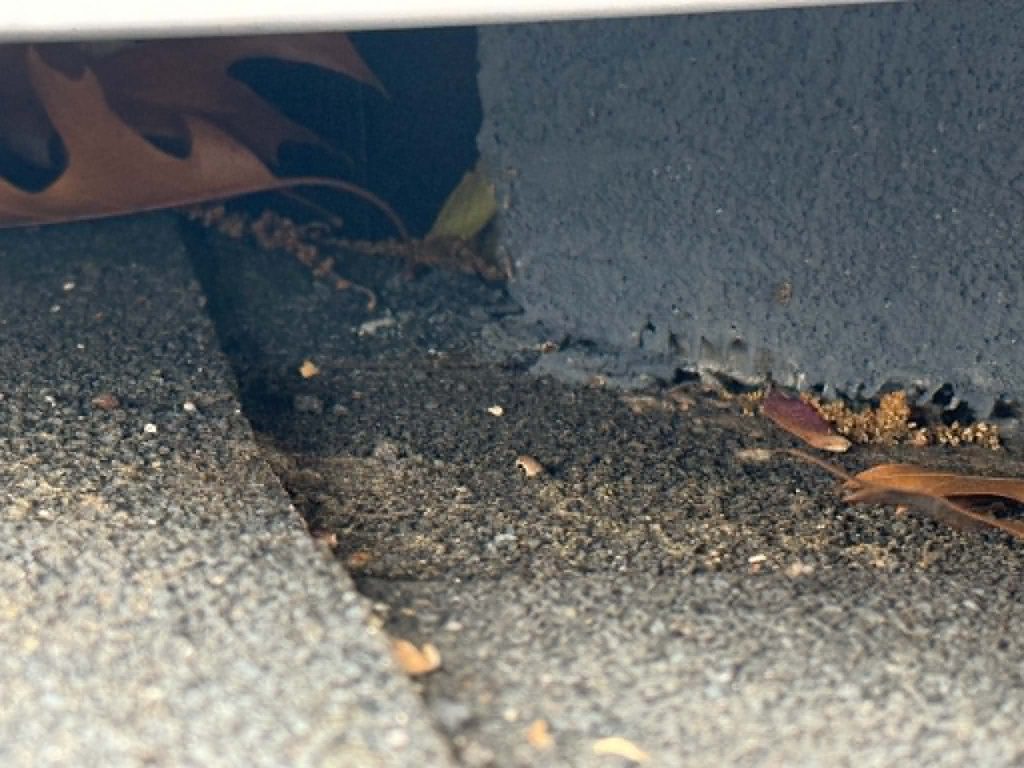
Cracks along the base of a building foundation
Foundation

Along the foundation and slabs

  • Holes tight against the house wall
  • Soil washing away under a slab or step
  • Gaps where pipes and lines enter

The foundation is the most common place for rat burrows, and the most important. A burrow here puts rats inches from cracks, utility gaps and vents that lead inside.

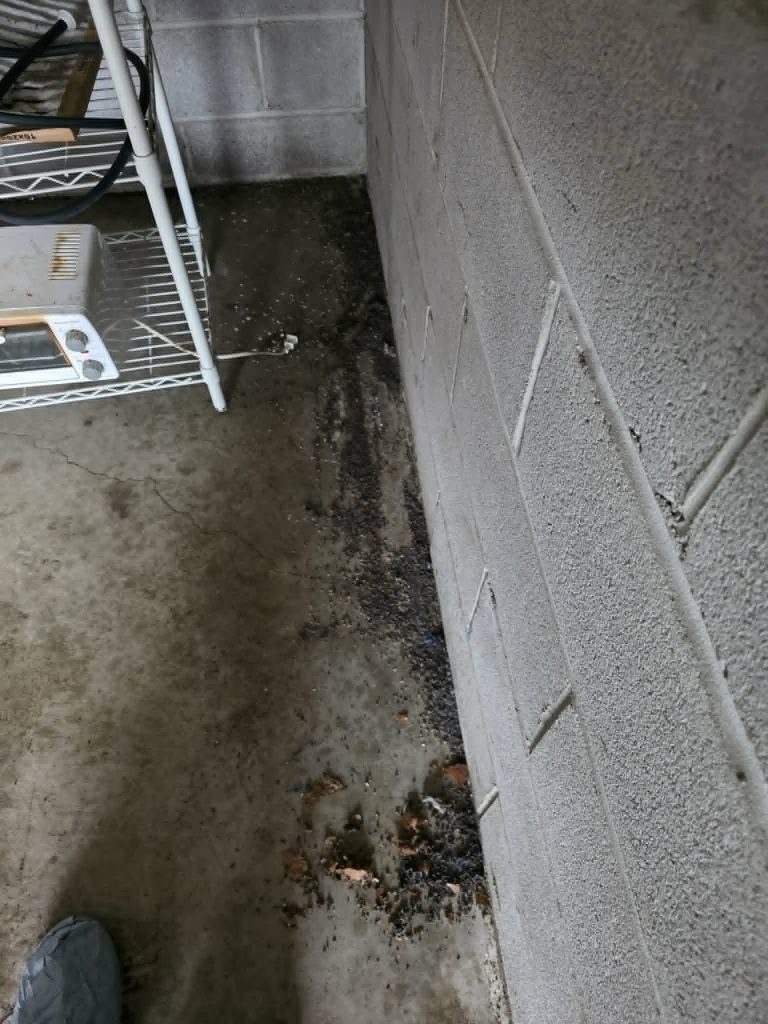
Rodent droppings on a garage floor
Garage & shed

Under sheds, decks and garages

  • Burrows under the shed floor
  • Dirt pushed out under deck boards
  • Droppings inside the garage

Sheds, decks and detached garages give rats a roof over the burrow. Stored birdseed, grass seed, pet food and clutter make them even more attractive.

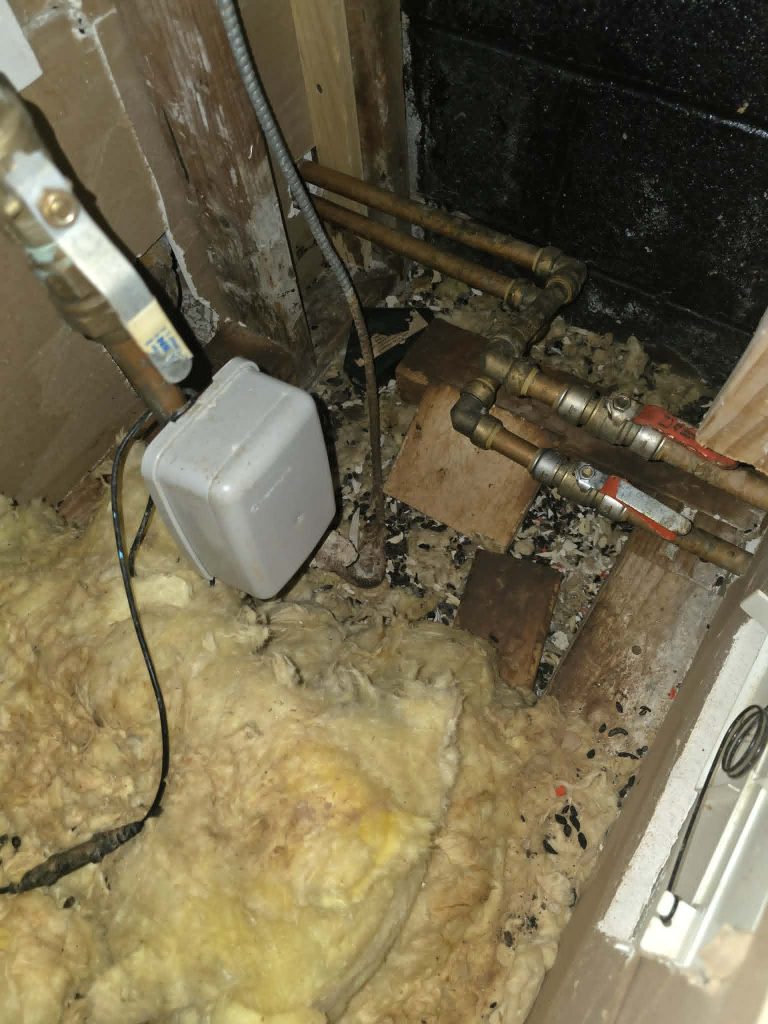
Large rat droppings on a surface
Food source

Near trash, compost and feeders

  • Holes next to the garbage area
  • Burrows in garden beds and compost
  • Activity under bird feeders

Rats burrow close to steady food. Garbage cans with loose lids, compost piles, fallen birdseed, vegetable gardens and outdoor pet bowls are the usual draws.

Is the rat burrow active? A simple overnight test

1

Find all the holes

Walk the foundation, deck, shed, patio edges and fence line. Mark every opening you find, since one burrow system often has several.

2

Loosely close each hole

Push a little loose soil or a crumpled piece of newspaper into each opening. Don't pack it hard. Wear gloves.

3

Check the next day

If the soil or paper has been pushed out or a fresh hole is open, the burrow is active. Note which holes reopened.

4

Call before you fill it for good

An active burrow means live rats. Sealing them in or chasing them out without a plan often sends them under the house or into the garage.

Seen a rat in daylight near the burrow? That usually means a larger population, because rats that are crowded or short on food come out when it's light.

Why rat burrows near your home are a problem

A burrow is a home base. Rats sleep, store food and raise young there, then travel out at night to feed. When that home base is right against your house, a few things can happen:

  • They find a way in. Rats test every gap around pipes, vents, garage doors and foundation cracks. A rat can squeeze through an opening about the size of a quarter.
  • Soil gets undermined. Tunneling under patios, walkways, steps and AC pads can wash out soil and leave hollow spots and cracks over time.
  • Chewing. Rats gnaw on wood, plastic, garbage cans, garden hoses and wiring in garages and sheds.
  • Health and mess. Droppings and urine around the yard and garage, and rats in the same areas as kids and pets.
  • Numbers grow. Rats breed quickly when food is steady. One burrow in spring can become several by fall.

Burrows also tend to show up more after heavy rain, when flooded ground and sewers push rats to drier spots. Read does rain bring out rats?

What not to do with rat burrows

🚿

Flooding with a hose

Water pushes rats out, often toward your house, and they dig a new burrow nearby. It doesn't remove the colony.

🧱

Filling it with concrete first

Filling an active burrow without removing the rats just moves them. They dig around it, sometimes under the slab or foundation.

☠️

Dumping poison in the hole

Loose bait in burrows can be dug up and reached by pets, kids and wildlife, and poisoned rats can die where you can't reach them.

πŸ’¨

Gas cartridges near the house

Smoke or gas products near foundations, decks and sheds can be dangerous and are easy to misuse. Leave it to a licensed professional.

For more on DIY methods: rat poison vs. traps.

How we get rid of rat burrows around your house

Silver Bullet Pest Control handles rat burrows as part of a full rat control plan, because the burrow is only one piece of the problem:

  • Inspection. We map every burrow, runway and food source on the property, then check the foundation, garage, basement, vents and utility lines for the way inside.
  • Removal. Locked, tamper-resistant stations outside where they make sense, and traps inside placed where kids and pets can't reach them.
  • Closing the burrows. Once activity stops, burrows are collapsed and filled so new rats don't reuse them.
  • Sealing the house. Gaps around pipes, wires, vents and foundation cracks are sealed with stainless steel mesh, metal and other materials rats can't chew.
  • Buried mesh under decks, porches and sheds. Where rats keep digging under a structure, we can install a buried mesh barrier around it so they can't tunnel back under.
  • Drain line checks. If rats show up inside with no outside entry, rodent smoke testing of sewer and drain lines can show whether they're coming through a broken pipe. Pipe repairs are done by a licensed plumber.
  • Follow-up. We come back to check stations, burrows and the seal.

More: rat control in NJ, rodent exclusion with stainless steel mesh and how to get rid of rats permanently.

How to keep rats from burrowing around your house

πŸ—‘οΈ

Lock down the trash

Use cans with tight lids, keep them off bare soil if you can, and rinse out spills that leave food smells.

🐦

Rethink the bird feeder

Fallen seed feeds rats every night. Use a tray, clean up spills or take the feeder down while you have rats.

πŸͺ΅

Clear the hiding spots

Move woodpiles, stacked materials and dense ground cover away from the foundation. Rats like to dig under cover.

πŸ”’

Close the bottom of decks and sheds

Open space under a deck or shed is an invitation. Buried mesh around the edge keeps rats from tunneling under.

Compost bins, vegetable gardens and outdoor pet food are other common draws. A tidy, food-free yard makes your property much less appealing than the one next door.

Get a Free Quote for Rat Burrows

Send us a photo of the holes and tell us where they are. We'll tell you what dug them and give you a free quote to remove the rats and seal the property.

Why homeowners call us about burrows

  • Holes along the foundation
  • Dirt pushed out under the deck or shed
  • Rats seen near the garbage cans
  • Burrows that came back after filling them
  • Rats in the garage or basement too
πŸ“ž Call 973-510-2585

Request Service

πŸ”’ Your info stays private Β· Hablamos espaΓ±ol.

What's bugging you? - Step 1 of 3

Rat Burrow Questions

How big is a rat burrow hole?

A Norway rat burrow entrance is usually about 2 to 4 inches across, with smooth edges and loose dirt pushed out in front. Holes much smaller are often chipmunks or voles; holes around 10 inches or more usually belong to groundhogs.

How deep do rat burrows go?

Most Norway rat burrows are fairly shallow, often within a foot or two of the surface, but they can run several feet sideways and connect several entrances. That's why one hole you see is rarely the whole system.

Should I fill in a rat burrow?

Not while rats are still using it. Filling an active burrow moves the rats, often under the slab, deck or into the garage. Remove the rats first, then collapse and fill the burrows and seal the house.

How can I tell if a rat burrow is active?

Loosely plug the hole with soil or crumpled newspaper and check the next day. If it's been pushed open, rats are using it. Smooth, clean edges and fresh droppings nearby are other signs of an active burrow.

Does one rat burrow mean I have a lot of rats?

Often, yes. Rats live in family groups, and a burrow system usually holds several. If you see rats in daylight or find several holes, the population is likely bigger than it looks.

Why are rats digging next to my foundation?

The soil against a house is protected, often a bit warmer, and close to gaps that lead inside. Food nearby like garbage cans, compost, feeders or pet food makes it even more likely.

Can rat burrows damage my patio or foundation?

Over time, tunneling can wash soil out from under patios, walkways, steps and AC pads, leading to settling and cracks. Rats can also use foundation cracks as an entry point, which is why sealing matters.

Will flooding the burrow with water get rid of rats?

No. Water pushes rats out temporarily, and they usually dig a new burrow nearby, sometimes closer to the house. It doesn't remove the colony or stop new rats from moving in.

Is it a rat burrow or a chipmunk hole?

Chipmunk holes are smaller, about 2 inches, and usually have no dirt pile because chipmunks carry the soil away. Rat burrows have a fan of loose dirt, runways and often large droppings nearby. Text us a photo and we'll tell you.

Can you stop rats from digging under my deck or shed?

Yes. After the rats are removed, we can install a buried mesh barrier around the bottom of decks, porches and sheds so rats can't tunnel back under.

ΒΏHablan espaΓ±ol?

SΓ­. Hablamos espaΓ±ol. Si ve hoyos de ratas alrededor de su casa, mande una foto por texto al 973-510-2585.

Is rodent proofing included in the price?

Rodent-proofing and exclusion services are quoted separately from pest control treatments and protection plans. Every property has unique entry points, structural conditions, and sealing requirements. Every home is built differently, so we use the materials each one needs, such as steel mesh, hardware cloth, sheet metal, concrete and sealant, on an as-needed basis. Following an inspection, we provide a customized estimate based on the specific work needed to help prevent rodents from entering your property.

Rat burrow removal across North Jersey

Based in Garfield, we handle rat burrows and rat control throughout Bergen, Passaic, Essex and Hudson counties.

Our service area

Union County

973-510-2585
  • Berkeley Heights
  • Clark
  • Cranford
  • Elizabeth
  • Fanwood
  • Garwood
  • Hillside
  • Kenilworth
  • Linden
  • Mountainside
  • New Providence
  • Plainfield
  • Rahway
  • Roselle
  • Roselle Park
  • Scotch Plains
  • Springfield
  • Summit
  • Union
  • Westfield

Morris County

973-510-2585
  • Boonton
  • Butler
  • Cedar Knolls
  • Chatham
  • Denville
  • Dover
  • East Hanover
  • Florham Park
  • Hanover
  • Kinnelon
  • Lincoln Park
  • Madison
  • Mendham
  • Montville
  • Morris Plains
  • Morristown
  • Mountain Lakes
  • Parsippany
  • Pequannock
  • Randolph
  • Riverdale
  • Rockaway
  • Roxbury
  • Whippany

Updated November 2026 by the Silver Bullet Pest Control team, Garfield, NJ β€’ NJ License 90568B

Scroll to Top