Silver Bullet Pest Control logoSilver Bullet Pest Control
Seasonal Guide Β· Rain, Flooding & Humidity Β· North Jersey

Rainy Weather Pest Problems in NJ: Which Bugs and Animals Move In After Rain

Ants marching across the counter the morning after a downpour, a big roach in the basement drain, mosquitoes everywhere a week later? Heavy rain floods nests and burrows and sends pests looking for dry ground, and that's often your house. Here's what to expect after rain in North Jersey, what you can do yourself, and when it's time to call.

4.9 stars on Google β€’ NJ License 90568B β€’ 15+ years β€’ Based in Garfield β€’ Hablamos espaΓ±ol

Text a photo of what showed up after the rain to 973-510-2585 and we'll tell you what it is.

What pest problems does rainy weather cause in NJ?

Rainy weather pest problems in NJ usually mean ants trailing indoors, mosquitoes breeding in standing water about a week later, water bugs and other roaches coming up from drains, and moisture pests like millipedes, centipedes, camel crickets, silverfish and springtails in damp basements. Flooded burrows can also push mice and rats toward foundations, and wildlife looks for dry attics. Most of these are fixed by removing standing water and fixing moisture; if they keep coming, call or text 973-510-2585 for a free quote.

Why rain brings pests into the house

Most insects and small animals that live in the soil or under mulch need moisture, but not too much of it. A long soaking rain or a flash flood fills ant nests, burrows and the gaps under slabs with water. The pests that live there move up and sideways, and the nearest dry, sheltered place is usually your foundation, basement, garage or kitchen.

Rain also changes things for days afterward. Puddles, clogged gutters and anything holding water become mosquito nurseries. Basements and crawl spaces stay damp, and moisture-loving pests thrive there. Wet wood around leaky gutters and downspouts gets softer, which is what termites and carpenter ants look for.

North Jersey gets its share of heavy rain, from spring storms to summer thunderstorms and the remnants of tropical systems in late summer and fall. Towns along the Passaic, Saddle and Hackensack rivers see flooding in low-lying streets, and older homes with fieldstone or block foundations often take in water at the walls. That's why calls about ants, water bugs and basement bugs spike after a big storm.

Pest-by-pest: what shows up after rain and what to do

PestWhy rain brings itWhat you can do
Ants (odorous house, pavement)Nests flood; colonies move indoors looking for dry space and foodWipe up trails with soapy water, store food sealed, use ant bait instead of spray
MosquitoesEggs hatch in standing water within daysDump buckets, saucers, toys, tarps; clean gutters
Oriental roaches / water bugsDrains, sewers and wet soil push them up and inKeep drain covers in place, run water in unused drains, fix gaps at the slab
Millipedes and centipedesWet mulch and soil send them toward the foundationPull mulch back from the walls, run a dehumidifier
Camel cricketsLove damp, dark basements and garagesLower humidity, seal gaps under doors
Silverfish and springtailsThrive in high humidityFix leaks, ventilate bathrooms, dry the basement
TermitesSwarm on warm days after spring rain; soft wet wood attracts themFix gutters and leaks, keep wood off soil
Mice and ratsBurrows flood; they move to foundations, garages and shedsSeal gaps, store pet food and birdseed tightly
Squirrels and raccoonsLook for a dry, warm place to nestCheck roof vents, soffits and chimneys

If you're not sure what you're seeing, our guides to centipedes and millipedes, camel crickets and springtails can help you identify it.

Ants in the house after rain

Ants are the number one rainy-weather call. Three kinds account for most of them:

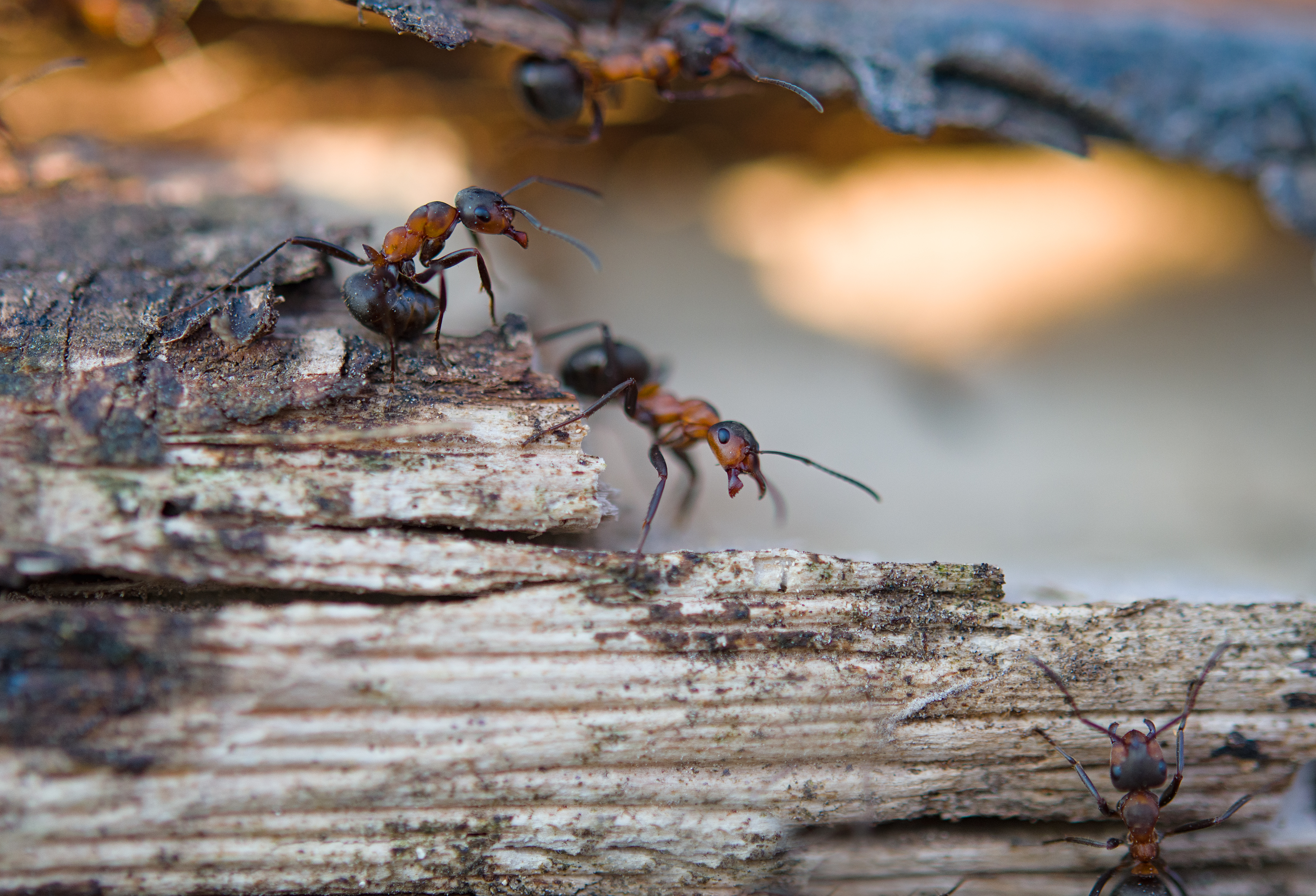
Small ants trailing across a surface
Most common

Odorous house ants

  • Tiny dark brown ants in long trails
  • Smell like rotten coconut when crushed
  • Show up at sinks, counters and pet bowls

These are the classic after-rain ant. A flooded outdoor colony splits up and moves into wall voids, under floors or behind the dishwasher. Spraying the trail makes them split more; bait works better.

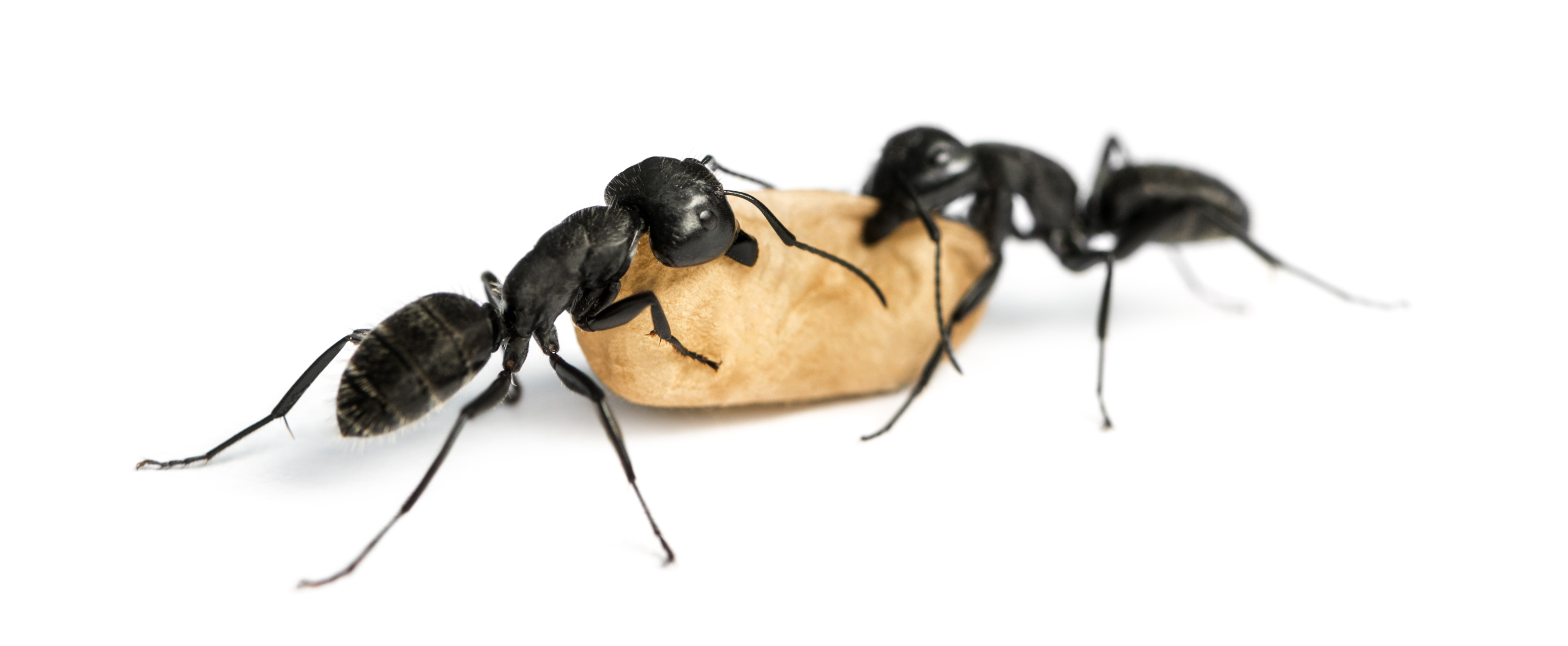
Two large carpenter ants on wood
Watch for

Carpenter ants

  • Large black or red-and-black ants
  • Piles of sawdust-like shavings
  • Seen at night near damp wood

Carpenter ants don't eat wood, but they hollow out soft, wet wood to nest. Leaky gutters, windowsills and porch posts that stay wet after rain are prime spots. They're worth taking seriously.

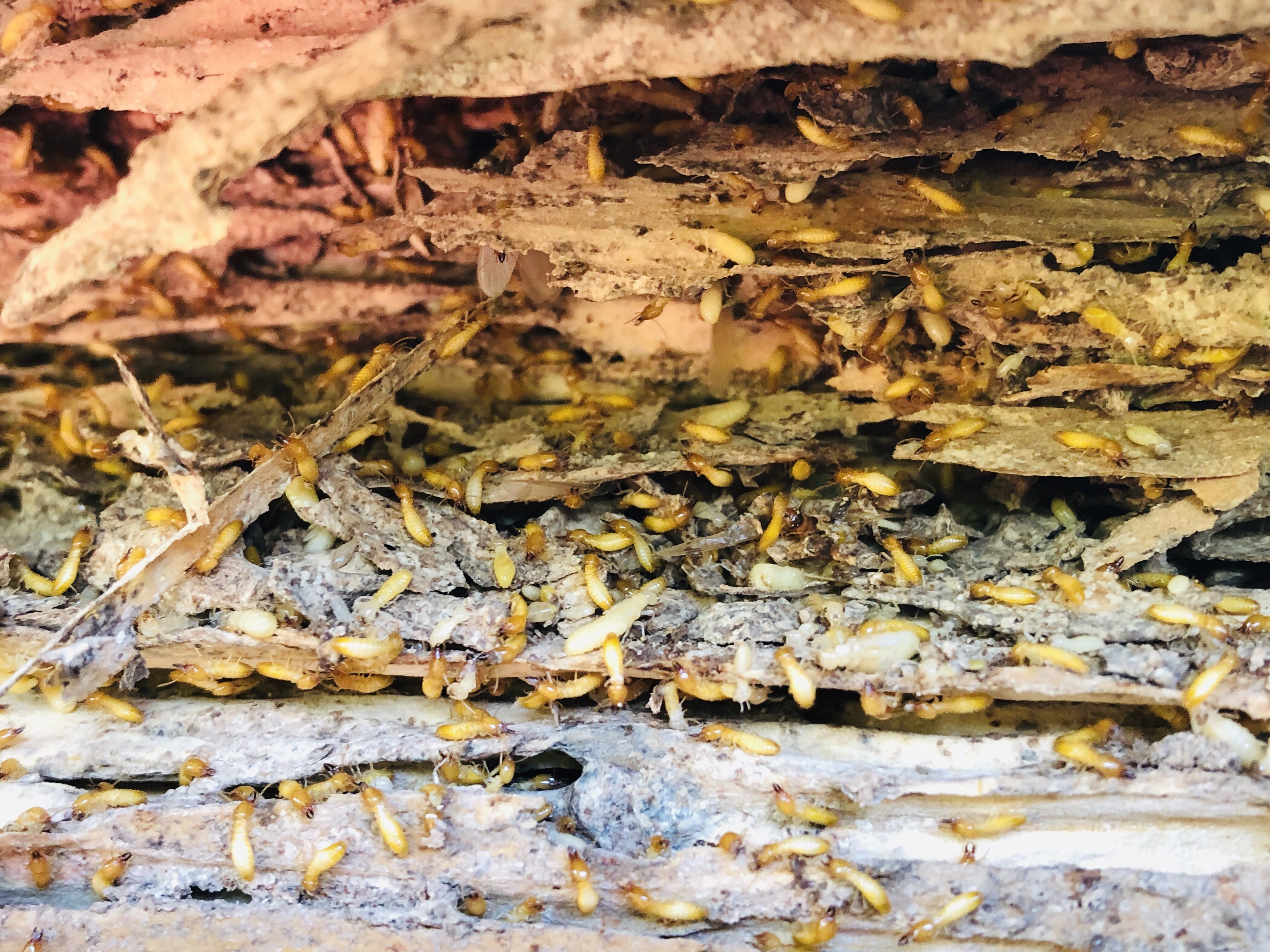
Subterranean termites working in wood
Spring

Termite swarmers

  • Winged insects near windows, often in spring
  • Discarded wings on sills
  • Straight waist, equal-length wings

On a warm day after spring rain, termite colonies send out swarmers. People often mistake them for flying ants. If they're coming out indoors, the colony may be in or under the house.

Mosquitoes: the problem that shows up a week later

Mosquitoes don't come right after the rain. They show up about a week later, once eggs laid in standing water have hatched and grown. The Asian tiger mosquito, which bites during the day and is common in North Jersey yards, breeds in very small amounts of water: a bottle cap, a plant saucer, a sagging tarp or a clogged gutter is enough.

After every heavy rain, walk the yard and dump anything holding water. Check:

  • Buckets, watering cans, kids' toys and wheelbarrows
  • Plant saucers and empty pots
  • Gutters and downspout extensions
  • Tarps over grills, boats and woodpiles
  • Birdbaths (change the water every few days)
  • Tires, recycling bins and trash can lids

If you've cleaned up and you're still being bitten in your own yard, our yard mosquito treatment starts from $95 plus tax. See mosquito control and how to keep mosquitoes away.

Damp basements and crawl spaces: where rain pests settle in

Even after the storm passes, a wet basement can keep pests around for weeks. Moisture pests like millipedes, centipedes, camel crickets, silverfish, springtails and water bugs are all signs that a space is too damp. Spraying them without fixing the moisture is a short-term fix at best.

  • Run a dehumidifier in the basement after heavy rain and empty it often.
  • Extend downspouts so water drains several feet away from the foundation.
  • Clean gutters so water doesn't pour down the walls.
  • Pull mulch and leaves back a few inches from the foundation.
  • Keep drain covers on floor drains and run water in rarely used drains so the trap doesn't dry out.
  • Get cardboard boxes off the floor. Wet cardboard is food and shelter for silverfish and roaches.

Big dark roaches coming up from basement drains after rain are usually oriental cockroaches, also called water bugs. Our water bug control page explains how we handle them. Seeing bugs in the bathroom? Try why are there bugs in my bathroom.

Mice, rats and wildlife after heavy rain

Norway rats live in burrows along foundations, under sheds and decks. When those burrows flood, rats move, sometimes into garages, basements and crawl spaces. Mice look for dry shelter too, especially when rainy fall weather turns cold. Read does rain bring out rats? for more.

Squirrels and raccoons use storms the same way. A soaked tree nest is a reason to check out your attic. Roof vents, gaps at the soffit and uncapped chimneys are the usual ways in. If you hear scratching in the attic after a stormy week, see attic noises: squirrels, rats or raccoons?

Rodents and wildlife also take advantage of storm damage. A loose piece of flashing, a torn vent screen or a soffit board that came loose in the wind can become an entry point within days. Look over the roofline after a big storm.

After-storm pest checklist

1

Walk the yard within two days

Dump standing water, clear clogged gutters and downspouts, and look for new puddles near the foundation.

2

Check the basement and crawl space

Look for water, wet cardboard, and new bugs. Start a dehumidifier.

3

Look at the roofline

Check for loose vents, soffit gaps, missing shingles or a damaged chimney cap that animals could use.

4

Watch the kitchen and bathrooms

Ant trails and drain bugs usually show up within a day or two. Wipe trails, store food sealed and keep drains covered.

Write down what you saw and where, and take photos. It helps us find the source quickly if you call.

When rainy weather pests need a professional

A few ants after a storm that disappear once things dry out aren't an emergency. Call a professional when:

  • Ants keep coming back for more than a week or two, or you see large carpenter ants.
  • You see winged insects swarming indoors, which could be termites. Our termite inspection will tell you for sure.
  • Roaches keep coming up from drains or you see small roaches in the kitchen.
  • You find droppings, gnawing or burrows near the house.
  • You hear animals in the attic or walls.
  • Mosquitoes make the yard unusable even after you've dumped standing water.

Silver Bullet Pest Control is based in Garfield and serves Bergen, Passaic, Essex and Hudson counties, with Morris and Union towns served on scheduled visits. We're licensed (NJ License 90568B), and licensed by the NJ Division of Fish and Wildlife for wildlife work. Regular service comes with a 100% satisfaction guarantee, so if you get pests every rainy season, ask about year-round pest protection.

Get a free quote

Tell us what showed up after the rain and where. We'll identify it and tell you what to do next.

Why homeowners call us after storms

  • We find the moisture problem, not just the bugs
  • Ants, roaches, rodents, termites and wildlife in one call
  • Same-day appointments are often available
  • 4.9 stars on Google, NJ License 90568B
  • Hablamos espaΓ±ol
πŸ“ž Call 973-510-2585

Request Service

πŸ”’ Your info stays private Β· Hablamos espaΓ±ol.

What's bugging you? - Step 1 of 3

Rainy weather pest questions

Why do I get ants in the house after it rains?

Heavy rain floods ant nests in the soil and under mulch, so the colony moves to drier ground, often inside walls, under floors or near kitchens. They also find food while they're inside. The trails usually ease up as things dry out, but bait works better than spray if they stay.

Do bugs come out more after rain?

Yes. Many soil and moisture insects, like ants, millipedes, centipedes, earthworms and water bugs, move to the surface or into homes when the ground floods. Mosquitoes increase about a week after rain, once eggs in standing water hatch.

How long after rain do mosquitoes come out?

Usually about a week, depending on the temperature. Mosquito eggs in standing water hatch and develop quickly in warm weather. Dumping standing water within a day or two of a storm is the best way to stop the next wave.

Why do I see more roaches after a storm?

Rain can flood sewers, drains and the soil around foundations, pushing oriental cockroaches (water bugs) and American cockroaches toward and into homes, often through floor drains and gaps at the slab. Keep drain covers in place and run water in unused drains.

Does rain make termites swarm?

Termites often swarm on warm, calm days following spring rain. If you see winged insects swarming inside the house, save a few in a bag and call for an inspection. Outdoors, a swarm can come from a stump or old wood, but indoors it can mean the colony is in the house.

Do rats come out when it rains?

Rats are more likely to move when their burrows flood, and you may see them during the day or find new burrows closer to the house. Seal gaps in the foundation and garage door, and remove food sources like birdseed and pet food.

What bugs live in a damp basement?

Common damp basement pests in North Jersey are millipedes, centipedes, camel crickets, silverfish, springtails and oriental cockroaches. They're all signs of moisture. A dehumidifier, good gutters and downspouts, and sealed gaps help more than spray alone.

Should I spray my house after a storm?

Usually not right away. Spray washed into the soil by more rain doesn't last, and spraying ant trails can make colonies split. Fix the moisture and water issues first. If pests keep coming, a professional can target the source.

Can storms let wildlife into my attic?

Yes. Wind and rain can loosen vents, soffit boards, flashing and chimney caps, and squirrels and raccoons look for dry shelter after storms soak their nests. Check the roofline after a big storm and call if you hear noises.

ΒΏPor quΓ© entran mΓ‘s plagas a la casa cuando llueve?

La lluvia inunda los nidos de hormigas, cucarachas y roedores, y buscan lugares secos como su casa. Quite el agua estancada y use un deshumidificador en el sΓ³tano. Llame o mande texto al 973-510-2585, hablamos espaΓ±ol.

Pest help across North Jersey

From our base in Garfield we help homeowners in these towns and many more.

Our service area

Union County

973-510-2585
  • Berkeley Heights
  • Clark
  • Cranford
  • Elizabeth
  • Fanwood
  • Garwood
  • Hillside
  • Kenilworth
  • Linden
  • Mountainside
  • New Providence
  • Plainfield
  • Rahway
  • Roselle
  • Roselle Park
  • Scotch Plains
  • Springfield
  • Summit
  • Union
  • Westfield

Morris County

973-510-2585
  • Boonton
  • Butler
  • Cedar Knolls
  • Chatham
  • Denville
  • Dover
  • East Hanover
  • Florham Park
  • Hanover
  • Kinnelon
  • Lincoln Park
  • Madison
  • Mendham
  • Montville
  • Morris Plains
  • Morristown
  • Mountain Lakes
  • Parsippany
  • Pequannock
  • Randolph
  • Riverdale
  • Rockaway
  • Roxbury
  • Whippany

Updated November 2026 by the Silver Bullet Pest Control team, Garfield, NJ β€’ NJ License 90568B

Scroll to Top