
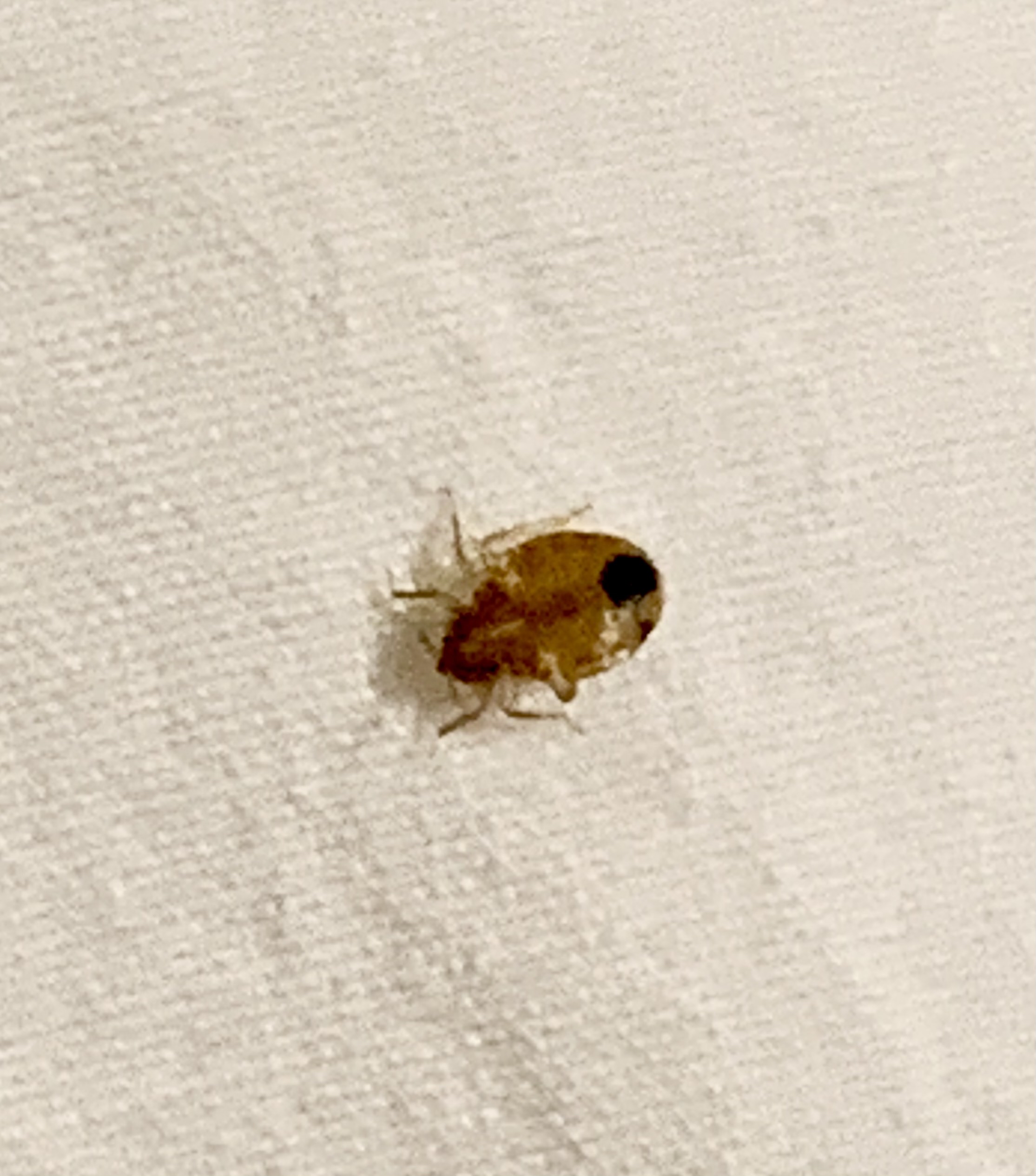
Bugs in more than one room
- Bites or spots on the couch as well as the bed
- Bugs in a second bedroom
- Kids' rooms affected
Once bed bugs move beyond one bed, there are too many hiding spots to treat by hand. A full inspection maps out where they are.
 Silver Bullet Pest Control
Bought a can of bed bug spray and the bites keep coming? You're not alone. Store sprays kill the bugs they hit, but bed bugs live in seams, cracks, outlets and furniture joints the spray never reaches, and their eggs shrug most of it off. Here's an honest comparison of bed bug spray vs professional treatment, when DIY is worth a try, and when it's time to call.
4.9 stars on Google • NJ License 90568B • 15+ years • Based in Garfield • Hablamos español
Not sure it's bed bugs? Text a photo of the bug or the spots on your sheets to 973-510-2585.
No — for an established infestation, bed bug spray from the store is rarely as good as professional treatment, because it only kills the bugs it touches and usually misses eggs and hidden bugs in cracks, seams and furniture. A professional finds every hiding spot, uses methods such as targeted treatments and heat that reach eggs, and comes back to finish the job. Spray can help with a few bugs caught very early, but it should never be your only plan.
The short version, side by side:
| Store-bought bed bug spray | Professional bed bug treatment | |
|---|---|---|
| Kills bugs on contact | Yes, if sprayed directly on them | Yes |
| Kills eggs | Usually not, or only some | Treatment plan built around eggs: heat, targeted treatments and a follow-up visit |
| Reaches hidden bugs | Only what you can see and spray | Inspection finds seams, outlets, baseboards, furniture joints and connected rooms |
| Confirms it's really bed bugs | No | Yes — a licensed technician identifies the pest first |
| Follow-up | Up to you | Return visit to catch late hatchers and confirm they're gone |
| Risk of spreading them | Higher — repellent sprays and foggers can scatter bugs | Lower — treatment is targeted, with prep to avoid moving them |
| Upfront cost | Low | Higher, but one plan instead of months of trial and error |
| Best for | A few bugs caught in the first days, or between pro visits as advised | Anything more than a handful of bugs, or bugs in more than one room |
If you're comparing pro methods too, see our guide to bed bug heat vs chemical treatment.
Sprays aren't useless — they just can't do the whole job. Four reasons:
Bed bug eggs are glued into seams and cracks and are protected by their shell. Many sprays don't kill them, so a new batch hatches a week or two later.
Bed bugs squeeze into screw holes, outlet boxes, picture frames, box-spring fabric and the gap behind baseboards — places you'll never fully coat.
Many bed bug populations have built up resistance to common store-shelf insecticides, so even a direct hit may not kill every bug.
Some products drive bed bugs away instead of killing them. They move to the couch, the next bedroom or the apartment next door.
That's why people often feel the spray "worked" for a week, then the bites come back. The bugs weren't gone — the eggs just hadn't hatched yet.
| Product type | What it does | Honest take |
|---|---|---|
| Contact spray | Kills bugs it lands on while wet | Fine for a bug you can see; does little for the hidden ones |
| Residual spray | Leaves a film that can kill bugs that cross it later | Helps in cracks if the label allows it there; not for bedding or sleeping surfaces unless the label says so |
| Aerosol bug bomb / fogger | Fills the room with mist | Not recommended for bed bugs — doesn't reach seams and can spread them |
| Dust (such as diatomaceous earth) | Dries out bugs that crawl through it | Slow, must stay dry and thin, and only works where it's placed; see our boric acid vs diatomaceous earth guide |
| Steamer (handheld) | Heat kills bugs and eggs it touches | Useful on seams if done slowly and carefully; still a spot treatment |
| Mattress encasement | Traps bugs in the mattress and box spring | Genuinely useful — makes bugs easier to spot and protects the mattress |
Always read and follow the label. The label is the law for any pesticide, and many sprays are not meant for mattresses, pillows or kids' beds. More detail: are there over-the-counter treatments for bed bugs? and does bed bug spray work?
Catch one on clear tape or snap a sharp photo. Carpet beetles, fleas and bat bugs get mistaken for bed bugs all the time, and each is treated differently.
Bag bedding, curtains and clothes from the room, carry them sealed to the dryer and run them on high heat. Keep clean items sealed until the problem is solved.
Vacuum mattress seams, the bed frame and baseboards, then seal the vacuum bag outside. Put zippered bed bug encasements on the mattress and box spring.
Use a labeled product only where the label allows, mostly cracks and crevices. No foggers. Keep sleeping in your bed so the bugs don't spread to the couch.
Give it about two weeks. If you're still finding bugs, fresh spots or new bites, DIY isn't keeping up and it's time for a professional.
A professional visit is less about a stronger spray and more about finding every hiding spot and killing the eggs. Here's how a typical job goes with Silver Bullet Pest Control:
See our main bed bug exterminator page for more, or get ready ahead of time with our bed bug prep checklist.
Any one of these means the infestation is ahead of the spray can:
Once bed bugs move beyond one bed, there are too many hiding spots to treat by hand. A full inspection maps out where they are.
Young bugs appearing after you treated means eggs survived. That's the classic sign that spray alone isn't finishing the job.
In connected units, bed bugs travel through walls, pipes and hallways. Treating one unit with a spray can push them next door and back again.
We give a free quote after looking at the home. These are the things that change the price:
| Factor | Why it matters |
|---|---|
| How many rooms | One bedroom is a smaller job than bedrooms plus the living room. |
| How long it's been going on | An early catch has fewer bugs and fewer hiding spots. |
| Clutter and furniture | More items and upholstered pieces mean more places to treat. |
| Method | Heat treatment and targeted treatments are priced differently. |
| Home type | Two-family houses and apartment buildings may need neighboring units checked. |
Compare that with months of sprays, new bedding and lost sleep. Our bed bug treatment cost guide explains more. Call or text 973-510-2585 and we'll tell you what to expect.
Tell us what you've tried and which rooms are affected. We'll set up an inspection, discreetly.
🔒 Your info stays private · Hablamos español.
Yes, many sprays kill bed bugs they hit directly while wet. The problem is everything they don't hit: eggs, bugs deep in seams, outlets and furniture joints, and bugs that have built up resistance. That's why sprays tend to knock down what you see without ending the infestation. Use them only as the label allows, and don't count on them alone.
Sometimes, if you catch a very small problem early and are thorough: hot-dryer the bedding, vacuum, encase the mattress and box spring, and spot-treat cracks carefully. Most homeowners who find bed bugs after a few weeks, or in more than one room, need professional help. If you're still seeing bugs after about two weeks, call.
Usually because the eggs survived. Bed bug eggs are glued into hidden cracks and many sprays don't kill them, so a new group hatches one to two weeks later. Bugs may also be hiding in places you never sprayed, like the headboard, couch or the room next door, and simply walk back.
No. Foggers spray mist onto open surfaces, but bed bugs hide in seams, cracks and inside furniture where the mist doesn't reach. Foggers can also push bed bugs into walls and other rooms, making the problem bigger and harder to treat. They're also a fire and breathing risk if misused. Skip them for bed bugs.
Most homes need an initial treatment plus at least one follow-up visit, because eggs can hatch after the first service. Heat treatment kills bugs and eggs in the treated area during the visit itself. Your technician will tell you what to expect for your home, how long to stay out of treated rooms, and when the follow-up will be.
Professional treatment is planned around the people and pets in the home. A licensed technician chooses methods that fit, follows product labels, and tells you how long to stay out of treated areas. Heat treatment uses no pesticide on the bed itself. Tell us about babies, pets, fish tanks and health conditions when you book.
Usually not. Most mattresses can be treated and then sealed in a zippered bed bug encasement. Dragging an infested mattress through the house can drop bugs along the way, and a new mattress in an untreated room will get infested too. Wait until a technician looks at it before deciding.
DIY costs less upfront, but repeat sprays, new bedding and weeks of bites add up when it doesn't work. Professional cost depends on the number of rooms, how long it's been going on, clutter, the method and the type of home. We give a free quote after looking. See our bed bug treatment cost guide for details.
We're based in Garfield and treat bed bugs throughout Bergen, Passaic, Essex and Hudson counties, including Lodi, Clifton, Passaic, Paterson, Hackensack and Kearny. Same-day appointments are often available. Call or text 973-510-2585, NJ License 90568B, and we'll give you a free quote and an honest plan for your home.
Mata las chinches que toca, pero casi nunca acaba con los huevos ni con las que están escondidas en costuras, enchufes y muebles. Por eso vuelven a aparecer a las dos semanas. Si sigue viendo chinches, llámenos o mándenos una foto al 973-510-2585. Hablamos español y le damos una cotización gratis.
Based in Garfield, we treat bed bugs across Bergen, Passaic, Essex and Hudson counties.
Updated November 2026 by the Silver Bullet Pest Control team, Garfield, NJ • NJ License 90568B