Silver Bullet Pest Control logoSilver Bullet Pest Control
Bed Bugs Β· Treatment Methods Β· North Jersey

Bed Bug Heat Treatment vs Chemical Treatment: Which Is Better?

Heat or chemicals β€” which one actually gets rid of bed bugs? Both work when they're done right, and they work in different ways. Heat kills bugs and eggs in a single visit with no pesticide on your bed. Chemical treatments keep working after the technician leaves. Many homes do best with a mix. This guide compares bed bug heat treatment vs chemical treatment honestly, including the brand-name products people ask us about.

4.9 stars on Google β€’ NJ License 90568B β€’ 15+ years β€’ Based in Garfield β€’ Hablamos espaΓ±ol

Text a photo of the bug to 973-510-2585 β€” we'll confirm it's bed bugs before you pay for any treatment.

  • βœ“ Same-day appointments often available
  • βœ“ Licensed & insured in NJ
  • βœ“ Homes & businesses
  • βœ“ English & EspaΓ±ol

Is bed bug heat treatment better than chemical treatment?

Bed bug heat treatment is usually faster than chemical treatment, because heating a room to a lethal temperature kills bugs and eggs in one visit without pesticide on the bed, while chemical treatment works over days and typically needs follow-up visits. Chemical treatment, though, keeps protecting cracks and baseboards after the visit and handles spots heat can't reach. For many homes the best answer is heat plus targeted treatments, chosen after a proper inspection.

Bed bug heat treatment vs chemical treatment compared

How the two methods stack up on the things people care about:

Heat treatmentChemical treatment
How it killsRaises the room's temperature high enough, long enough, to kill bed bugsInsecticides applied to cracks, seams, baseboards and furniture kill bugs that contact them
EggsKills eggs in the heated areaMany products don't kill eggs directly; a follow-up catches hatchlings
SpeedMost kill happens during the visitWorks over days to weeks
VisitsOften fewerUsually an initial visit plus at least one follow-up
Lasting protectionNone after the room coolsResidual products keep working in treated cracks
Pesticide on the bedNoneOnly products labeled for that use, applied as the label allows
ResistanceBugs can't resist heatSome bed bug populations resist certain insecticides
Weak spotsCold spots, heavy clutter, items that can't be heatedHidden areas the product doesn't reach; slower in large infestations

Still deciding whether you need a pro at all? Read bed bug spray vs professional treatment first.

How bed bug heat treatment works

Bed bugs and their eggs can't survive sustained high heat. In a heat treatment, the rooms being treated are brought up to a temperature well above what bed bugs can tolerate and held there for several hours while the heat soaks into mattresses, furniture, closets and wall voids. The goal is no cold spots, so the air and the contents are monitored as the treatment runs.

Where heat shines:

  • Heavily infested mattresses, box springs, couches and recliners
  • Homes with kids, pets or people who want as little pesticide near the bed as possible
  • Bed bugs that have survived earlier sprays
  • Families who want the problem knocked out quickly

What it doesn't do: once the room cools, heat leaves nothing behind. A bug that wanders in from an untreated room the next day isn't affected. Items that can't take heat (some electronics, candles, medications, aerosol cans, plastics, artwork) must come out and be handled another way.

Silver Bullet Pest Control offers bed bug heat treatment. We'll tell you after the inspection whether heat is the right call for your home.

How chemical bed bug treatment works

"Chemical" treatment means a licensed technician applies registered insecticides exactly where bed bugs hide and travel: mattress and box-spring seams (with labeled products), bed frames, headboards, furniture joints, baseboards, outlets, carpet edges and cracks in walls and floors. Professionals rotate and combine product types, such as liquids, dusts and other formulations, so bugs that shrug off one still die from another.

Where chemical treatment shines:

  • Light or early infestations
  • Protecting cracks and baseboards after a heat treatment
  • Apartment buildings and two-family houses, where neighboring units may need treating at the same time
  • Spots heat can't easily reach or items that can't be heated

What to expect: bugs keep turning up for a short time while they contact the treatment, and eggs laid before the visit can hatch afterward. That's why chemical plans almost always include a follow-up visit.

Aprehend, CrossFire and other brand names people ask about

Customers often search for specific products. Here's what those names generally are β€” honest, not a sales pitch:

A bed bug on a bed sheet
Biological

Aprehend bed bug treatment

  • A fungal-spore product, not a typical insecticide
  • Sprayed in barrier bands where bed bugs walk
  • Bugs pick up spores and die over several days

Aprehend is a biological option built around a fungus that infects bed bugs. Bugs walking across the treated band carry spores back to hiding spots. It's a slower, barrier-style approach rather than a quick knockdown, and how well it fits depends on the home and the infestation.

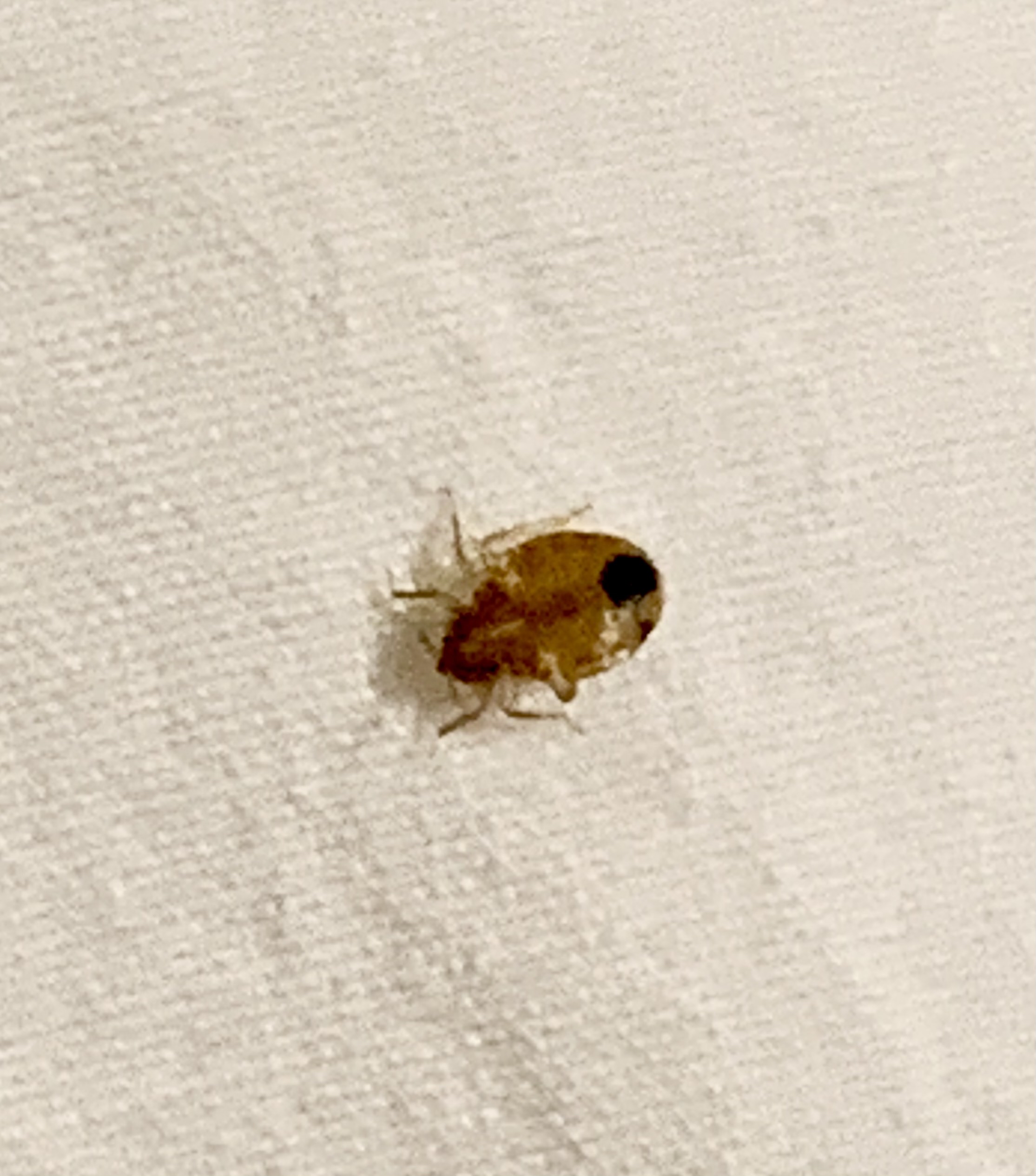
Close-up of a bed bug on fabric
Liquid

CrossFire bed bug treatment

  • A professional liquid concentrate labeled for bed bugs
  • Applied to cracks, seams and harborage areas
  • Part of a chemical plan, not a one-spray fix

CrossFire is a professional liquid used in chemical bed bug programs. Like any liquid, it only works where it's applied and as the label directs, so it depends on a careful inspection and a follow-up visit.

A bed bug on a white sheet
Physical

Heat, steam and encasements

  • Heat treats whole rooms with no pesticide
  • Steam spot-treats seams and edges
  • Encasements trap bugs inside the mattress

Non-chemical tools are part of almost every good plan. Heat clears whole rooms, while encasements and careful vacuuming help keep things clear afterward.

Which bed bug treatment is right for your home?

Your situationOften the better fitWhy
Single bedroom, caught earlyTargeted chemical treatment + follow-upSmall area, few hiding spots
Heavy infestation in beds and couchesHeat, plus targeted treatment of cracksHeat kills eggs in furniture fast; residual covers the edges
Already tried store spraysHeatSurviving bugs may be resistant to common insecticides
Baby, pets or chemical sensitivityHeat, with minimal targeted treatmentLeast pesticide near where people sleep
Apartment building or two-familyCoordinated treatment of affected and neighboring unitsBed bugs travel through shared walls
Lots of heat-sensitive items or clutterChemical treatment with a tailored prep planHeat struggles with cold spots and items that must be removed

This is a starting point, not a rule. The inspection decides. Live in a building? See bed bugs in apartments.

How prep differs for heat vs chemical treatment

πŸ”₯

Heat: remove what can't take heat

Candles, aerosol cans, medications, lipstick, vinyl records, some electronics and plants go out or into a cool room. We'll give you a full list.

🧺

Chemical: laundry and clear edges

Wash and dry bedding and clothes on high heat, bag them, and pull furniture a little away from walls so baseboards can be treated.

πŸ“¦

Both: cut the clutter

Fewer items on the floor and under the bed means fewer hiding spots and a more complete treatment.

πŸ›οΈ

Both: don't move things out

Taking belongings to another room or home can carry bed bugs with them. Keep sleeping in your bed.

Our bed bug treatment prep checklist walks through it step by step, and we'll give you a written prep sheet for your home in English or Spanish.

How long does each bed bug treatment take?

1

Inspection

A licensed technician confirms bed bugs and maps the hiding spots. This is where the method gets chosen.

2

Treatment day

Heat runs for several hours with you out of the home. A chemical visit is shorter, and you stay out of treated rooms for the time the technician tells you.

3

The next two weeks

After heat, sightings should drop sharply. After chemical treatment, you may still see a few bugs as they contact the products β€” that's expected.

4

Follow-up visit

We return to check for late hatchers and re-treat if needed, then confirm activity has stopped.

What affects the cost of heat vs chemical bed bug treatment

We don't post one flat price because no two bed bug jobs are the same. We give a free quote after the inspection. The price depends on:

  • Method: heat takes equipment and several hours on site; chemical treatment is shorter but usually needs more visits.
  • Square footage and number of rooms being treated.
  • How bad it is: a few bugs in one bed vs. bugs in couches, closets and outlets.
  • Clutter and furniture that add hiding spots and time.
  • Home type: neighboring units in apartment buildings and two-family homes may need to be checked.

More: bed bug treatment cost and bed bug cost questions in New Jersey.

Get a free bed bug treatment quote

Tell us which rooms are affected and what you've tried. We'll inspect and recommend heat, targeted treatment or both.

Why North Jersey calls us for bed bugs

  • Bed bug heat treatment and targeted treatments
  • We confirm it's bed bugs before treating
  • Follow-up visit included in the plan
  • Based in Garfield Β· NJ License 90568B
  • 4.9 stars on Google Β· Hablamos espaΓ±ol
πŸ“ž Call 973-510-2585

Request Service

πŸ”’ Your info stays private Β· Hablamos espaΓ±ol.

What's bugging you? - Step 1 of 3

Bed bug heat vs chemical treatment: FAQ

Does heat treatment kill bed bug eggs?

Yes. When rooms reach and hold a high enough temperature for long enough, heat kills bed bugs at every stage, including eggs. That's the biggest advantage over many chemical products, which mostly kill hatched bugs. The key is even heat with no cold spots, which is why the treatment runs for hours and is monitored.

Is heat treatment for bed bugs a one-time treatment?

Heat kills most bugs and eggs during the visit, so many homes need fewer visits than with chemicals alone. A follow-up inspection is still smart, because bugs can hide in items removed before treatment or in rooms that weren't heated. Pairing heat with targeted treatment of cracks adds protection afterward.

Is chemical bed bug treatment safe?

When a licensed technician applies registered products according to the label, chemical treatment is a standard, accepted method. The technician chooses where and what to apply, avoids sleeping surfaces unless the label allows it, and tells you how long to stay out of treated rooms. Tell us about kids, pets and health conditions when you book.

Can heat treatment damage my belongings?

Heat can damage things that melt or are sensitive to high temperatures, like candles, crayons, aerosol cans, some medications, plastics, vinyl records and certain electronics. That's why we give you a prep list of what to remove before treatment. Furniture, mattresses, clothing and most household items handle the heat fine.

What is Aprehend bed bug treatment?

Aprehend is a biological bed bug product based on fungal spores. It's sprayed in barrier bands where bed bugs travel; bugs that cross it pick up spores and die over several days, and can carry spores back to their hiding spots. It works more slowly than heat. We choose products job by job, so ask us whether it fits your home.

What is CrossFire bed bug treatment?

CrossFire is a professional liquid insecticide concentrate labeled for bed bugs. It's used in chemical treatment programs, applied to cracks, seams and other hiding spots as its label directs. Like any liquid treatment, it works best with a thorough inspection and a follow-up visit. We select products for each job, so ask us what we plan to use.

How long do I have to leave my home for bed bug treatment?

For heat treatment, plan to be out for most of the day while the rooms are heated and then cool down. For chemical treatment, you usually stay out of treated rooms for a few hours. Your technician will give you the exact time based on what's used and who lives there, including pets.

Which is cheaper, heat or chemical bed bug treatment?

It depends on the home. Heat needs equipment and several hours on site, while chemical treatment is quicker per visit but usually needs more visits. The size of the home, number of rooms, how long the bugs have been there and clutter matter as much as the method. We give a free quote after looking.

Do I still need to prep for heat treatment?

Yes, but it's different. Instead of washing everything, you mainly remove items that can't take heat and reduce clutter so the heat moves freely. Bedding and clothes can often stay in the room to be heated. We'll give you a written prep sheet for your specific home and method.

Do you offer bed bug heat treatment near me?

Yes. Silver Bullet Pest Control is based in Garfield and offers bed bug heat treatment and targeted treatments across Bergen, Passaic, Essex and Hudson counties. NJ License 90568B. Same-day inspections are often available. Call or text 973-510-2585 for a free quote.

ΒΏQuΓ© es mejor para las chinches, el calor o los quΓ­micos?

El tratamiento con calor mata chinches y huevos en una sola visita sin poner pesticida en la cama. El quΓ­mico sigue protegiendo grietas y zΓ³calos despuΓ©s de la visita. Muchas casas necesitan una combinaciΓ³n. LlΓ‘menos al 973-510-2585; hablamos espaΓ±ol y le damos una cotizaciΓ³n gratis.

Bed bug heat and chemical treatment near you

Based in Garfield, serving Bergen, Passaic, Essex and Hudson counties.

Updated November 2026 by the Silver Bullet Pest Control team, Garfield, NJ β€’ NJ License 90568B

Scroll to Top