
Book now
German Cockroach Control in New Jersey
German Cockroaches in Cars: Signs, Causes & Treatment in NJ
Unlike the outdoor species that occasionally wander into a vehicle, German cockroaches are capable of building an actual breeding colony inside a car. This page covers how to recognize a real infestation, why it happens, and how Silver Bullet Pest Control treats it. Licensed and insured – NJ #90568B.
How German cockroaches get into a vehicle
- Riding in on grocery bags, take-out containers, cardboard boxes or moving boxes
- Transferring from an infested home, apartment or garage when a car is parked in an attached garage
- Coming in through secondhand items, delivery boxes or work equipment placed in the vehicle
- Following food odors from spilled drinks, dropped fries or fast-food wrappers left in the cabin
Signs of a German cockroach infestation in a car
- Repeated sightings, especially at night when you open a door or trunk
- Small, dark droppings resembling pepper flakes or coffee grounds in seat seams and cup holders
- Egg cases (oothecae) tucked under seats, in door pockets or behind trim panels
- A musty, oily odor building up inside the cabin
- Shed skins from nymphs molting in warm, hidden spaces like under the dash
Why German cockroaches thrive in a car – but outdoor species don’t
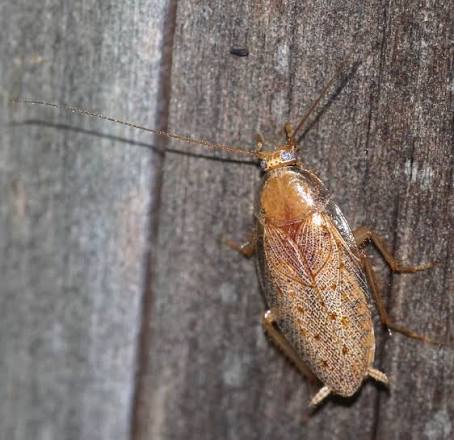
German cockroaches need three things to establish a colony: food debris, moisture, and consistent warmth. A car that sits in the sun, has crumbs under the seats, and holds humidity from spilled drinks or damp floor mats can meet all three. Outdoor species like tawny field cockroaches, by contrast, rely on leaf litter and soil moisture they simply can’t find inside a vehicle, which is why they don’t reproduce there.
4-step treatment process
- Inspection: Confirm German cockroach activity versus an outdoor hitchhiker, and map out hot spots – seat tracks, console, trunk.
- Deep clean coordination: Remove trash, food debris and clutter so treatment can reach every void.
- Targeted treatment: Gel baits and insect growth regulators placed in cracks, seat frames and panel gaps – no open spraying or foggers.
- Monitoring & follow-up: Glue monitors confirm the colony is eliminated, with a second visit if activity continues.
Find Us
FAQs
Can German cockroaches spread from my car back into my house?
Yes – if an infested car is parked in an attached garage or roaches are carried in on bags or clothing, they can move indoors, so both areas may need attention.
How long does treatment take to work?
Baiting typically reduces activity within 1-2 weeks, with a follow-up visit to confirm the colony is fully eliminated.
Is same-day service available?
Yes, depending on availability. Call 973-510-2585.
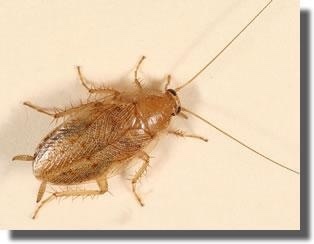
What we’ve found in vehicles

Related pages
- Car Roach Treatment in New Jersey (main service page)
- Car Roach Exterminator in New Jersey
- Tawny Field Cockroach Identification & Control
- Wood Cockroach vs German Cockroach
- How to Get Rid of Roaches in a Car (Tips & Guide)
- Cockroach Control for Work Vans & Fleets
- How Do Roaches Get Into a Car?
- Signs You Have Roaches in Your Car
- Can Roaches Live in a Car?
- Roach Extermination Cost for Cars in NJ
Silver Bullet Pest Control – licensed and insured cockroach treatment for cars, trucks, work vans and fleets throughout New Jersey. Friendly, discreet service for families and businesses. Call 973-510-2585.