
Book now
Emergency Pest Control in New Jersey
How to Get Rid of Roaches in Your Car: NJ Tips & Treatment Guide
Whether it’s a one-time hitchhiker or a real infestation, here’s a practical, step-by-step guide New Jersey drivers can use, plus where DIY steps stop and professional treatment should start.
Step-by-step: what to do first
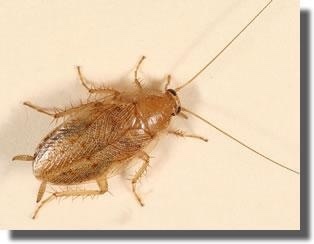
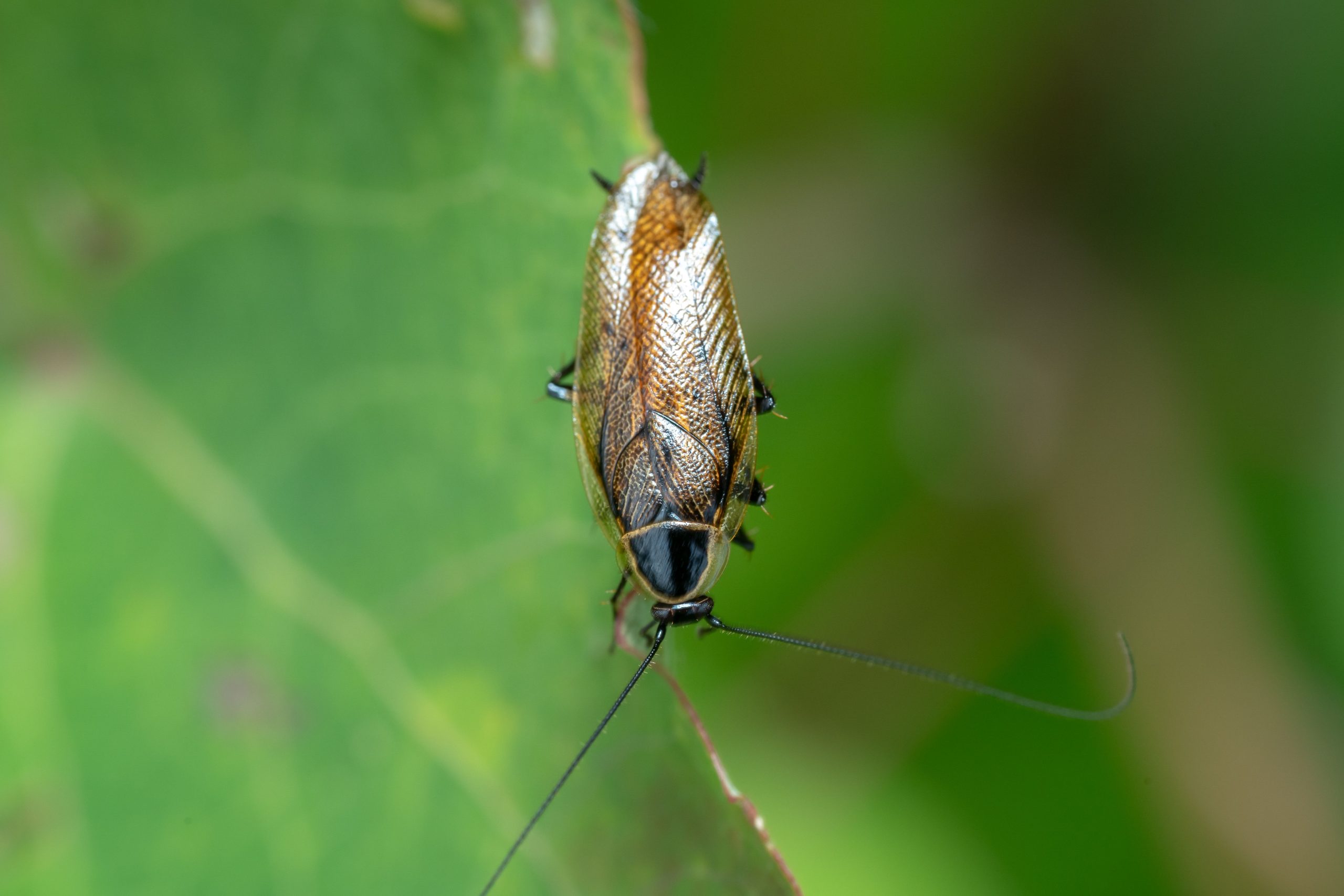
- Identify what you’re dealing with. A single roach seen during the day, especially after parking near a wood line, mulch bed or dumpster, is usually a wandering outdoor species like a tawny field or wood cockroach. Repeated sightings, droppings or a musty smell point to German cockroaches.
- Remove food and trash immediately. Clear out wrappers, cups, napkins and crumbs from seats, floors and door pockets – this removes the food source driving any indoor-style infestation.
- Deep vacuum the interior. Focus on seat seams, under-seat tracks, floor mats, the trunk and any cargo area, since crumbs collect in these gaps.
- Check for moisture sources. Dry out damp floor mats, fix any small leaks near the sunroof or door seals, and let the cabin air out on dry days.
- Inspect items before they go in the car. Secondhand boxes, furniture, and even grocery bags can carry egg cases – give them a quick check before loading them in.
DIY tips and tricks that actually help
- Use sticky glue traps placed under seats and in the trunk overnight to monitor activity before deciding on treatment.
- Park away from mulch beds, tall grass, wood lines and dumpsters when possible, especially overnight.
- Keep exterior lighting angled away from where the car is parked, since flying species like tawny field cockroaches and wood cockroaches are drawn to light.
- Wipe down cup holders and console surfaces weekly to remove sticky residue.
- Store pet food, birdseed or animal feed elsewhere – never in the trunk or cabin – as these are strong roach attractants.
What NOT to do
- Don’t use a fogger (“bug bomb”) inside the car. Fog doesn’t reach the cracks, seat tracks and voids where roaches actually hide, and it can leave residue on electronics, touchscreens and upholstery.
- Don’t rely on air fresheners to mask the problem – they don’t address food debris, moisture or hiding spots.
- Don’t assume detailing alone solves an established infestation – it helps with sanitation but won’t reach an egg case tucked into a seat frame.
When to call a professional
If you’ve done a thorough cleanout and vacuum but keep seeing roaches, notice droppings or egg cases, or aren’t sure whether you’re dealing with an outdoor hitchhiker or a real infestation, it’s time for an inspection. Silver Bullet Pest Control identifies the species first, then applies crack-and-crevice treatment and baiting specific to a vehicle’s interior – never open sprays or foggers.
4-step professional treatment overview
- Inspection: Confirm species and locate hot spots.
- Plan: Crack-and-crevice, baiting, or monitoring based on findings.
- Treatment: Low-odor, targeted application in seat tracks, consoles, trunk panels and door seams.
- Prevention: Practical cleaning and parking habits to prevent recurrence.
Find Us
FAQs
How long does DIY cleanup take to show results?
For a single outdoor hitchhiker, cleanup alone often resolves it within a day or two. For a real infestation, expect no improvement from cleaning alone – treatment is needed.
Is it worth calling a pro for just one roach?
Not usually, if it was a single daytime sighting near woods or a dumpster. If it happens repeatedly, an inspection can rule out a bigger problem early.
Related photos

Related pages
- Car Roach Treatment in New Jersey (main service page)
- Car Roach Exterminator in New Jersey
- Tawny Field Cockroach Identification & Control
- German Cockroaches in Cars
- Wood Cockroach vs German Cockroach
- Cockroach Control for Work Vans & Fleets
- How Do Roaches Get Into a Car?
- Signs You Have Roaches in Your Car
- Can Roaches Live in a Car?
- Roach Extermination Cost for Cars in NJ
Silver Bullet Pest Control – licensed and insured cockroach treatment for cars, trucks, work vans and fleets throughout New Jersey. Friendly, discreet service for families and businesses. Call 973-510-2585.