

Book now
Cockroach Control in New Jersey
Car Roach Treatment in New Jersey
Finding a cockroach in your car is not always a sign of a dirty vehicle. In New Jersey, roaches turn up in sedans, SUVs, pickup trucks, work vans and commercial fleets for two very different reasons: an outdoor species has wandered in and gotten trapped, or a German cockroach infestation has actually established itself inside the cabin. Silver Bullet Pest Control identifies which type of roach you have, then builds a treatment plan specific to a vehicle’s tight, curved, electronics-filled spaces. Licensed and insured – NJ #90568B.
Serving drivers and fleets statewide in New Jersey
- Commuters and daily drivers in North, Central and South Jersey
- Homeowners with roaches spreading from a house or garage into a parked car
- Delivery drivers, rideshare drivers and contractors who eat and work on the road
- Businesses with company cars, box trucks, work vans and commercial fleets
What we do
- On-site or drop-off inspection to confirm the species before any treatment starts
- Crack-and-crevice treatment along seat tracks, door sills, dash seams and trim panels
- Targeted gel baiting and insect growth regulator placement in hidden voids
- Discreet glue monitors to track activity and confirm the infestation is resolved
- Detailing and sanitation guidance to remove the food and moisture sources roaches need
- Follow-up visits and warranty options depending on the severity of the case
4-step vehicle treatment process
- Inspection: We check the cabin, trunk, engine bay and under-seat tracks, and identify the species – outdoor wanderer or German cockroach infestation.
- Plan: We choose crack-and-crevice application, baiting, monitoring, or a combination based on what we find.
- Treatment: Low-odor, vehicle-safe products are placed in seams, tracks, consoles and panel gaps – never sprayed openly across seats or electronics.
- Prevention: We walk you through cleaning steps, storage habits and entry points so roaches don’t come back.
Find Us
FAQs
Can a single roach in my car mean an infestation?
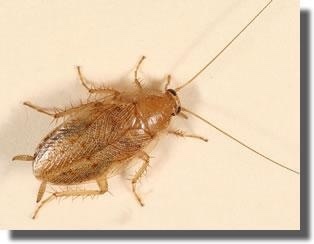
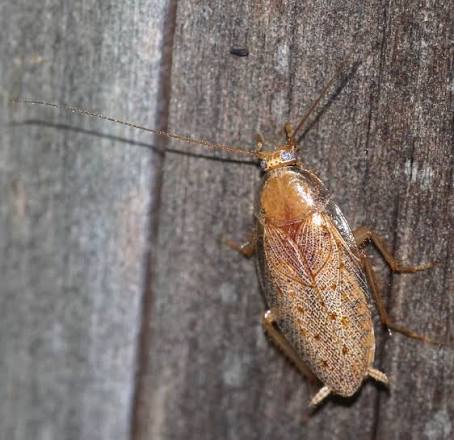
One tawny field cockroach or wood cockroach hitching a ride is usually not an infestation – it wandered in and got stuck. Multiple sightings, egg cases (oothecae), or roaches at night near food wrappers point to German cockroaches actually breeding inside the vehicle.
Do you offer same-day service?
Yes, depending on availability. Call 973-510-2585.
Is treatment safe for a car’s interior and electronics?
We use crack-and-crevice methods and targeted baits rather than open sprays or foggers, which protects seats, wiring and infotainment components.
Recent jobs
Related pages
- Car Roach Exterminator in New Jersey
- Tawny Field Cockroach Identification & Control
- German Cockroaches in Cars
- Wood Cockroach vs German Cockroach
- How to Get Rid of Roaches in a Car (Tips & Guide)
- Cockroach Control for Work Vans & Fleets
- How Do Roaches Get Into a Car?
- Signs You Have Roaches in Your Car
- Can Roaches Live in a Car?
- Roach Extermination Cost for Cars in NJ
Silver Bullet Pest Control – licensed and insured cockroach treatment for cars, trucks, work vans and fleets throughout New Jersey. Friendly, discreet service for families and businesses. Call 973-510-2585.
Why Are There Cockroaches In My Car? (New Jersey Guide)
New Jersey drivers usually discover a roach in the car in one of two ways: a single bug scurries across the dashboard on a warm afternoon, or several roaches show up night after night around fast-food wrappers and cup holders. These are very different problems. Understanding the difference is the first step to getting rid of them for good.
Where outdoor roaches actually live before they end up in a car
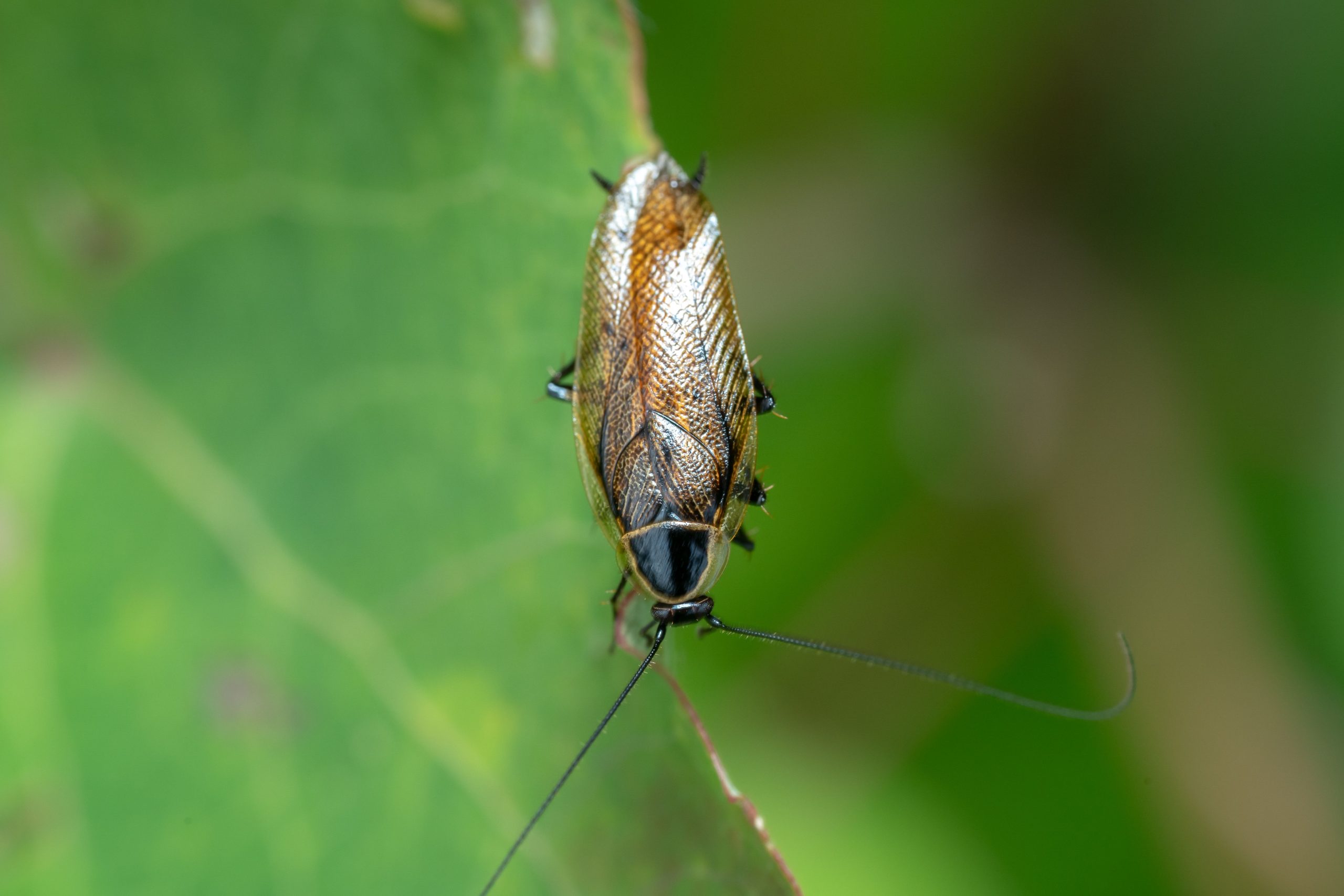
The cockroaches that show up in New Jersey vehicles most often are not the same species that infest kitchens. Tawny field cockroaches, wood cockroaches and other outdoor roaches live their entire lives outside under normal conditions. Typical habitat includes:
- Leaf litter and mulch beds along the edges of lawns, wood lines and landscaping, where moisture and shade stay consistent.
- Woodpiles, stumps, and rotting logs at the tree line, which hold both food (fungus and decaying wood) and shelter.
- Dumpster pads and dumpster enclosures near wooded lots, especially behind restaurants, apartment complexes and warehouses bordering woods – grease, food waste and standing water attract them in large numbers.
- Ground cover, ivy and dense shrubs close to driveways and parking areas, which give them a short, direct path onto a parked car.
- Storm drains, utility boxes and landscape timbers that trap moisture year-round.
These roaches are strong fliers and fast crawlers. When a car is parked near a wood line, a dumpster, or dense landscaping overnight, it is common for one or more to climb the tires, wheel wells or door seams and end up inside when a door or window is opened, or through gaps around the cowl and HVAC intake.
What outdoor roaches do once they’re inside a vehicle
Most outdoor cockroaches that end up in a car cannot survive there long-term. They came in seeking shelter, not food, and a car’s interior is too dry and too free of organic debris to support a breeding colony. That’s why a single sighting – especially after parking near woods, a dumpster or tall grass – is usually a one-time hitchhiker rather than an infestation. They tend to hide in door pockets, under floor mats, behind the glovebox or in the trunk until they either die, escape, or are removed during treatment.
When it’s actually German cockroaches breeding in the vehicle
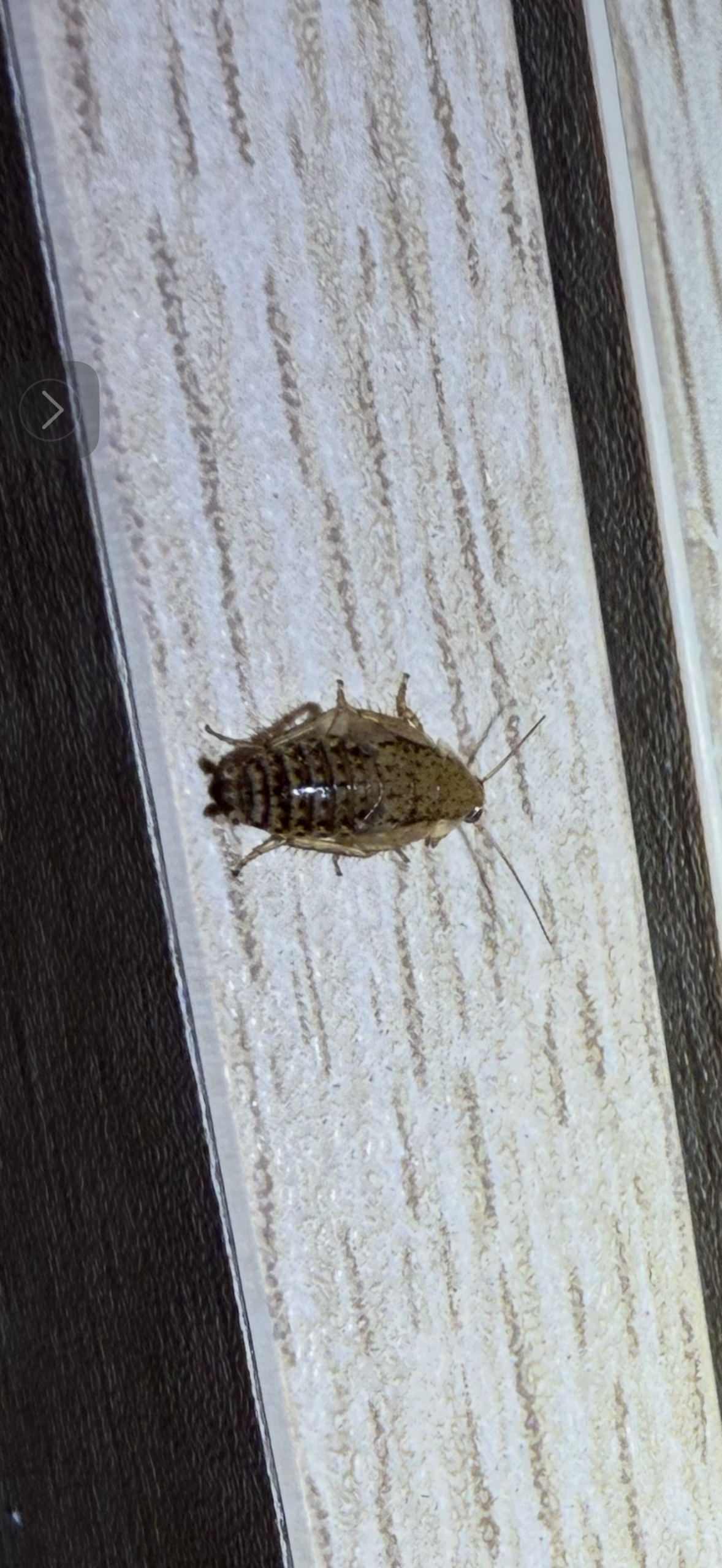
German cockroaches are a different story. They are an indoor-adapted species that can establish a true breeding population inside a car if there is a steady food source – dropped fries, spilled soda, crumbs under seats – and any consistent warmth and moisture, such as from an idling engine or a leaking cup holder. Signs of an actual infestation include repeated nighttime sightings, a musty odor, small dark droppings that look like pepper flecks or coffee grounds, and oothecae (egg cases) tucked into seat seams or under the dash. This is when crack-and-crevice treatment and baiting – not just cleaning – become necessary.
Work Vans, Delivery Vehicles and Commercial Fleets
Commercial vehicles are at higher risk than personal cars because they are often parked overnight near dumpsters, loading docks and wooded commercial lots, and drivers frequently eat meals on the move. Silver Bullet Pest Control treats individual work trucks as well as full commercial fleets, with scheduling options that minimize vehicle downtime for businesses.
Crack-and-Crevice Treatment, Baits and Monitoring
Vehicle interiors are made up of dozens of small voids – under seat tracks, inside door panels, behind the dash, in trunk liners and beneath carpet padding. Effective treatment targets these gaps directly with low-odor, crack-and-crevice-labeled products and gel baits placed out of reach of children and pets, paired with discreet glue monitors to confirm activity has stopped before we close out the job.
Why Foggers Should Not Be Used In A Vehicle
Total-release foggers (“bug bombs”) are not designed for the small, enclosed, electronics-dense space of a car interior. Fog settles on exposed surfaces but rarely reaches the cracks, seat tracks and voids where roaches and their egg cases actually hide, so infestations often continue after a fogger is used. Foggers can also leave residue on dashboards, touchscreens, sensors and upholstery, and represent a fire or inhalation risk in an enclosed cabin. We use targeted, labeled methods instead.
Treatment Around Seats, Carpeting, Trunk Panels and Consoles
Every vehicle treatment focuses on the specific hiding spots roaches use: seat tracks and seat frame voids, under carpeting and floor mats, inside center console compartments and cup holder assemblies, along door sill plates and kick panels, and inside trunk liners and spare tire wells. We inspect each of these areas, apply targeted product where needed, and set monitors to verify the results.
Vehicle Preparation and Re-Entry Instructions
Before your appointment, remove loose trash, food wrappers, floor mats and any bags or boxes so we can access seat tracks and floor areas. Vacuum out loose crumbs beforehand if possible. After treatment, we’ll walk you through re-entry timing, which surfaces to avoid wiping down immediately, and how soon children and pets can ride in the vehicle again.
Related Pest Control Services
For roaches that are coming from a house, garage or business into a parked car, review our tawny field cockroach identification guide, our page on German cockroaches in cars, and our work van and fleet treatment page. Homeowners dealing with a broader roach problem should also review general residential and commercial pest control options.
Car Roach Treatment FAQ
How much does car roach treatment cost?
Cost depends on the vehicle type, the species involved, whether it’s an isolated hitchhiker or an established infestation, and whether a full fleet is involved.
Will I need more than one visit?
A single wandering outdoor roach may only need one inspection and treatment. A confirmed German cockroach infestation usually needs a follow-up visit and monitoring to confirm the colony is eliminated.
Can roaches damage my car?
Roaches do not damage a vehicle’s mechanical systems, but they can chew on paper, cardboard and some wiring insulation in rare cases, and they leave droppings and shed skins that create odor and allergen concerns.
Are tawny field cockroaches the same as German cockroaches?
No. Tawny field cockroaches are an outdoor species that rarely breeds indoors, while German cockroaches are an indoor-adapted species capable of establishing a full infestation inside a vehicle or building.
Why do I keep finding roaches after parking near the woods or a dumpster?
Wood lines, mulch beds and dumpster enclosures near woods are natural habitat for outdoor cockroaches. Parking close to these areas overnight makes it easy for roaches to climb into a vehicle through door seams, wheel wells or the HVAC intake.
Do you treat rideshare and delivery vehicles?
Yes. We work with individual drivers as well as businesses managing full delivery and rideshare fleets, with scheduling built around minimizing vehicle downtime.
Is same-day service available?
Same-day appointments are generally available depending on schedule and location. Call 973-510-2585.