
 Silver Bullet Pest Control
How Do Roaches Get in My House? The 7 Real Entry Routes
You keep a clean kitchen, so where did these roaches come from? Almost always one of two places: they were carried in, or they walked in from a drain, a wall or the apartment next door. Here's how to figure out which one — and how to shut it down.
4.9 stars on Google • NJ License 90568B • 15+ years • Based in Garfield • Hablamos español
Text a photo of the roach to 973-510-2585. The type of roach tells us how it got in.
- ✓ Same-day appointments often available
- ✓ Licensed & insured in NJ
- ✓ Homes & businesses
- ✓ English & Español
How do roaches get in your house?
Roaches get in your house in two main ways: they hitchhike inside on things you bring home (grocery bags, cardboard boxes, used appliances and furniture), or they crawl in through drains, gaps around pipes, cracks under doors and shared walls from a neighboring unit. Small brown German roaches are almost always carried in or come from next door, while big dark roaches usually come up from drains, sewers and damp basements. Knowing the type tells you where to look. Questions? Call or text 973-510-2585.
The 7 ways roaches get into a house
In North Jersey homes, nearly every roach problem traces back to one of these:
Grocery bags and cardboard
Roaches and their egg cases ride in on boxes from stores, warehouses and deliveries. Corrugated cardboard is a favorite hiding spot because the ridges are warm and tight.
Used appliances and furniture
A secondhand fridge, microwave, toaster oven or dresser can carry a whole family of German roaches. The motor area of appliances is warm and hard to clean.
Bags, backpacks and moving boxes
Roaches move with people — from a workplace kitchen, a relative's apartment or an old home during a move.
Shared walls and pipes
In apartments and two-family houses, roaches travel through pipe chases, wall voids, electrical runs and gaps around plumbing from one unit to another.
Drains and sewer lines
Large American and oriental roaches live in sewers and damp drain lines and come up through dry floor drains, basement sinks and loose cleanouts.
Gaps under doors and around the foundation
Worn door sweeps, cracks in the foundation and unsealed basement windows let outdoor roaches walk right in, especially after heavy rain.
Utility openings
Holes where cable, gas, water and dryer lines enter the house are often bigger than they need to be and never sealed.
The good news: once you know the route, you know the fix. Hitchhiking is solved by inspecting what comes in. Walking-in is solved by sealing and drying.
Which roach you see tells you how it got in
This is the fastest shortcut. Match the roach to the most likely entry route:
| Roach | What it looks like | How it usually gets in | Where to look first |
|---|---|---|---|
| German cockroach | Small, light brown, two dark stripes behind the head | Carried in on bags, boxes, appliances; spreads between apartments | Kitchen cabinets, under the sink, behind the fridge and stove |
| Oriental cockroach ("water bug") | About an inch, shiny black or very dark brown | Up from drains and sewers, under doors, through basement cracks | Basement, floor drains, laundry room, crawl space |
| American cockroach | Large, reddish brown, can be over an inch and a half | Sewer lines, floor drains, boiler rooms, gaps around pipes | Basement, boiler room, bathrooms on lower floors |
| Wood cockroach | Brown, often flies toward lights at night | Wanders in from woodpiles and leaf litter in late spring and summer | Near doors and windows; it usually doesn't breed indoors |
| Brown-banded cockroach | Small, with light bands across the body | Carried in on furniture and electronics | Upper cabinets, behind picture frames, inside electronics |
Seeing big dark roaches? Read our page on how those big roaches get in. Small brown ones in the kitchen? Go to German cockroach control.
Hitchhiking: how most kitchen roaches arrive
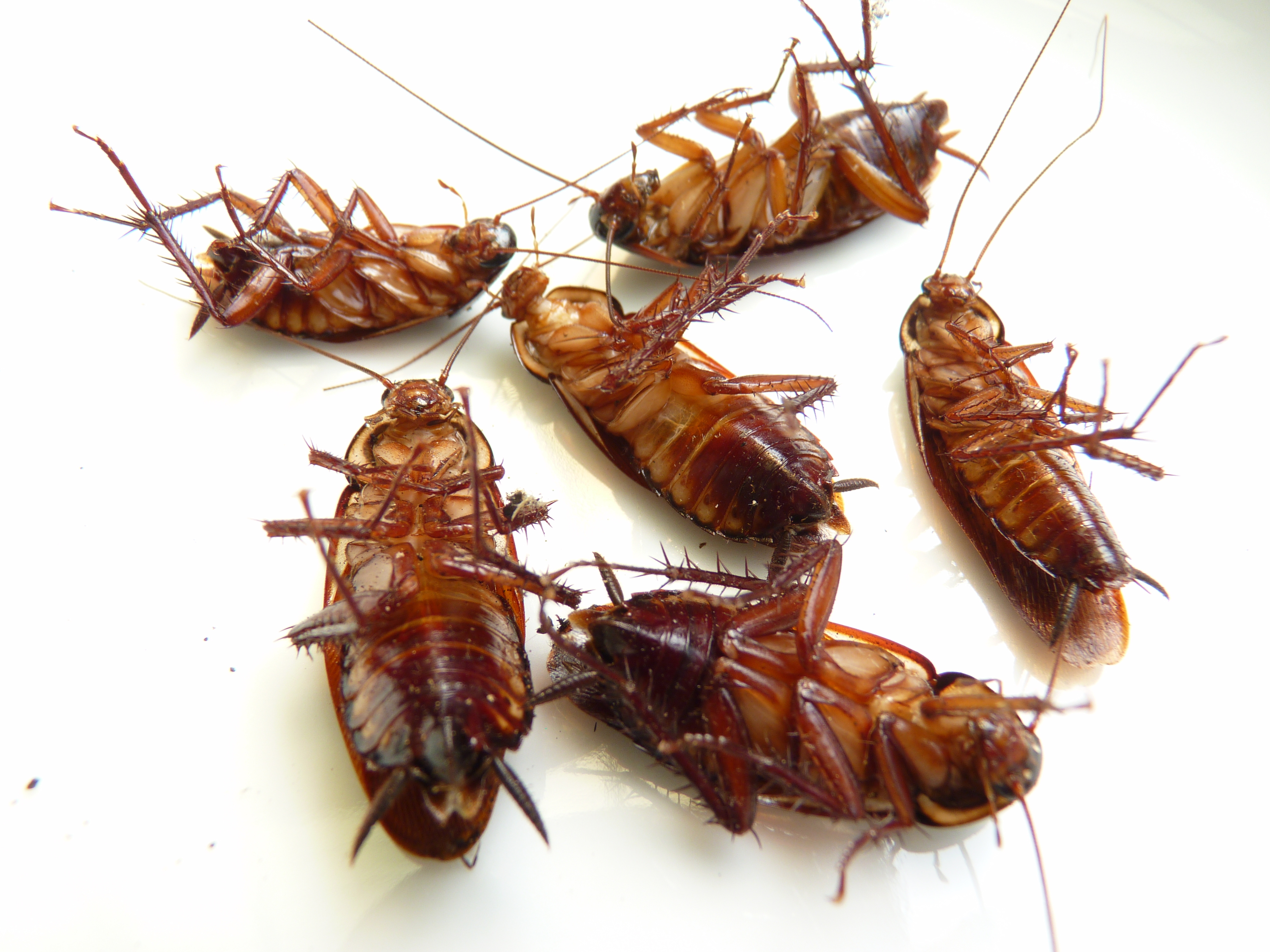
Groceries and deliveries
- Boxes stored in the kitchen or basement
- Paper grocery bags kept under the sink
- Bulk drinks and food in cardboard cases
Roaches don't come from dirt — they come from somewhere. A single pregnant German roach or one egg case tucked in a box can start an infestation, because each egg case holds dozens of eggs. Unpack deliveries outside the kitchen and recycle the boxes the same day.
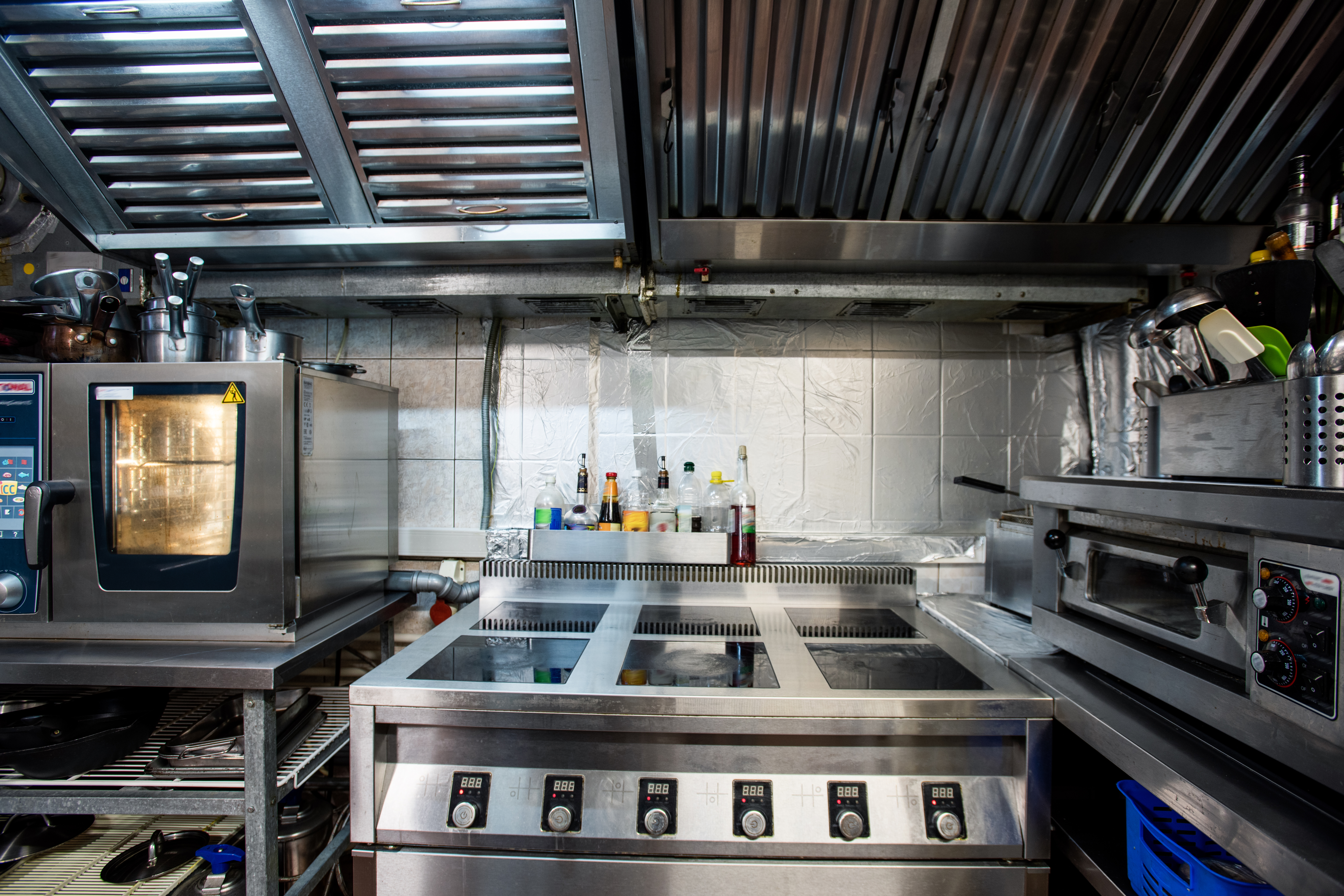
Work, school and used items
- You work in a restaurant, store or warehouse
- You bought a used microwave, fridge or furniture
- Kids' backpacks or lunch bags
Roaches ride home in lunch bags, work bags and secondhand items. Wipe down and inspect used appliances outdoors before bringing them in, and check the motor area and the underside of anything you buy used.

Moving into or out of a home
- Boxes reused from an old apartment
- Furniture stored in a basement or storage unit
- Appliances left behind by the last tenant
Moving is one of the most common ways roaches travel. Use new boxes where you can, unpack the kitchen first and watch for droppings and egg cases. Our moving guide has a full checklist.
Roaches from the apartment next door
If you live in an apartment building or a two- or three-family house — very common in Garfield, Passaic, Clifton, Hackensack and the Hudson County towns — the roaches may not have started with you at all. German roaches live inside the building and follow the plumbing. When a neighbor's unit gets crowded, or a neighbor sprays, roaches spread through the walls into the units around it.
Signs the roaches are coming from another unit:
- You see them first near pipes under the sink, behind the toilet or where the radiator pipes come through the floor.
- They appear soon after a neighbor moves in or out, or after a neighbor's treatment.
- You've cleaned well and the problem doesn't change.
Treating one unit alone rarely holds. The best results come from treating your unit and the units beside, above and below at the same time, plus the basement and trash areas. If you rent, tell your landlord in writing with photos and dates. Our landlord and tenant guide explains the basics in general terms, and owners can see our apartment building pest control programs.
Check your home: where roaches are getting in, room by room
Kitchen
Look under the sink where pipes go through the wall, behind the fridge and stove, and inside the hinges of cabinets. Pepper-like droppings mark the hot spots.
Bathroom
Check gaps around the toilet base, the tub drain access panel and where pipes come through the wall. Bathrooms are often the highway between apartments.
Basement and laundry
Look at floor drains, the washer standpipe, sump pits and cracks where the floor meets the wall. Dry drain traps let sewer roaches walk straight up.
Doors and outside
Hold a flashlight outside a closed door at night. If light shows under it, a roach can fit too. Check where cable, gas and AC lines enter.
A sticky trap placed overnight in each spot is a cheap way to see where roaches are coming from. The trap that catches the most is closest to the source.
How to keep roaches from getting in
You can't seal a house perfectly, but you can close the easy routes:
- Keep drain traps full. Pour water into basement floor drains and unused sinks every week or two so the trap stays wet. Use drain covers.
- Seal around pipes. Fill gaps where plumbing comes through walls and cabinet floors with caulk or a fitted escutcheon plate.
- Fix door sweeps and thresholds, especially basement and back doors.
- Caulk foundation cracks and utility holes.
- Stop bringing in cardboard. Unpack and recycle the same day; don't store paper bags under the sink.
- Dry things out. Fix drips, run a dehumidifier in damp basements and don't leave water in the sink overnight.
More tips in our cockroach prevention guide and pest-proofing guide. If roaches came back after you did all this, see why roaches keep coming back.
What a professional visit does differently
Identify the roach
Species tells us the route. We confirm whether it's German roaches living inside or drain roaches coming in.
Find the source and the entry points
A licensed technician checks kitchens, bathrooms, basement drains, pipe chases and shared walls, and shows you where they're getting in.
Treat where they live
Our roach method is gel bait plus an insect growth regulator (IGR) placed in cracks and voids, with a follow-up visit. No fogging the whole home.
Close the routes
We point out the gaps, drains and habits that keep feeding the problem and tell you what to seal. Roach treatment carries a 90-day warranty.
Why not just spray? Sprays scatter roaches deeper into walls and into the next unit. Read gel bait vs. spray to see why bait works better.
More cockroach help
Get a Free Roach Quote
Tell us what the roaches look like and where you see them, and text a photo if you can. We'll tell you how they're getting in and give you a free quote.
Why North Jersey calls us for roaches
- Roaches in a clean kitchen
- Roaches coming from another apartment
- Big roaches coming up the drains
- Roaches after a move or a used appliance
- Roach treatment carries a 90-day warranty
Request Service
🔒 Your info stays private · Hablamos español.
Questions About How Roaches Get In
Why do I have roaches if my house is clean?
Clean homes get roaches because roaches are carried in or walk in from somewhere else. A box, a used appliance or a neighbor's apartment can bring them in no matter how clean you are. Cleaning still matters, because crumbs, grease and water help a small problem grow fast, but cleaning alone usually won't stop roaches that are already breeding inside the walls.
Can roaches come up through the drain?
Yes, big roaches can come up through drains. American and oriental roaches live in sewer lines and damp drain pipes and climb up through floor drains, basement sinks and tubs, especially when the trap has dried out. Keep traps full of water, use drain covers and seal gaps around the pipes. Small German roaches rarely come from drains; they live in kitchens and walls.
Can roaches come from a neighbor's apartment?
Yes. In apartment buildings and multi-family houses, German roaches travel through shared walls, pipe chases, electrical runs and gaps around plumbing. They often show up first under the sink or near bathroom pipes. The best fix is treating your unit and the units around it at the same time, which is why it helps to tell your landlord or building manager quickly.
Can one roach mean an infestation?
One roach can mean an infestation, especially if it's a small German roach seen during the day. They hide most of the time, so the one you see is usually not alone. A single big dark roach in the basement after rain is often just a wanderer from outside or a drain. Put out a few sticky traps for a week to see how many there really are.
Do roaches come in from outside in New Jersey?
Some do. Oriental, American and wood roaches live outdoors or in sewers and come in through gaps under doors, foundation cracks and drains, mostly in warm, wet weather. German roaches are different — they live almost entirely indoors and come in on things people carry. That's why the type of roach is the first clue to where your problem started.
Can roaches come in on grocery bags and boxes?
Yes, this is one of the most common ways. Roaches and egg cases hide in corrugated cardboard and paper bags from stores and warehouses. Unpack groceries and deliveries away from the kitchen, recycle boxes the same day and don't store paper bags under the sink, where it's dark and close to water.
What time of year do roaches get in most?
Indoor German roaches can show up any time of year because they live inside. Outdoor and sewer roaches come in most during warm, humid months and after heavy rain, when drains back up and their hiding spots flood. Late spring and summer is the busiest season for big roaches in North Jersey basements.
Will sealing cracks get rid of roaches?
Sealing cracks helps prevent new roaches, but it won't get rid of the ones already living inside. Sealing works best together with treatment: gel bait and an insect growth regulator for the roaches in your walls, and caulk, door sweeps and drain covers to stop new ones. Seal after treatment starts, so you don't trap roaches inside with no bait nearby.
How fast can a professional get rid of roaches?
Most homes see a big drop within a couple of weeks of professional treatment, and German roach problems usually need at least one follow-up visit. Our method is gel bait plus an insect growth regulator with a follow-up, and roach treatment carries a 90-day warranty. Same-day appointments are often available in Bergen, Passaic, Essex and Hudson counties.
¿Cómo entran las cucarachas a la casa?
Las cucarachas entran en cajas, bolsas y aparatos usados, o caminan desde los desagües, las tuberías y los apartamentos vecinos. Las pequeñas y marrones casi siempre llegan en cosas que uno trae; las grandes y oscuras suben por los desagües. Hablamos español: llame o mande texto con una foto al 973-510-2585 y le decimos qué tipo es.
Roach control near you
We're based in Garfield and treat roaches across Bergen, Passaic, Essex and Hudson counties.
Our service area
Bergen County
973-510-2585- Allendale
- Bergenfield
- Bogota
- Carlstadt
- Cliffside Park
- Closter
- Cresskill
- Demarest
- Dumont
- East Rutherford
- Edgewater
- Elmwood Park
- Emerson
- Englewood
- Englewood Cliffs
- Fair Lawn
- Fairview
- Fort Lee
- Franklin Lakes
- Garfield
- Glen Rock
- Hackensack
- Harrington Park
- Hasbrouck Heights
- Haworth
- Hillsdale
- Ho-Ho-Kus
- Leonia
- Little Ferry
- Lodi
- Lyndhurst
- Mahwah
- Maywood
- Midland Park
- Montvale
- Moonachie
- New Milford
- North Arlington
- Northvale
- Norwood
- Oakland
- Old Tappan
- Oradell
- Palisades Park
- Paramus
- Park Ridge
- Ramsey
- Ridgefield
- Ridgefield Park
- Ridgewood
- River Edge
- River Vale
- Rochelle Park
- Rutherford
- Saddle Brook
- Saddle River
- South Hackensack
- Teaneck
- Tenafly
- Teterboro
- Upper Saddle River
- Waldwick
- Wallington
- Washington Township
- Westwood
- Woodcliff Lake
- Wood-Ridge
- Wyckoff
Passaic County
973-510-2585- Bloomingdale
- Clifton
- Haledon
- Hawthorne
- Little Falls
- North Haledon
- Passaic
- Paterson
- Pompton Lakes
- Prospect Park
- Ringwood
- Totowa
- Wanaque
- Wayne
- West Milford
- Woodland Park
Essex County
973-510-2585- Belleville
- Bloomfield
- Caldwell
- Cedar Grove
- East Orange
- Essex Fells
- Fairfield
- Glen Ridge
- Irvington
- Livingston
- Maplewood
- Millburn
- Montclair
- Newark
- North Caldwell
- Nutley
- Orange
- Roseland
- Short Hills
- South Orange
- Verona
- West Caldwell
- West Orange
Hudson County
973-510-2585Union County
973-510-2585- Berkeley Heights
- Clark
- Cranford
- Elizabeth
- Fanwood
- Garwood
- Hillside
- Kenilworth
- Linden
- Mountainside
- New Providence
- Plainfield
- Rahway
- Roselle
- Roselle Park
- Scotch Plains
- Springfield
- Summit
- Union
- Westfield
Morris County
973-510-2585- Boonton
- Butler
- Cedar Knolls
- Chatham
- Denville
- Dover
- East Hanover
- Florham Park
- Hanover
- Kinnelon
- Lincoln Park
- Madison
- Mendham
- Montville
- Morris Plains
- Morristown
- Mountain Lakes
- Parsippany
- Pequannock
- Randolph
- Riverdale
- Rockaway
- Roxbury
- Whippany
Updated November 2026 by the Silver Bullet Pest Control team, Garfield, NJ • NJ License 90568B