Silver Bullet Pest Control logoSilver Bullet Pest Control
Commercial Β· Schools & daycares Β· North Jersey

School and Daycare Pest Control in NJ: Safe, IPM-Based Service

Kids, food and old buildings β€” schools and daycares are hard places to keep pest-free. Silver Bullet Pest Control provides school and daycare pest control across North Jersey, built on integrated pest management (IPM): find the cause, seal it, and treat only where needed, with service scheduled when children aren't there.

4.9 stars on Google β€’ NJ License 90568B β€’ EPA pesticide safety certified β€’ 15+ years β€’ Hablamos espaΓ±ol

Mouse droppings in a classroom or wasps by the playground? Text a photo to 973-510-2585.

How do schools and daycares in NJ handle pest control?

School and daycare pest control in NJ is done with integrated pest management (IPM): inspecting and monitoring, fixing the conditions that attract pests, sealing entry points, and using low-impact treatments only where they're needed, with notice to staff and parents when required. Silver Bullet Pest Control serves schools, daycares and child care centers across Bergen, Passaic, Essex and Hudson counties and schedules work when children aren't present. Call or text 973-510-2585 for a free quote.

Integrated pest management in New Jersey schools and child care centers

New Jersey expects schools and licensed child care centers to manage pests with integrated pest management (IPM). In general terms, that means having an IPM policy and a contact person responsible for it, choosing the lowest-impact options first, and giving staff and parents notice before certain pesticide applications. The details β€” which products count as low-impact, how and when notice is given, which records to keep β€” are set by the state and can change.

Before setting up a program, check the current requirements with the NJ Department of Environmental Protection pesticide program, your district's IPM coordinator, or your child care licensing contact. We'll work within your policy and give you the visit records you need to keep.

What IPM looks like in practice:

  • Monitor kitchens, classrooms, storage and the building outside so problems are caught early.
  • Fix the cause β€” food in cubbies, leaks, clutter, gaps under doors.
  • Exclude mice, rats and wildlife by sealing gaps with materials they can't chew.
  • Treat precisely with baits and crack-and-crevice placement, only where pests are, and only when needed.

Common pests in schools and daycares, by area

Each part of the building has its own pest risks:

AreaCommon pestsWhat draws them
Cafeteria and kitchenGerman roaches, mice, fliesFood, grease, warm equipment, deliveries
ClassroomsMice, antsSnacks in desks and cubbies, class pets' food, crumbs on rugs
Storage rooms and closetsMice, roachesCardboard boxes, paper, supplies on the floor
Gym, locker rooms and bathroomsRoaches, drain flies, antsMoisture, floor drains, leaks
Roof, attic and boiler roomBats, pigeons, squirrels, miceGaps at the roofline, vents and pipe openings
Playground and groundsWasps, yellow jackets, ants, mosquitoesPlay equipment, fences, trash cans, standing water

Mice and stinging insects cause most of the calls we get from schools and daycares.

Daycares, preschools and child care centers

Small children crawl on floors, nap on mats and put things in their mouths. That's why daycare pest control has to be especially careful about what is used and where:

  • Service when children aren't there β€” evenings, weekends or closed days.
  • Nothing on floors, mats or toys. Baits go in secured, hidden spots out of children's reach, and treatment stays in cracks and voids.
  • Mice first. Daycares in older houses, church basements and storefronts often have mice. We find how they get in and seal it, rather than relying only on traps.
  • Snack and lunch routines matter. Crumbs under tables and food left in cubbies are the most common reason ants and mice keep coming back.
  • Clear communication. We explain what we did and why, in plain English or Spanish, so you can answer parents' questions.

Home-based family daycares can use our residential pest control with the same careful approach.

Playgrounds, fields and the outside of the building

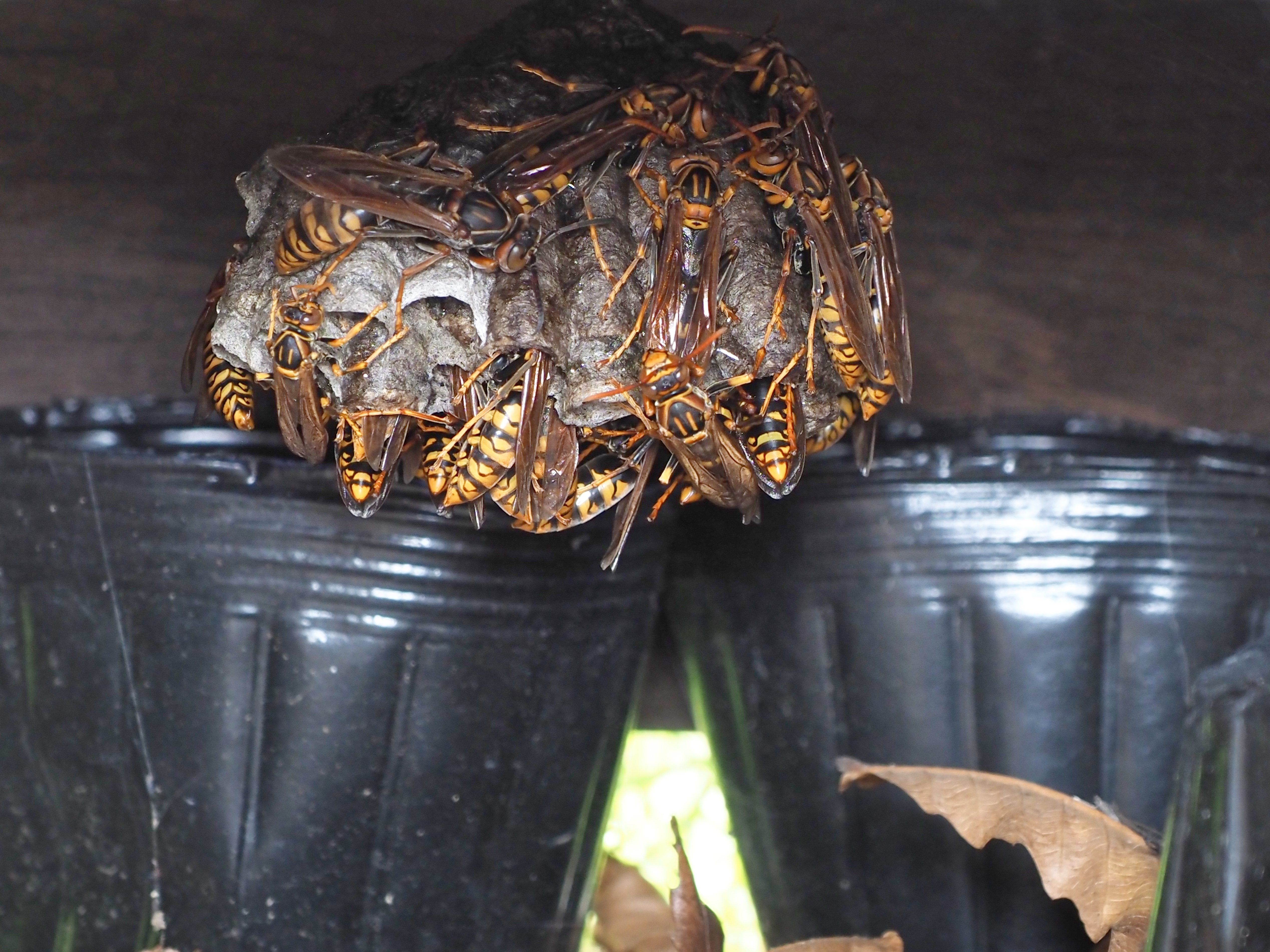
A paper wasp nest
Late spring to fall

Wasps and yellow jackets

  • Nests under play equipment and railings
  • Yellow jackets around trash cans
  • Nests in the ground near fields

Stings are a real risk for children, especially those with allergies. We remove nests from playgrounds, entrances and fields when kids aren't there. Honey bees are relocated with a local beekeeper.

An Asian tiger mosquito
Summer

Mosquitoes

  • Bites at recess and summer camp
  • Standing water in toys, tires, gutters
  • Shady, damp corners of the grounds

Removing standing water is the first step. Mosquito treatment is also available, from $95 plus tax; larger school grounds are quoted after we see them.

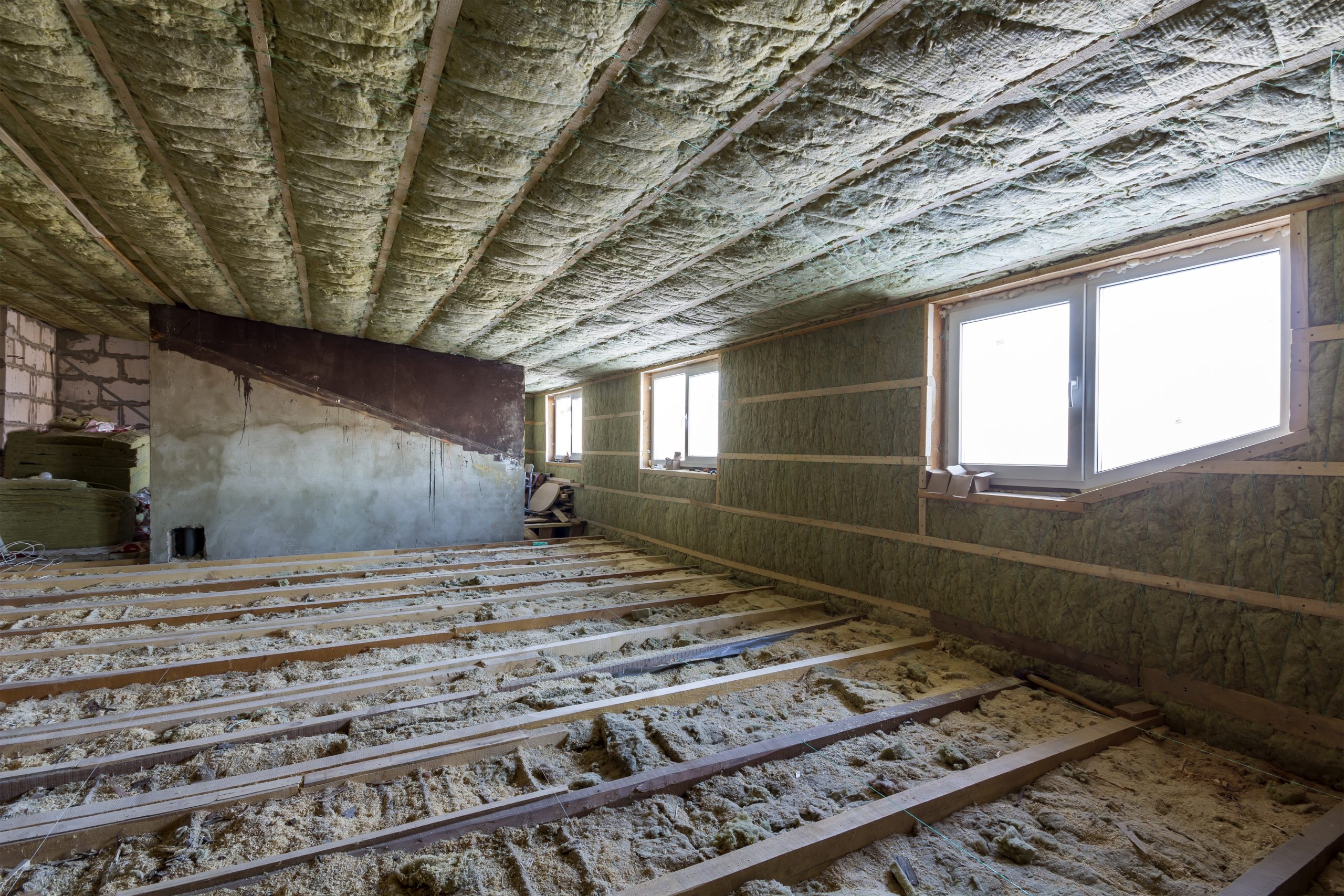
Exposed attic framing
Roof & attic

Bats and other wildlife

  • Bats seen at dusk near the roof
  • Droppings in the attic or on window sills
  • Noise in ceilings

Older school buildings often have gaps bats can use. If a bat is found in a room where a child was napping or sleeping, keep the bat and call your local health department about rabies testing. We're licensed by the NJ Division of Fish and Wildlife.

How our school and daycare pest control service works

1

Walk-through and plan

We inspect the building and grounds with your facility manager, director or IPM coordinator, and write a plan that fits your IPM policy.

2

Seal and fix

We seal mouse and rat entry points, point out leaks and storage problems, and recommend simple fixes for staff.

3

Targeted treatment

When treatment is needed, we use baits and crack-and-crevice placement in areas children can't reach, scheduled when they're not in the building.

4

Regular monitoring

Scheduled visits catch problems early. Many schools add extra visits over summer break and before the school year starts.

5

Written records

After every visit you get a record of what we found, what we used and where, and what needs fixing β€” for your IPM file.

Low-impact IPM vs. routine spraying

Why schools and daycares are moving away from calendar spraying:

IPM approachRoutine spraying
When treatment happensOnly when monitoring shows pestsOn a schedule, whether pests are there or not
WhereIn cracks, voids and secured bait spotsBaseboards and open areas
Children's exposureKept as low as possibleHigher, especially on floors
Long-term resultsFixes the cause, so pests stay outPests come back once the product wears off
RecordsFindings and actions documentedOften just a date and a product

IPM isn't "no treatment." It means treating smart β€” the right method, in the right spot, only when it's needed.

What teachers and staff can do

πŸ₯ͺ

Seal the snacks

Keep classroom snacks and art supplies like pasta or cereal in sealed plastic bins, not cardboard.

🧹

Clean up after lunch

Sweep under tables and empty classroom trash at the end of each day.

πŸ“¦

Lift and clear storage

Keep boxes off the floor and away from walls so mice have fewer places to hide.

πŸ“

Report what you see

Use a sightings log with date, room and what was seen, so we can respond quickly.

These small habits do more than any treatment to keep pests out of classrooms.

Get a Free School or Daycare Pest Control Quote

Tell us about your building β€” school, daycare or preschool, its size, and any current pest problem. We'll set up a walk-through and give you a free quote for a plan that fits your IPM policy.

Why schools and daycares call us

  • IPM-based, low-impact service
  • Work done when children aren't present
  • Written records for your IPM file
  • Wasp nest removal on playgrounds
  • NJ License 90568B, 4.9 stars on Google
πŸ“ž Call 973-510-2585

Request Service

πŸ”’ Your info stays private Β· Hablamos espaΓ±ol.

What's bugging you? - Step 1 of 3

School and Daycare Pest Control Questions

Is pest control safe for daycares?

Yes, when it's done with integrated pest management. We treat only where pests are, place baits in secured spots children can't reach, keep products off floors, mats and toys, and schedule work when children aren't in the building.

Do NJ schools have to use integrated pest management?

Yes. New Jersey expects schools and licensed child care centers to follow an IPM approach, including a policy, a responsible contact person and notice before certain pesticide applications. Rules can change, so check the current details with the NJ Department of Environmental Protection or your licensing contact.

Do parents get notified before pest treatment?

For many pesticide applications in schools and child care centers, New Jersey requires notice to staff and parents. Your school's IPM coordinator or director handles the notice. We'll tell you ahead of time what we plan to use so you can give notice when it's required.

When do you treat a school or daycare?

When children aren't there β€” after hours, on weekends, on days off, or over summer break. Many schools schedule a thorough service in the summer and a check before the school year starts.

What's the most common pest in schools?

Mice are the most common indoors, especially in older buildings in the fall and winter. Cafeterias also see German roaches and flies, and playgrounds get wasps and yellow jackets from late spring into fall.

How do you get rid of mice in a classroom?

We find how they're getting in, seal those gaps with materials mice can't chew, and place traps or bait in secured spots out of children's reach. Staff help by keeping snacks in sealed bins and clearing storage off the floor.

Can you remove a wasp nest on a playground?

Yes. We remove wasp and yellow jacket nests from play equipment, fences, entrances and fields when children aren't outside. If it turns out to be honey bees, we work with a local beekeeper to relocate them.

What should we do if a bat is found in a classroom?

Keep children away, close the room, and call us. If the bat was in a room where a child was sleeping or napping, keep the bat for testing and call your local health department about rabies. Don't release it.

Do you provide records for our IPM file?

Yes. After every visit you get a written record of what we inspected, what we found, what we used and where, and what should be fixed. Keep these with your IPM records.

How often should a school have pest control?

Most schools do best with regular scheduled monitoring, often monthly, plus extra visits for problems or seasonal work. Small daycares may need fewer visits. We'll suggest a schedule after the walk-through.

ΒΏAtienden escuelas y guarderΓ­as en espaΓ±ol?

SΓ­. Hablamos espaΓ±ol con directores, maestros y padres. Llame o mande texto al 973-510-2585 para un presupuesto gratis.

School and daycare pest control in North Jersey

We're based in Garfield and serve schools, daycares and child care centers in these towns and across Bergen, Passaic, Essex and Hudson counties:

Our service area

Union County

973-510-2585
  • Berkeley Heights
  • Clark
  • Cranford
  • Elizabeth
  • Fanwood
  • Garwood
  • Hillside
  • Kenilworth
  • Linden
  • Mountainside
  • New Providence
  • Plainfield
  • Rahway
  • Roselle
  • Roselle Park
  • Scotch Plains
  • Springfield
  • Summit
  • Union
  • Westfield

Morris County

973-510-2585
  • Boonton
  • Butler
  • Cedar Knolls
  • Chatham
  • Denville
  • Dover
  • East Hanover
  • Florham Park
  • Hanover
  • Kinnelon
  • Lincoln Park
  • Madison
  • Mendham
  • Montville
  • Morris Plains
  • Morristown
  • Mountain Lakes
  • Parsippany
  • Pequannock
  • Randolph
  • Riverdale
  • Rockaway
  • Roxbury
  • Whippany

Updated November 2026 by the Silver Bullet Pest Control team, Garfield, NJ β€’ NJ License 90568B

Scroll to Top