Silver Bullet Pest Control logoSilver Bullet Pest Control
Commercial Β· Healthcare facilities Β· North Jersey

Healthcare Facility Pest Control in NJ for Medical Offices, Clinics and Care Homes

Patients and residents expect a clean, safe building β€” and so do inspectors. Silver Bullet Pest Control provides healthcare facility pest control for medical and dental offices, clinics, rehab centers, assisted living and nursing homes in North Jersey. We use targeted, low-impact methods, work around patient schedules and keep a written record of every visit.

4.9 stars on Google β€’ NJ License 90568B β€’ EPA pesticide safety certified β€’ 15+ years β€’ Hablamos espaΓ±ol

Found droppings in a supply room or a bug in a patient area? Text a photo to 973-510-2585.

What is healthcare facility pest control?

Healthcare facility pest control is a pest program built for buildings with patients and vulnerable people: it relies on inspection, sealing and targeted treatments in cracks and hidden spots instead of broad spraying, and every visit is documented. Silver Bullet Pest Control serves medical offices, clinics and care homes across Bergen, Passaic, Essex and Hudson counties. Call or text 973-510-2585 for a free quote.

Integrated pest management for healthcare buildings

In a building full of patients, older adults or people with weak immune systems, the goal is to control pests with as little pesticide exposure as possible. That approach is called integrated pest management (IPM), and it's how we work in healthcare facilities:

  • Inspect first. We find out what the pest is, where it's coming from and why it's there before anything is applied.
  • Fix the cause. Gaps around pipes, leaky sinks, open doors at the dock and cardboard storage often matter more than any product.
  • Seal entry points. Mice and rats are kept out by sealing gaps with materials they can't chew.
  • Target the treatment. When treatment is needed, we use baits and precise crack-and-crevice placement in hidden areas, not sprays across patient rooms.
  • Monitor and record. We check activity on each visit and write down what we found and did.

Our technicians are EPA pesticide safety certified, and Silver Bullet holds NJ License 90568B.

Common pests in medical offices, clinics and care homes

Mouse control service
Most common

Mice

  • Droppings in supply rooms and break rooms
  • Chewed packaging
  • Activity behind walls in cold months

Mice move into older medical buildings and care homes as the weather cools. They contaminate supplies and food. We control them, then seal the gaps they used so they don't come back next fall.

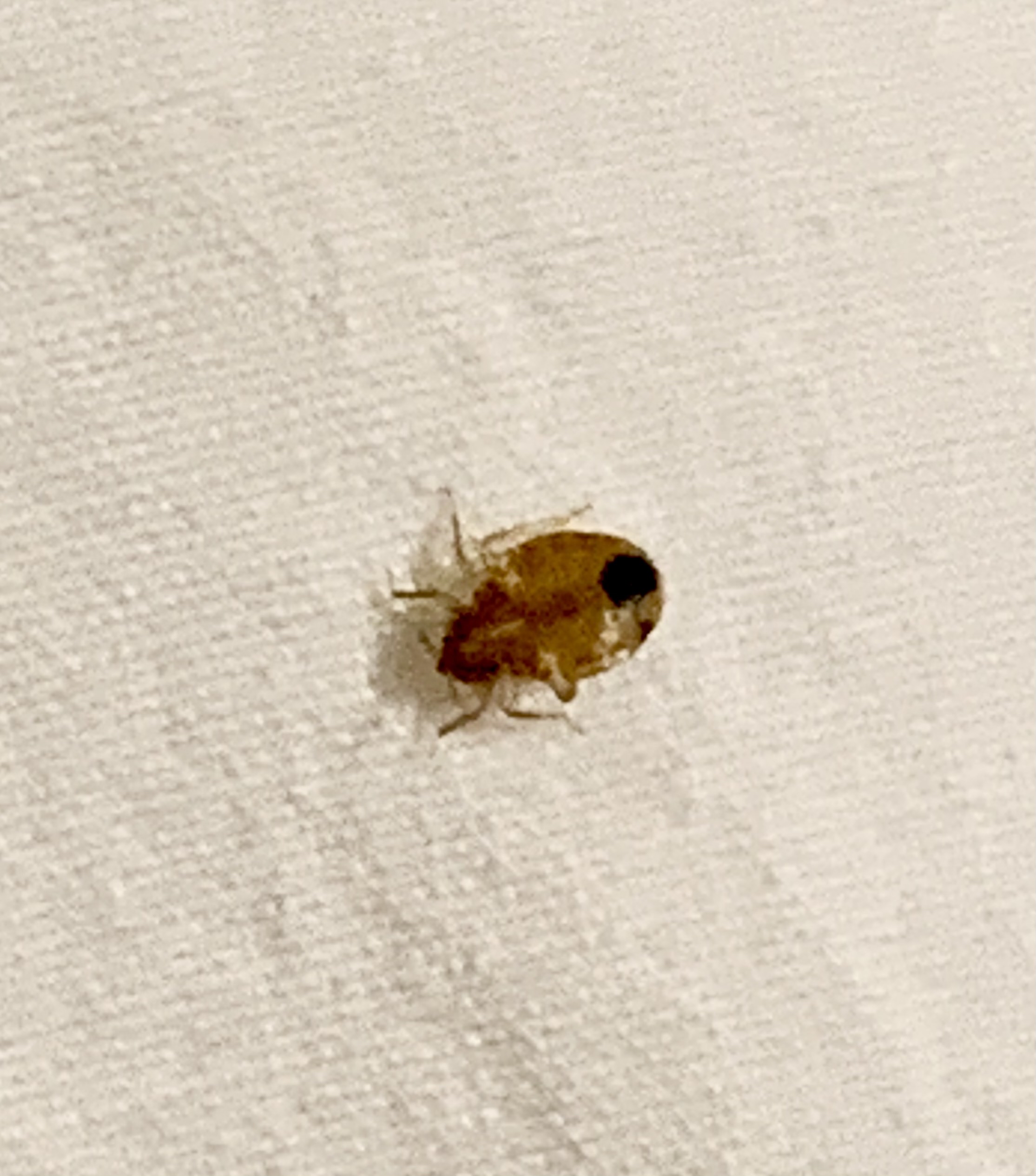
A bed bug on a sheet
Care homes & waiting rooms

Bed bugs

  • Bites reported by residents
  • Small dark spots on bedding or chairs
  • Bugs in seams of furniture

Bed bugs arrive on clothing, bags and wheelchairs. They're most common in residential care, but they can show up in waiting room chairs too. We inspect, treat and offer bed bug heat treatment.

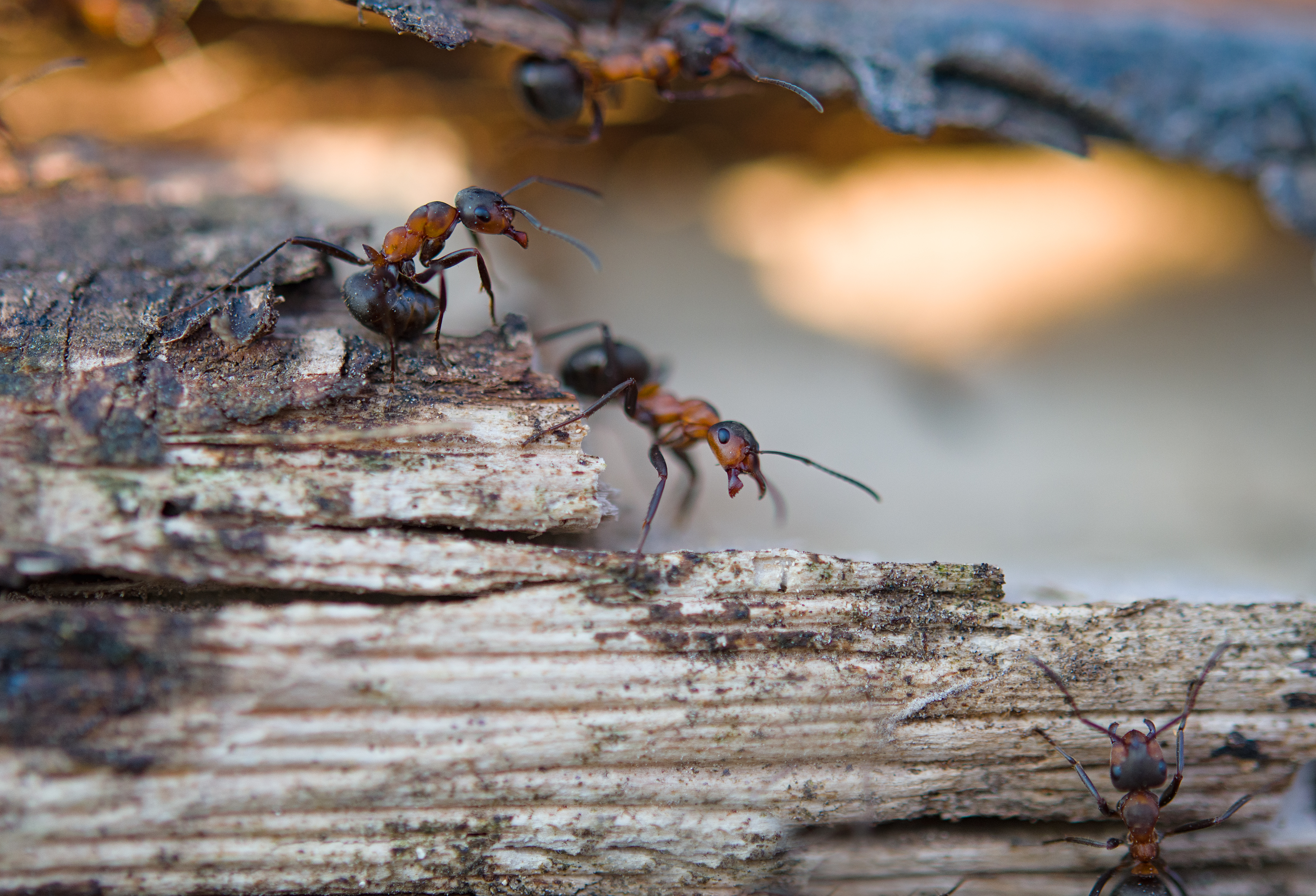
A trail of small ants
Hard to treat

Ants, including pharaoh ants

  • Tiny ants near sinks and water
  • Trails along walls and outlets
  • Colonies that split when sprayed

Pharaoh ants are a known problem in healthcare buildings because they seek moisture and spread when sprayed. They need patient baiting, not spraying. Other ants come in from outside in spring.

Pest risks by area of the building

Different spaces need different care. Here's how we approach the main areas of a healthcare facility:

AreaTypical pestsHow we handle it
Patient rooms and exam roomsBed bugs, antsInspection and targeted treatment only when needed; nothing sprayed into the air
Waiting roomsBed bugs in upholstered chairs, antsRegular inspection of seating; easy-to-clean seating helps
Kitchens, cafeterias, break roomsGerman roaches, mice, fliesGel bait plus a growth regulator for roaches, rodent control, drain and sanitation notes
Supply and storage roomsMice, roaches in cardboardMonitoring, sealing, and getting supplies off the floor
LaundryBed bugs moved with linens, miceBagging linens from affected rooms, checking carts
Loading dock and trashRats, mice, fliesExterior control, door sweeps, sealing and trash-area cleanup

We'll go over each area with your facility manager and agree on where and when we can work.

Assisted living, nursing homes and rehab centers

Residential care is where pest problems are hardest. Residents live there, many have their own furniture and belongings, and visitors come and go every day. A few things make the biggest difference:

  • Bed bugs: catch them early. Train staff to check beds, recliners and wheelchairs, and report bites or spots the same day. When we confirm bed bugs, we treat the room and check the rooms around it. Bed bug heat treatment can treat a room and belongings without spraying products on a resident's bed.
  • New admissions: furniture and belongings brought from home are a common way bed bugs and roaches arrive. A quick check at move-in helps.
  • Mice: older buildings and kitchens attract mice in the fall and winter. Sealing pipe gaps and keeping food in sealed containers in residents' rooms helps a lot.
  • Bats: if a bat is found in a room with a sleeping resident, keep the bat (don't release it) and call your local health department about rabies testing. Then call us to find how it got in.

We talk with your staff, residents and families in plain language, in English or Spanish, about what we're doing and why.

How our healthcare pest control service works

1

Walk-through

We inspect the whole building, inside and out, and meet with the facility manager about sensitive areas, patient hours and any current problems.

2

Written plan

You get a plan for each area: what we'll monitor, what we'll seal, what we'll treat, and how often we'll visit.

3

Targeted treatment

We treat only where pests are, using baits and crack-and-crevice placement. Patient areas are handled with extra care and scheduled around use.

4

Scheduled visits

Regular visits keep pests from building back up. Regular service comes with a 100% satisfaction guarantee.

5

Report after each visit

You get a written record of findings, treatments and anything maintenance should fix.

Pest control records for inspections and audits

Healthcare buildings are inspected by many people: health departments, licensing agencies, accreditation surveyors, corporate offices and insurers. Each may want to see that pests are being managed. Requirements differ by facility type and can change, so check with your licensing agency or compliance team about what you need to keep.

What we provide after each visit:

  • Date and time of service and the technician's name
  • Areas inspected and what was found
  • What was applied, where, and why
  • Recommendations for repairs, sanitation or storage
  • Follow-up on anything noted the last time

If your building has a kitchen or cafeteria, it's also inspected like any food business. New Jersey health inspections end with a placard rated Satisfactory, Conditionally Satisfactory or Unsatisfactory. See our commercial kitchen pest control page for more.

What your staff can do between visits

πŸ“

Log every sighting

Keep a simple sightings log at the front desk or nurses' station: date, room, what was seen.

πŸ“¦

Get supplies off the floor

Store supplies on shelves away from walls, and break down cardboard quickly.

πŸšͺ

Keep doors closed

Dock and side doors propped open let mice, rats and flies straight in.

πŸ’§

Report leaks

Drips under sinks and in mechanical rooms feed roaches and ants. Fix them fast.

These habits make every treatment work better and keep the number of applications down.

Get a Free Healthcare Pest Control Quote

Tell us about your facility β€” the type, size, whether there's a kitchen, and any current pest issue. We'll schedule a walk-through and give you a free quote for a service plan.

Why healthcare facilities call us

  • Targeted, low-impact treatments
  • Service scheduled around patients and residents
  • Written records after every visit
  • Bed bug heat treatment available
  • NJ License 90568B, 4.9 stars on Google
πŸ“ž Call 973-510-2585

Request Service

πŸ”’ Your info stays private Β· Hablamos espaΓ±ol.

What's bugging you? - Step 1 of 3

Healthcare Facility Pest Control Questions

Is pest control safe in a medical office or nursing home?

Yes, when it's done with integrated pest management. We rely on inspection, sealing and baits placed in hidden cracks instead of spraying rooms, and we schedule treatment around patients and residents. We'll explain any precautions for each area before we start.

How often should a healthcare facility have pest control?

Most facilities do best with regular scheduled service, often monthly, with the frequency based on the building's size, whether it has a kitchen and its pest history. Care homes with residents living on site usually need more frequent checks than a small medical office.

Do you treat bed bugs in nursing homes and assisted living?

Yes. We inspect the reported room and the rooms around it, treat, and recheck. Bed bug heat treatment is available, which treats the room and belongings without applying products to a resident's bed.

What should we do if a resident reports bites?

Check the bed, recliner and nearby furniture for small dark spots or bugs, save any bug you find in a sealed bag, and call us. Avoid moving the resident's belongings to another room until they're checked, so bed bugs don't spread.

Can you work around patient hours?

Yes. We can schedule visits before or after office hours, on weekends, or in sections of the building that are not in use. In care homes, we coordinate room access with staff.

Do you provide documentation for inspections?

Yes. After every visit you get a written record of what we inspected, what we found, what was applied and what should be fixed. Ask your licensing agency or compliance team exactly which records they want you to keep.

Why not just spray for ants?

Some ants, especially pharaoh ants, split into new colonies when sprayed, which spreads the problem through the building. Slow-acting baits placed where the ants feed let them carry it back to the colony.

How do mice get into medical buildings?

Usually through gaps around pipes and wires, under doors at the dock and through cracks in the foundation. Mice can fit through a gap about the width of a pencil, so sealing is a big part of keeping them out.

Do you serve dental offices and small clinics?

Yes. We serve medical and dental offices, clinics, rehab centers, assisted living and nursing homes. Smaller offices may only need a few visits a year, and we'll suggest what fits.

What areas do you serve?

We're based in Garfield and serve Bergen, Passaic, Essex and Hudson counties. We also serve facilities in Morris and Union counties, with visits scheduled ahead.

ΒΏAtienden clΓ­nicas y hogares de ancianos en espaΓ±ol?

SΓ­. Hablamos espaΓ±ol con el personal, los residentes y las familias. Llame o mande texto al 973-510-2585 para un presupuesto gratis.

Healthcare pest control across North Jersey

We're based in Garfield and serve healthcare facilities in these towns and more:

Our service area

Union County

973-510-2585
  • Berkeley Heights
  • Clark
  • Cranford
  • Elizabeth
  • Fanwood
  • Garwood
  • Hillside
  • Kenilworth
  • Linden
  • Mountainside
  • New Providence
  • Plainfield
  • Rahway
  • Roselle
  • Roselle Park
  • Scotch Plains
  • Springfield
  • Summit
  • Union
  • Westfield

Morris County

973-510-2585
  • Boonton
  • Butler
  • Cedar Knolls
  • Chatham
  • Denville
  • Dover
  • East Hanover
  • Florham Park
  • Hanover
  • Kinnelon
  • Lincoln Park
  • Madison
  • Mendham
  • Montville
  • Morris Plains
  • Morristown
  • Mountain Lakes
  • Parsippany
  • Pequannock
  • Randolph
  • Riverdale
  • Rockaway
  • Roxbury
  • Whippany

Updated November 2026 by the Silver Bullet Pest Control team, Garfield, NJ β€’ NJ License 90568B

Scroll to Top